
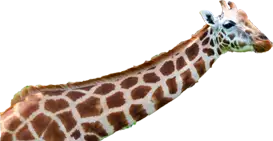
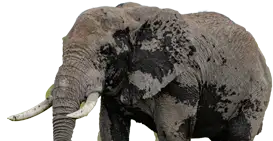
Go on Safari in Kenya
Have you ever dreamed of going on safari? Of witnessing Earth's most wondrous animals, in unspoiled landscapes? Our principal advisor, Jeof Oyster, recently had the privilege and pleasure of visiting Kenya for this bucket-list experience. See his experiences below, and then click to schedule a free consultation to plan your bespoke safari experience.
Click any photo for a larger view. Best viewed on larger screens.
Highlight Reel
Chapter 1: We Start in Amboseli
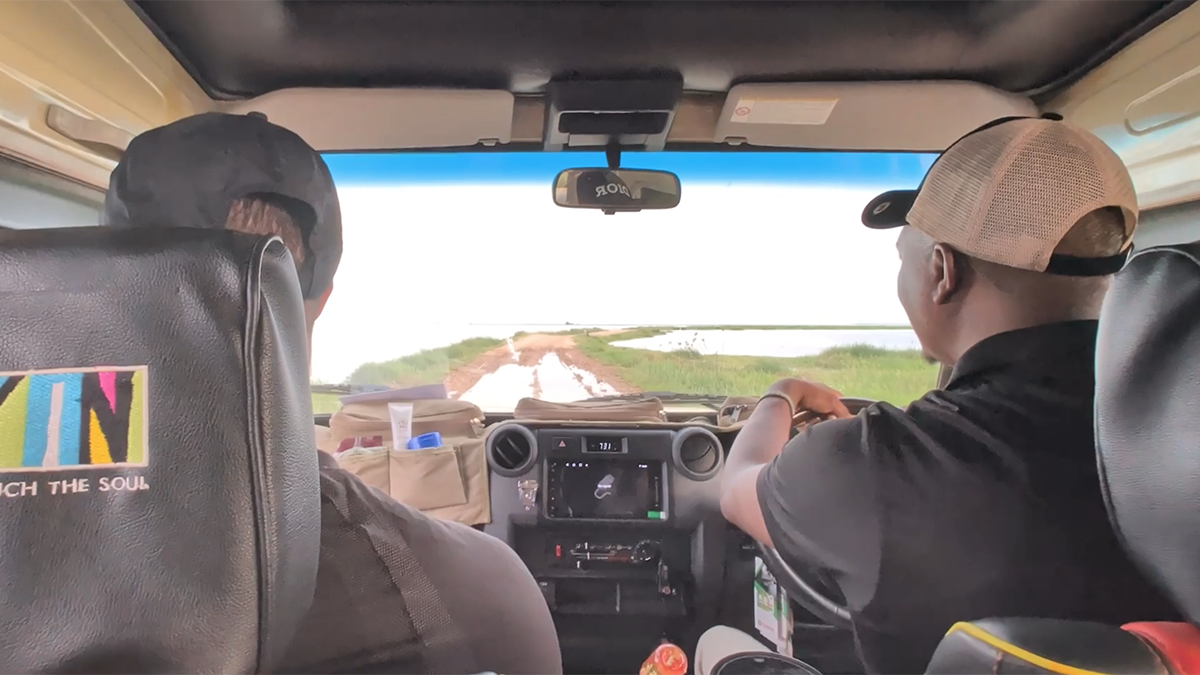
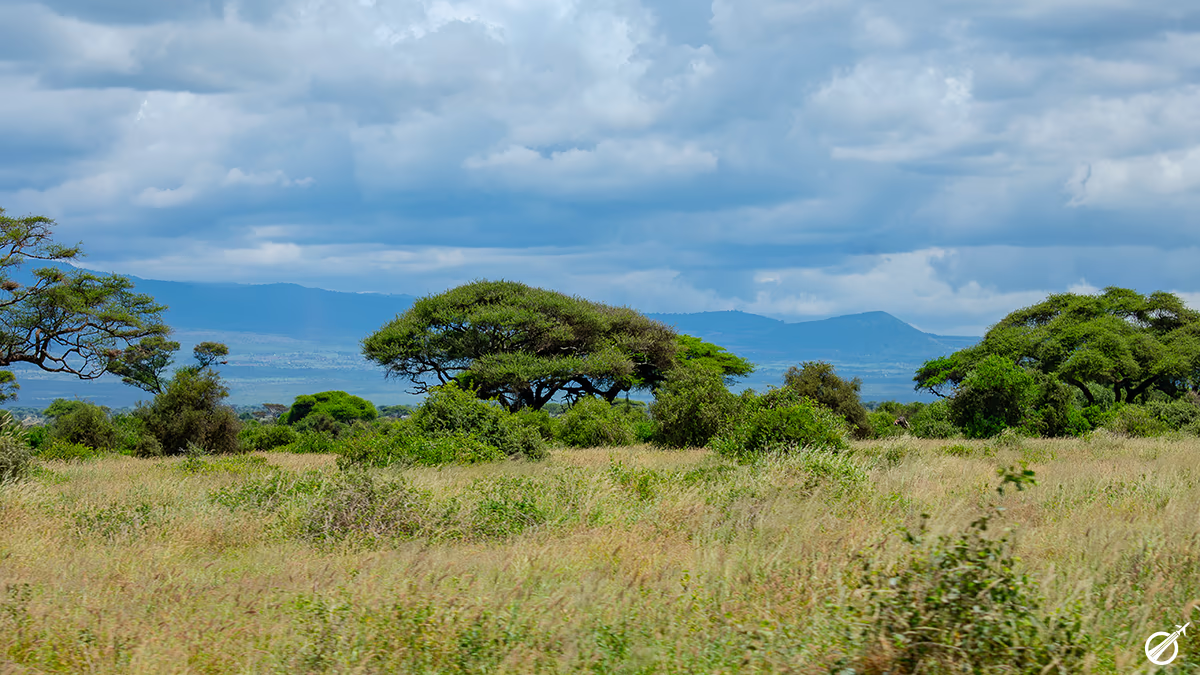
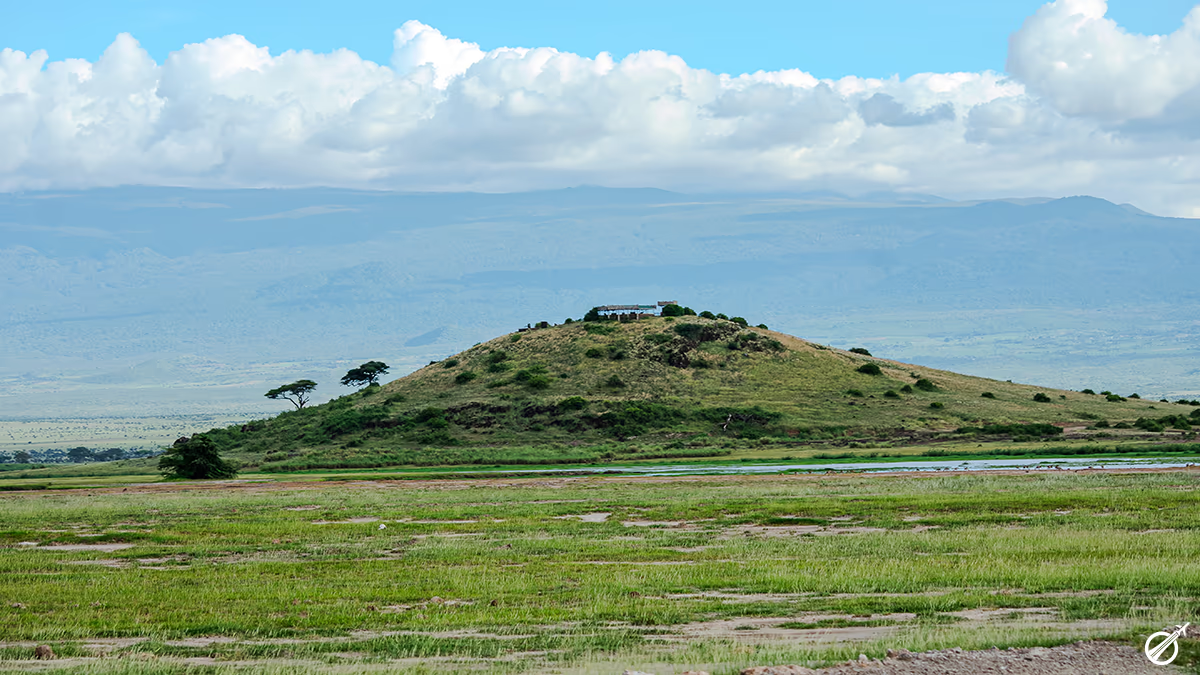
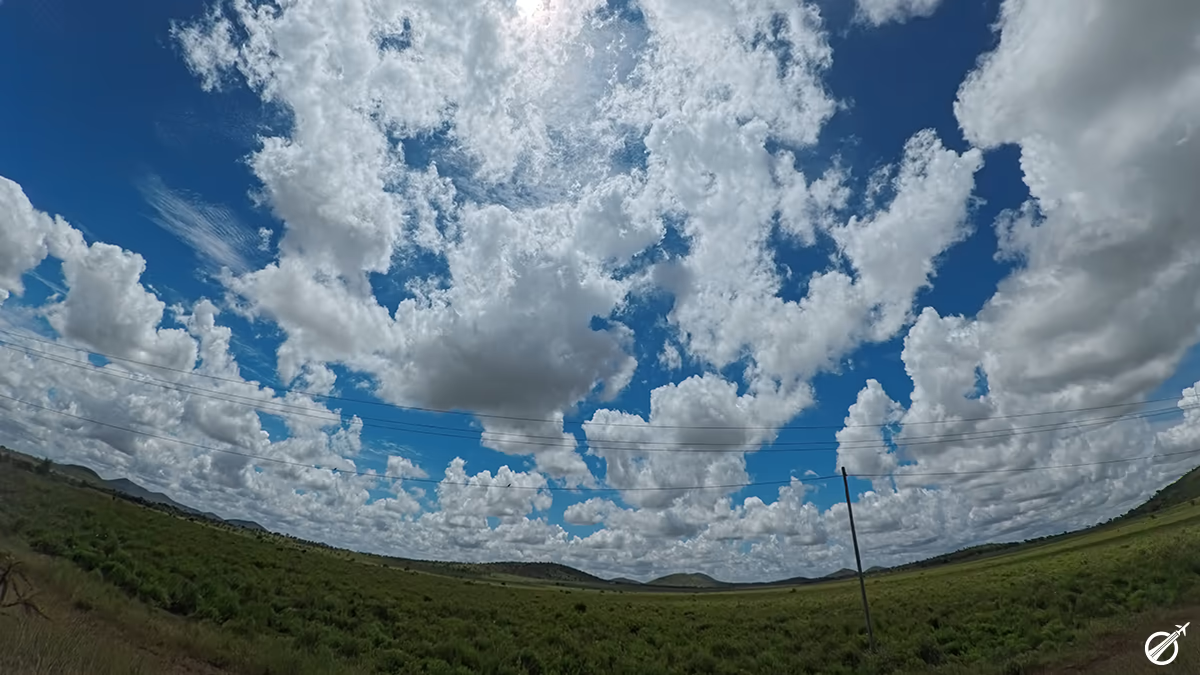
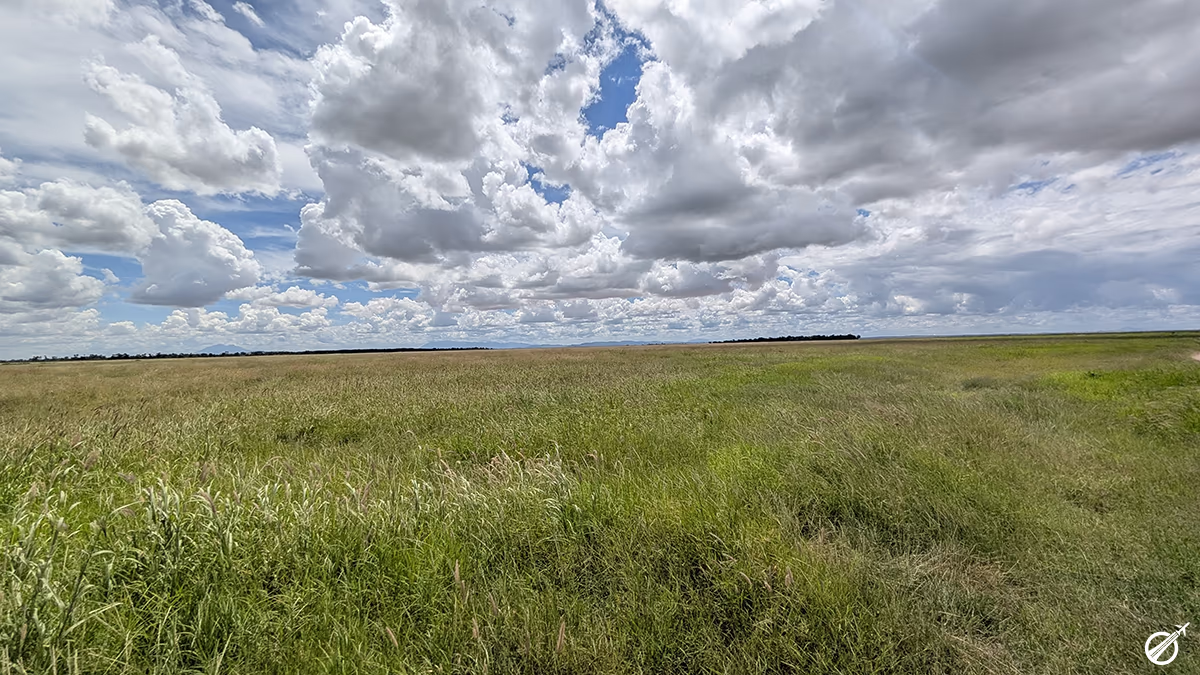
After flight disruptions and last-minute rerouting, we were thrilled to finally land in Kenya. On our first full day, we climbed into our Land Cruiser and embarked for Amboseli. Amboseli sits at the foot of Mount Kilimanjaro, Africa's highest peak. Fed by subterranean rivers flowing from the mountain's ancient glaciers, the park's lush green marshes sustain an incredible abundance of wildlife amidst dry, sun-baked plains.
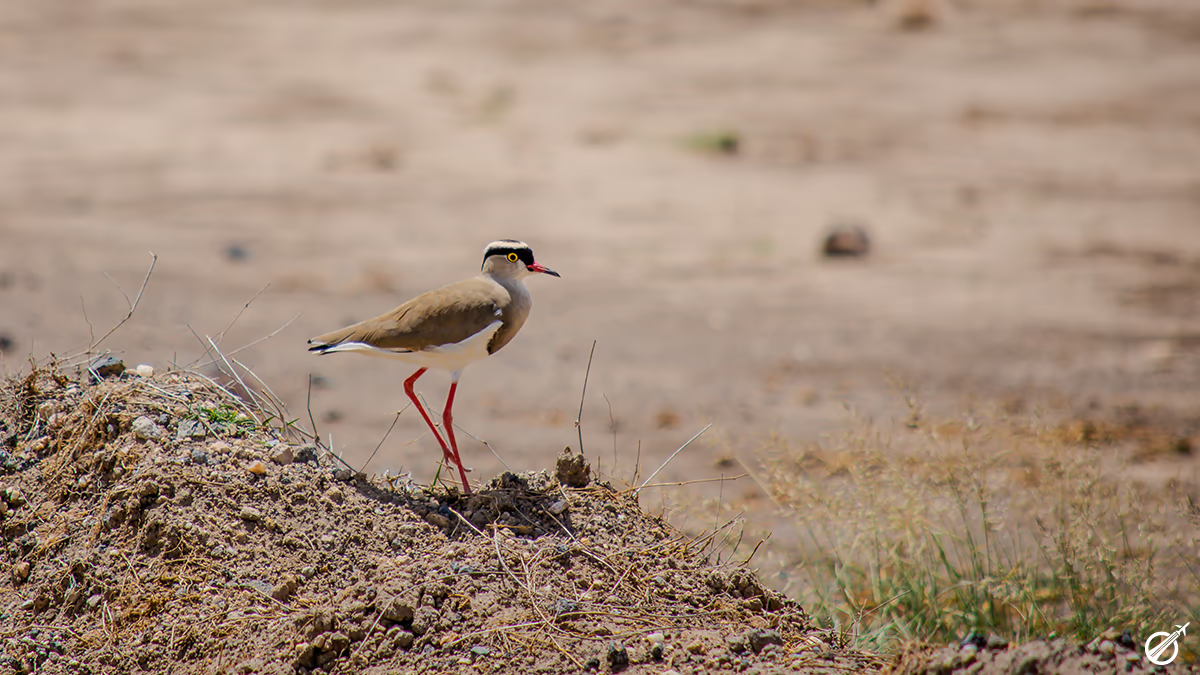
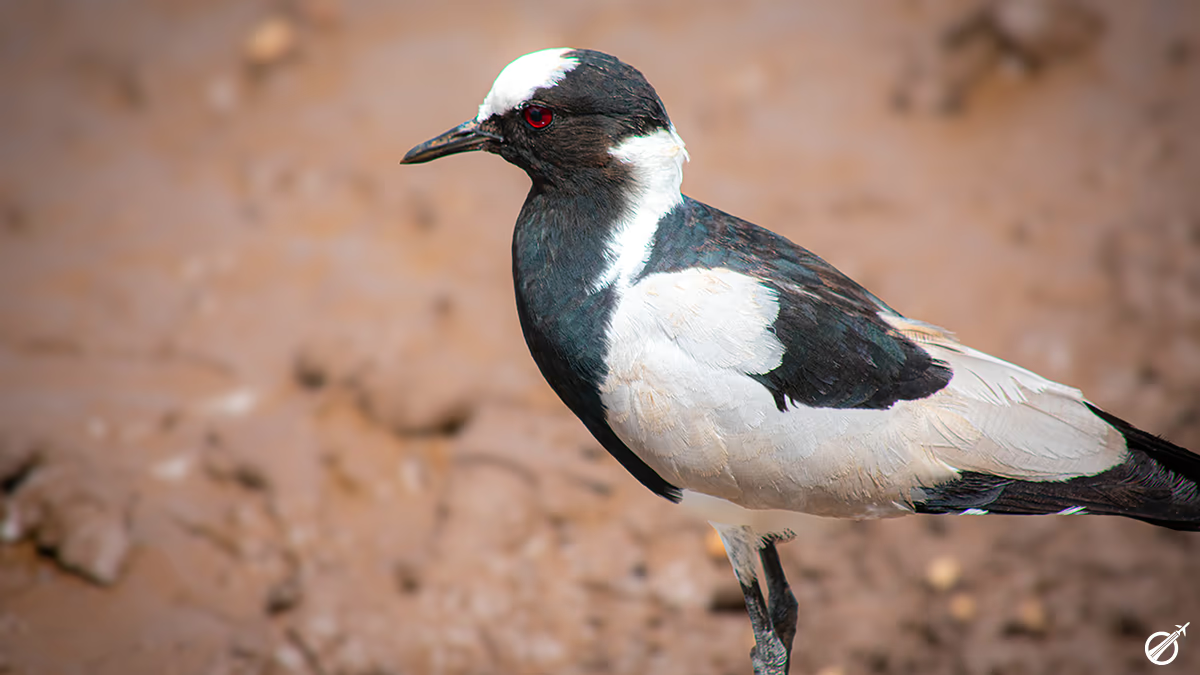
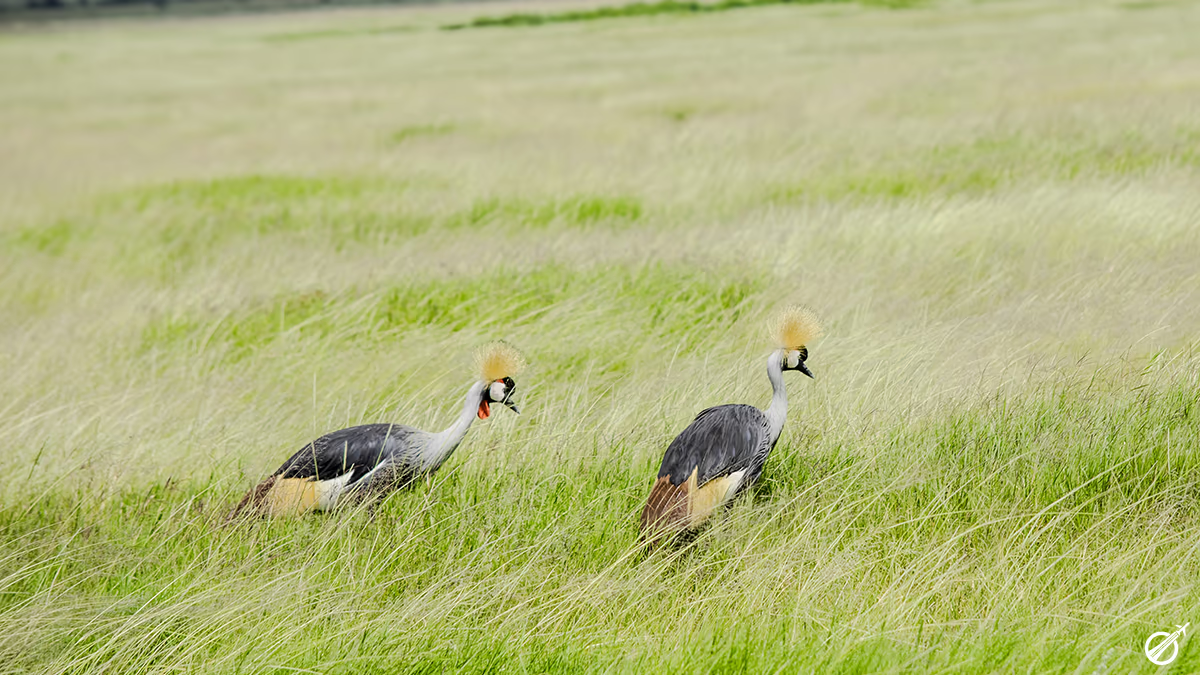
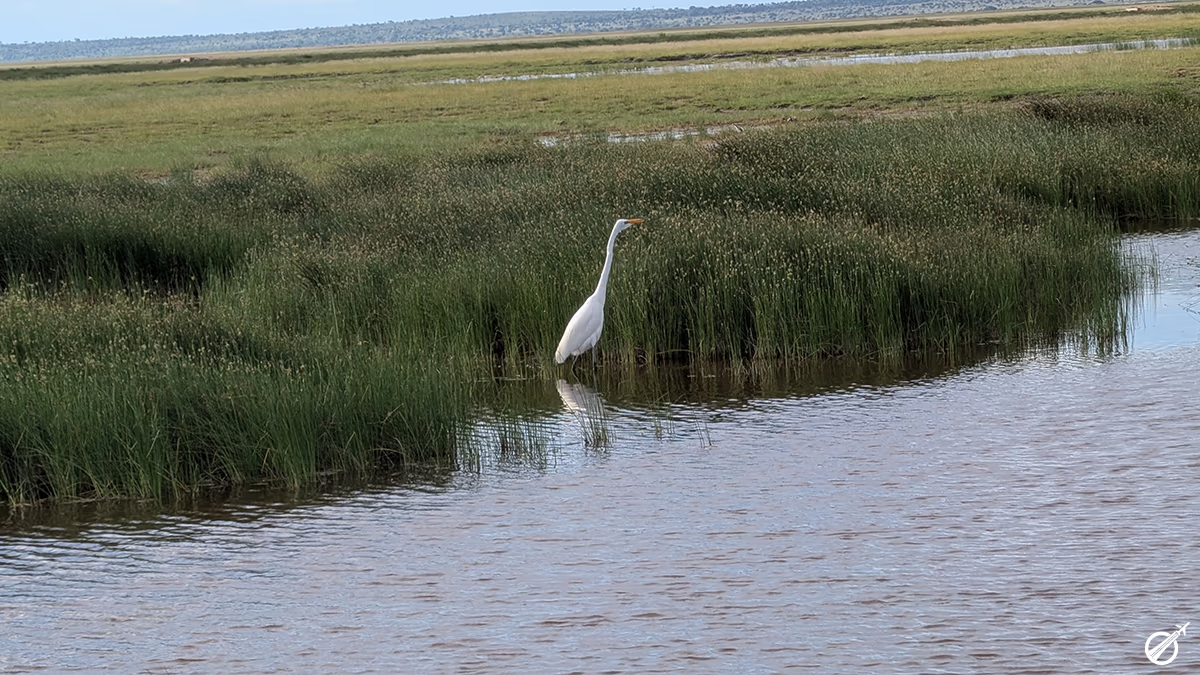
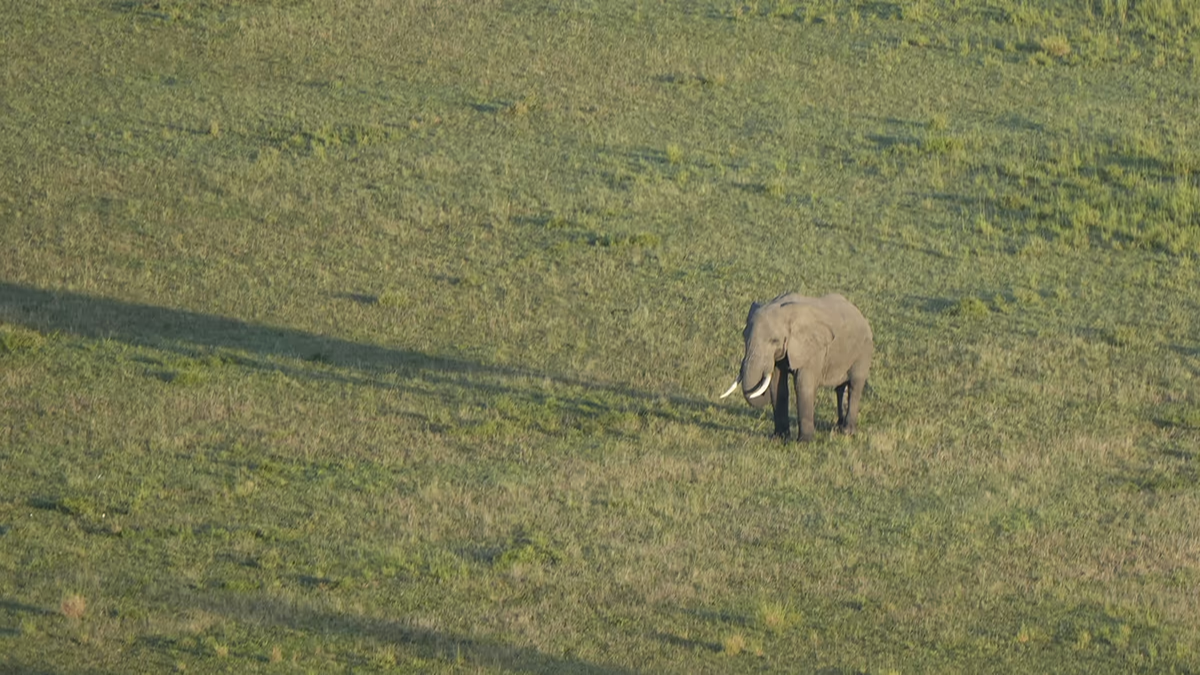
Amboseli is famous for its large elephant herds, which are often seen roaming freely through the open plains. It was home to Craig, the 54-year old famous "super tusker" that passed away earlier this year. While the herds of elephants eluded us this time, we did see some, and Amboseli also held another unexpected gem: lots of birds. For anyone who loves spotting beautiful birds, this is a must-see destination.


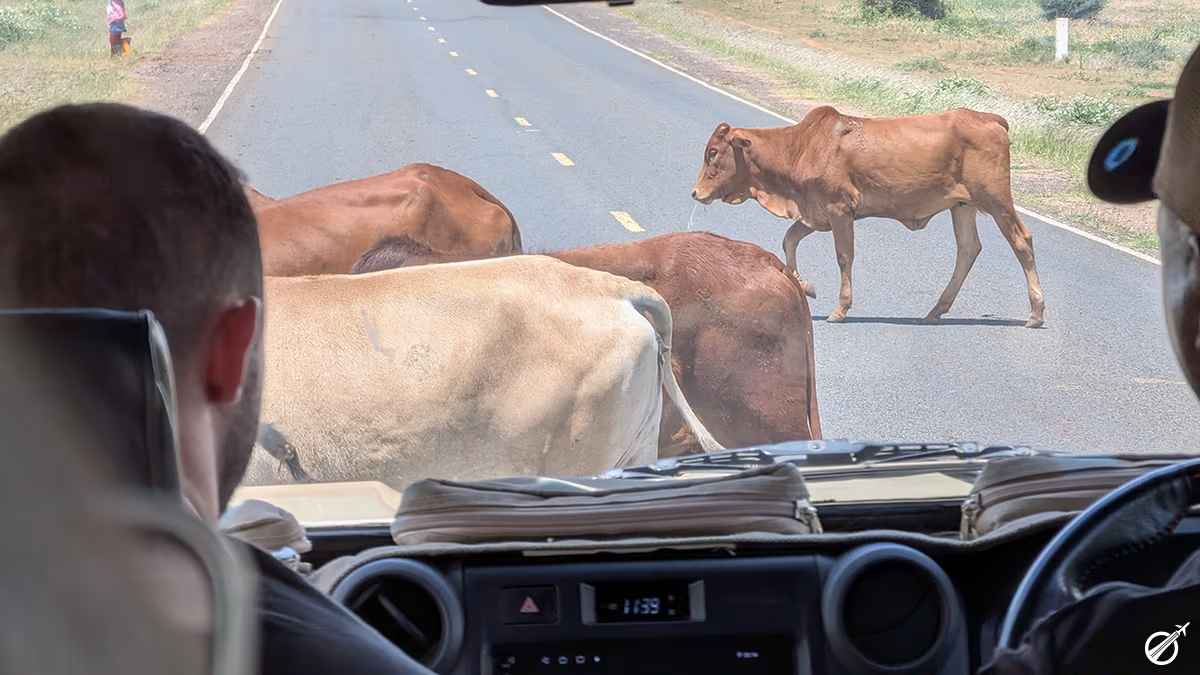


As we drove toward southeastern Kenya, we were treated to a classic Kenyan roadside scene: a herd of cattle, guided by herders on foot, meandering across the road. In Kenya's countryside, modern life intertwines tightly with the traditions of the land. People make a living any way they can - from using their small motorbikes as taxis and trucks (carrying everything from boxes to livestock), or setting up humble shops and shanties selling what they can to get enough for basic needs.
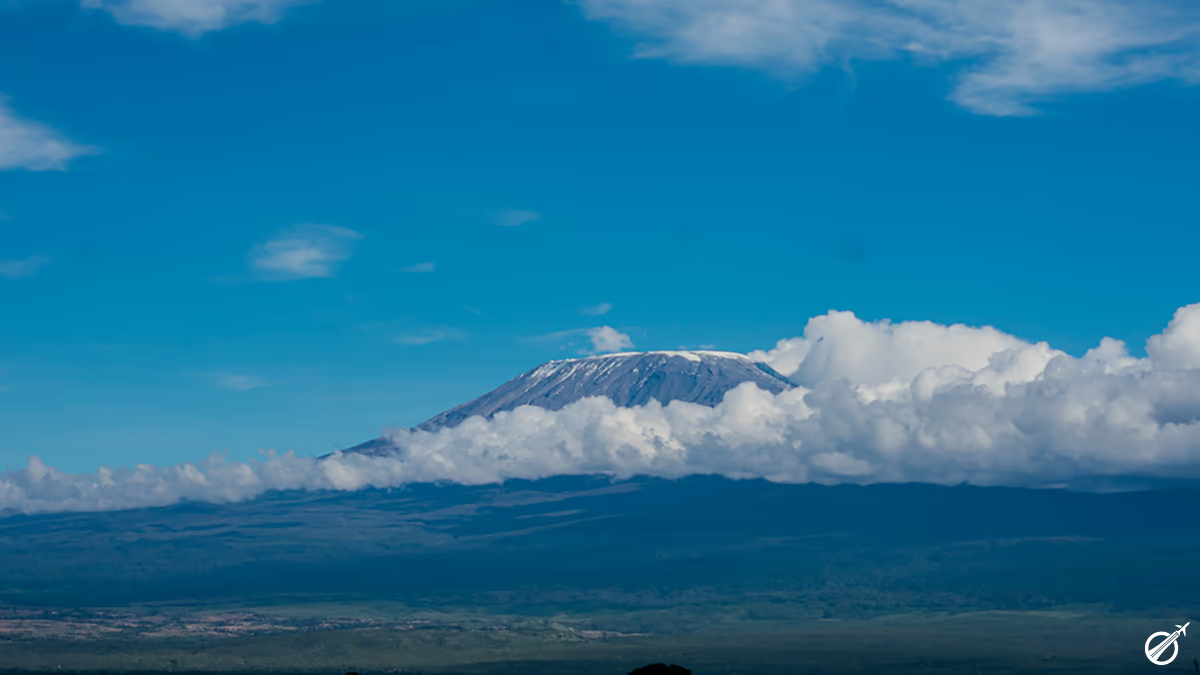
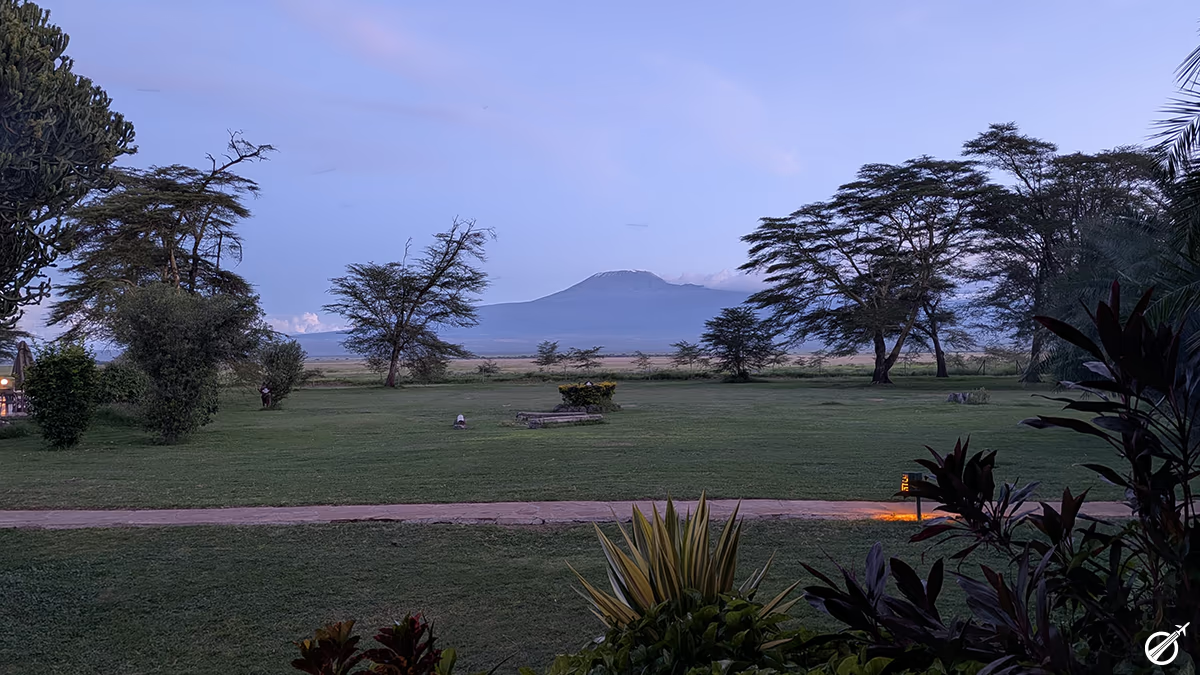
Approaching Amboseli, Mount Kilimanjaro begins to reveal herself. At over 19,000 feet, she is a behemoth that dominates the landscape. Clouds often shroud her peak, but as we drove toward the park, we were treated to a rare and majestic sight: the entire mountain, snow-capped and majestic, revealed in all her glory.






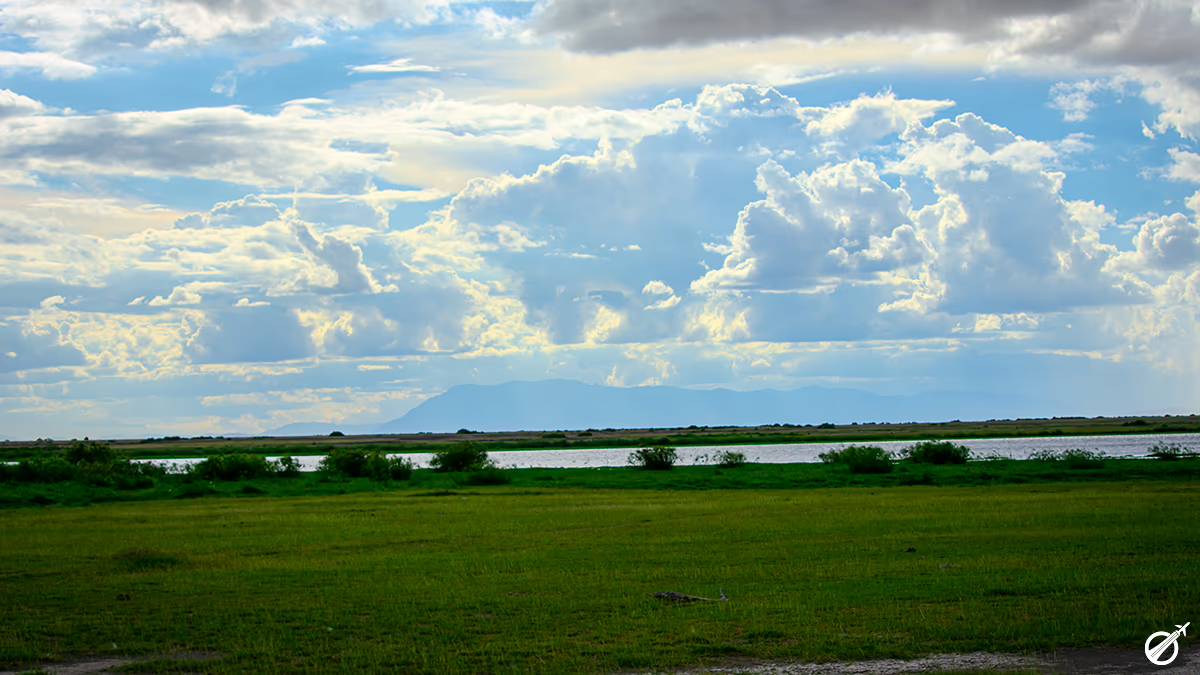
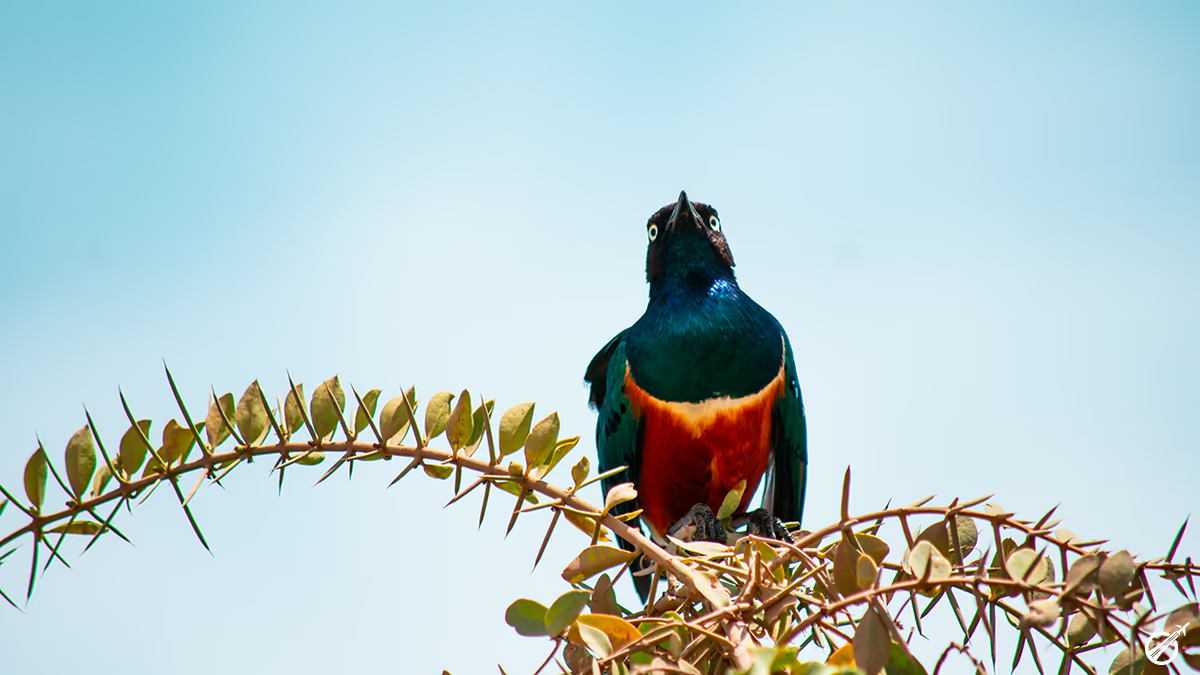
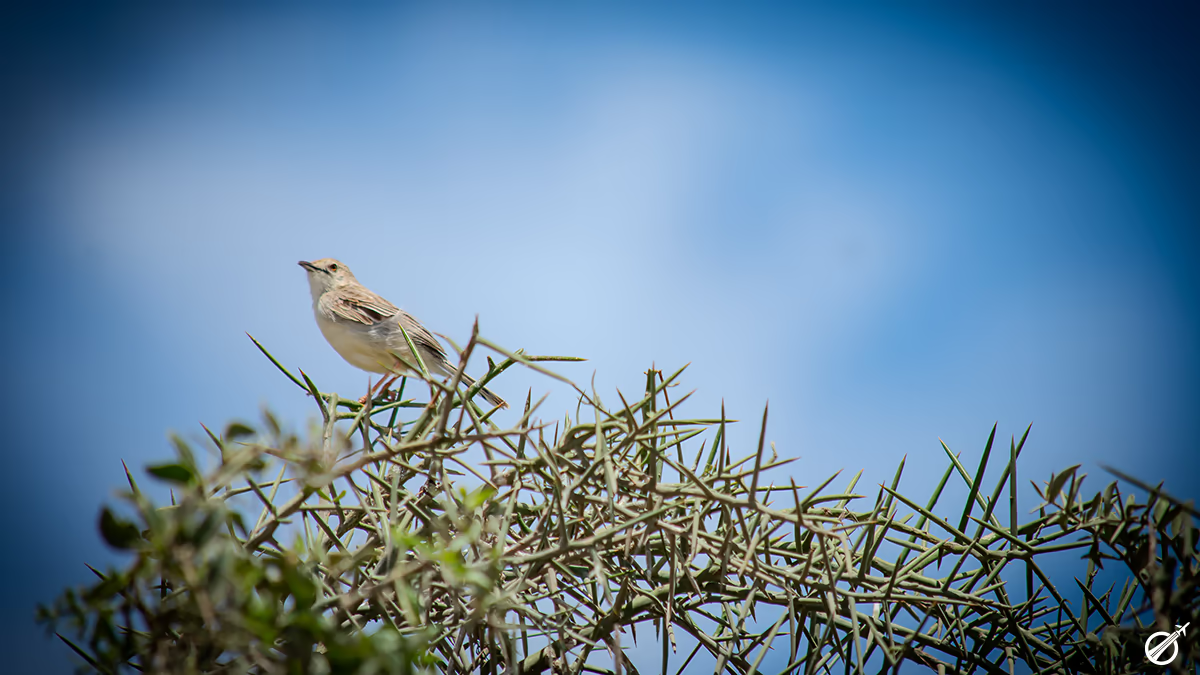
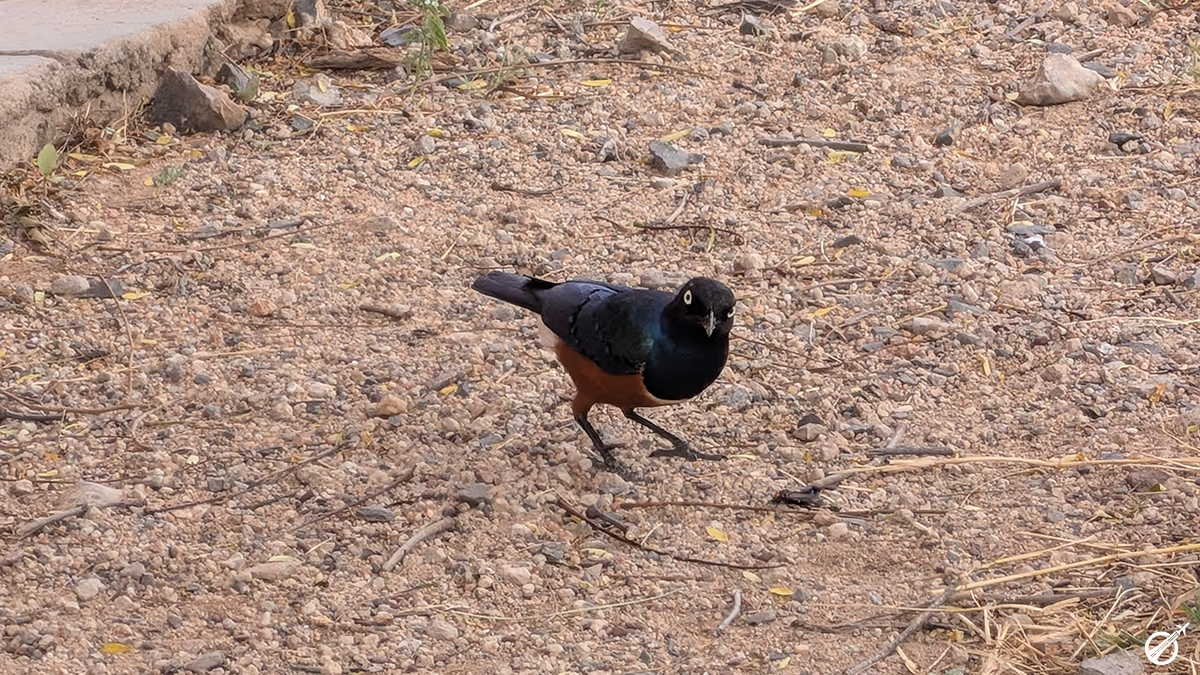
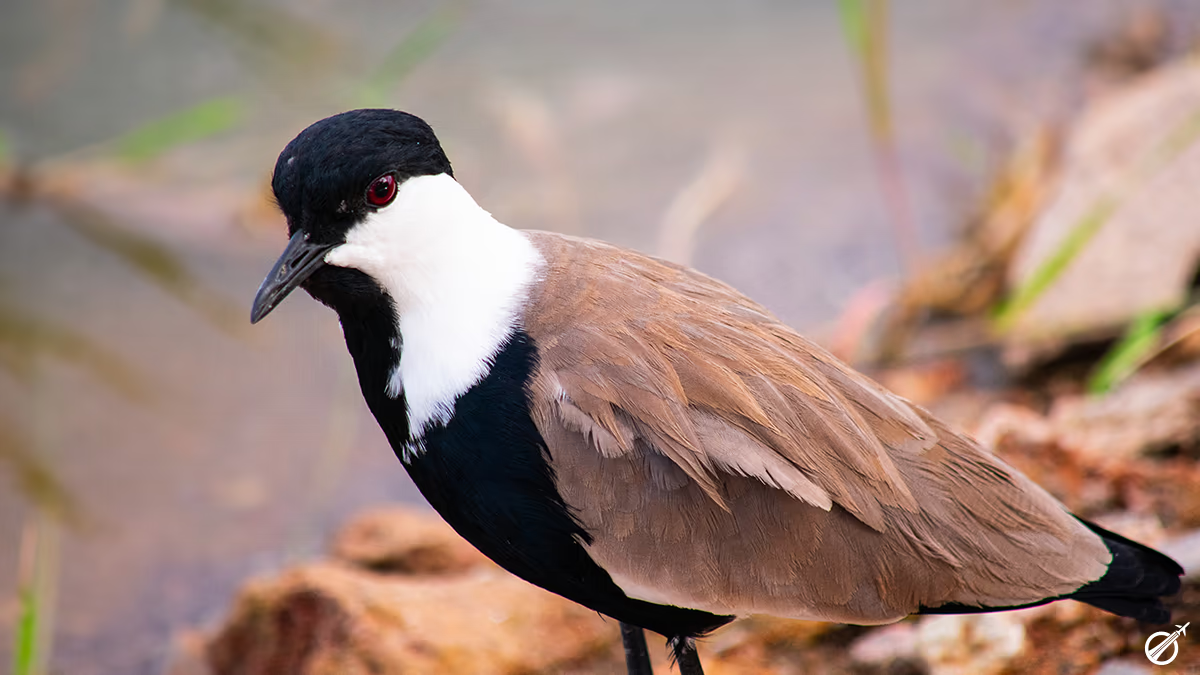
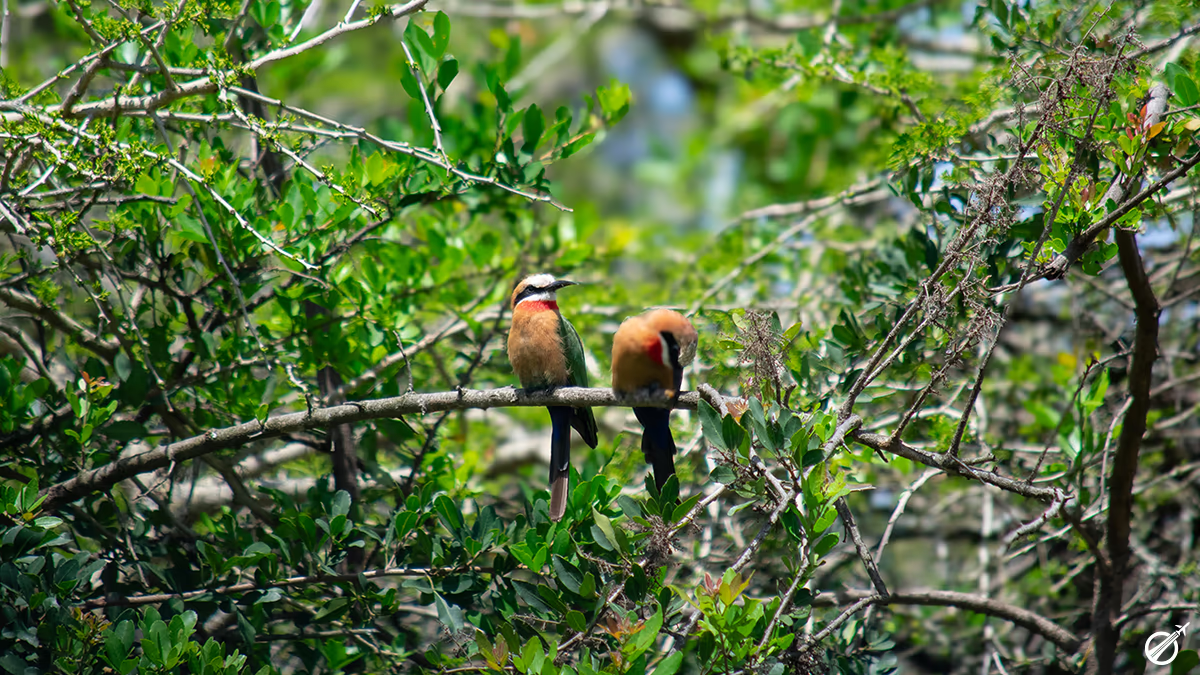
Amboseli is a birdwatcher's dream. The most colorful specimens, from the smallest weavers spinning their nests in the high boughs of acacia, to the elegant waterfowl prancing through the marsh.





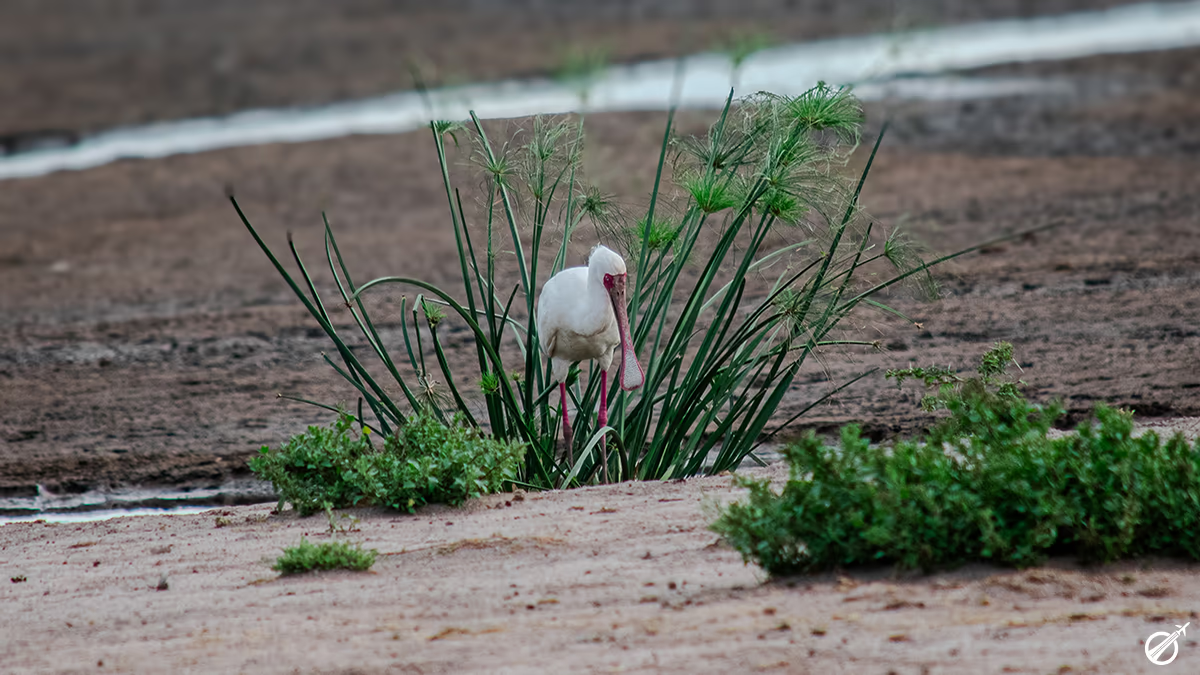
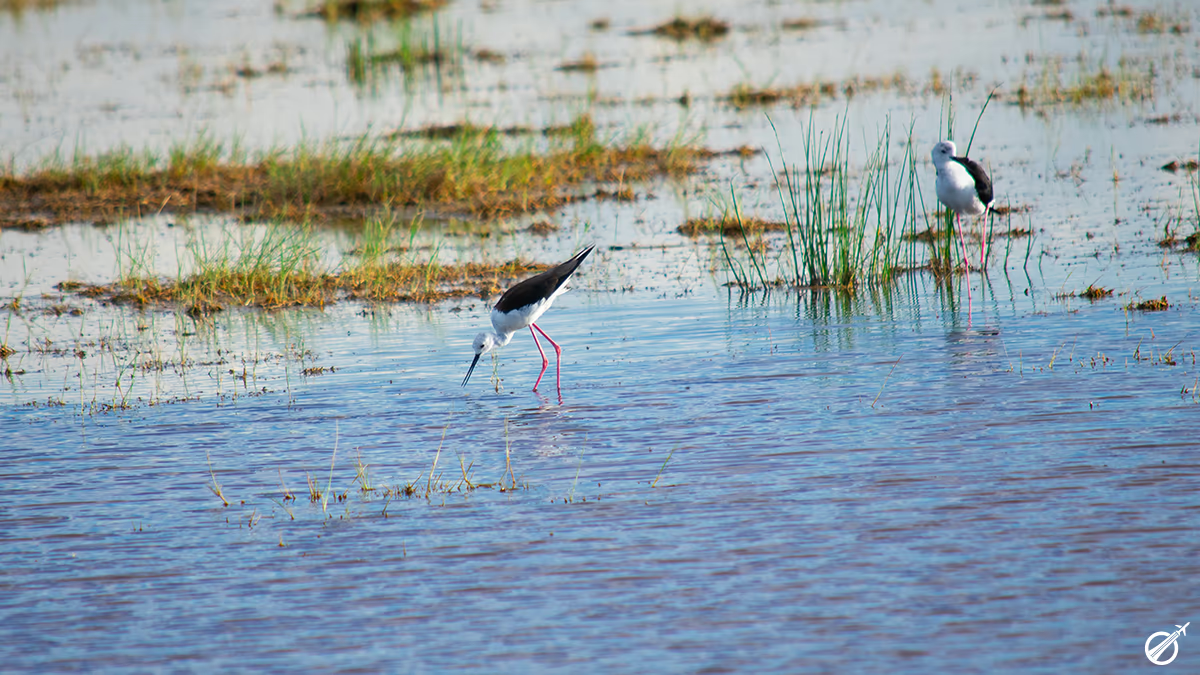
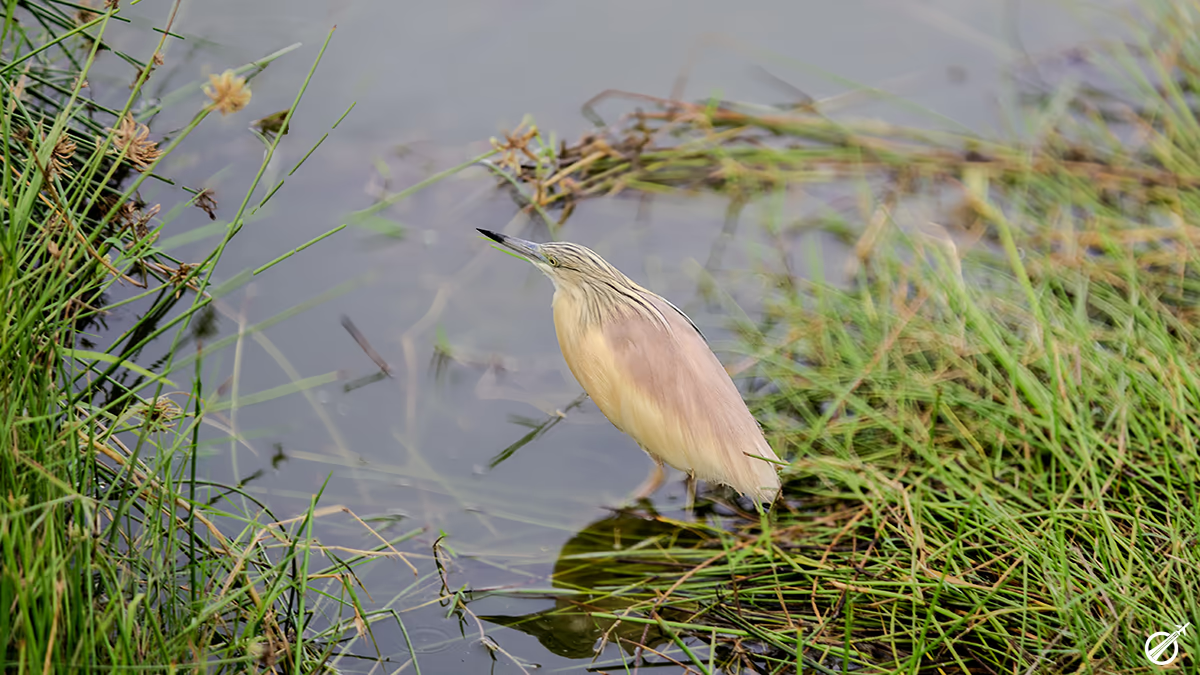
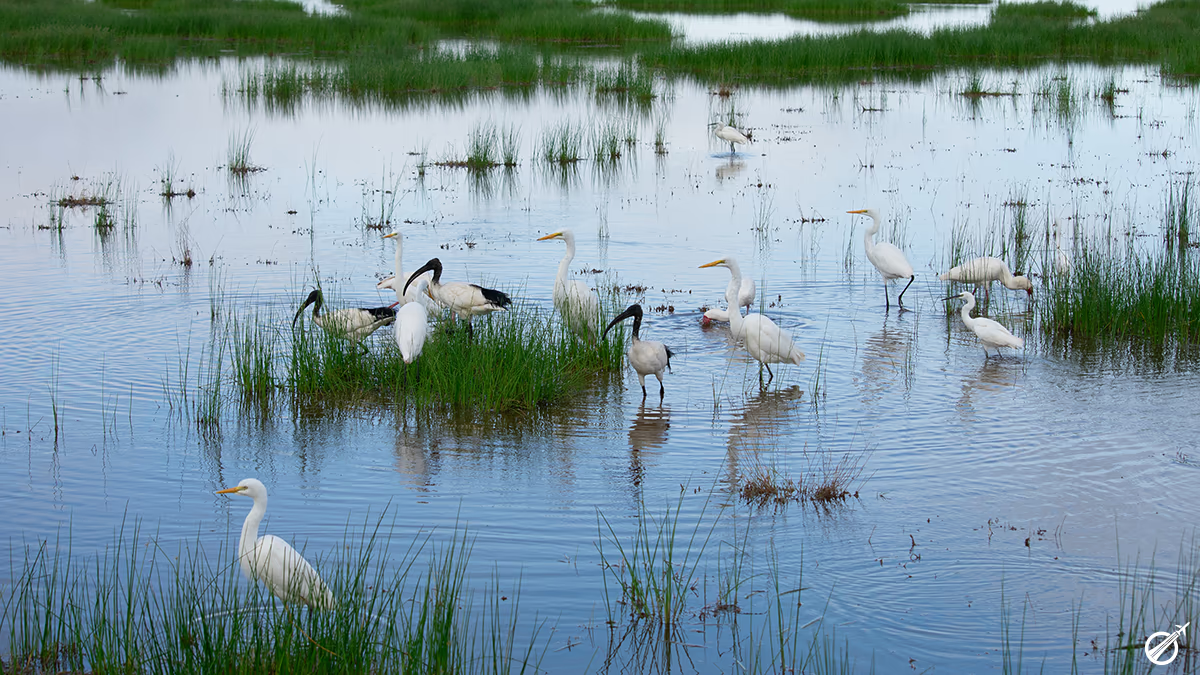

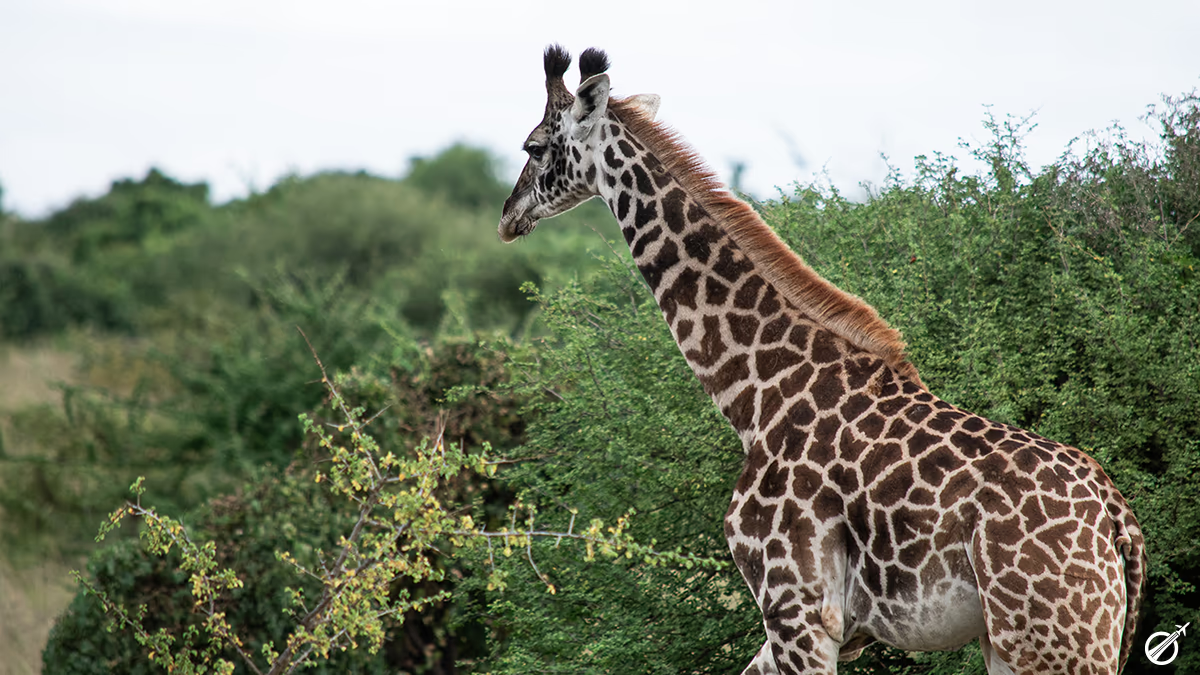
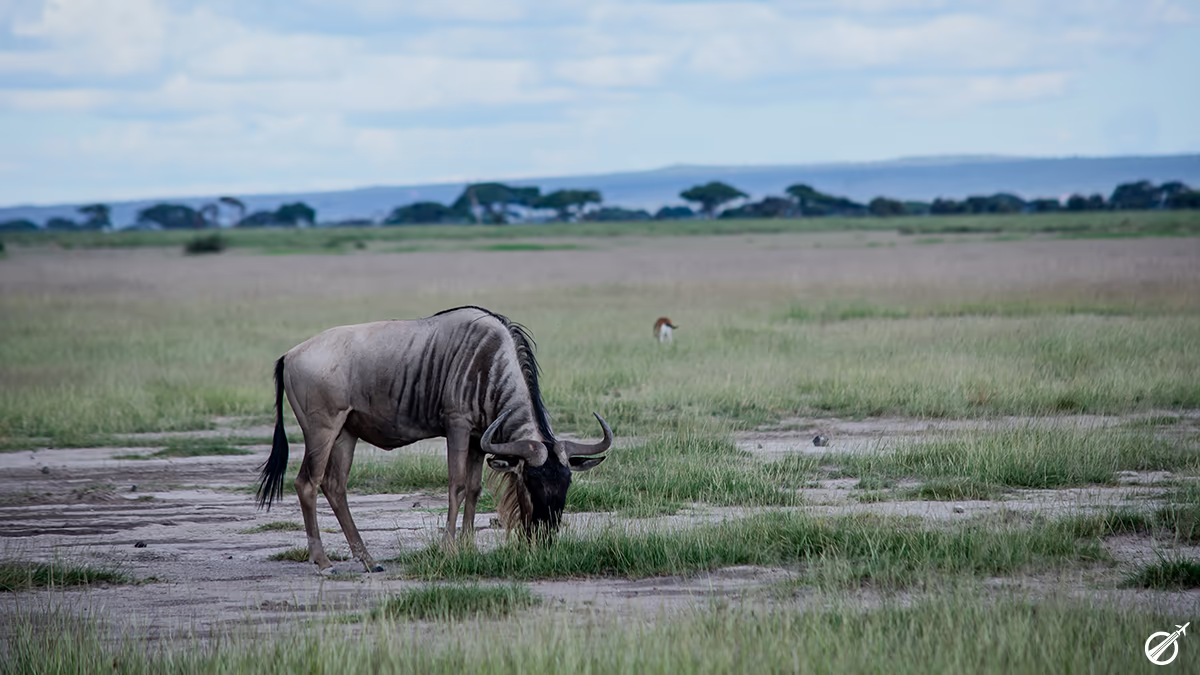
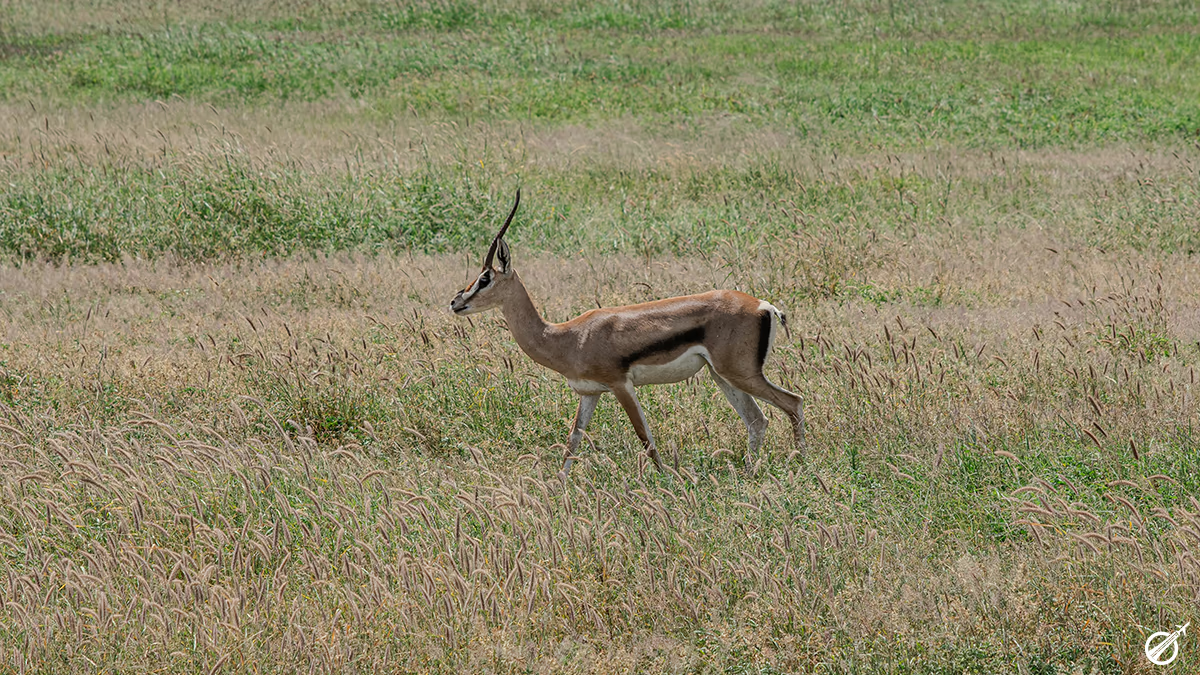
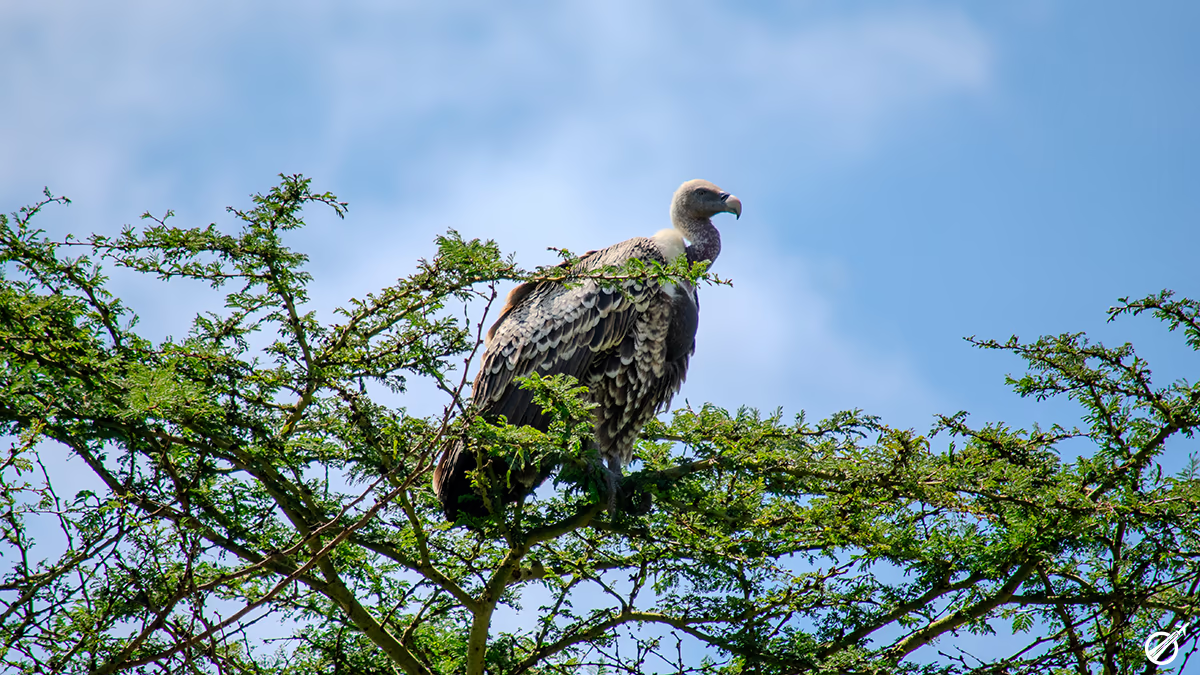
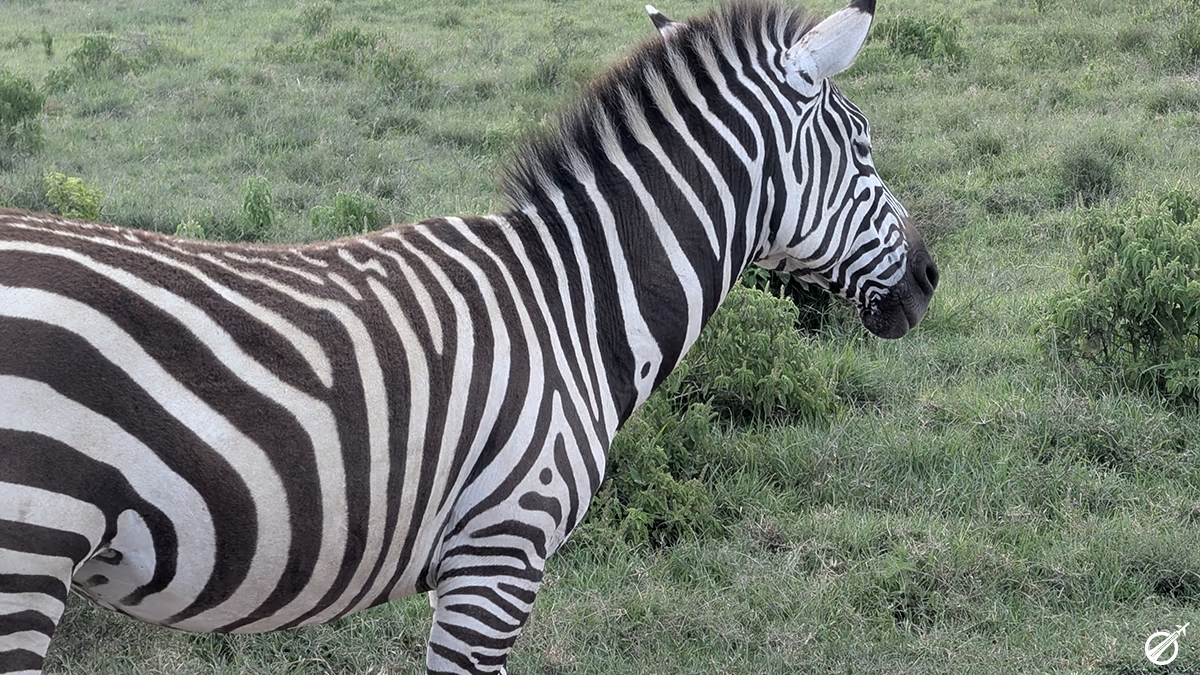
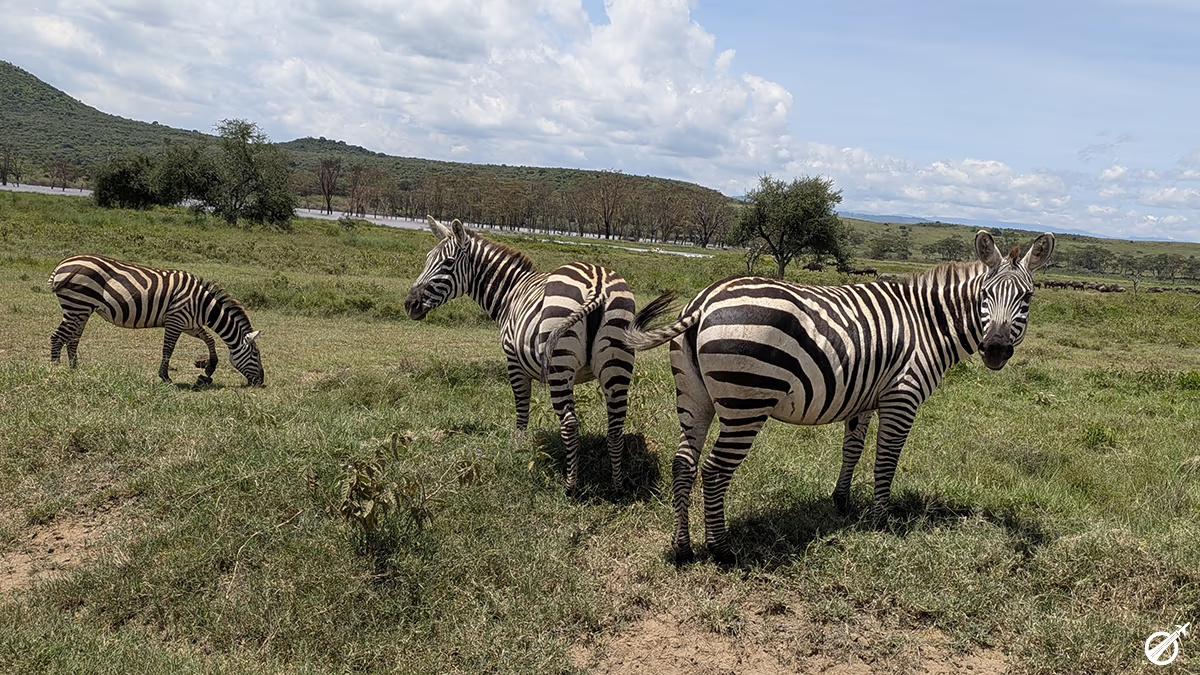
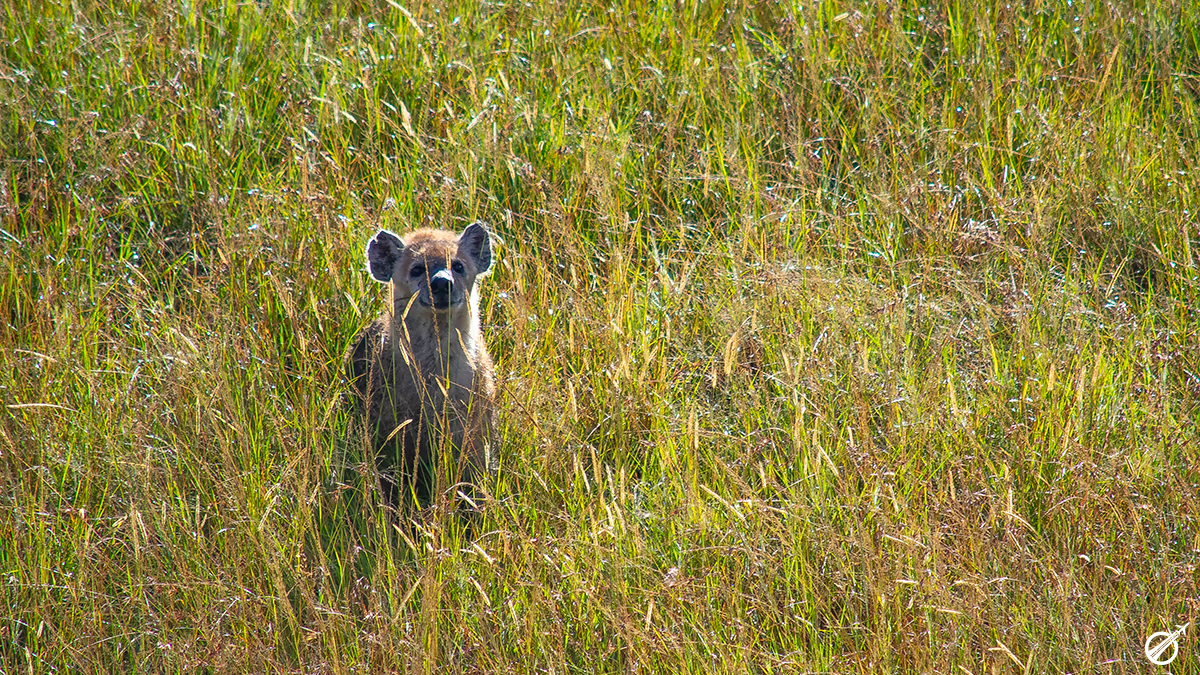
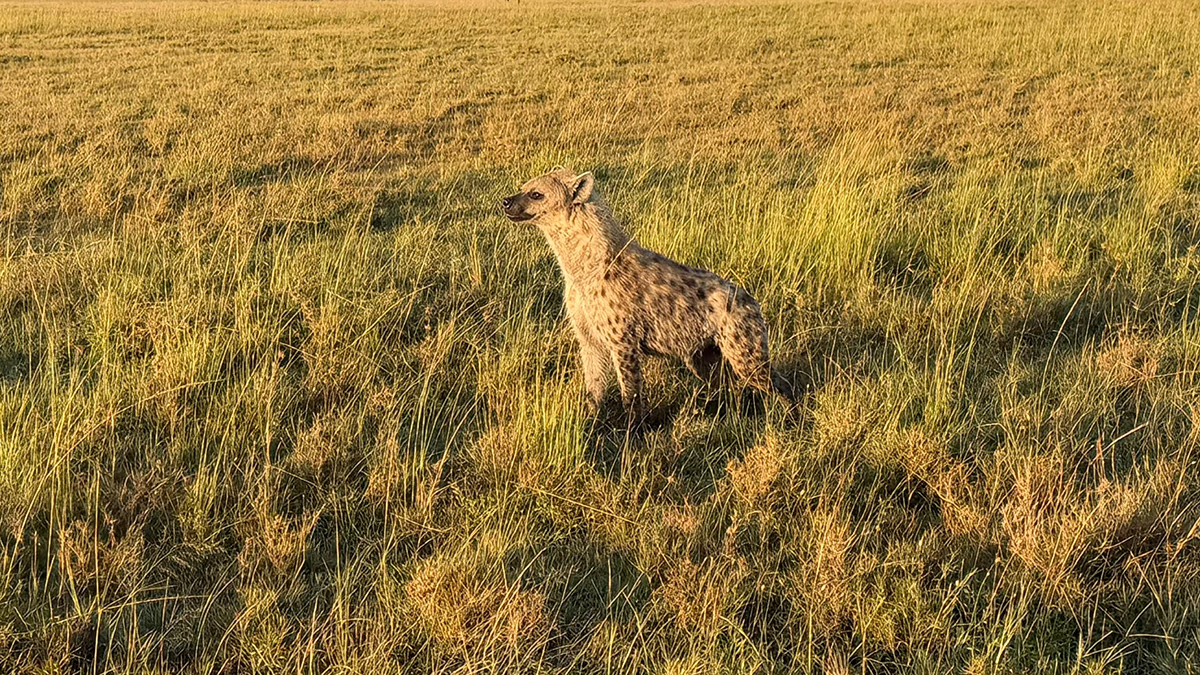
The grasslands here are home to iconic wildlife. For Kenya safaris there are many lists to check off, from the Big 5—lion, elephant, cape buffalo, rhino, and the ever elusive leopard—to the Big 9—adding cheetah, giraffe, hippopotamus, and zebra. Then you have the Ugly 5 of wildebeest, warthog, vulture, hyena, and marabou stork. You'll need eagle eyes for the Little 5, lots of time and patience for the Shy 5, and great luck for the Impossible 5.
On the first day of safari, eagerness and excitement soaks through our Land Cruiser. We want to see them all, and despite getting several checked off, there's a sense of urgency to see it all. Will we or won't we, and will it still be a successful trip if we can't find some of the most elusive of the lists? But then we remind ourselves - this is only the first day, and there is so much more to see. Patiences, eager traveler; have patience, and stay alert.




Chapter 2: A Special Invitation to Lekuruki Village
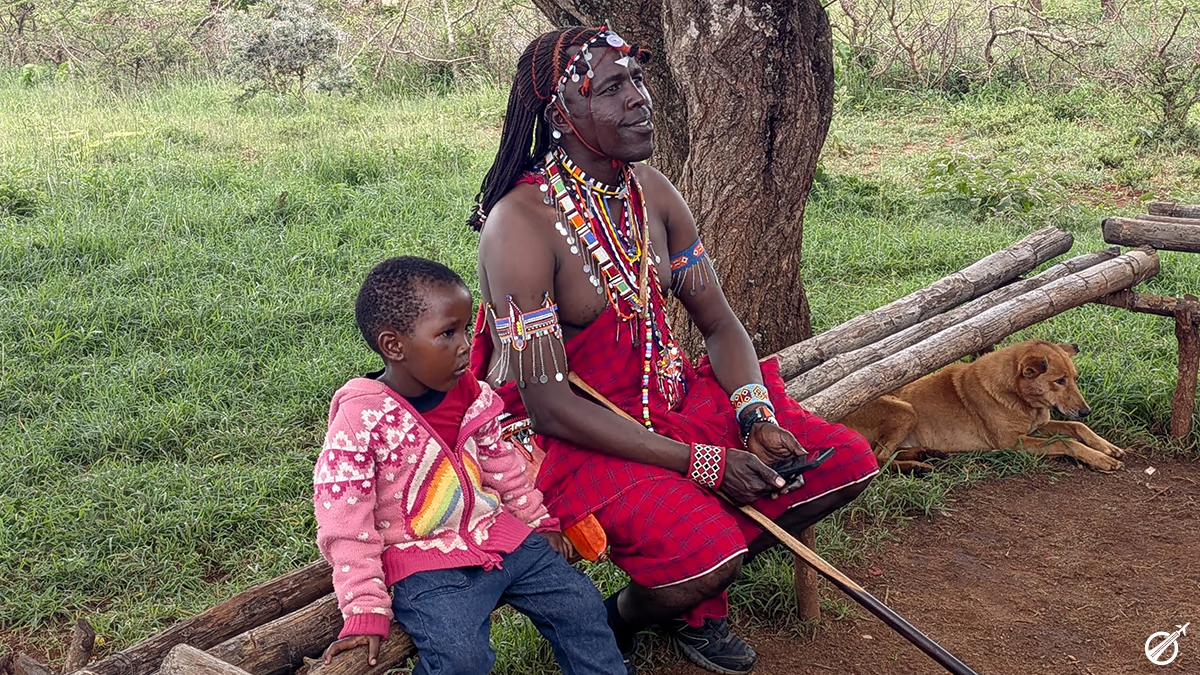
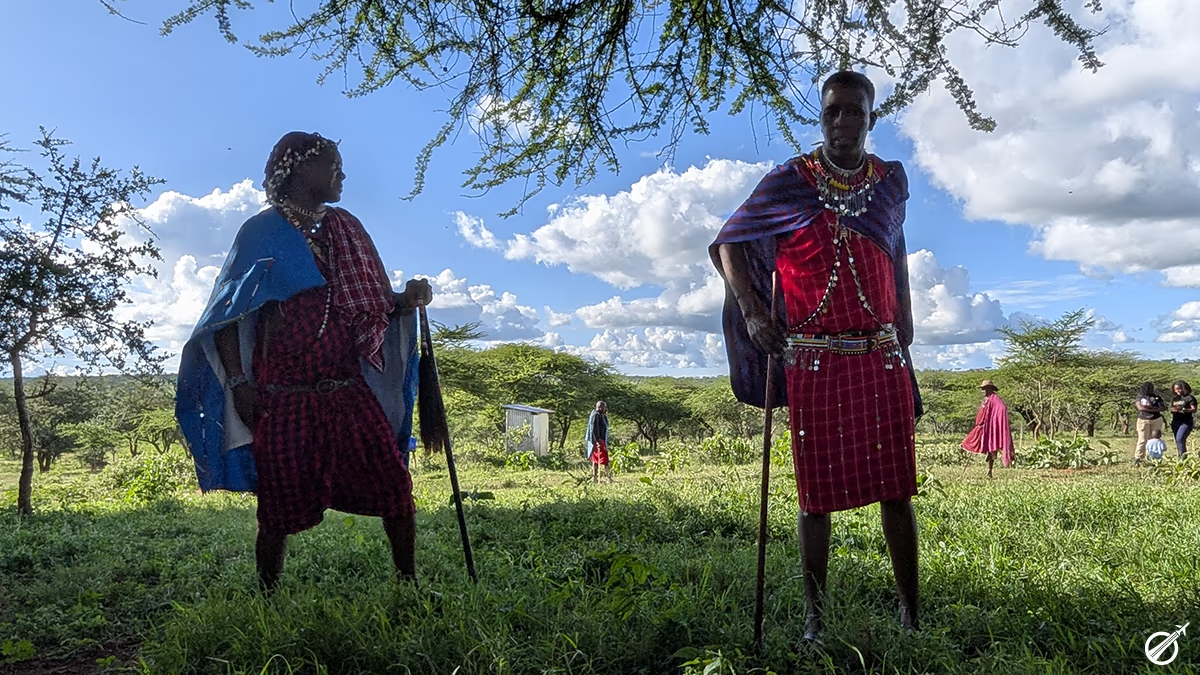
The Maasai people are deeply connected to the land and their livestock. As the world around them has changed, and modern civilization presses in on them from all sides, they've found ways to adapt while maintaining their unique ways of life. For some, this often means selling trinkets and artworks at the gates to national parks, or staging performative experiences that appeal to common tourists. But others, like those in the Lekuruki Village, hold tightly to their traditional ways of life, resisting change only for change's sake.
Our exclusive partner for Kenya, SKYIN, has developed a unique and special relationship with this village, and we're able to open doors not normally available on other safaris.
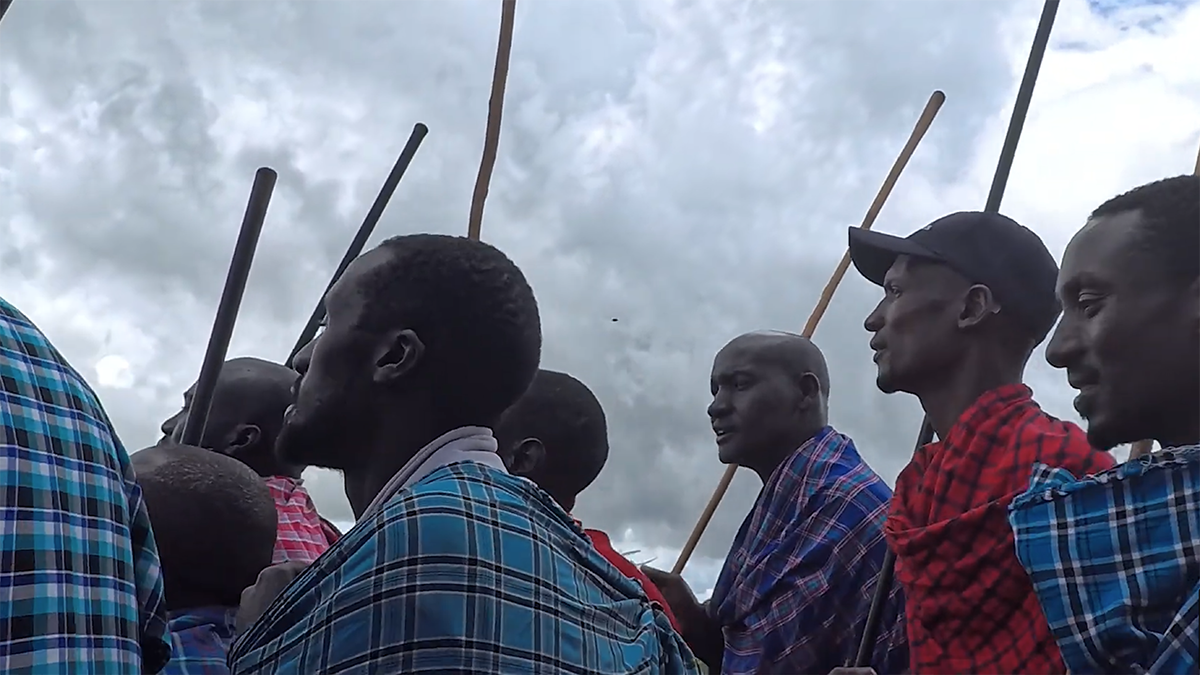
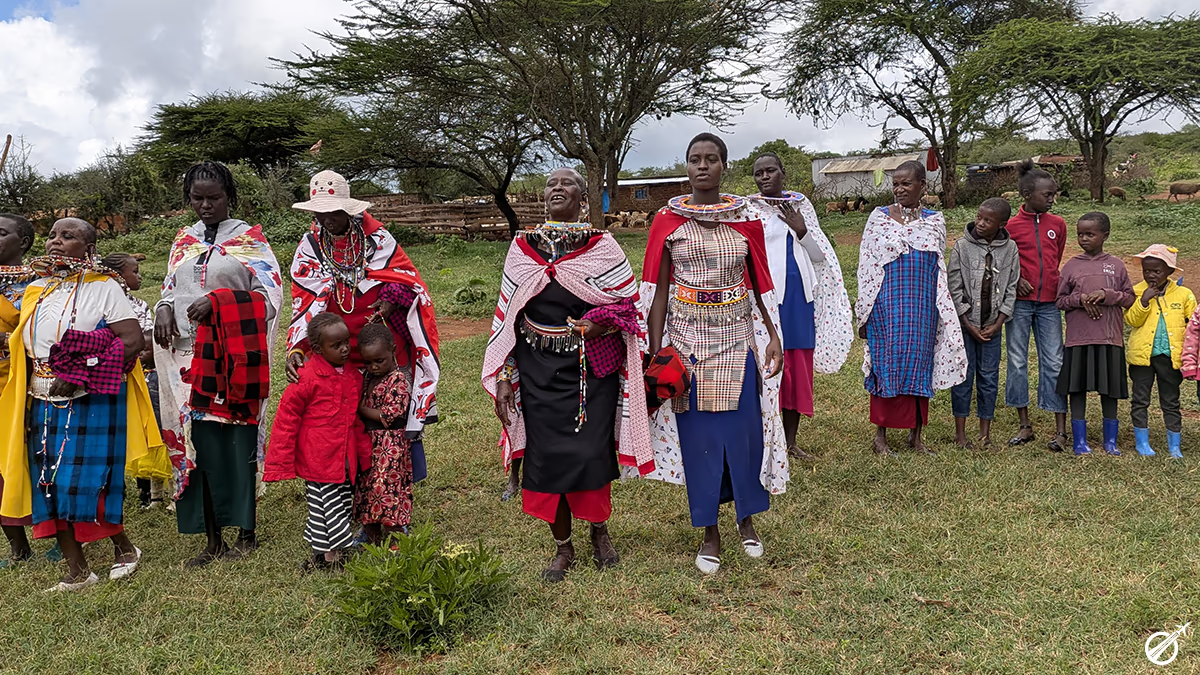
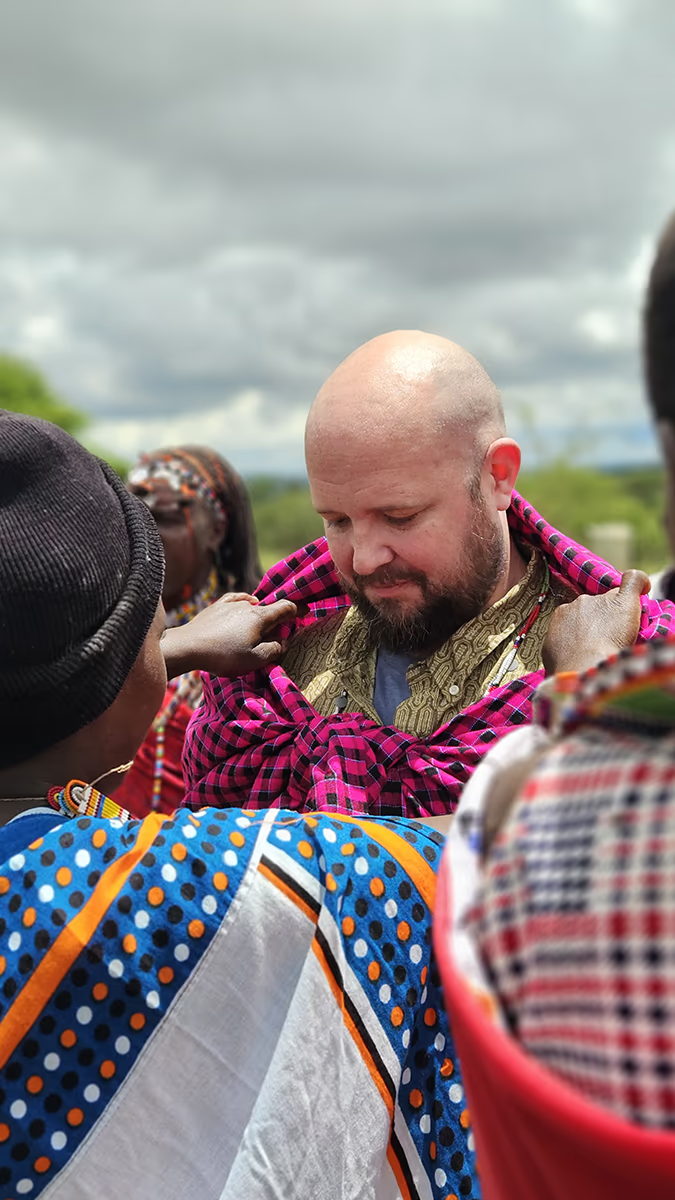
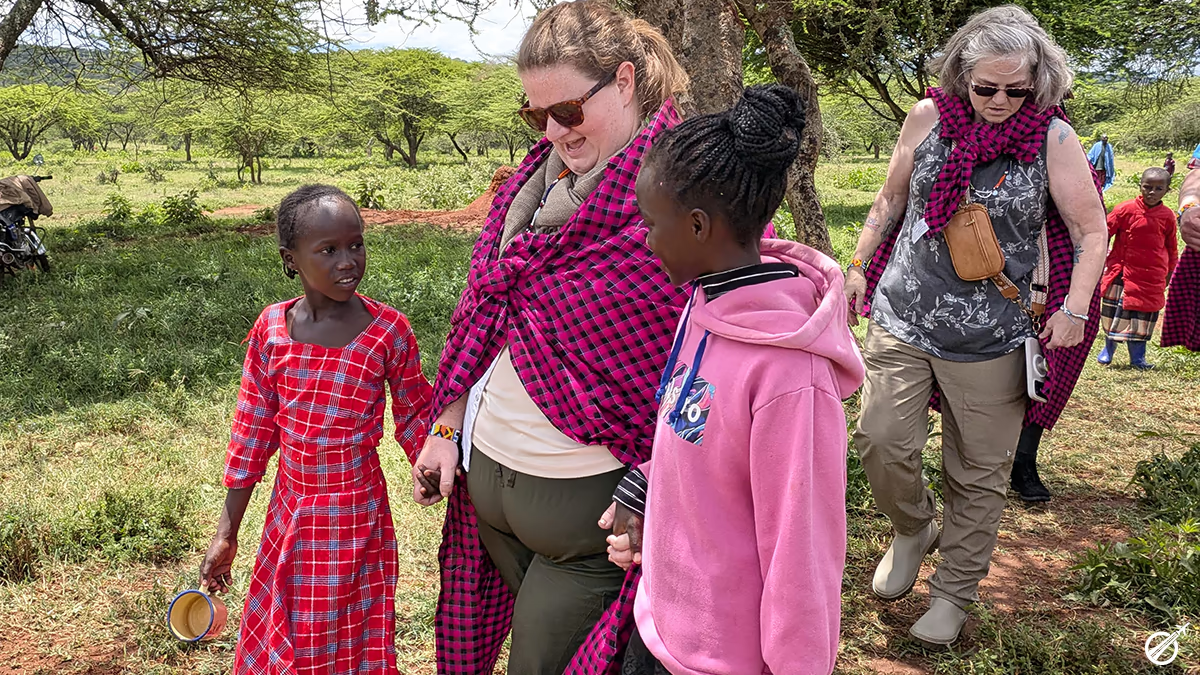
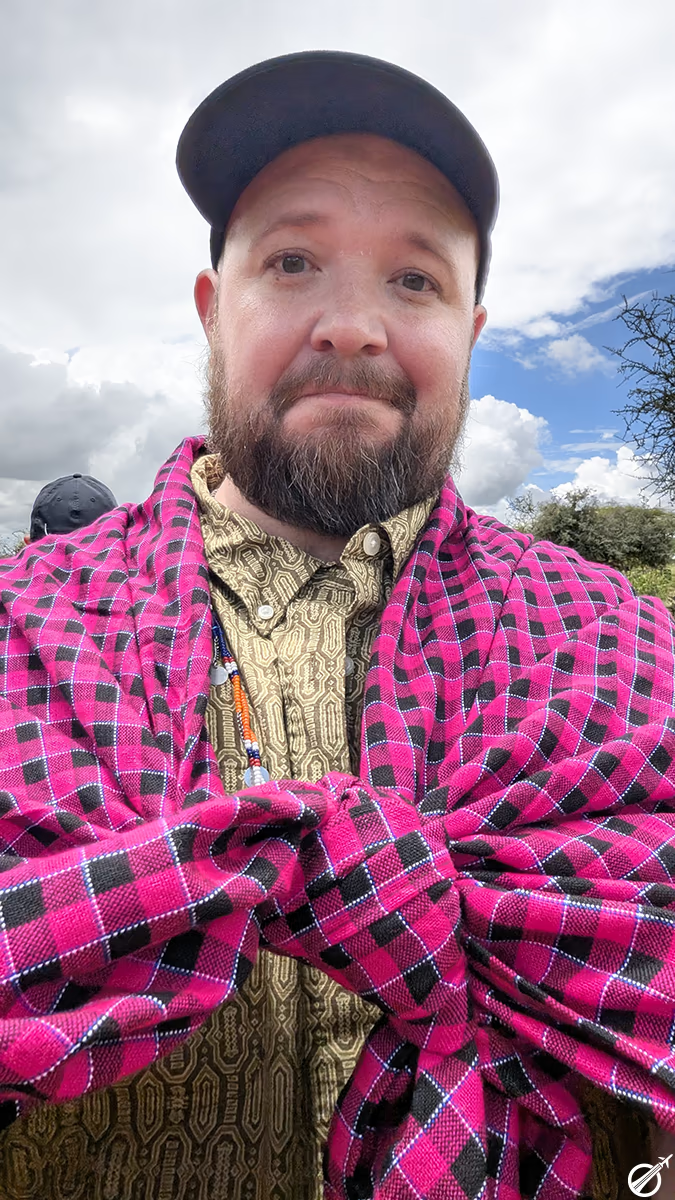
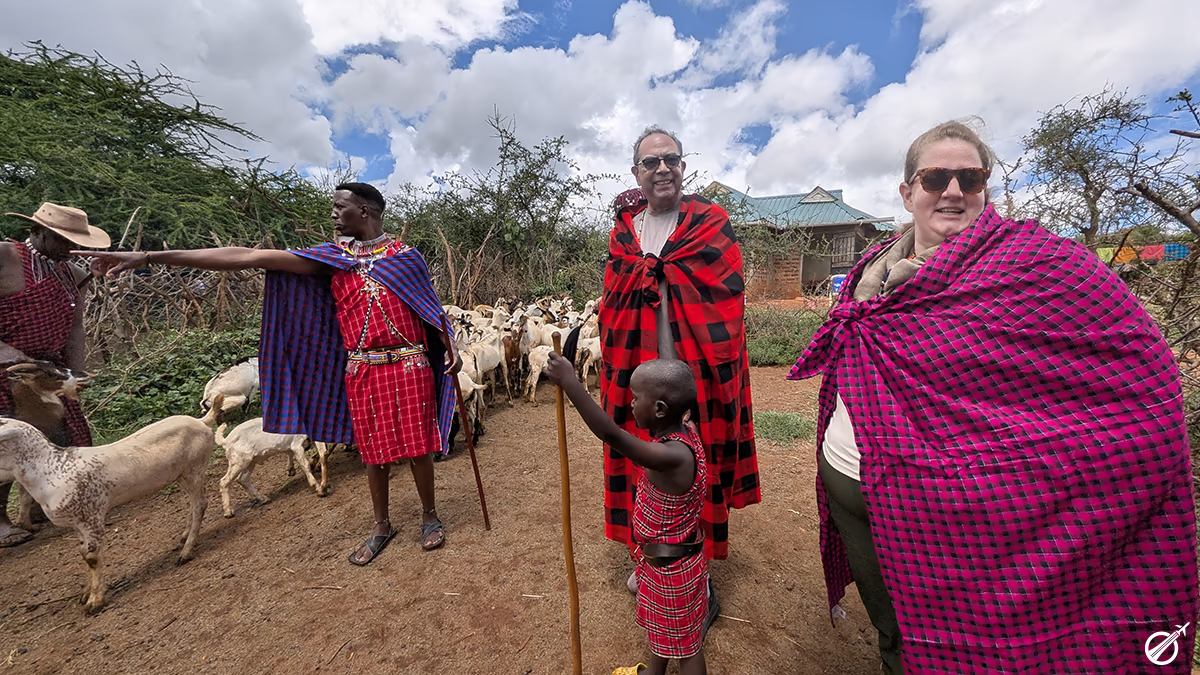
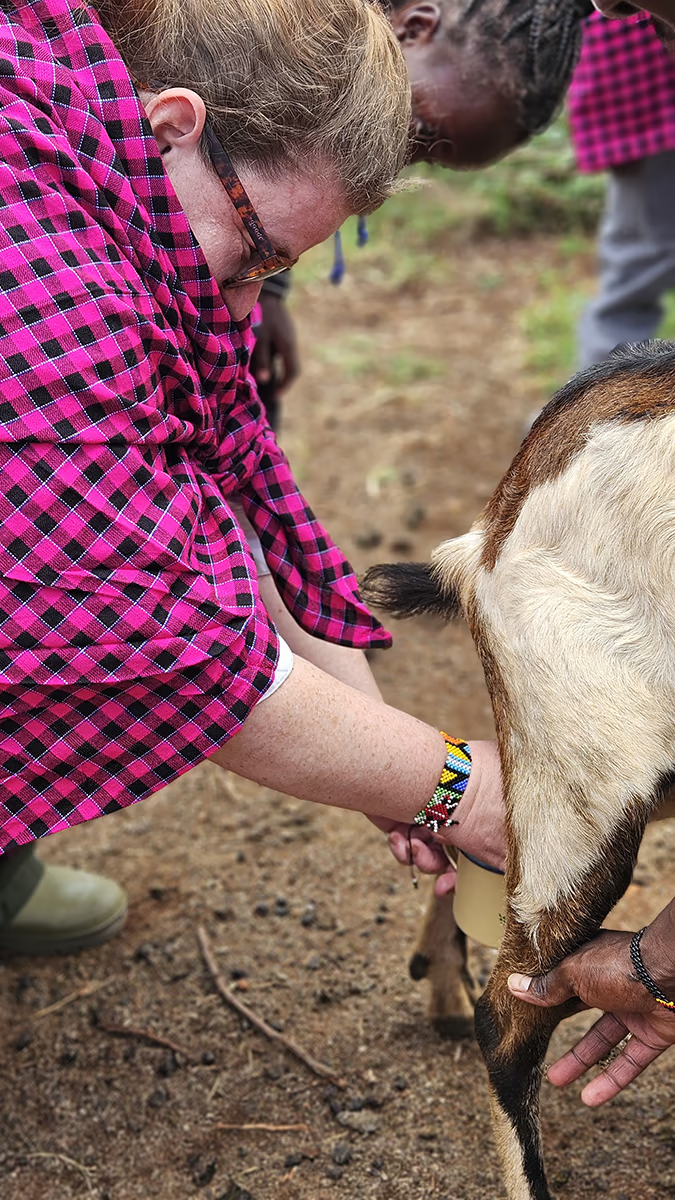
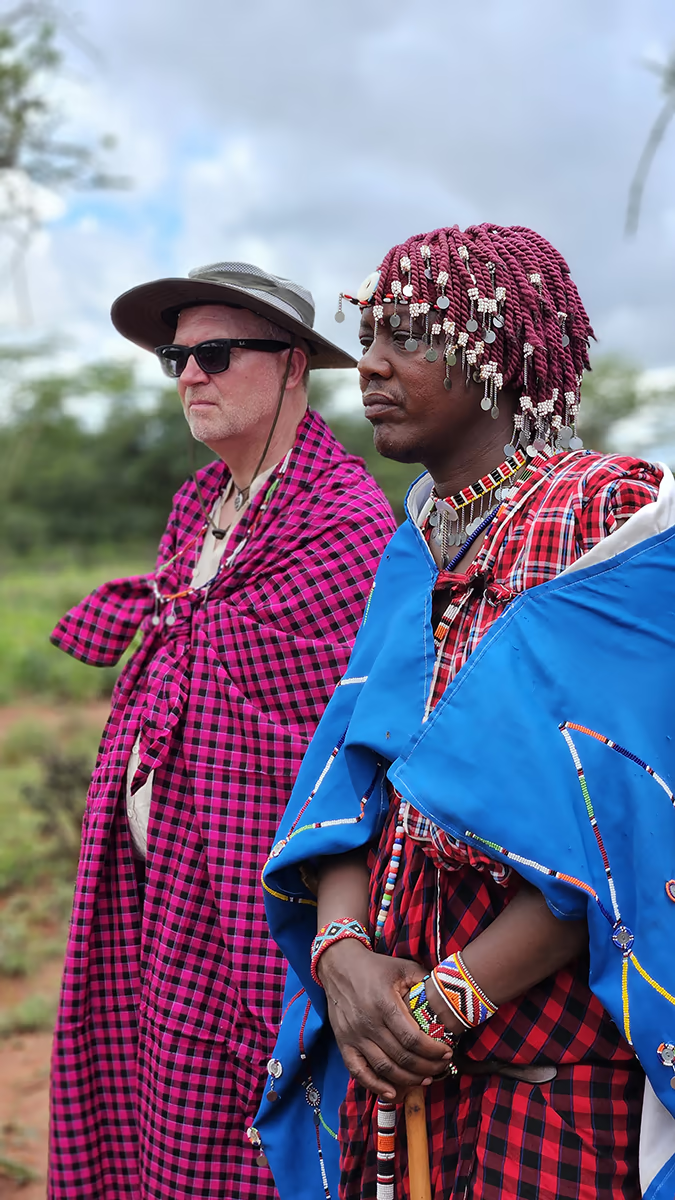
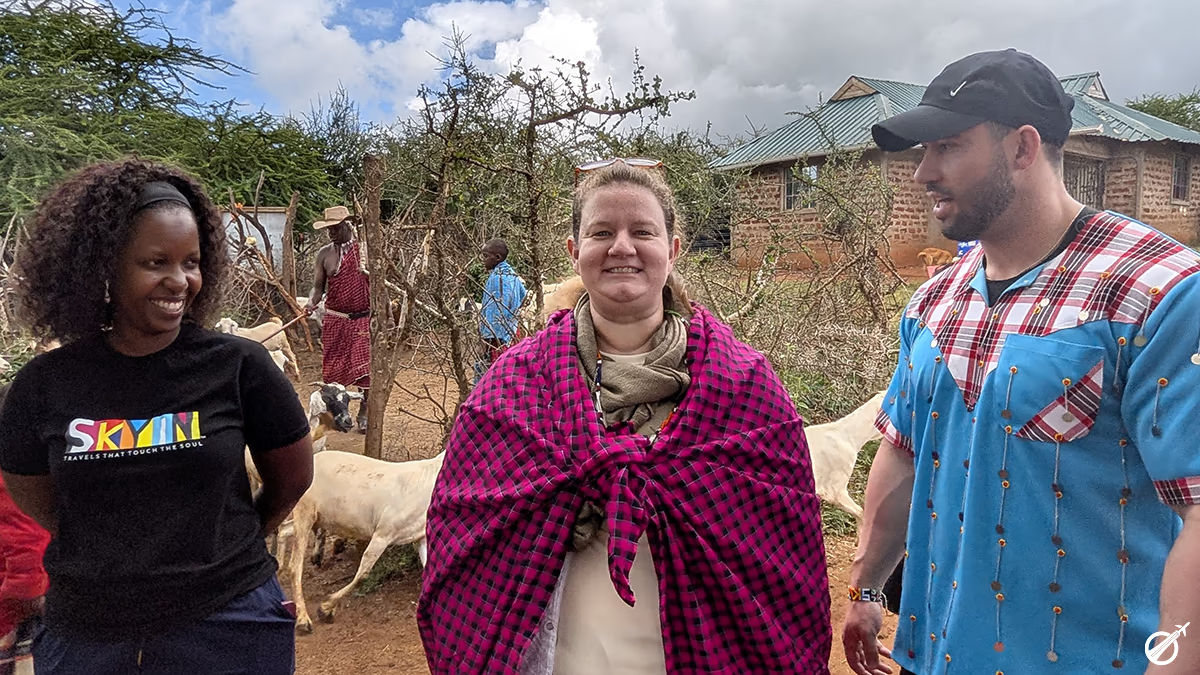
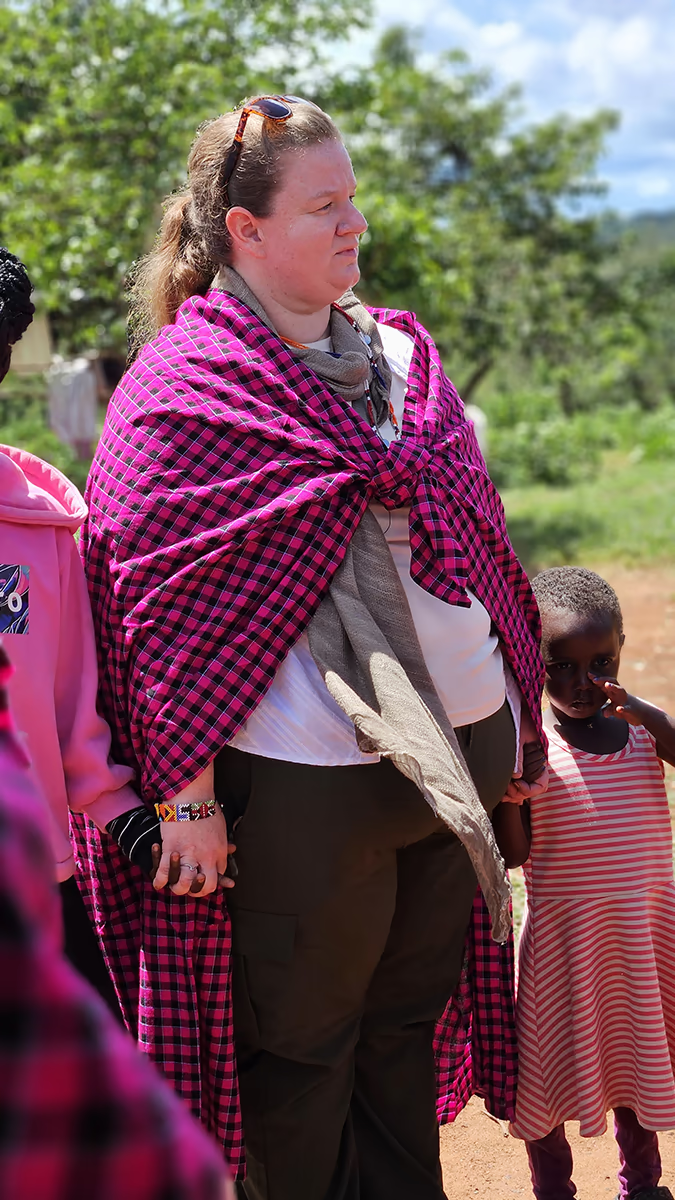
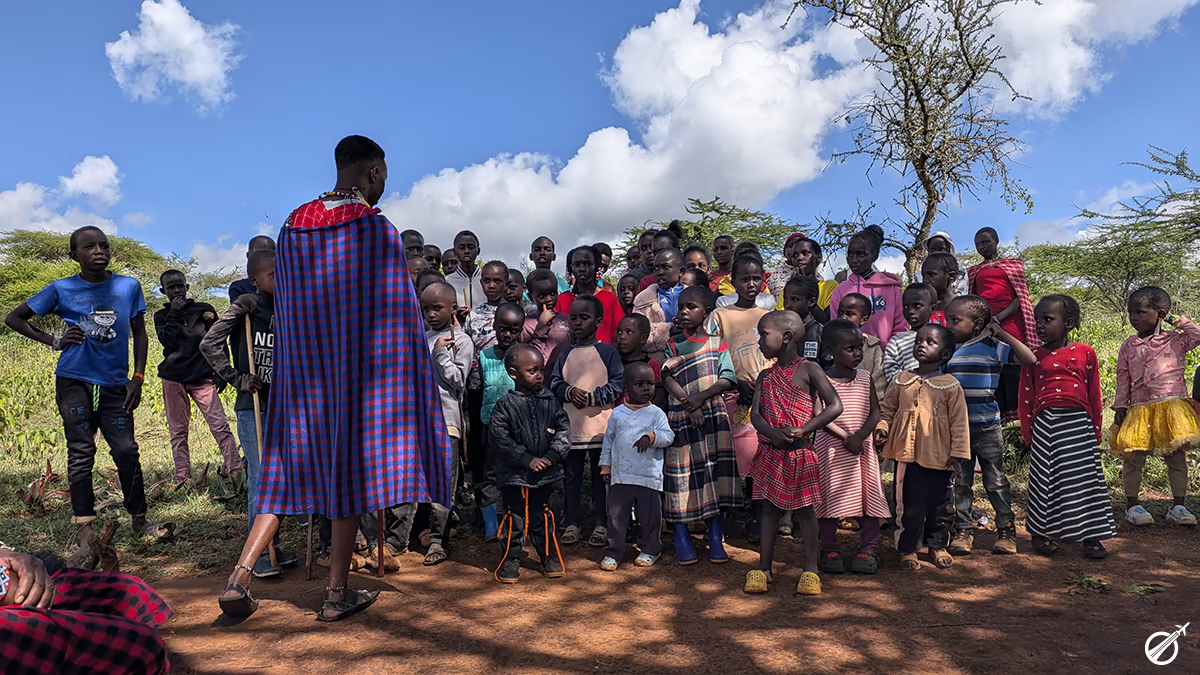
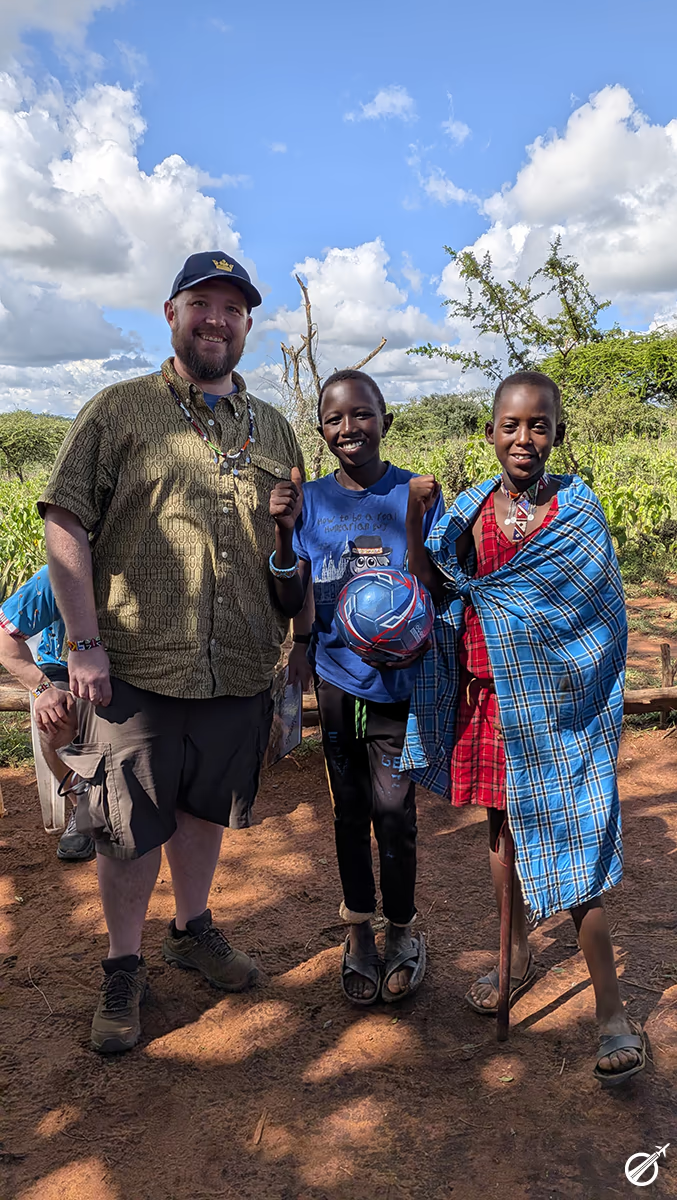
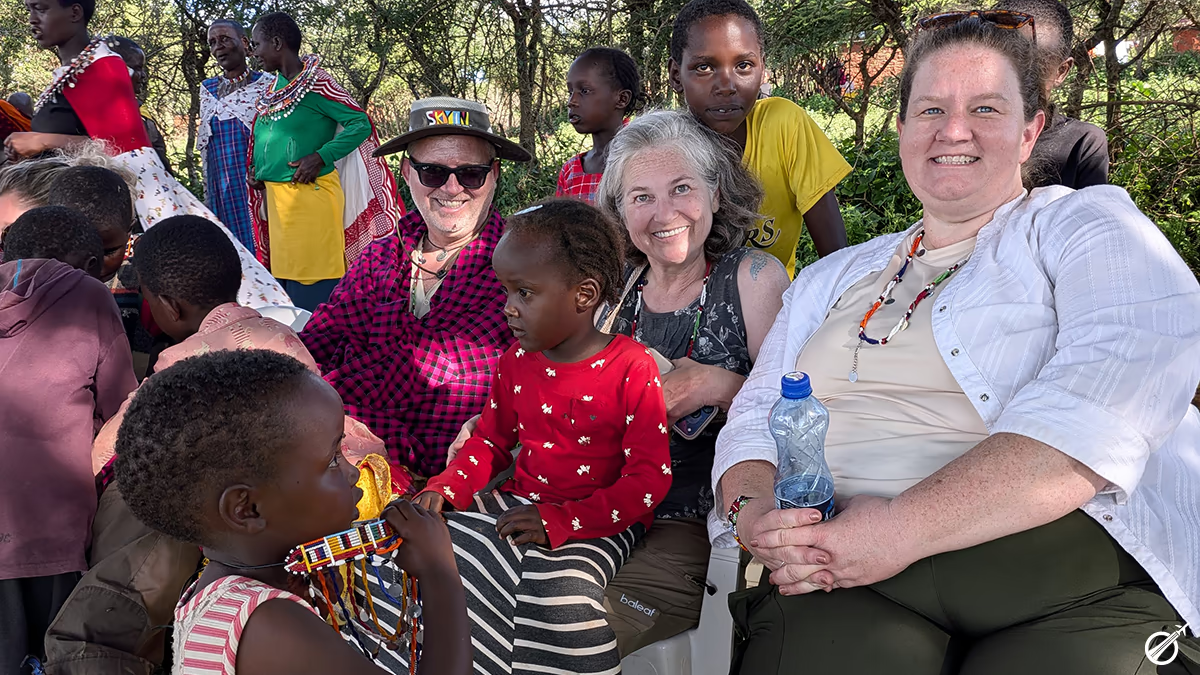
Hospitality is the root of the Maasai culture. Everything here is shared, not just objects, but stories, time, and meals. Our visit began with the whole village lining up to welcome us, and the women gifting us with beaded jewelry and traditional mashuka—brightly colored cloth worn about the shoulders.
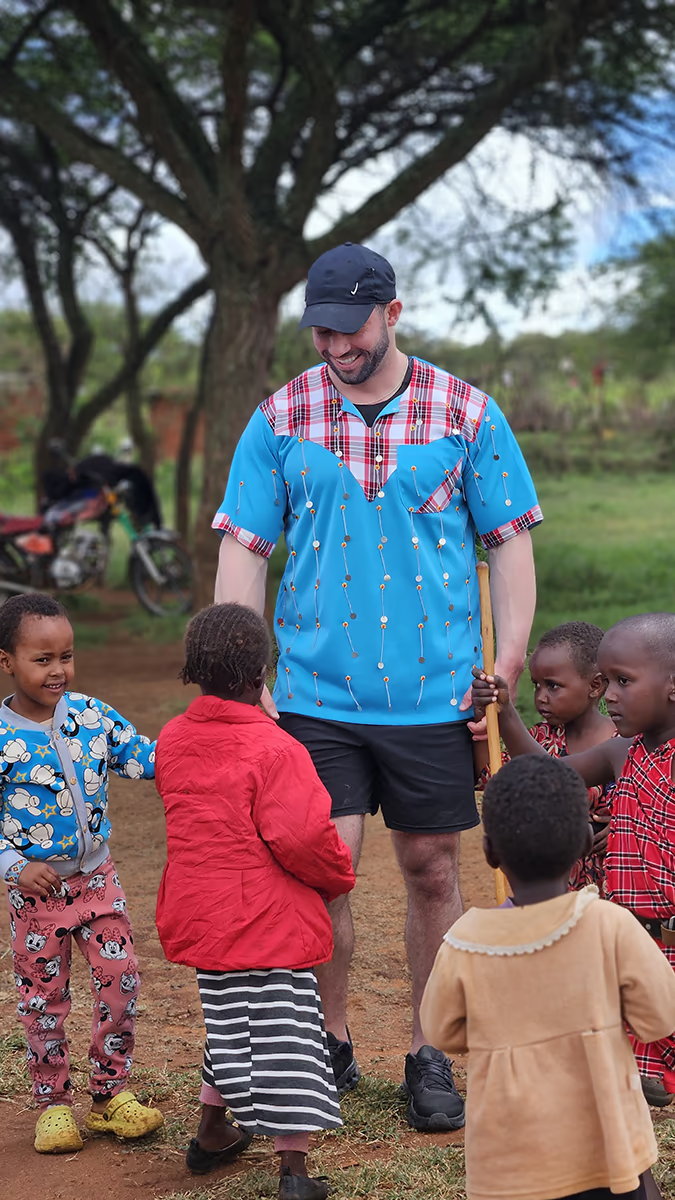
From there they took us around the village to show and tell us about their daily life. From the daily chores of girls to milk the goats and cattle, to how the boys learn herding—all starting from the around the age of 4 or 5. They showed us their traditional ways of cooking, served us delicious tea, and invited us into their homes of sticks and mud. Theirs is a simple, but beautiful, life.
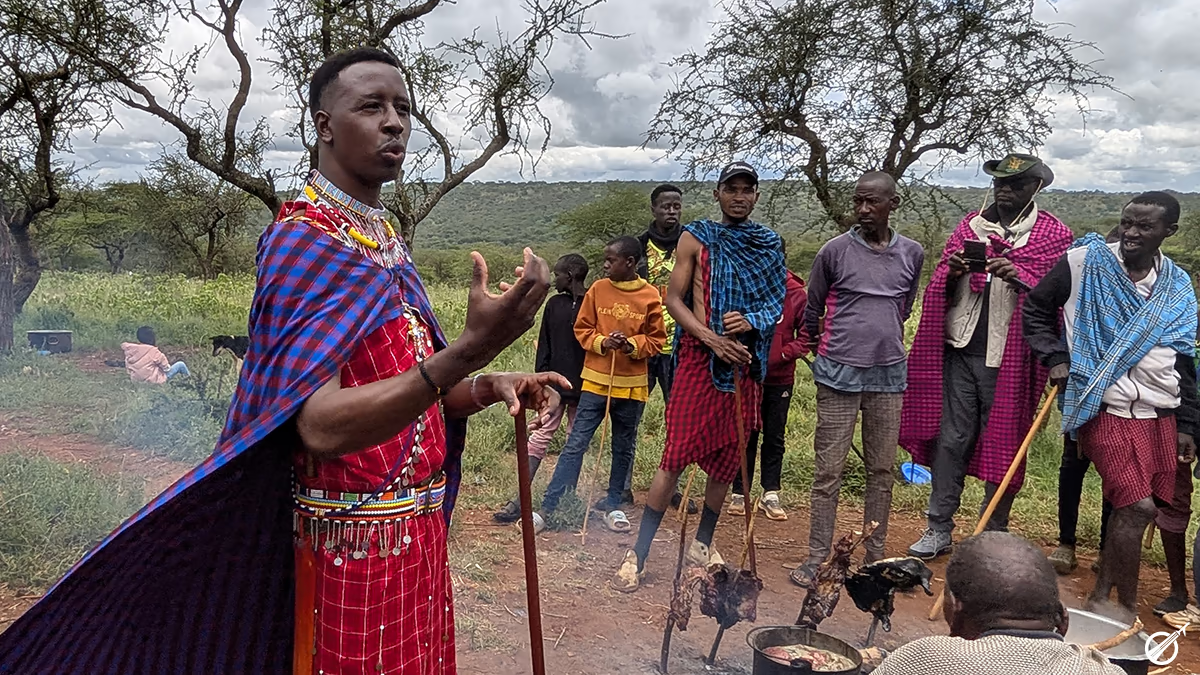
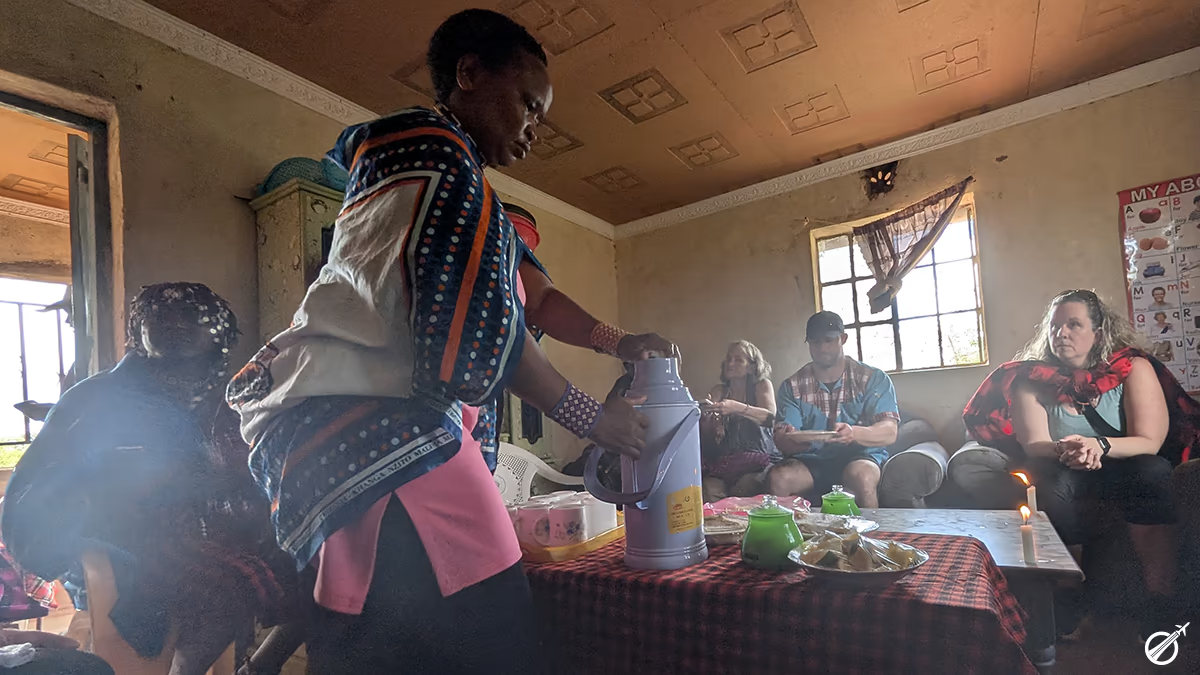
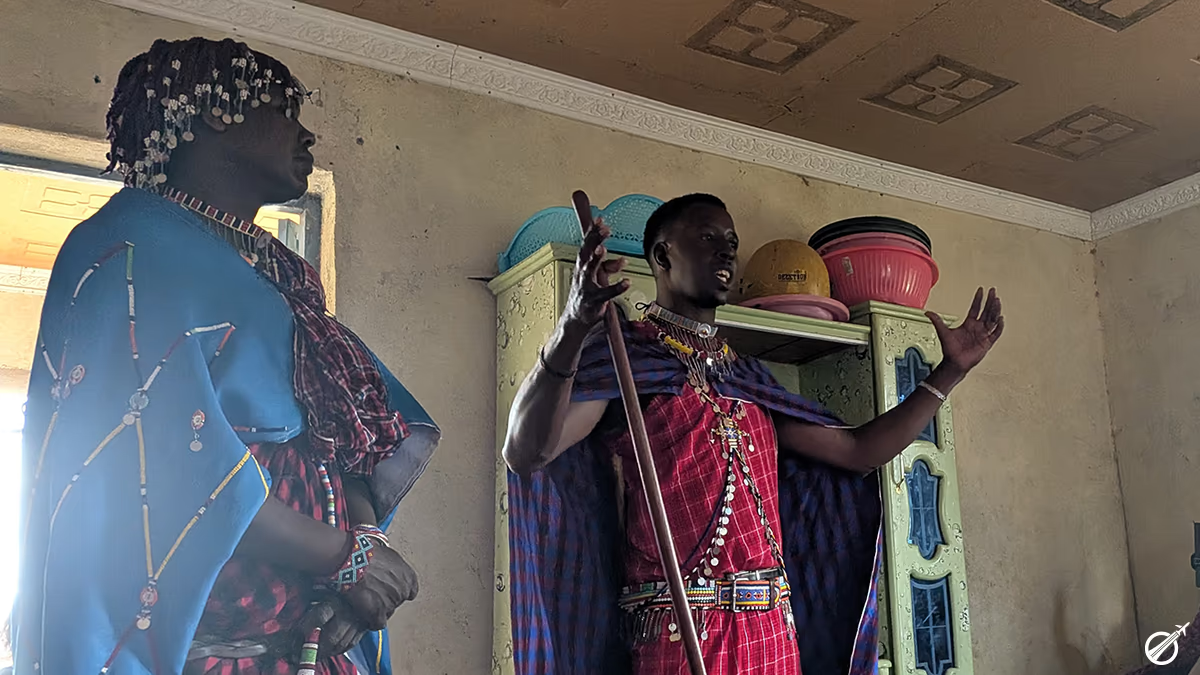
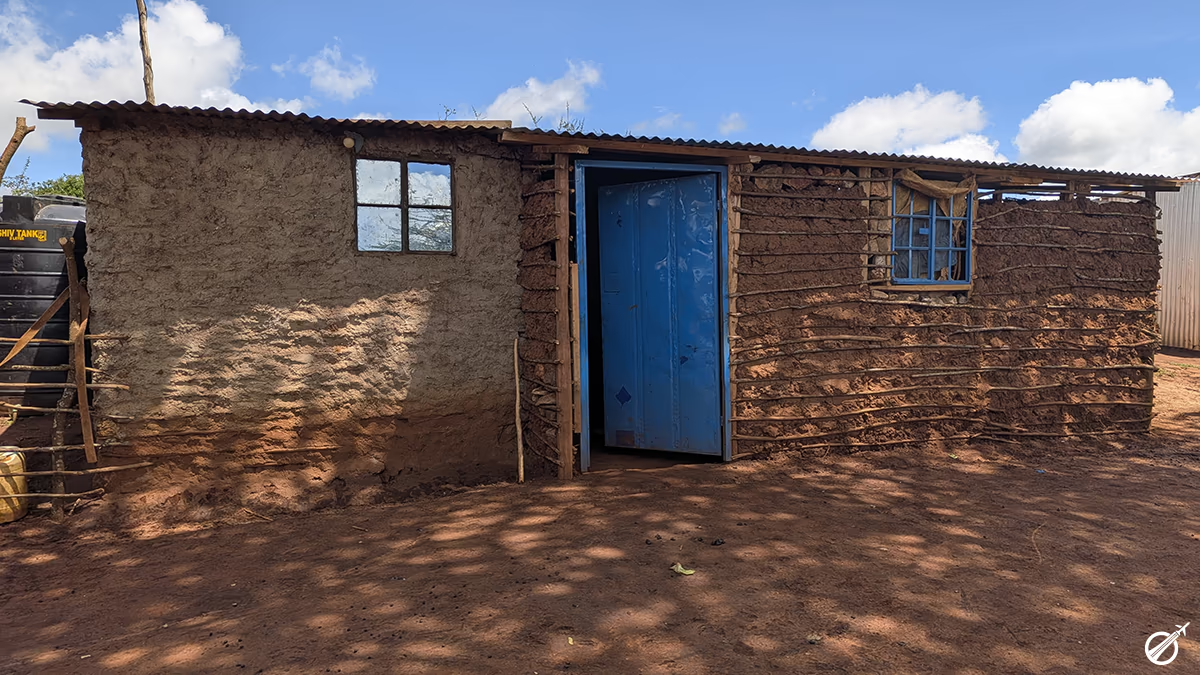
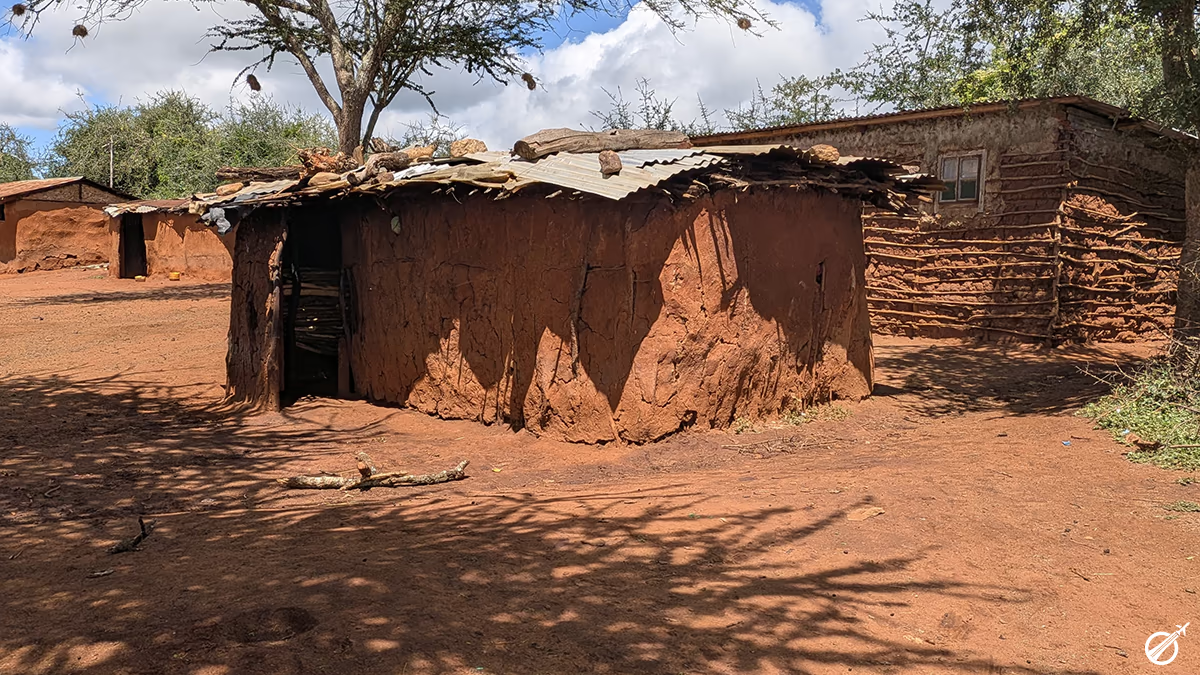
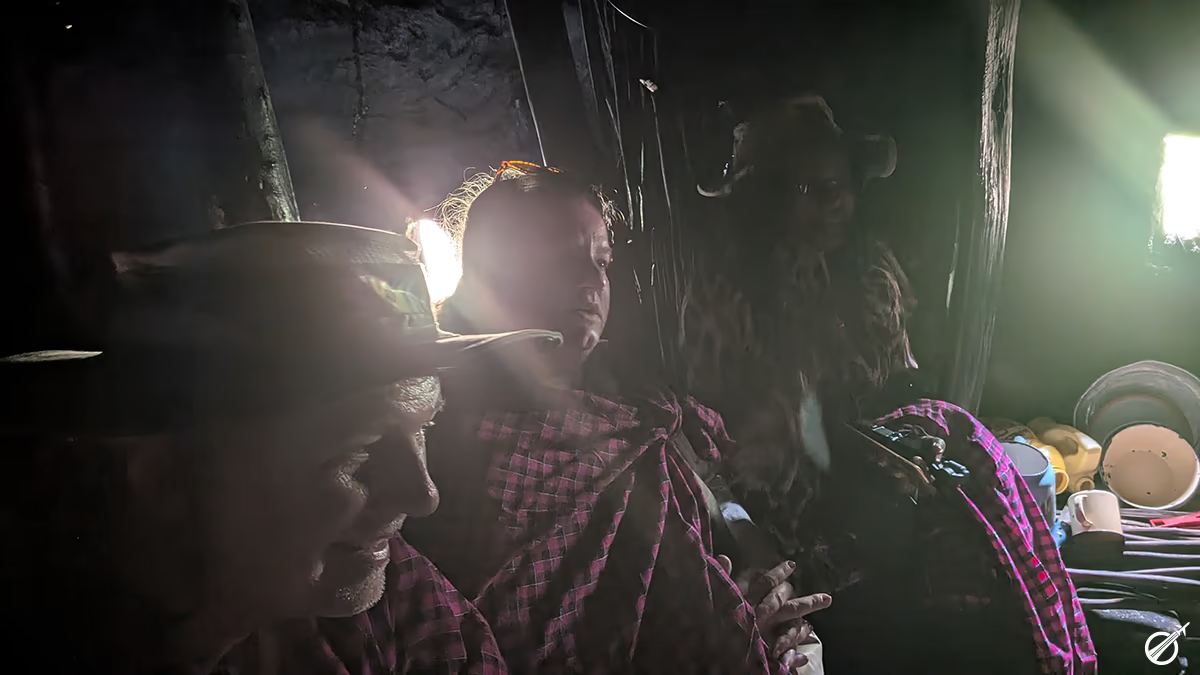
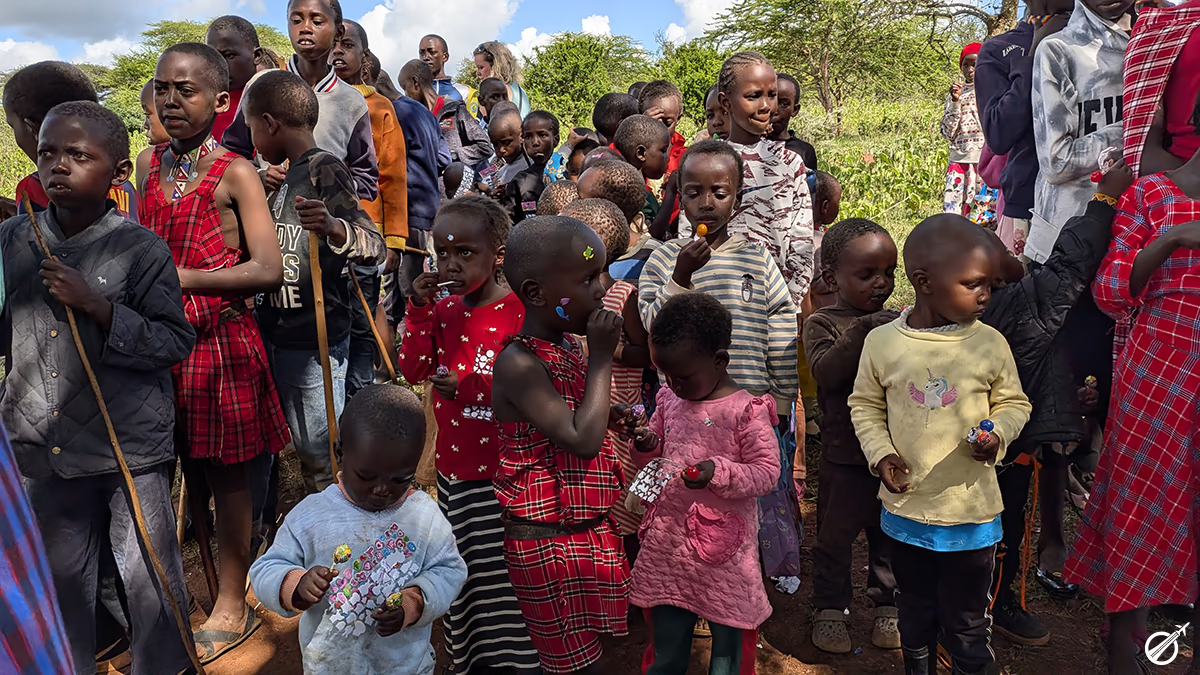
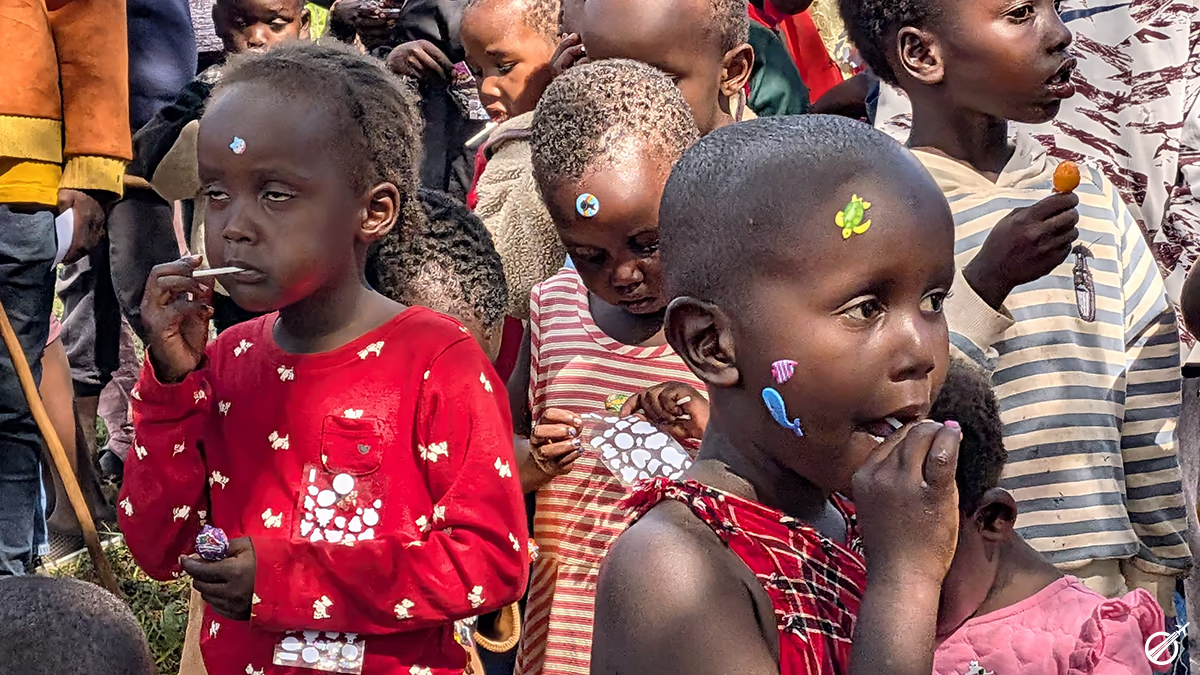
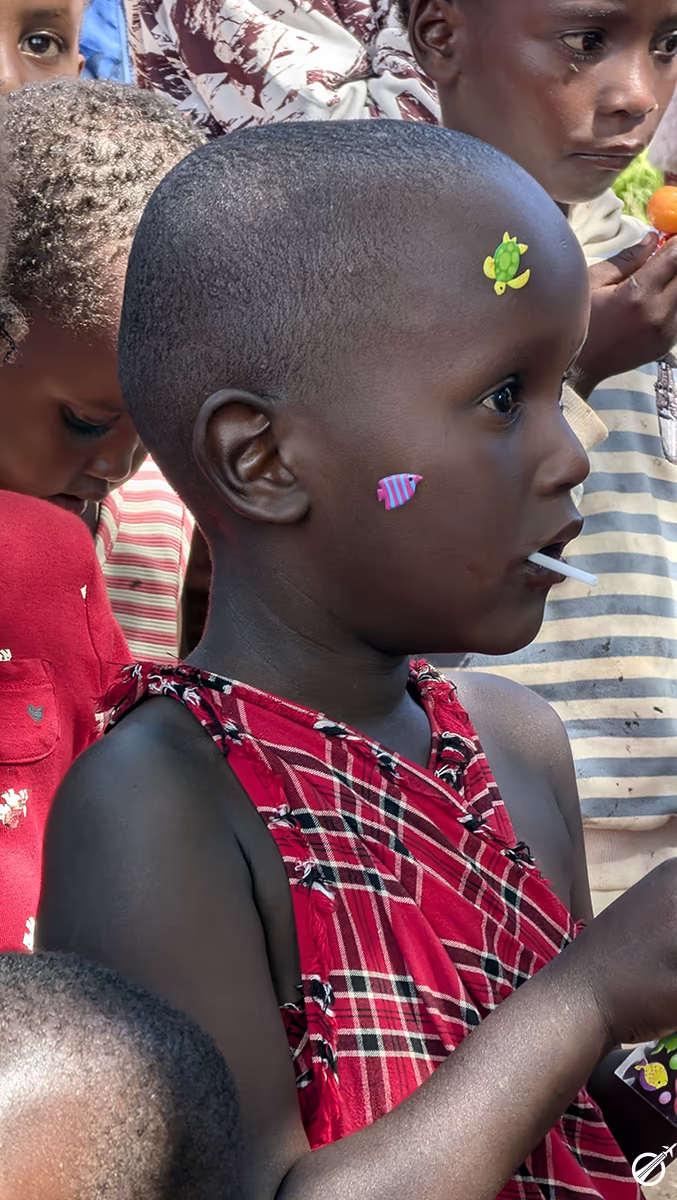
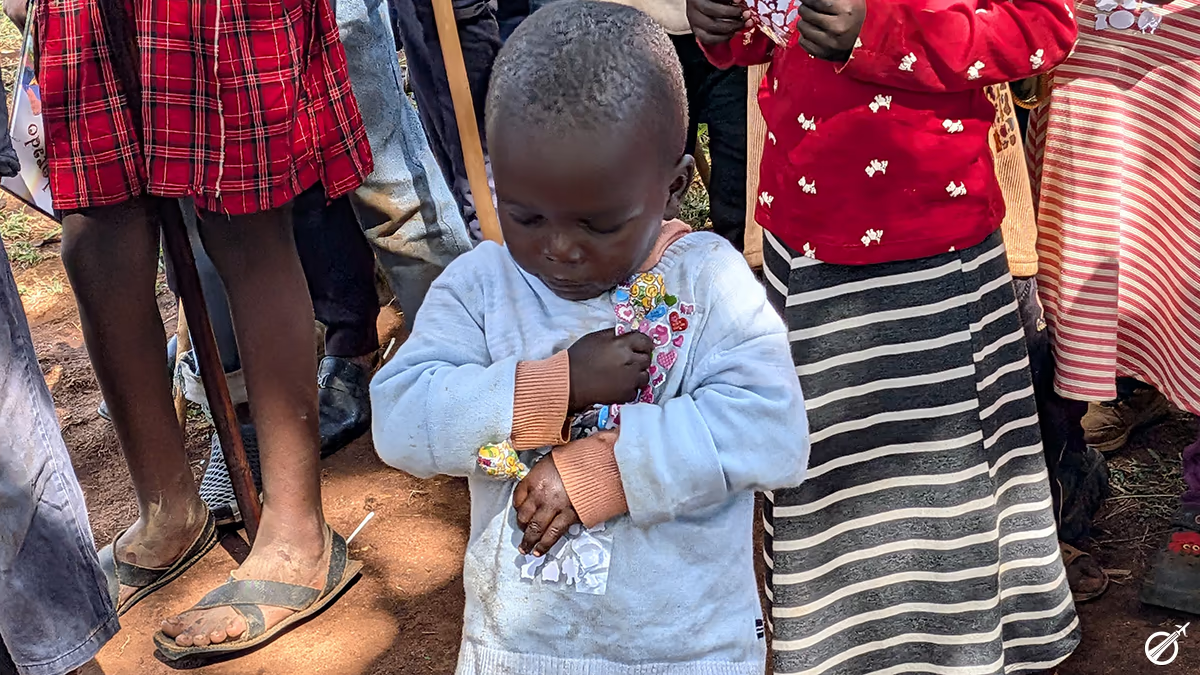
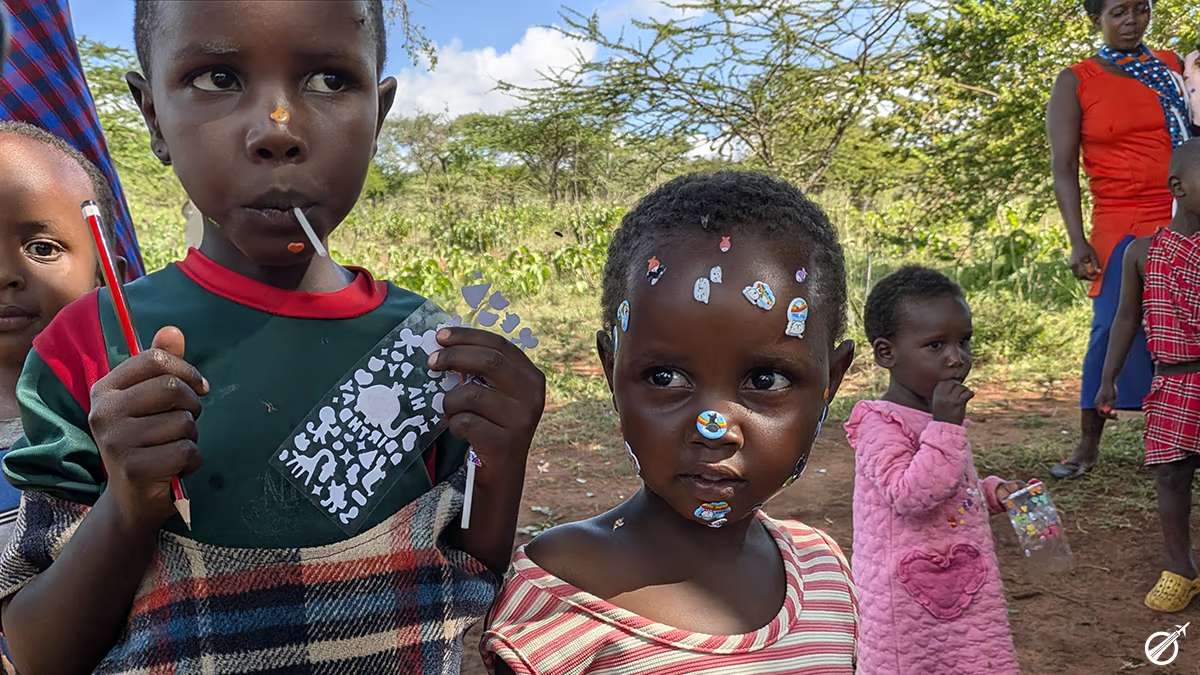
It's the children that leave the most lasting impression. They are warm and loving and adore visitors. On your visit you may find one or two of them attaching themselves to you, gently holding your hand throughout the day, walking you around their home and eager to connect with you. They share their songs and poems with us, and we bring simple gifts of school supplies, stickers, and toys to share, which they immediately dig into.
Chapter 3: Caring for Animals in Nairobi
Back in Nairobi, we visited the Giraffe Center and Sheldrick Wildlife Trust. These two noble institutions care for the wildlife of Kenya through breeding programs and nursing orphans until their ready to join a new herd.
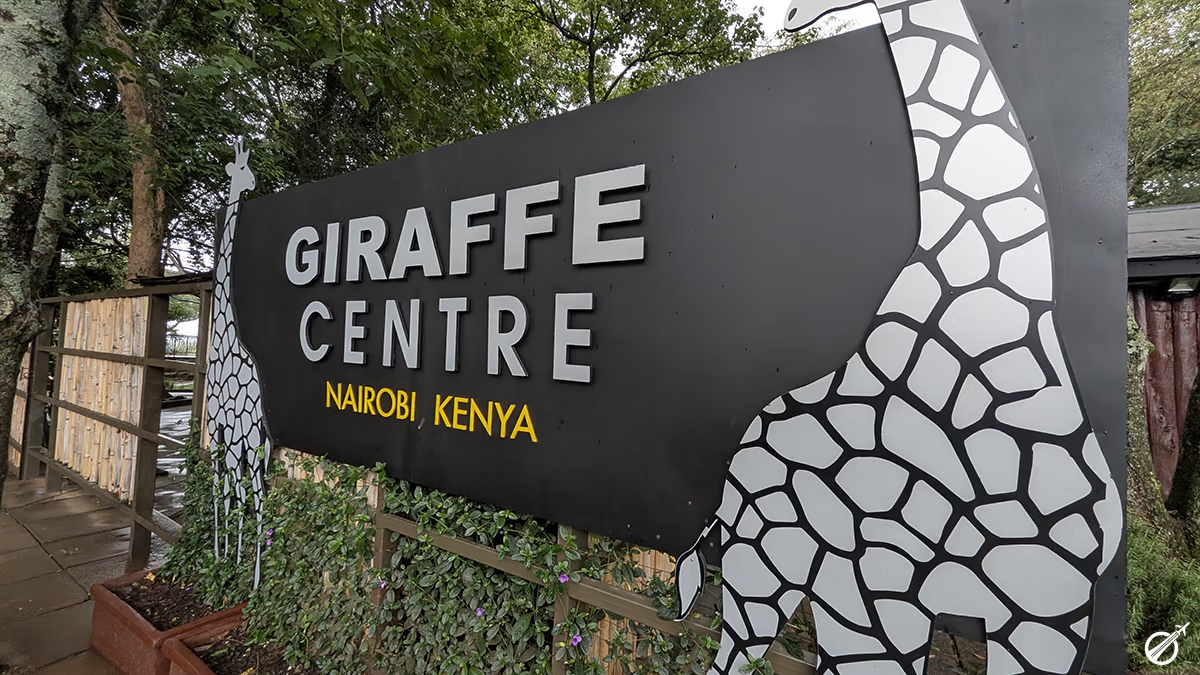
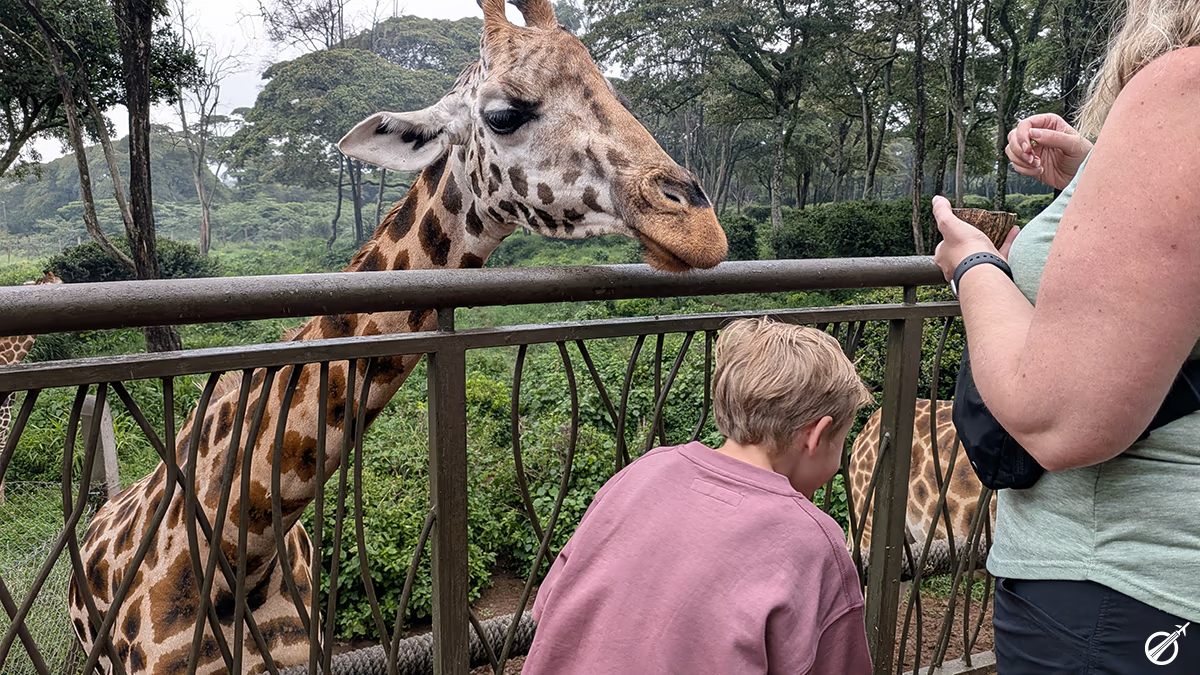
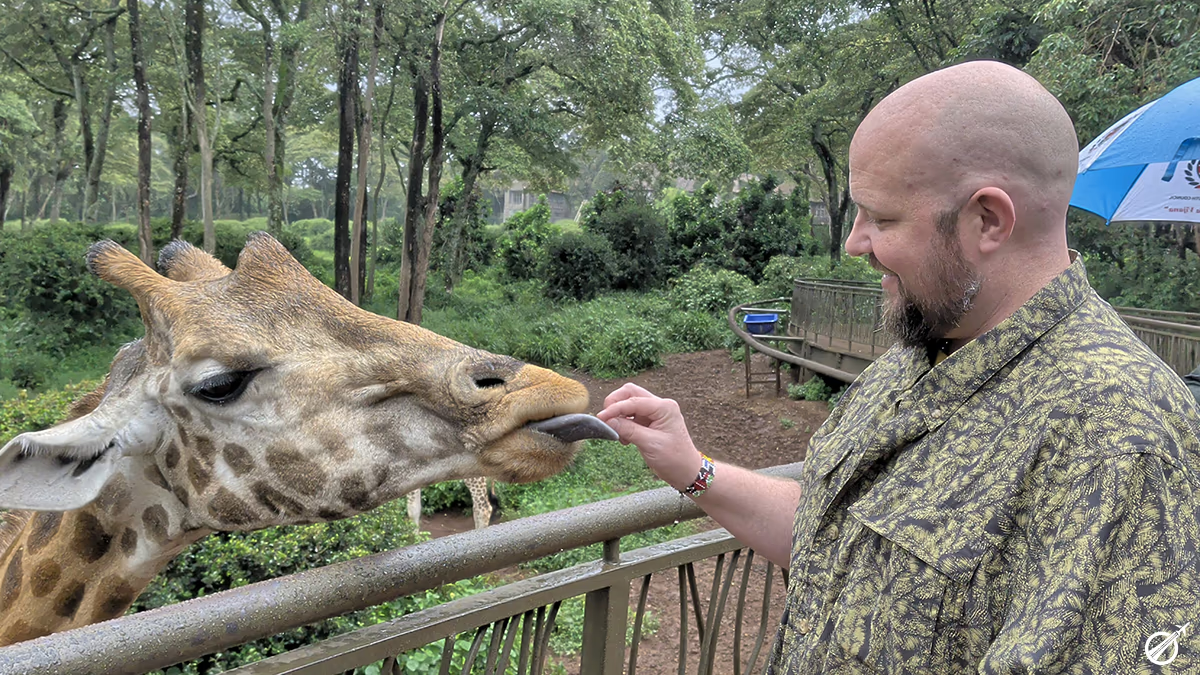
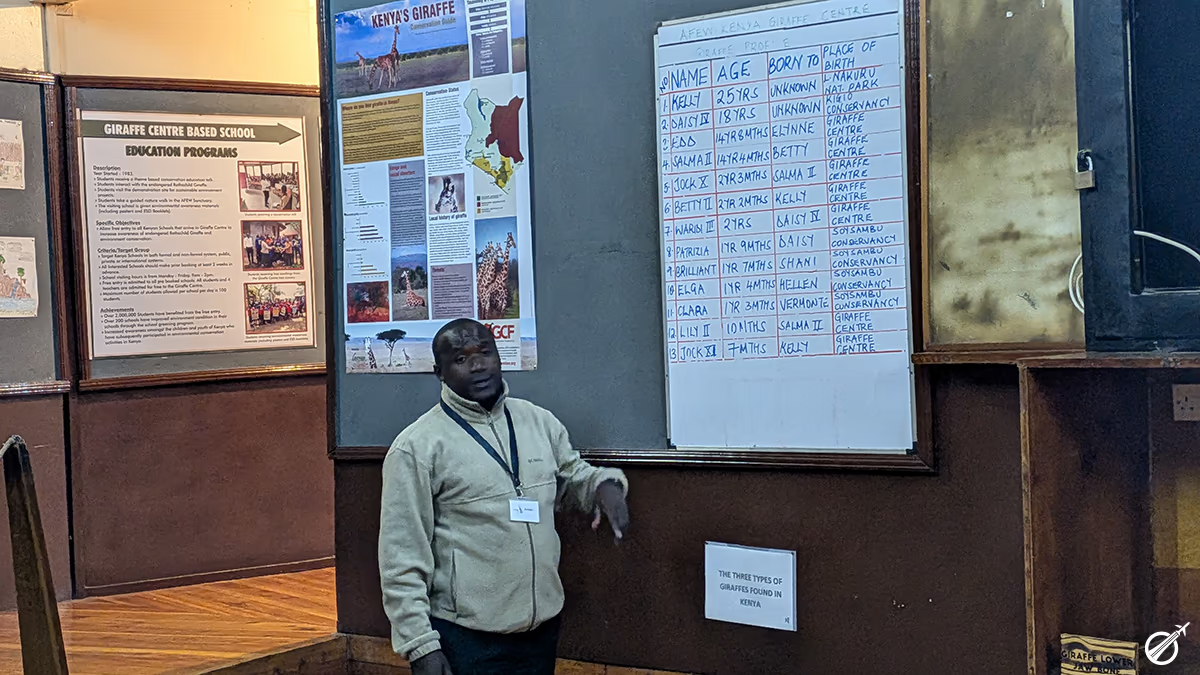
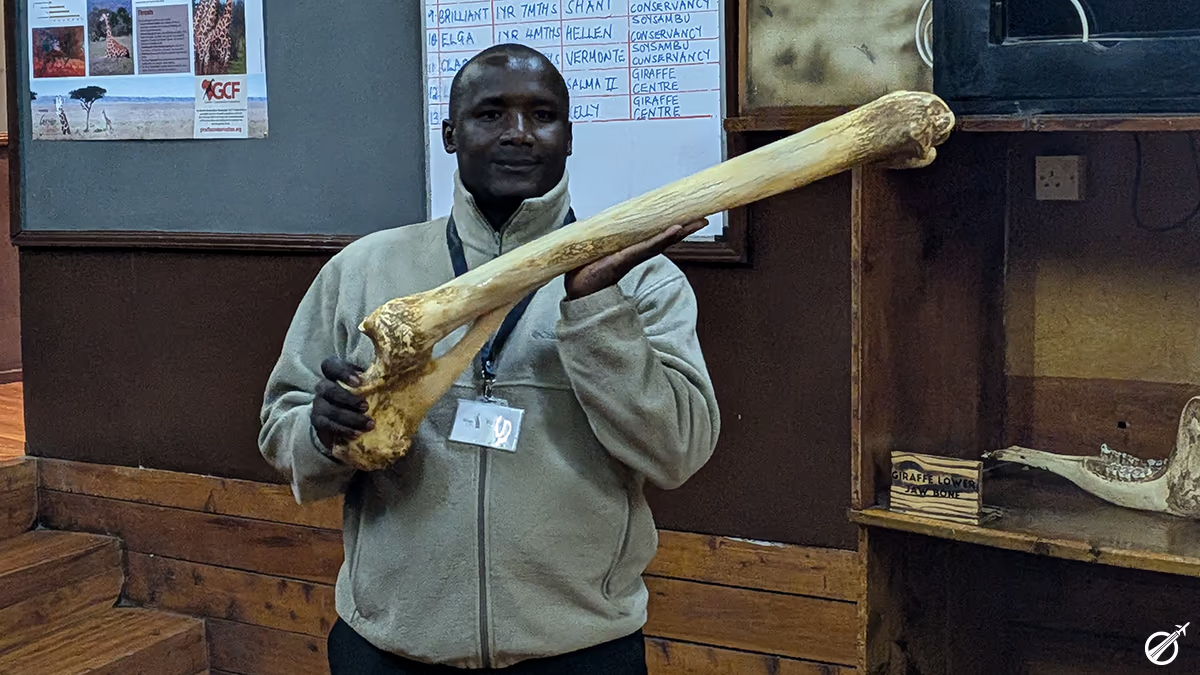
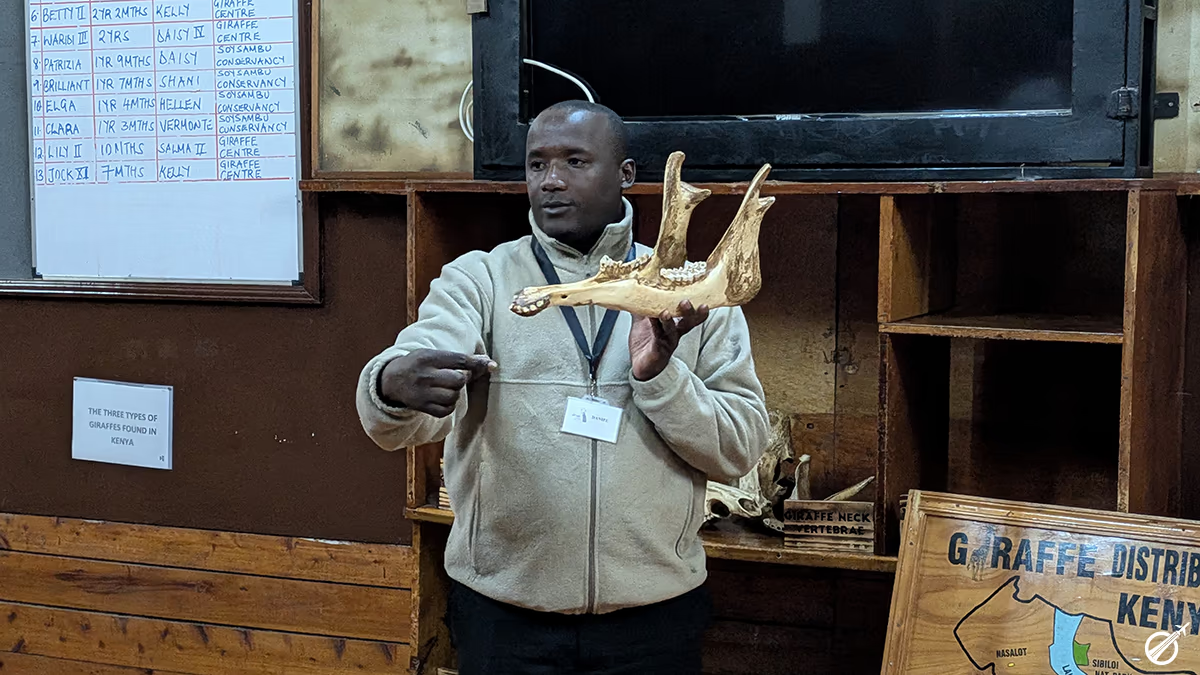
Giraffes love a free treat, but you better be quick about or it or you'll get a rough headbutt. Their tongues are like dry sandpaper. And we learned their leg bones have no marrow; to hold themselves up all day they are solid bone, and incredibly heavy.
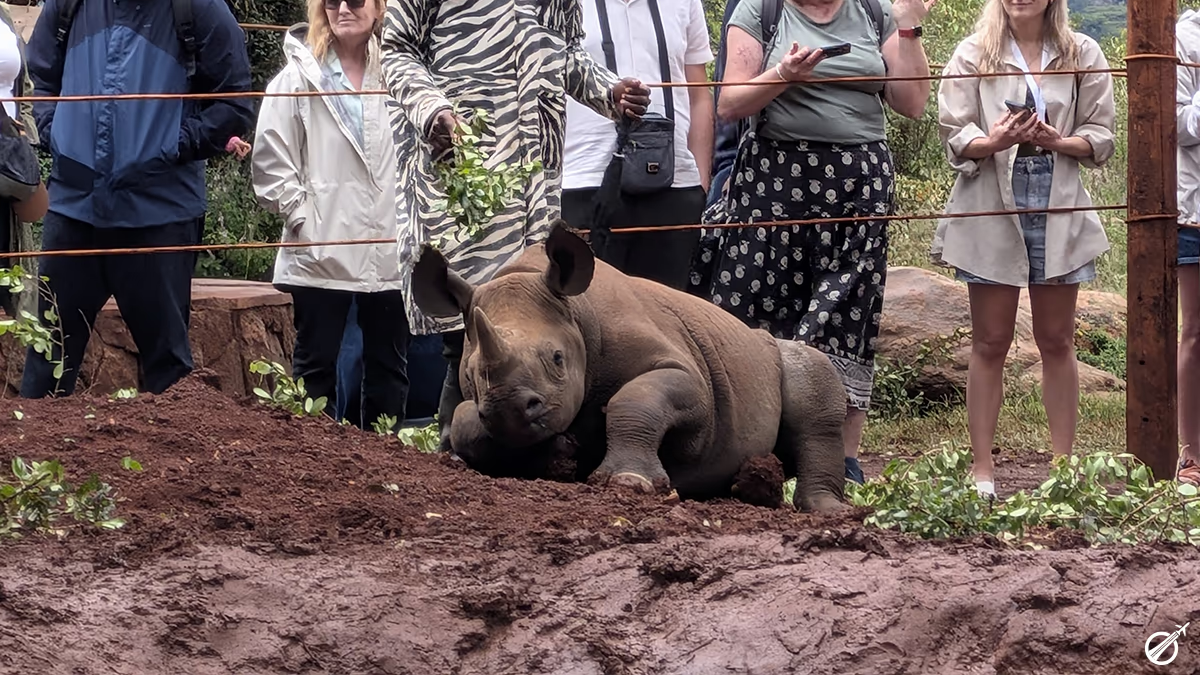
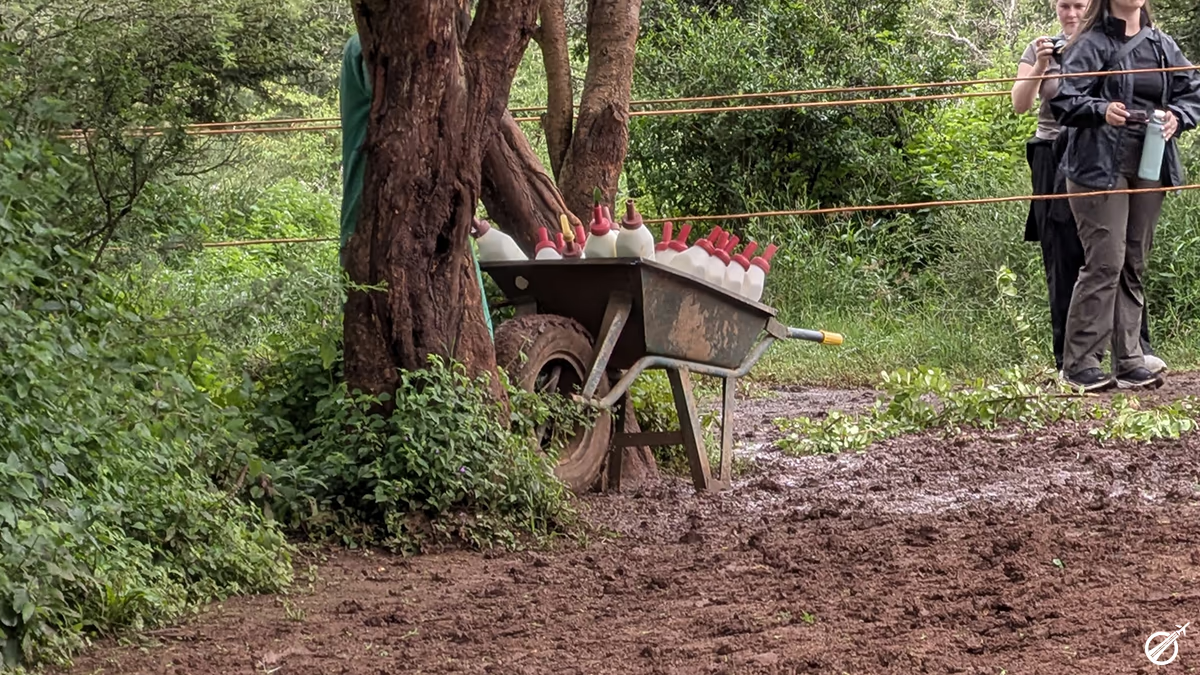
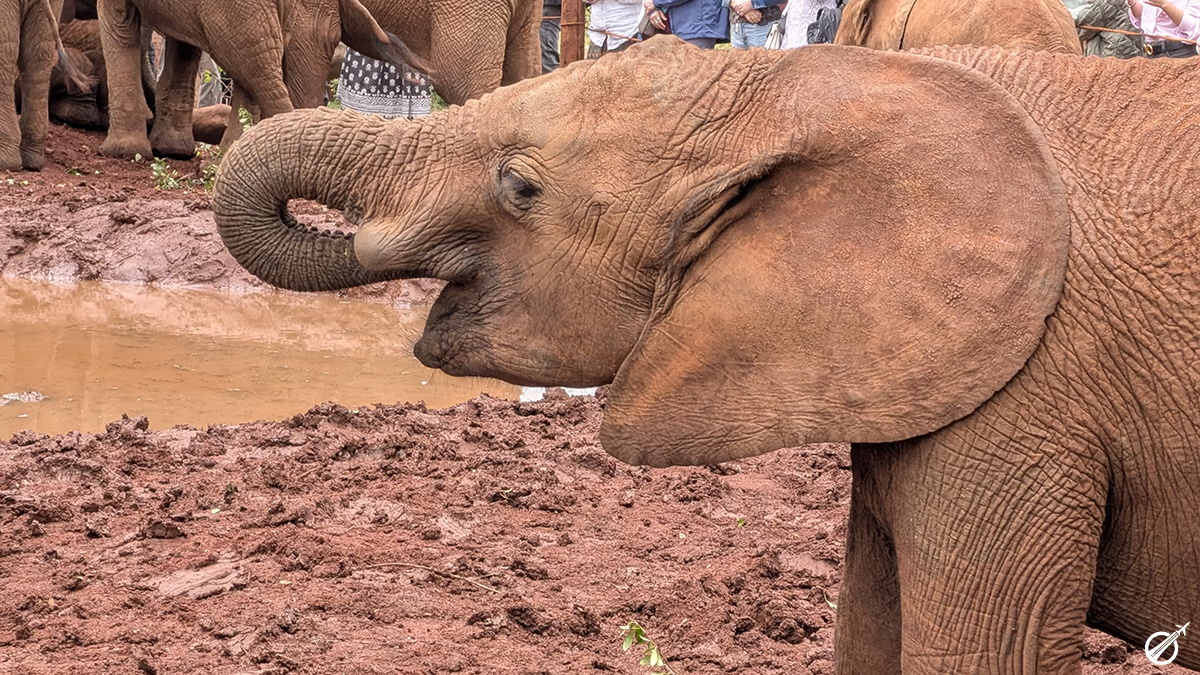
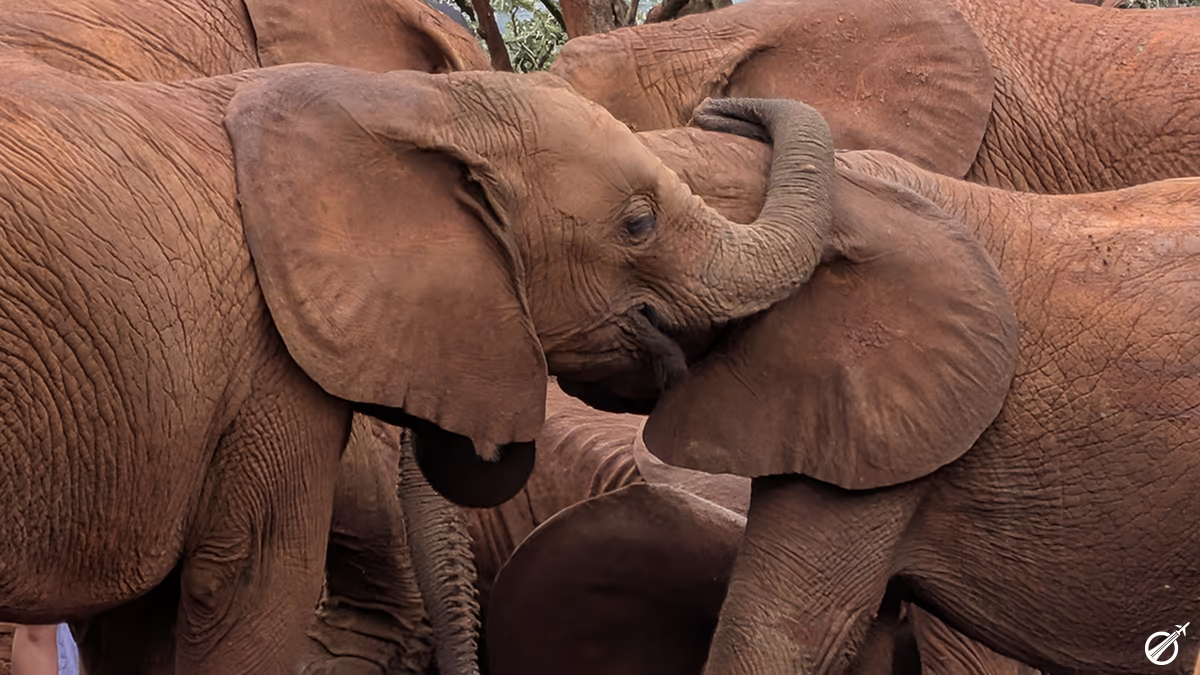
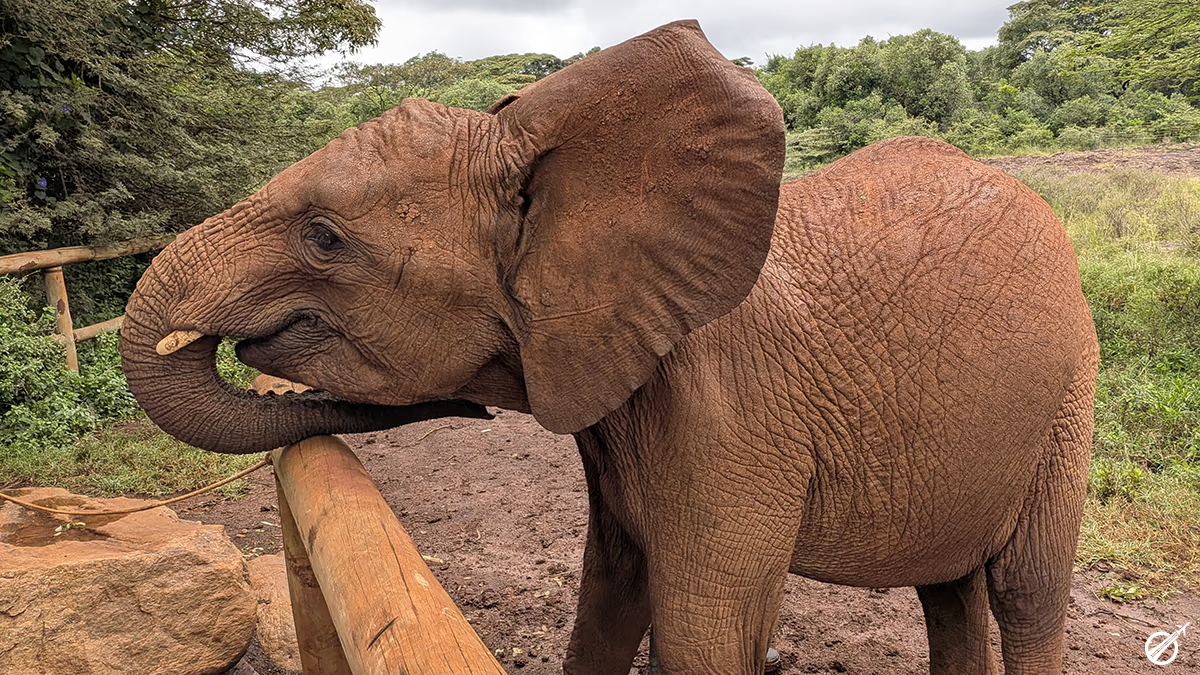
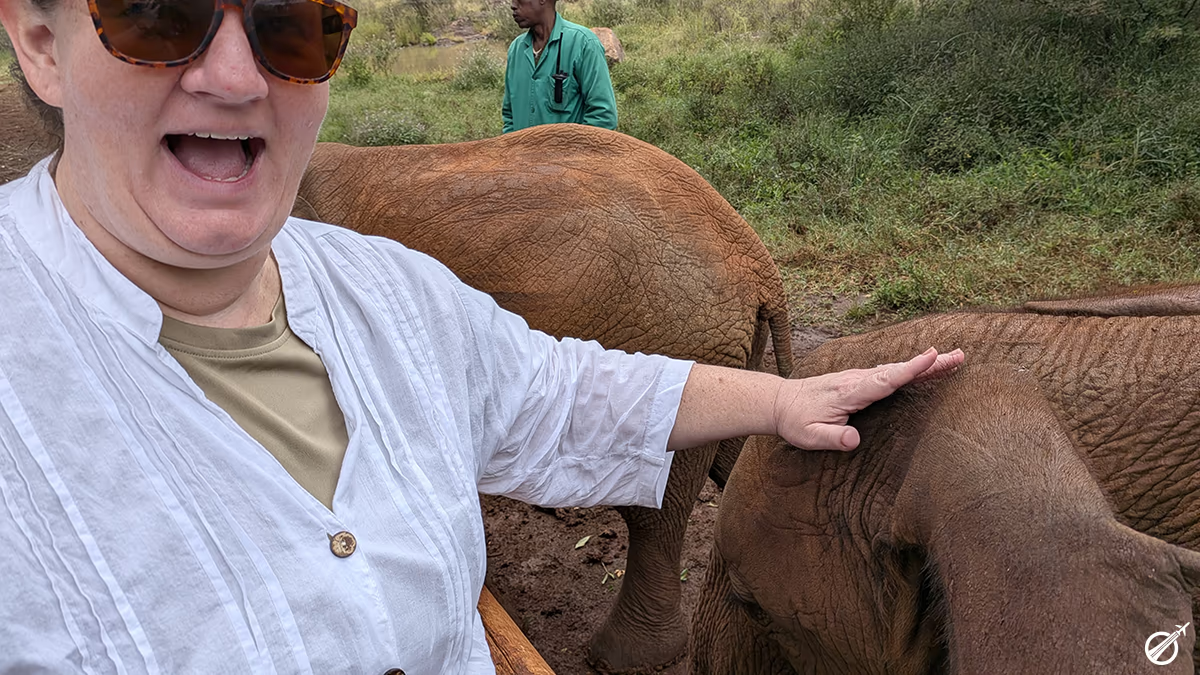
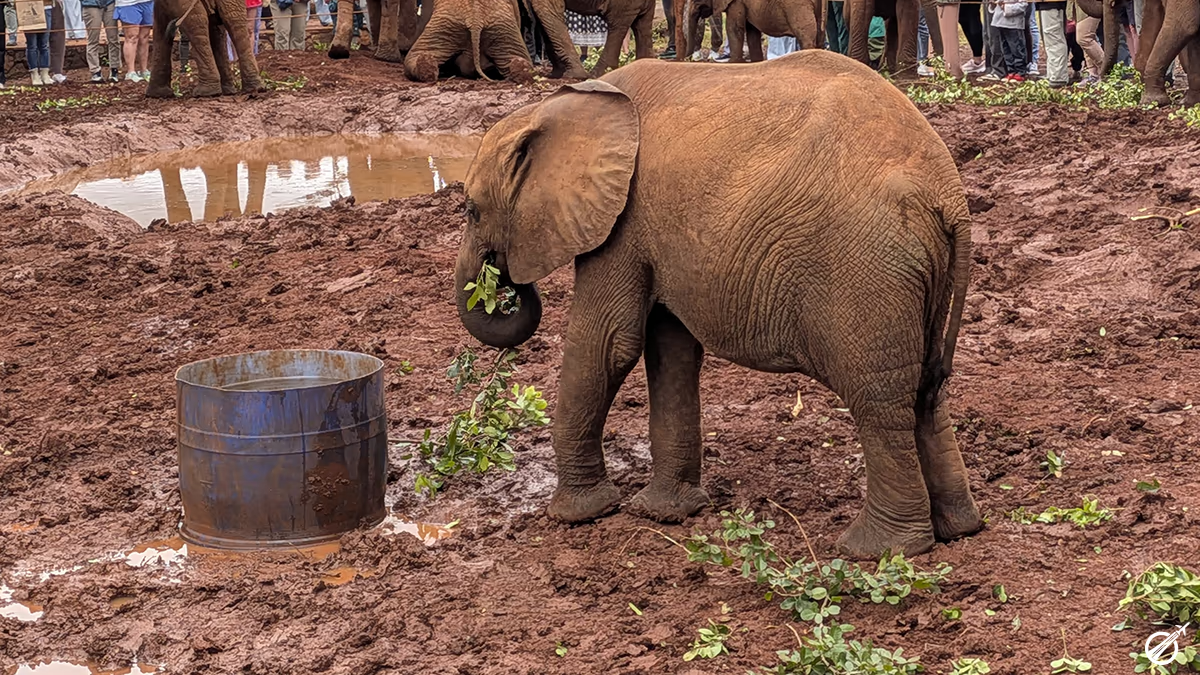
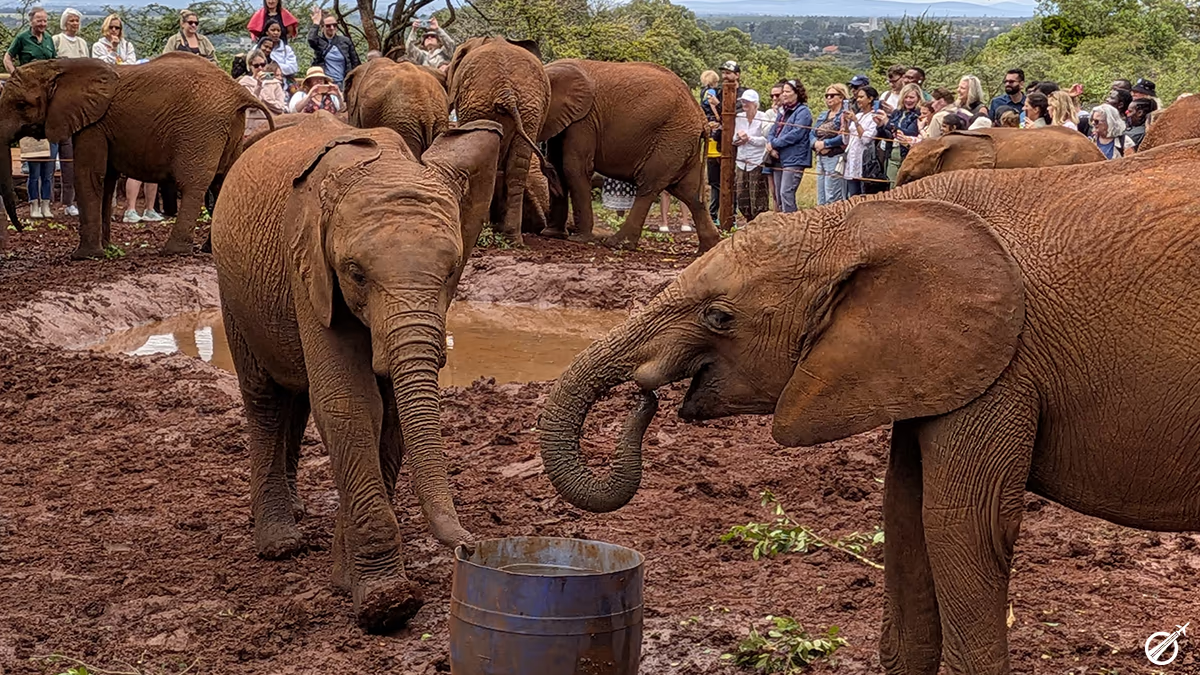
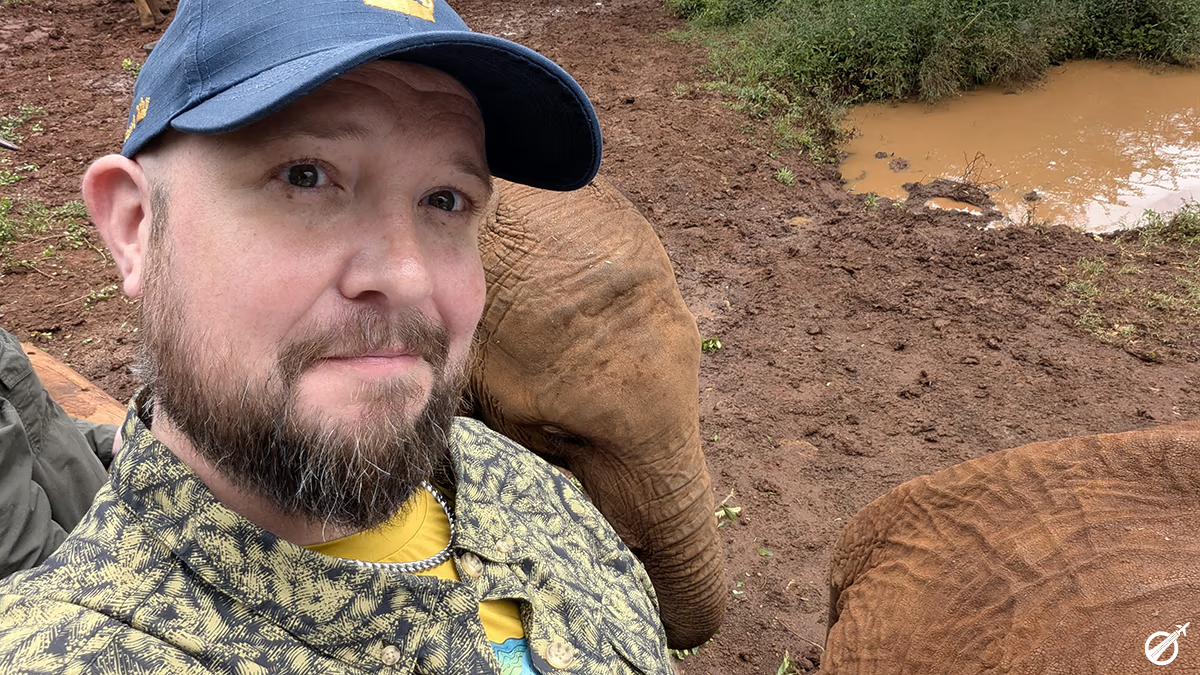
At the Sheldrick Wildlife Trust orphanage in Nairobi, they care for orphaned elephants & rhinos—and currently the rhino's best friend, a zebra. Named for the founder of Kenya's original national park, his wife developed a special formula to nurse baby animals (which they voraciously guzzle). As the animals grow up, they are eventually moved other facilities in the national parks, where they eventually bond with new herds and carry on with their new lives in the wild.
Curate Your Own Safari
Every safari is a deeply personal adventure. We design bespoke itineraries tailored to your travel desires, pacing, and budget.
Chapter 4: The Birds & Beasts of Lake Navaisha & Lake Nakuru
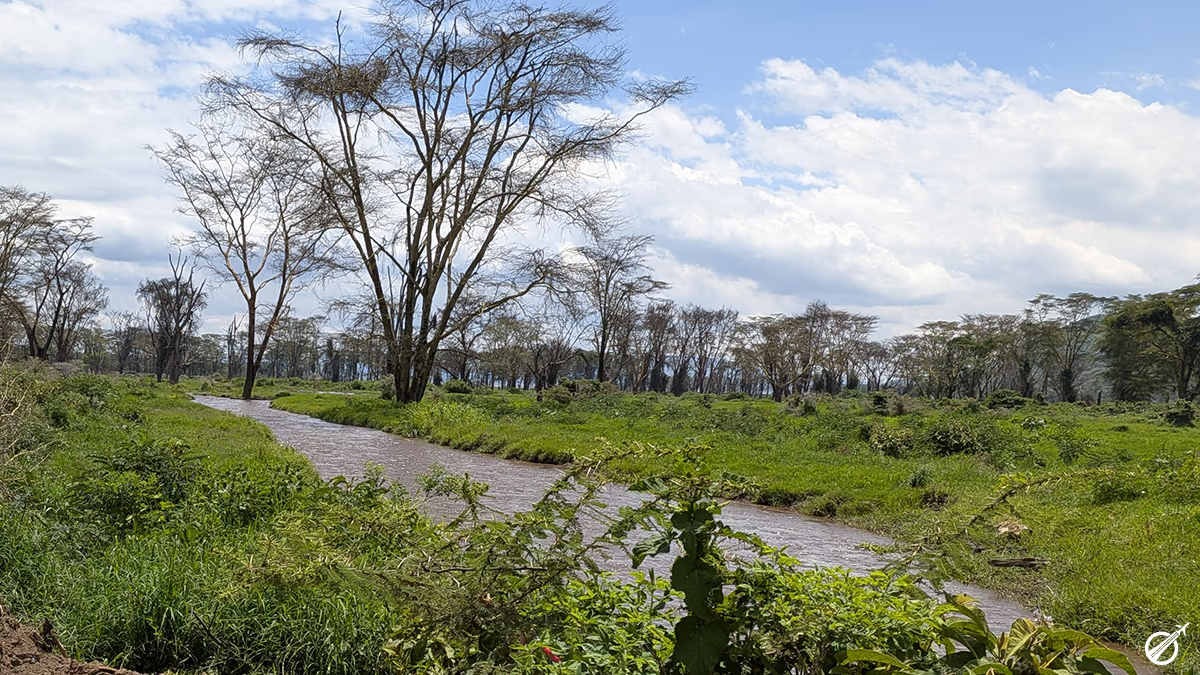
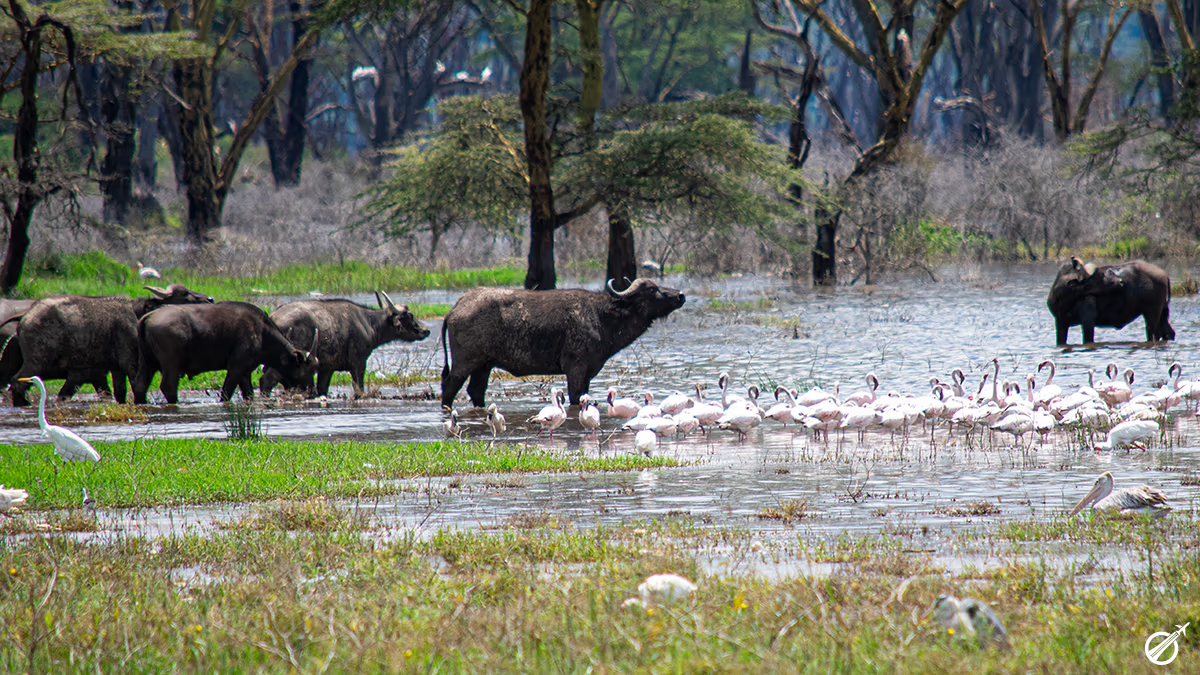
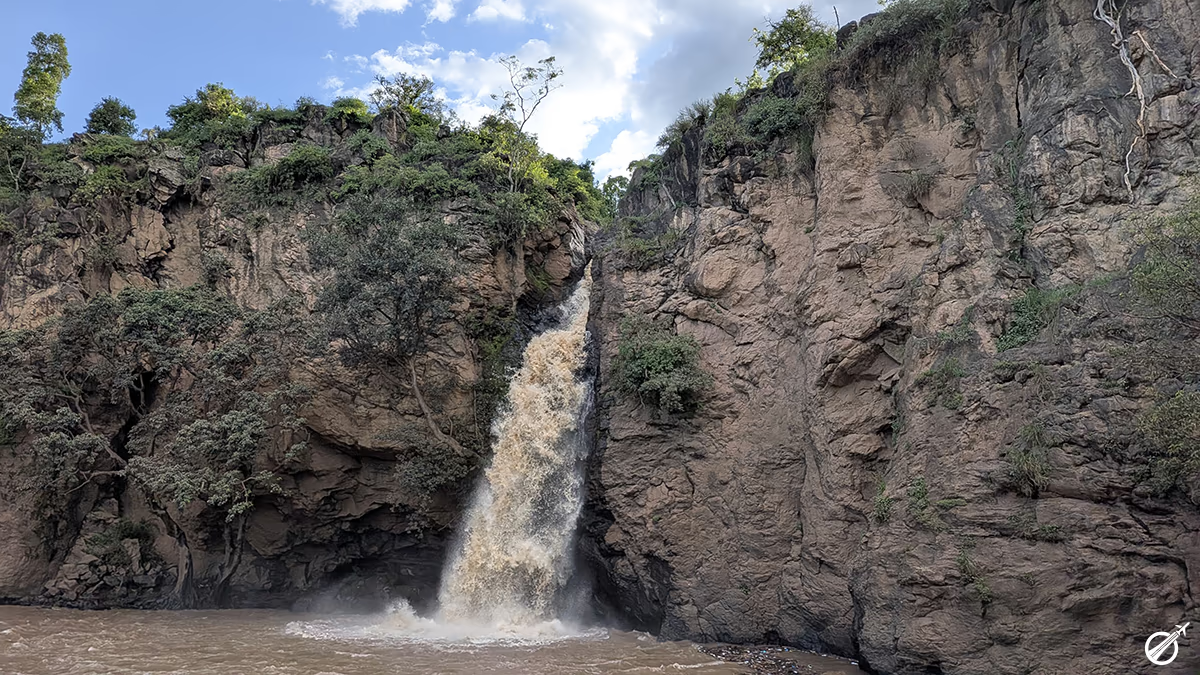
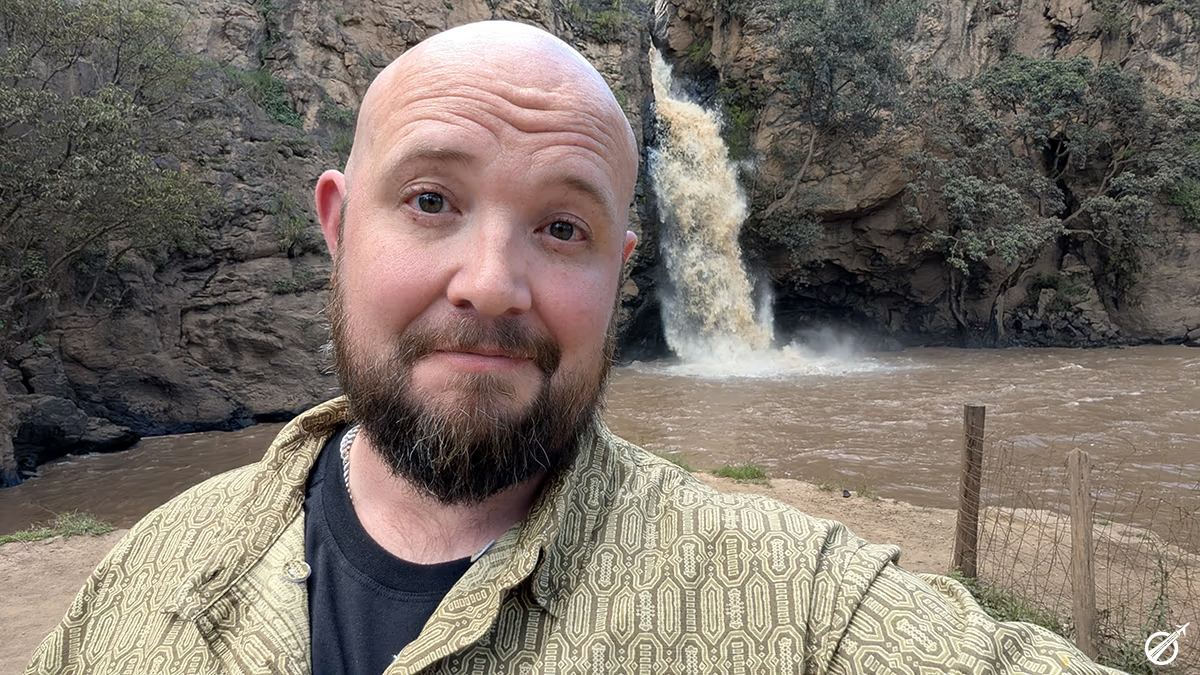
From Nairobi we ventured westward, to the lakes of Naivasha and Nakuru. Both lakes are fed by rivers and runoff from higher areas, but neither have an outlet though the result has been different. Naivasha is a large freshwater lake, home to an incredible number of birds including beautiful pelicans and majestic eagles. If you ever saw the movie Out of Africa, many of the nature scenes were filmed on Crescent Island in the middle of the Naivasha
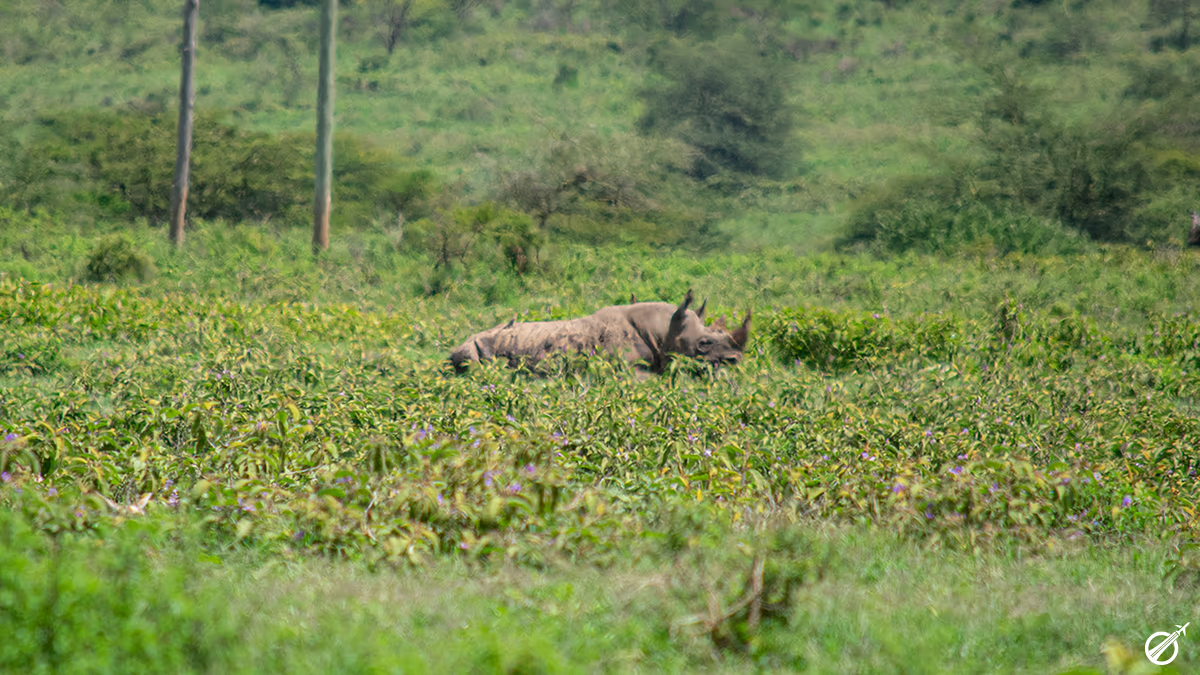
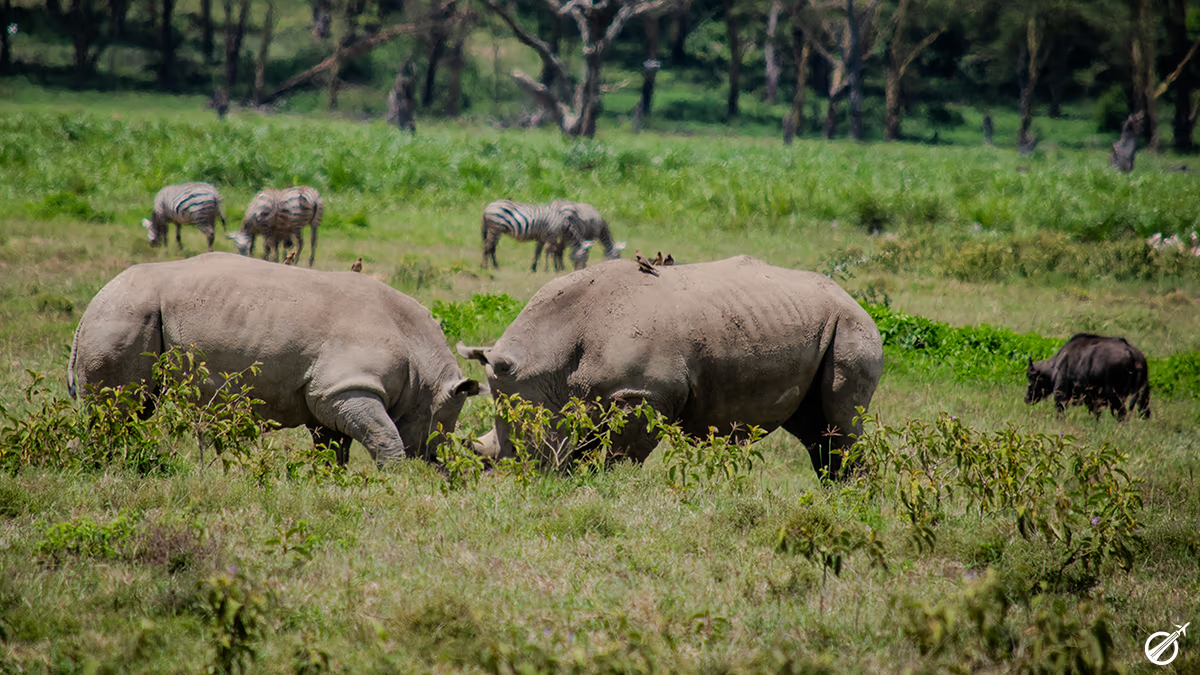
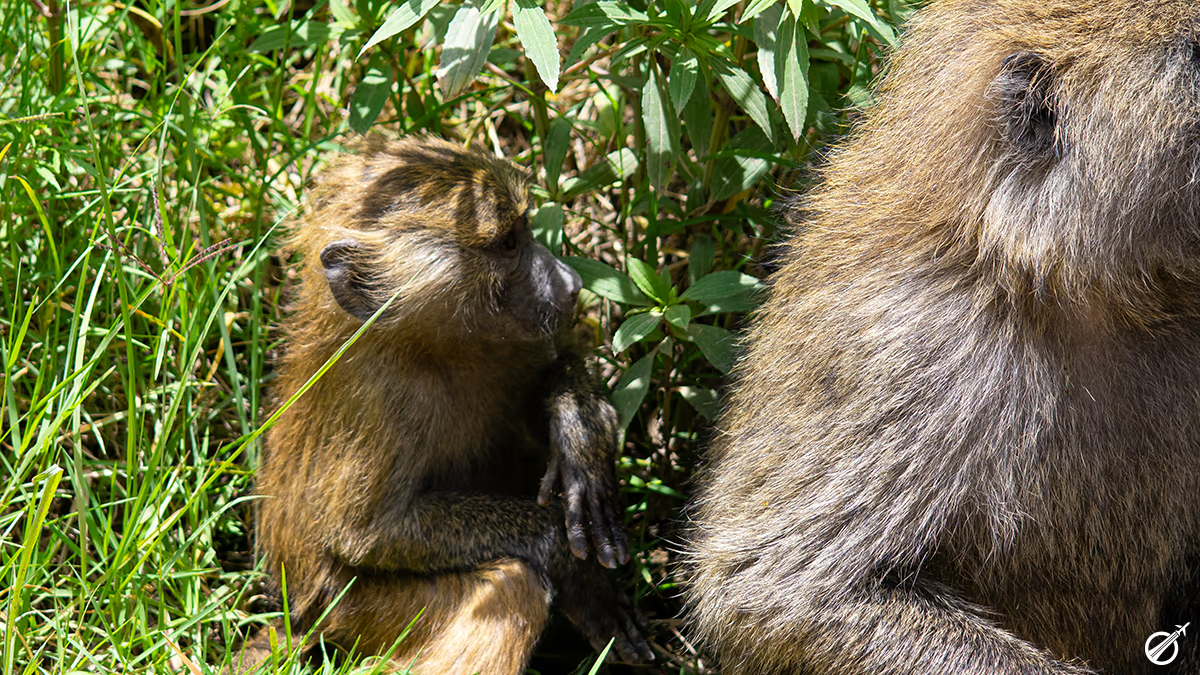
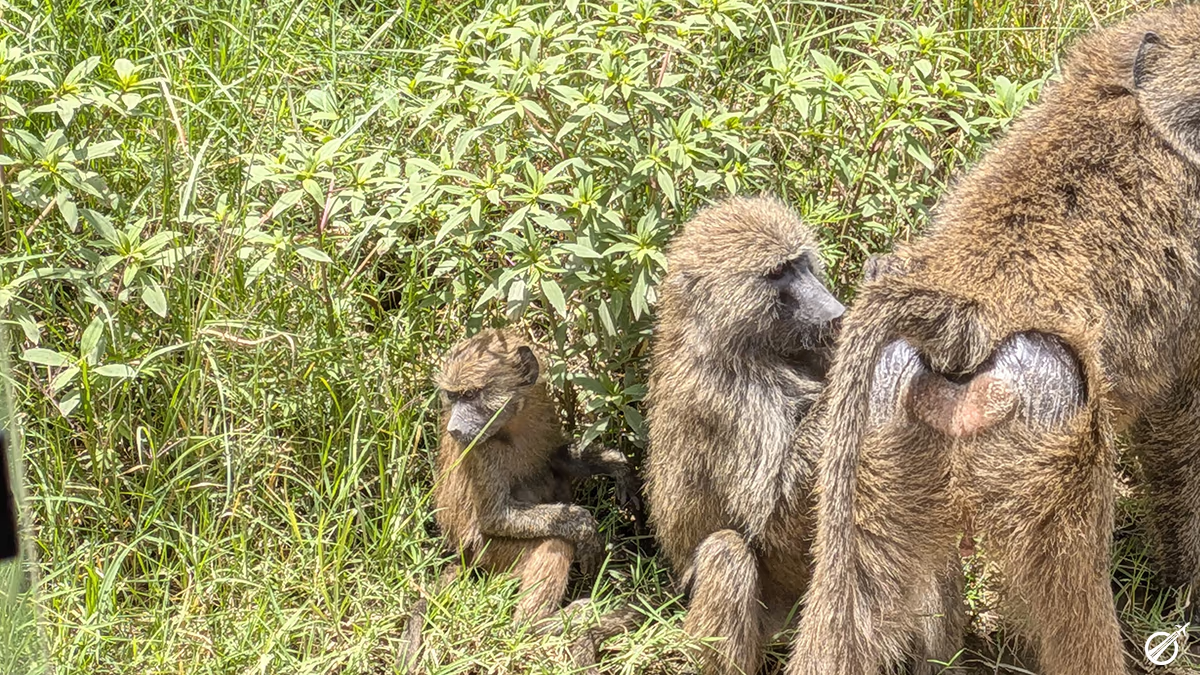
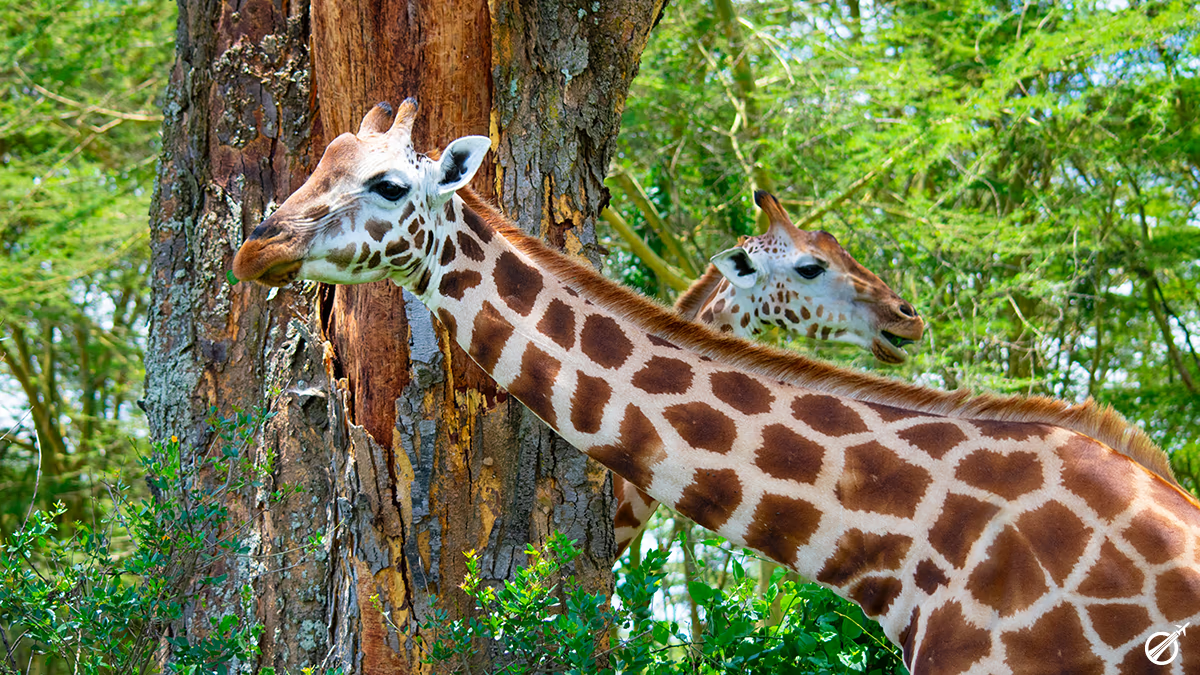
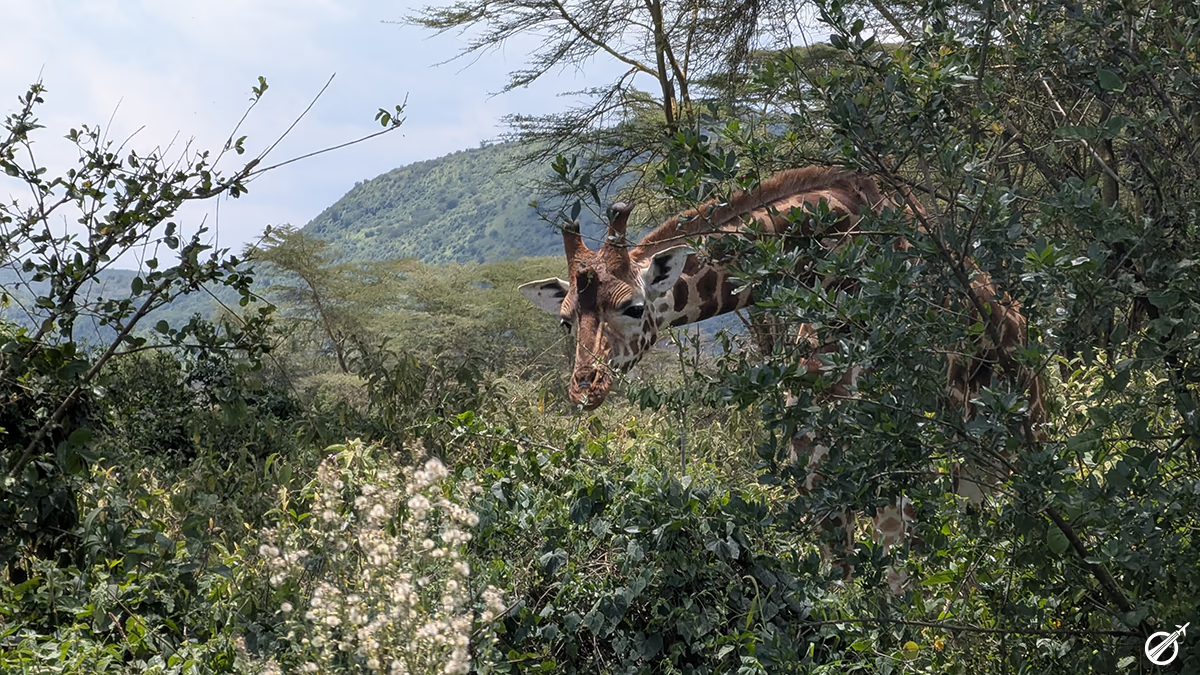
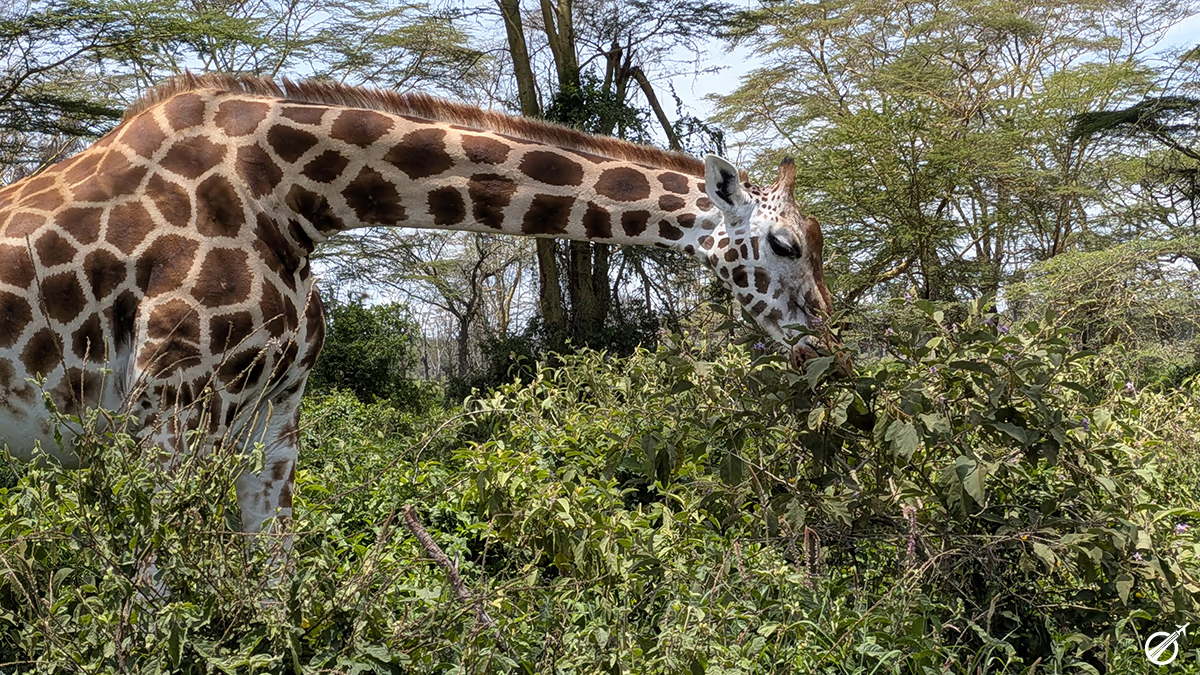
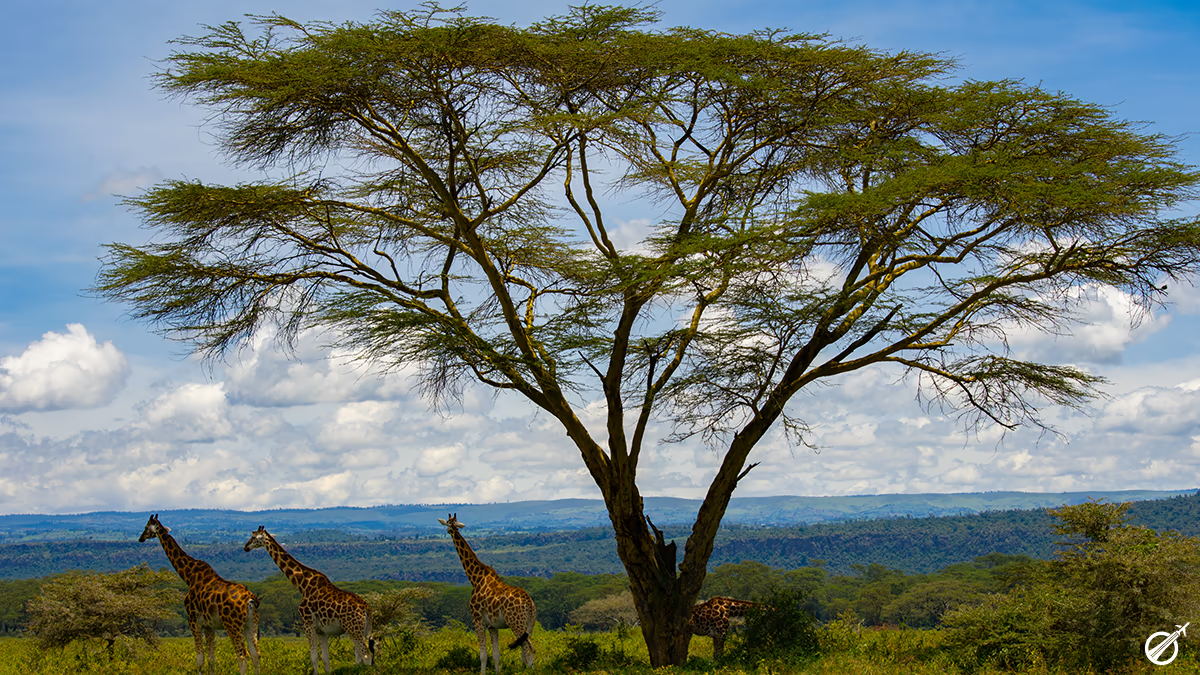
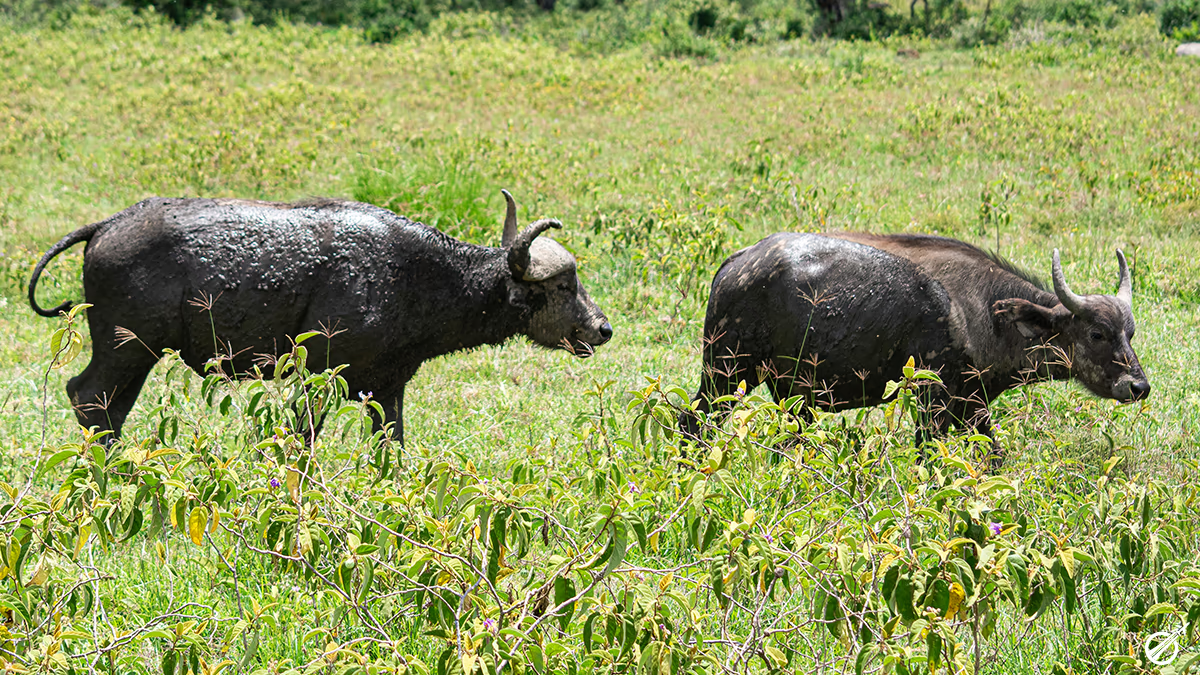
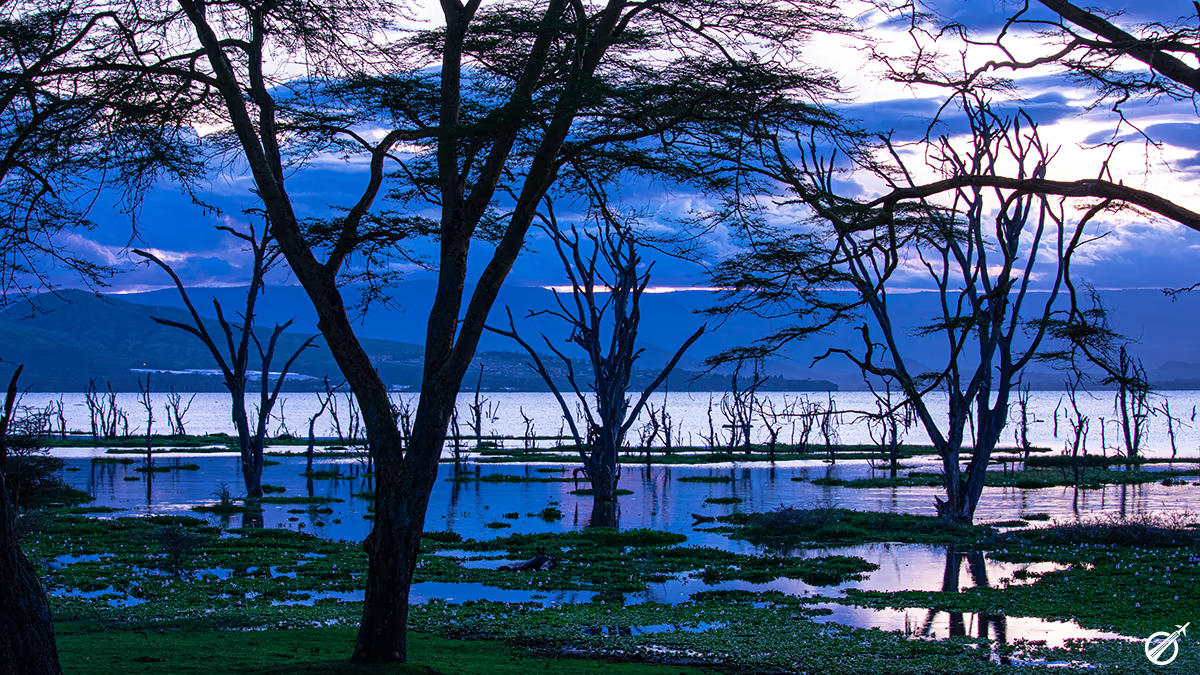
Nakuru is more alkaline, and the land around is populated with black and white rhino, giraffes, buffalo, and baboons. Wondrous views are available from several great safari camps all around the lake, making for serene romantic getaways and gentle mornings.
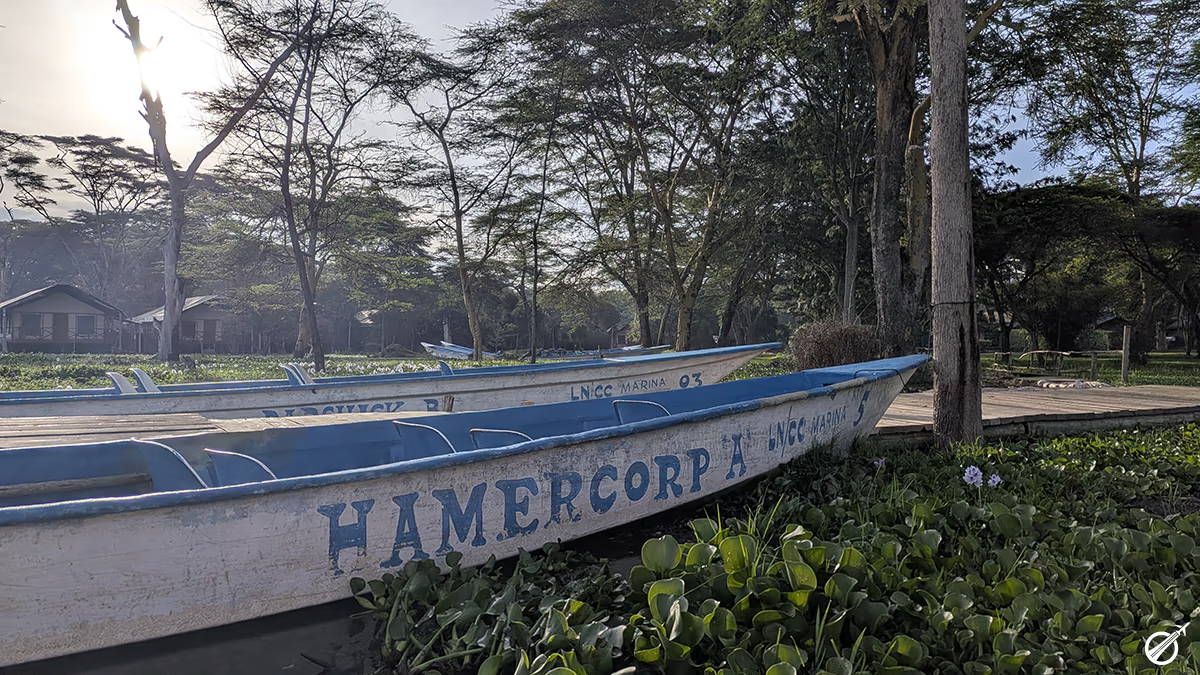
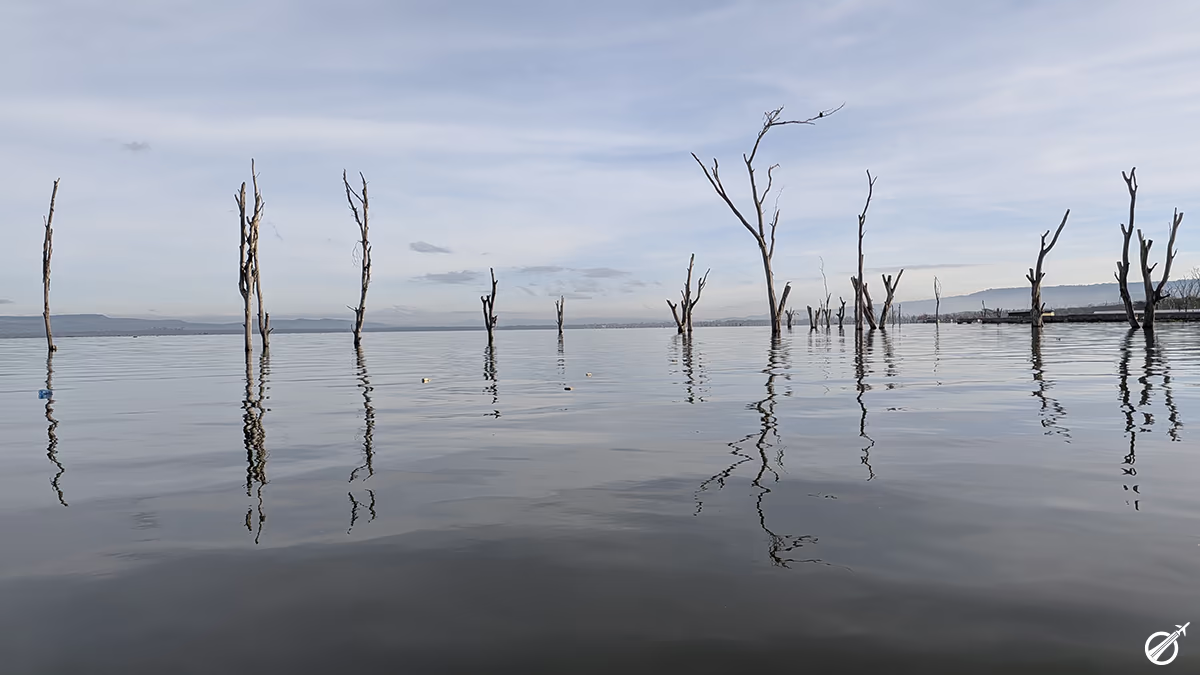
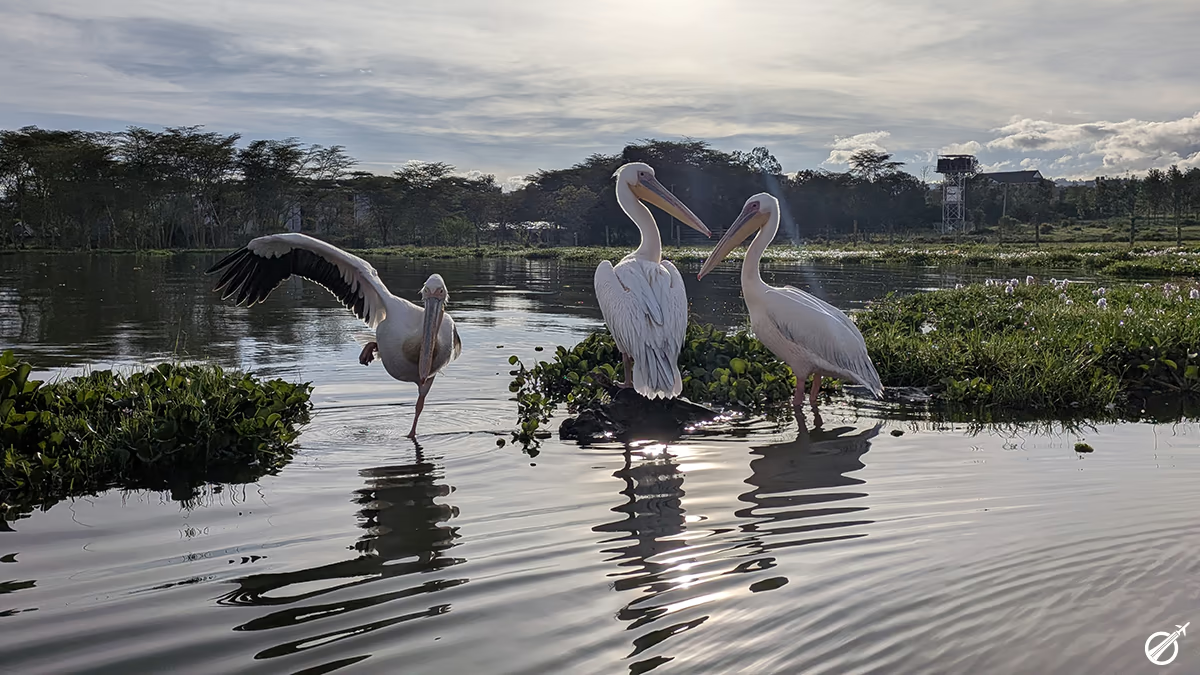
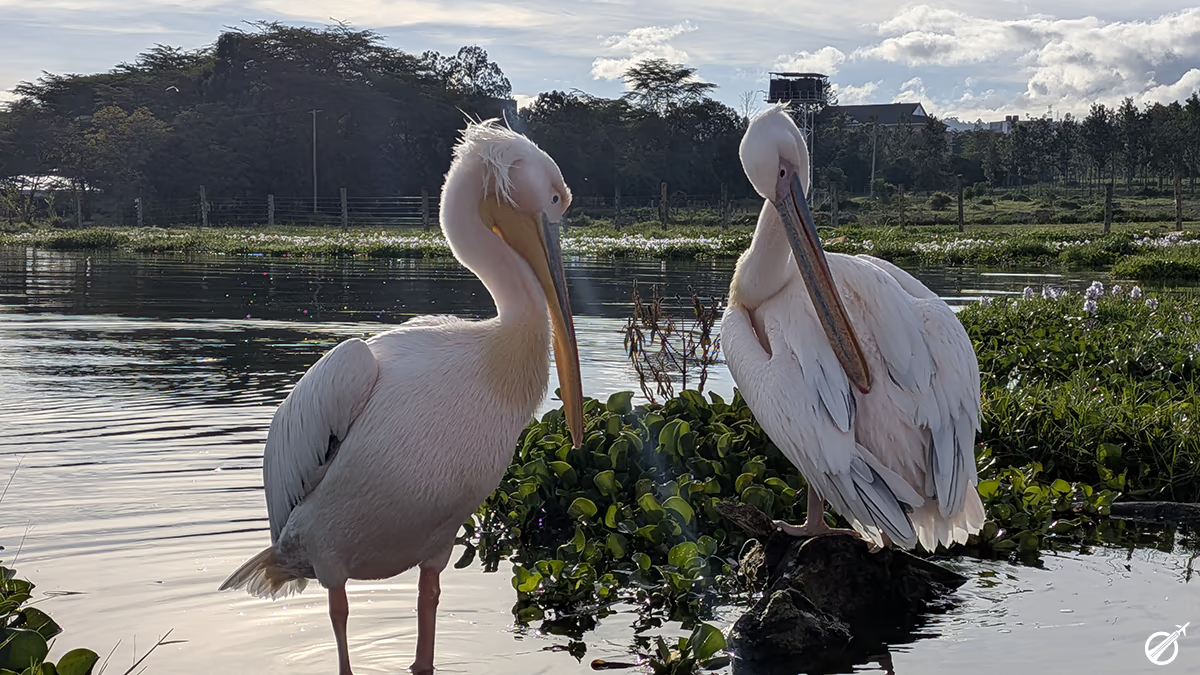
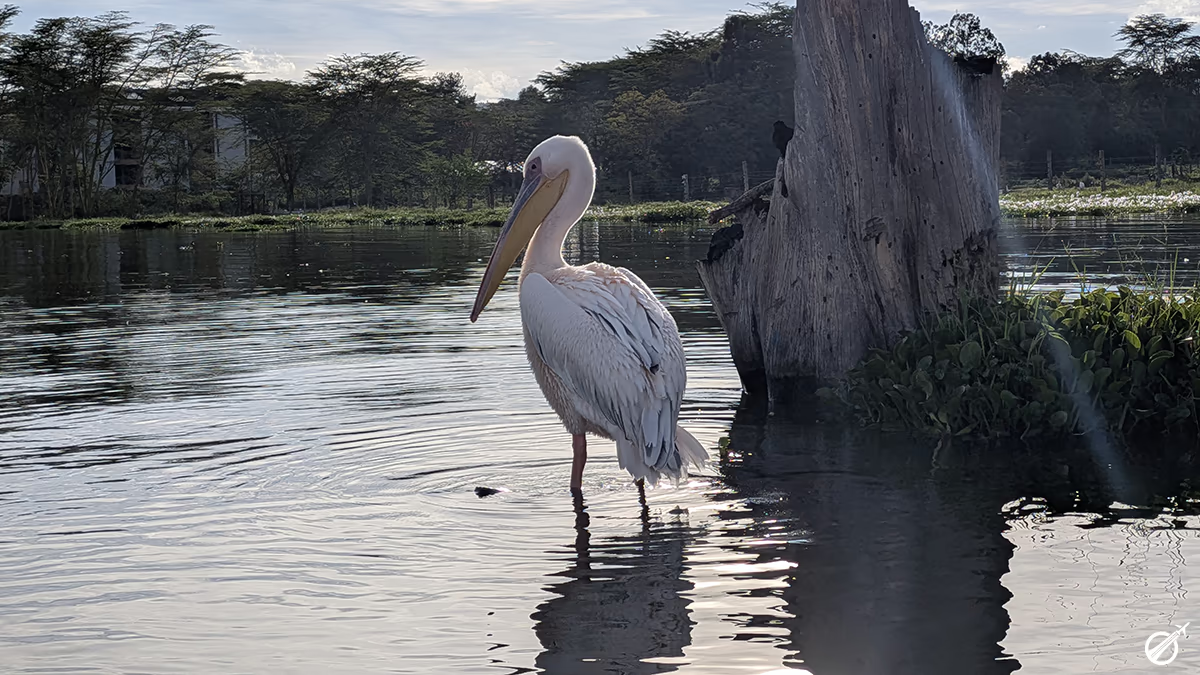
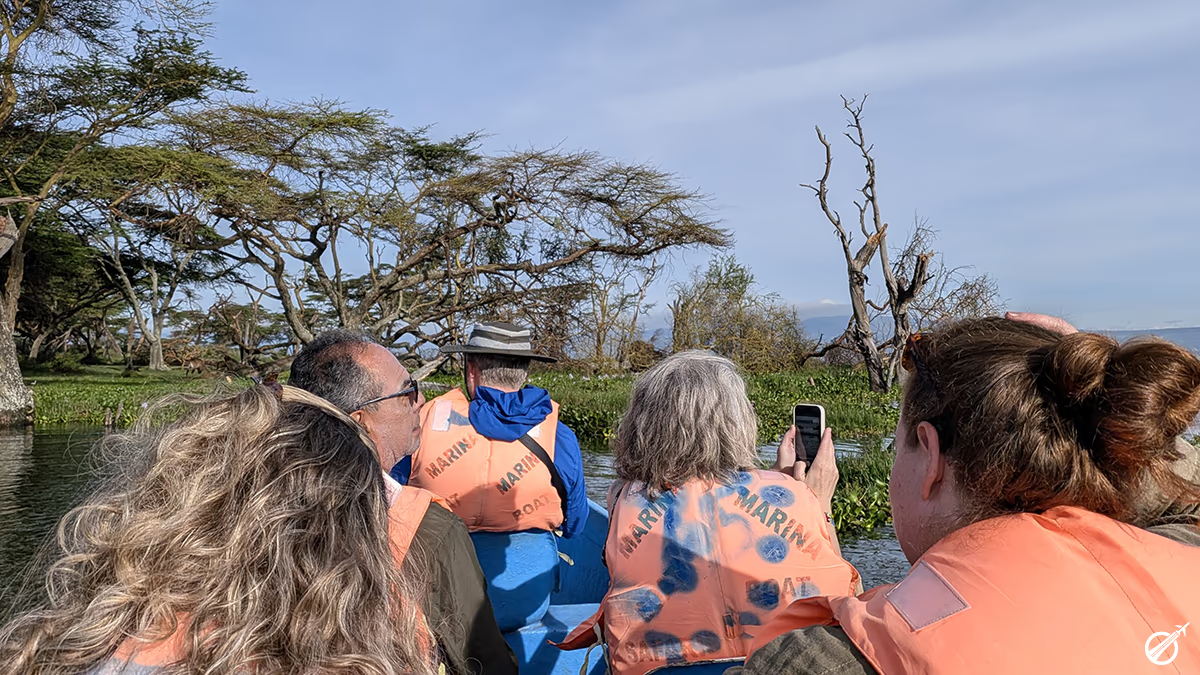
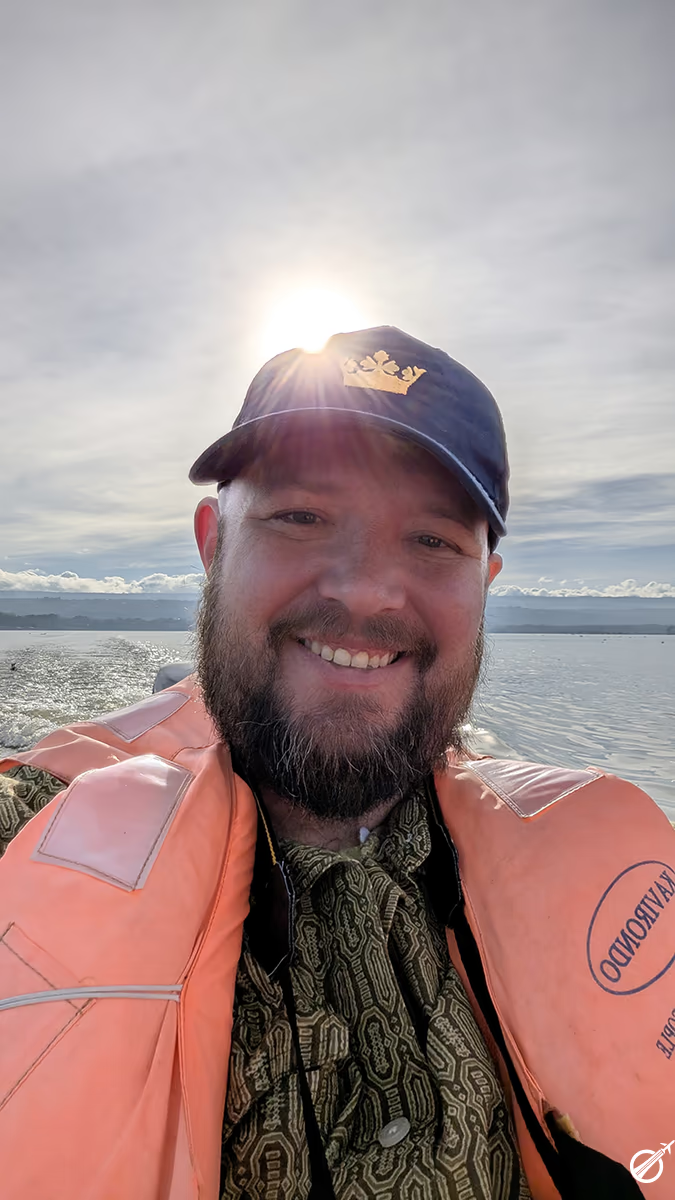
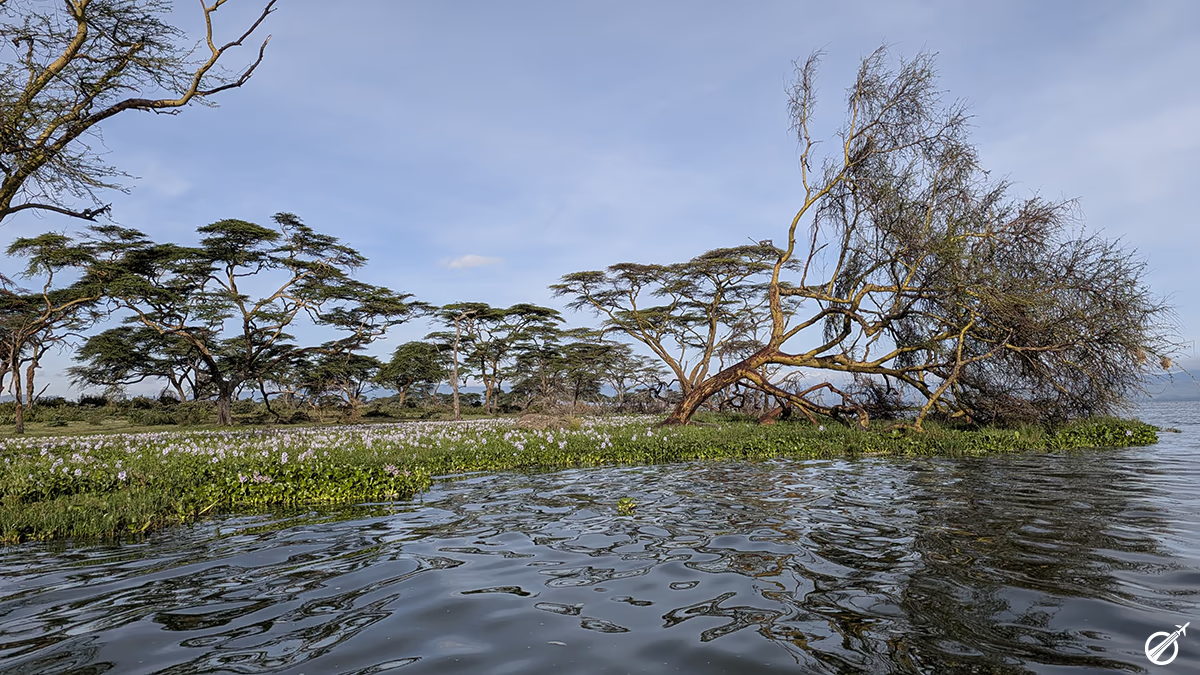
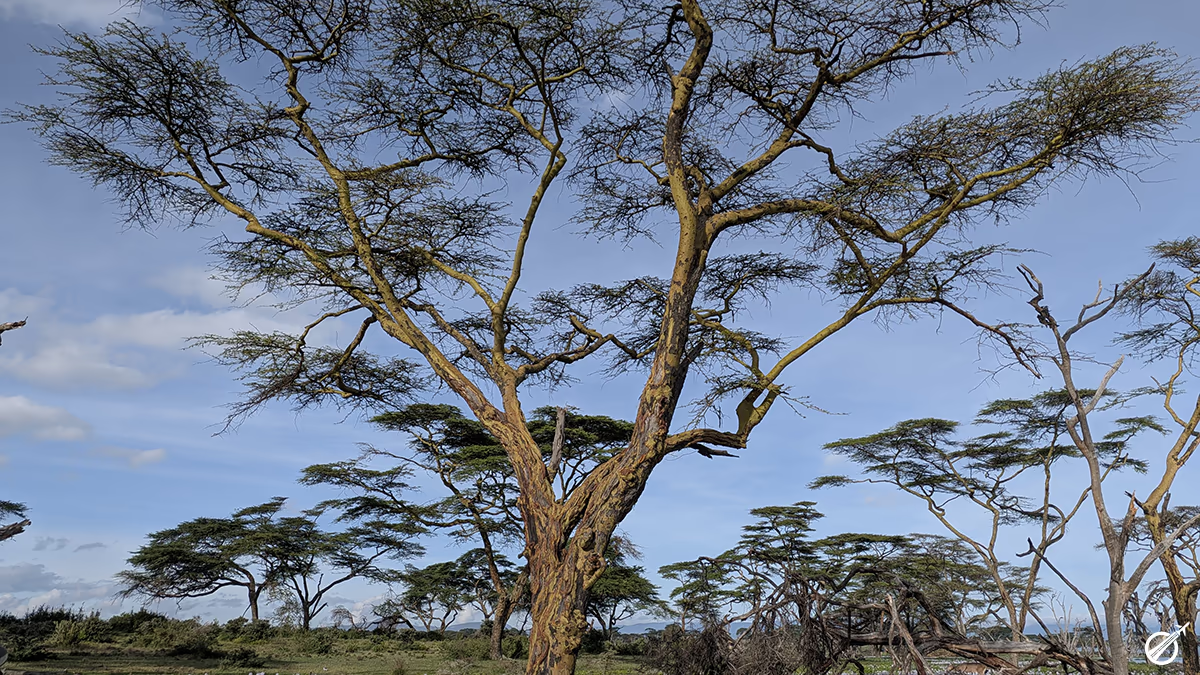
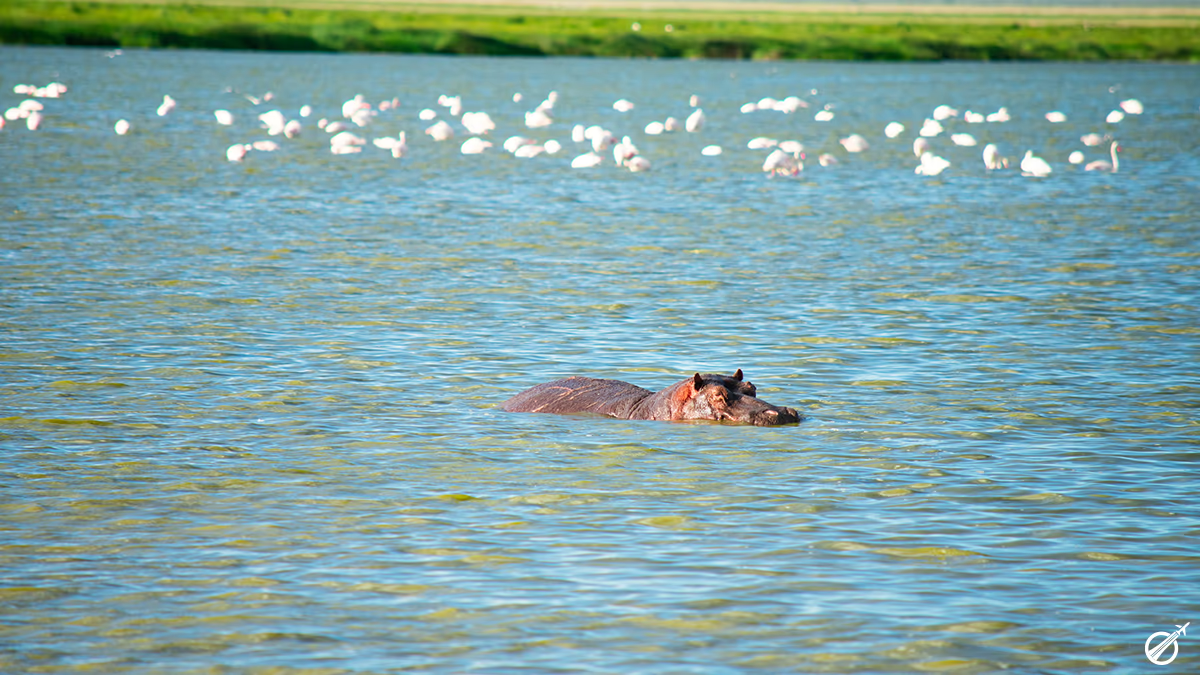
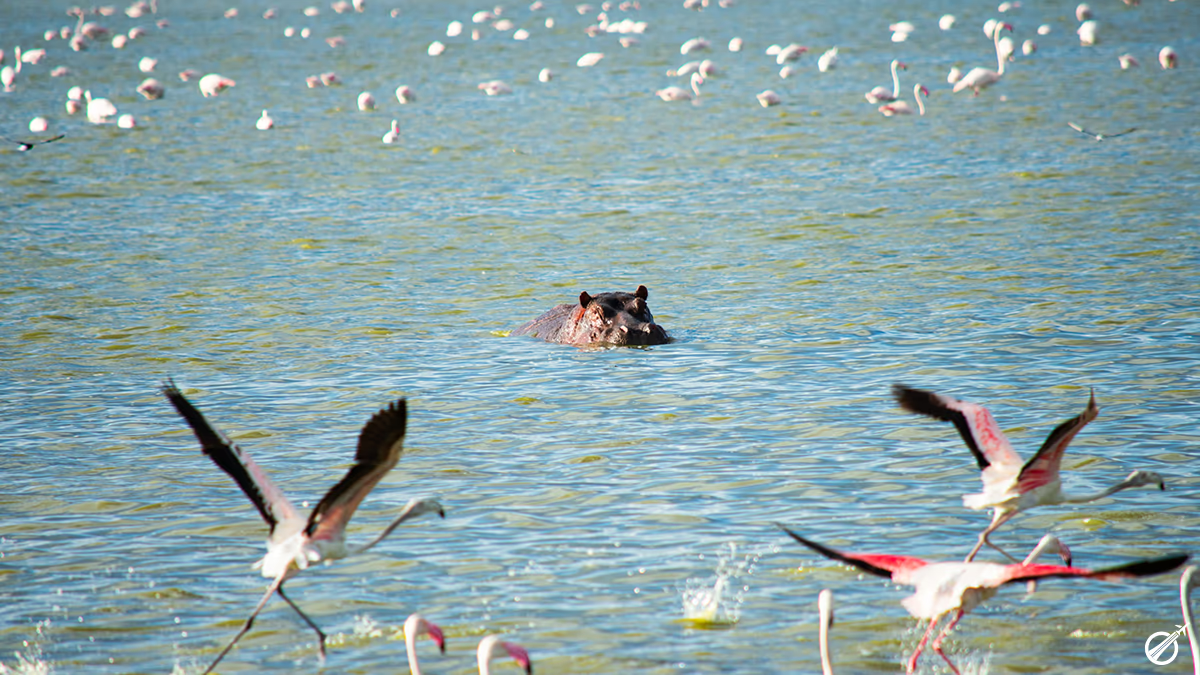
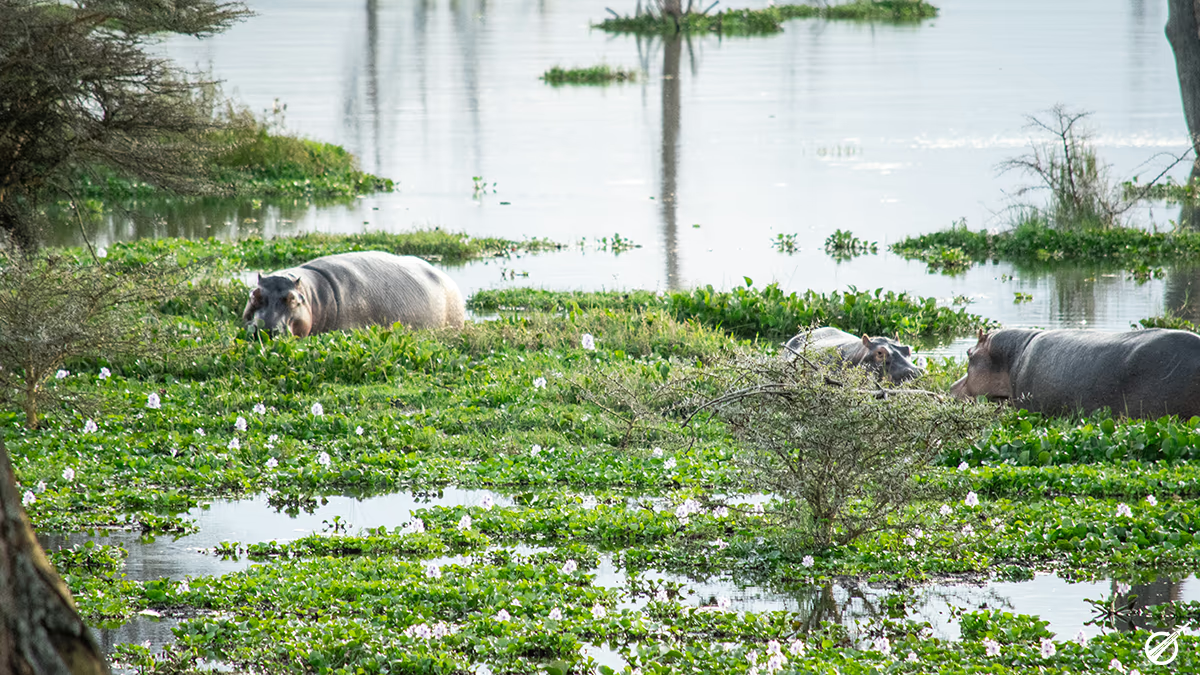
To get the most of Lake Naivasha, we board a small canoe. The lake was once dangerously low, until about 15 years ago water levels started to rise again. We gently glide past the flooded remnants of docks, boat houses, and trees, through the forests of water lillies to come upon grazing waterbucks, pelicans, and hippos who barely notice us. We even get to see a swooping eagle descent upon a snack just meters from our boat (thanks to a thrown treat from our guide).
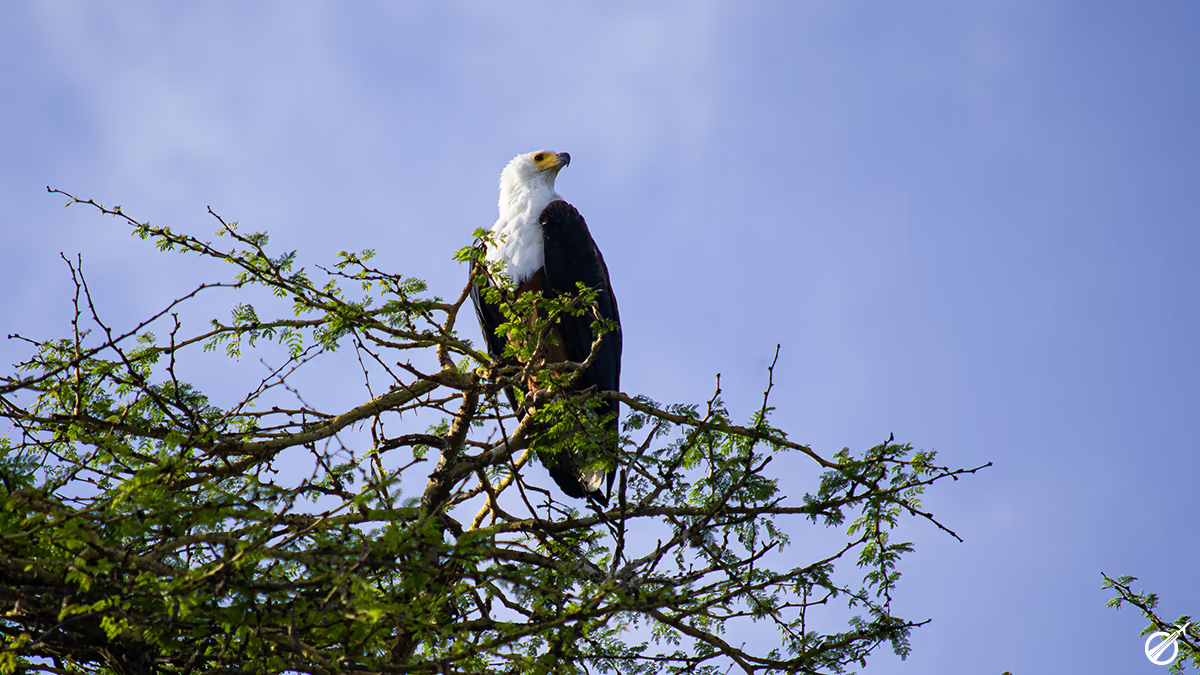
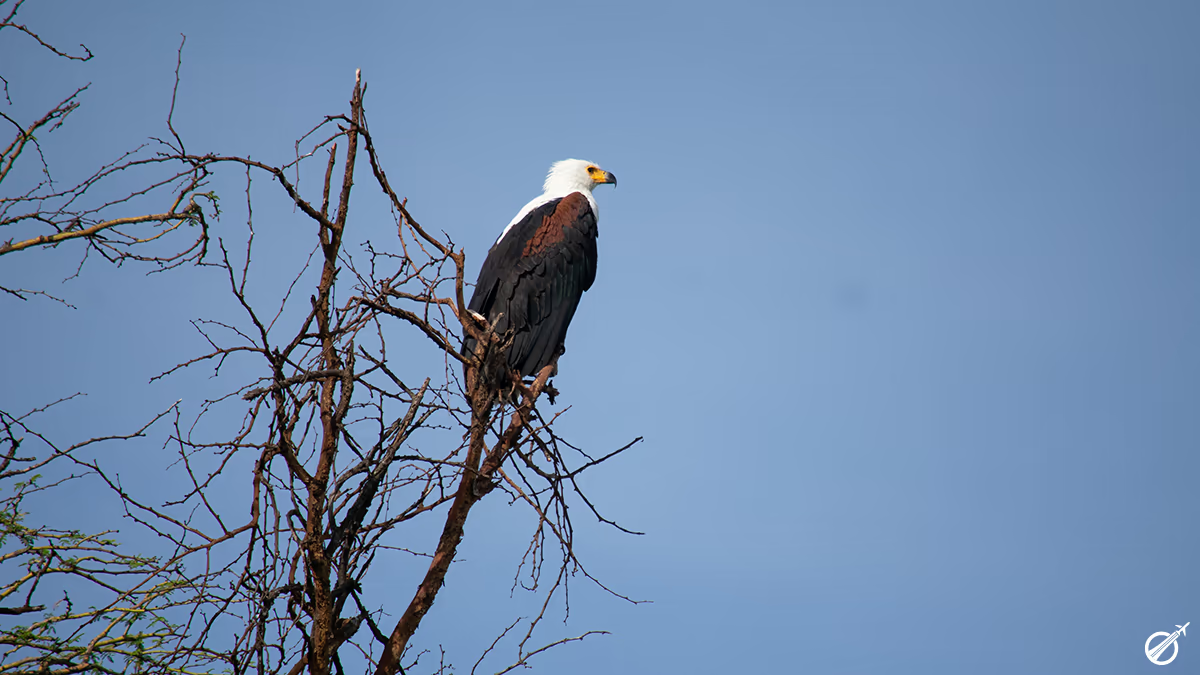
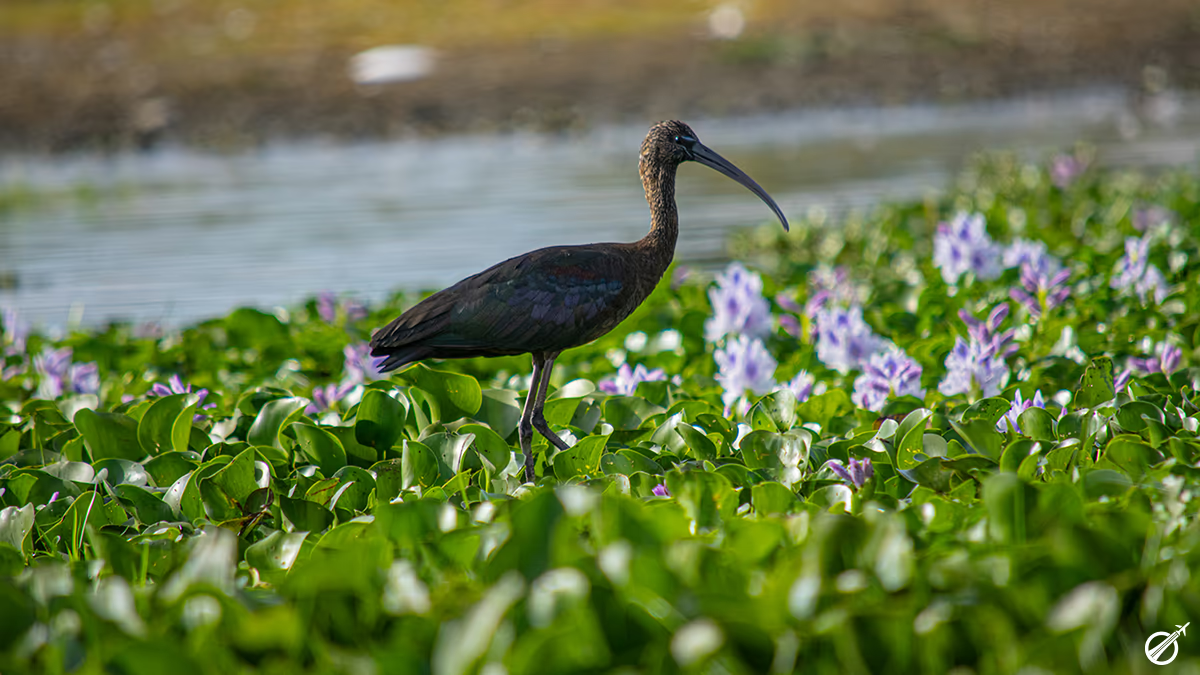
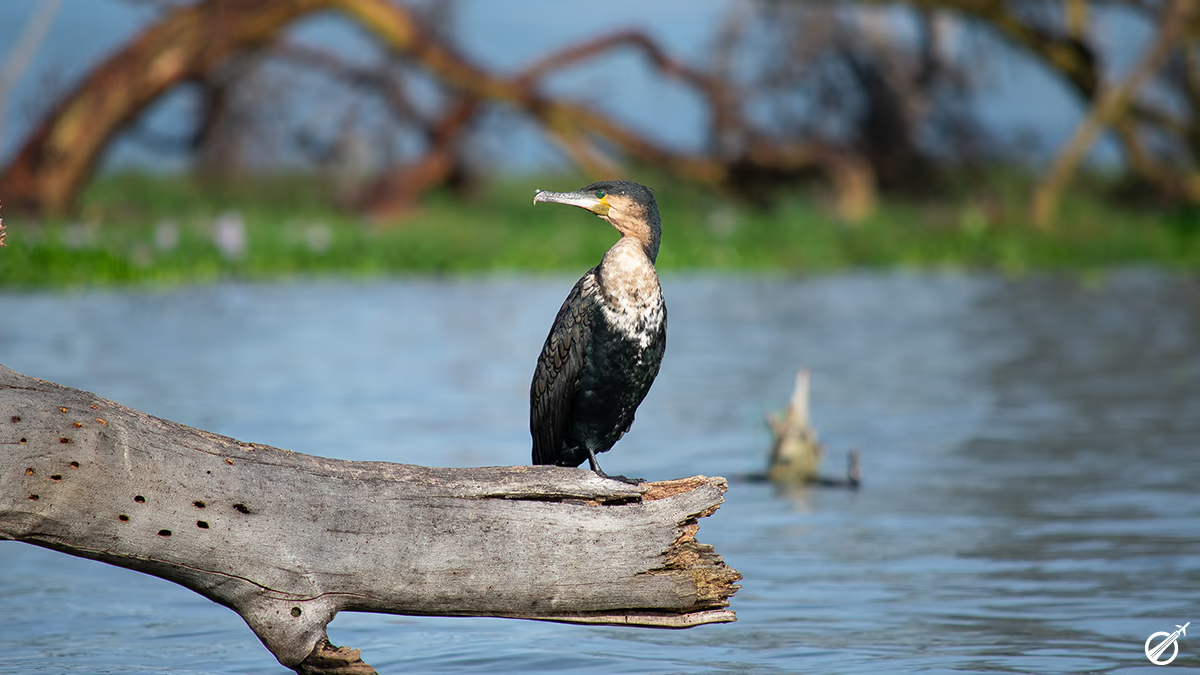
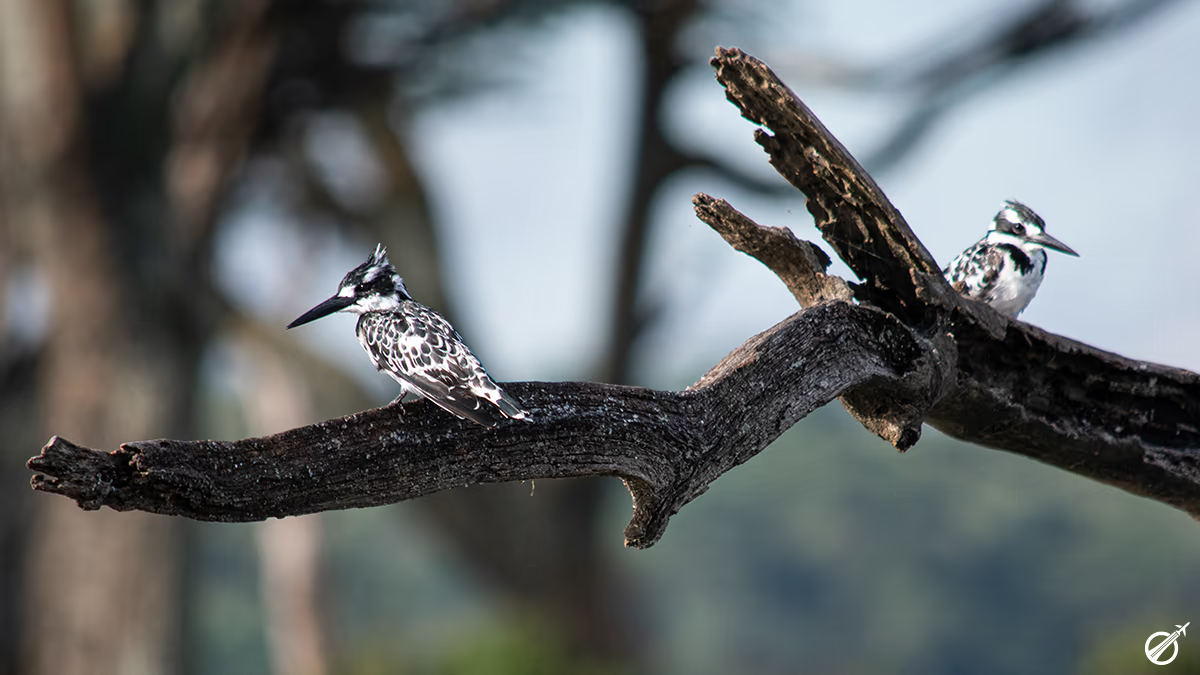
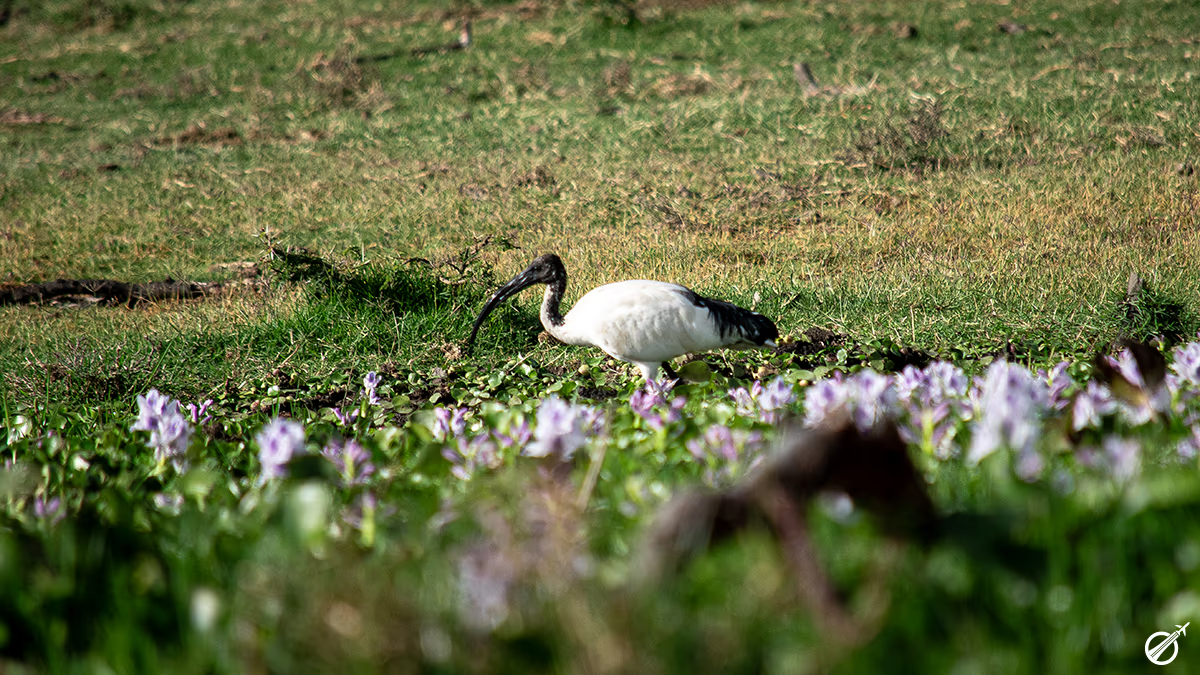
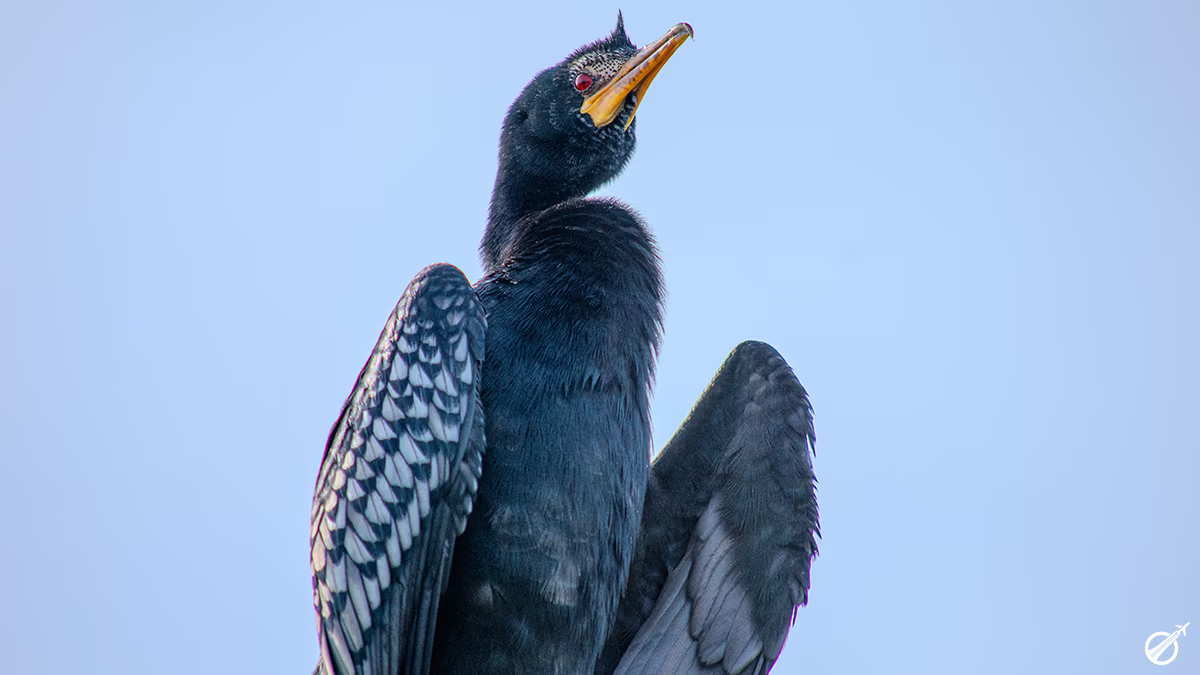
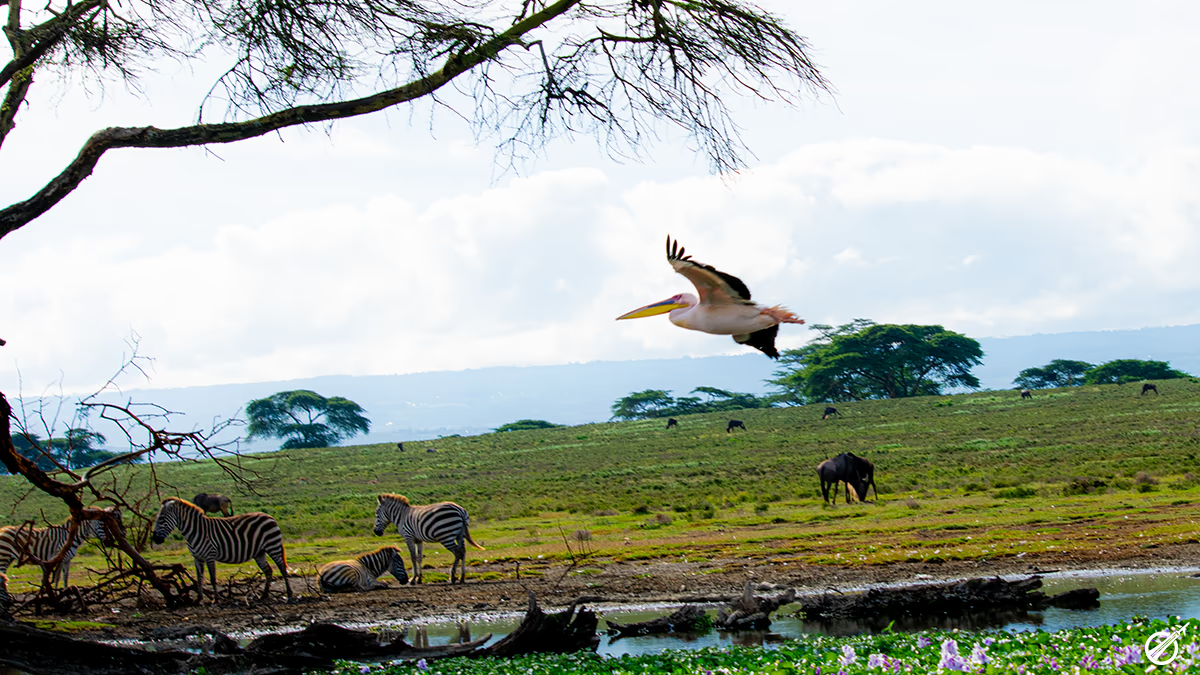
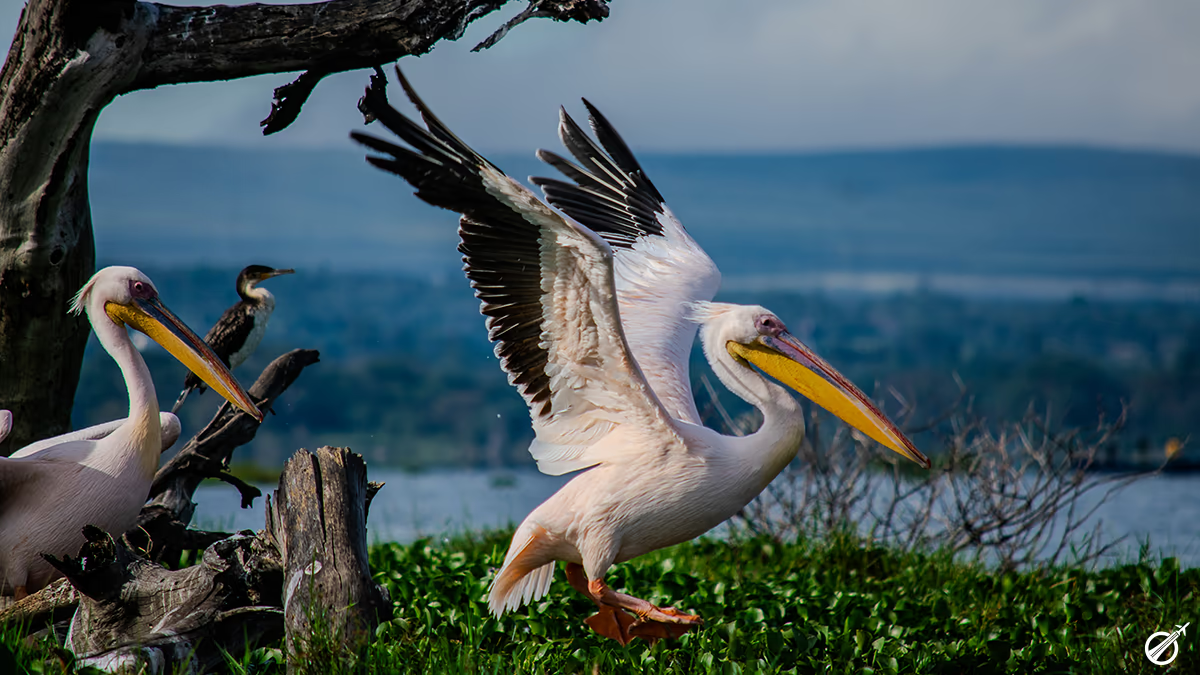
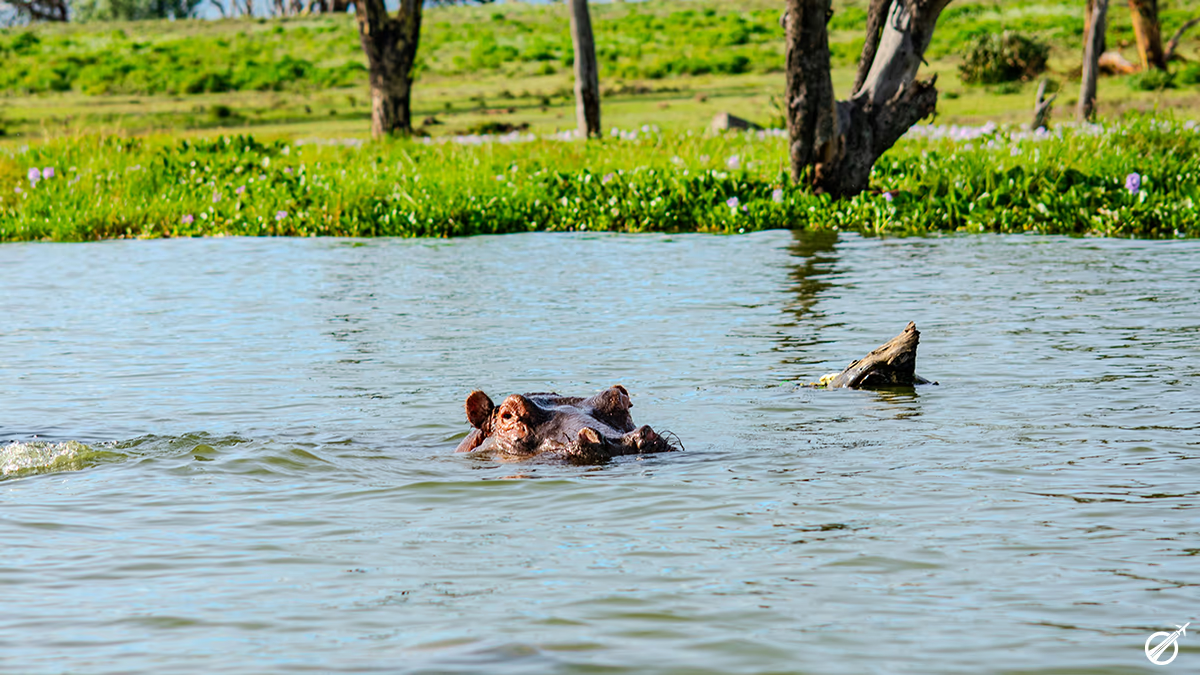
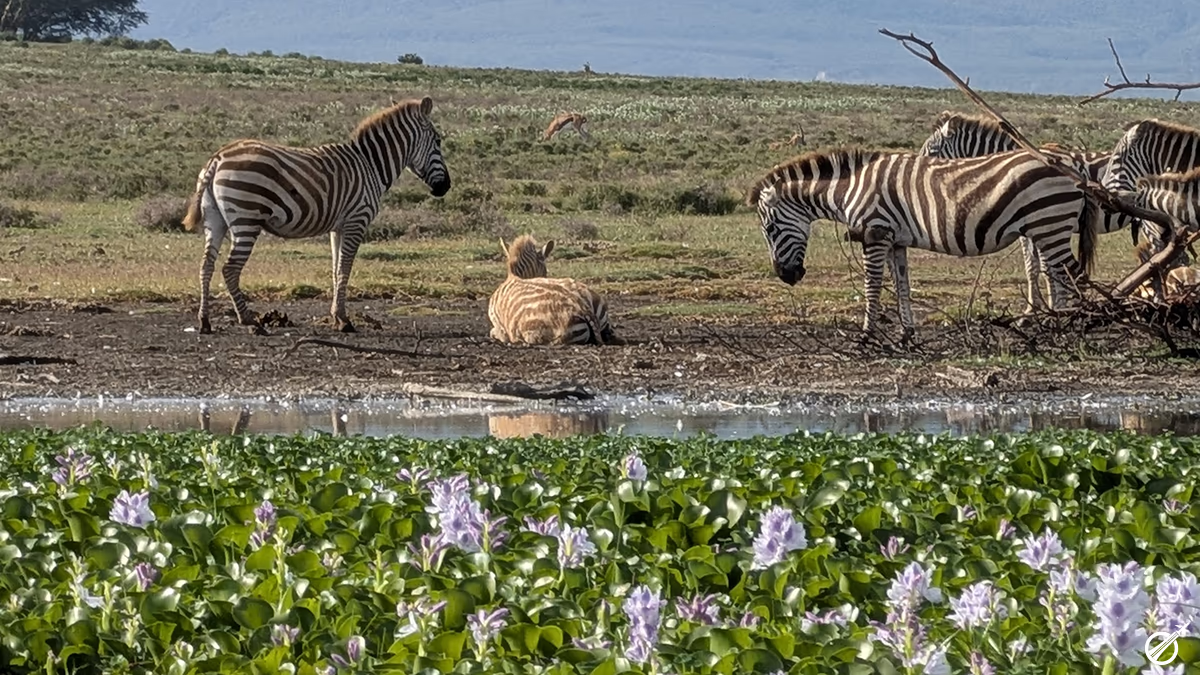
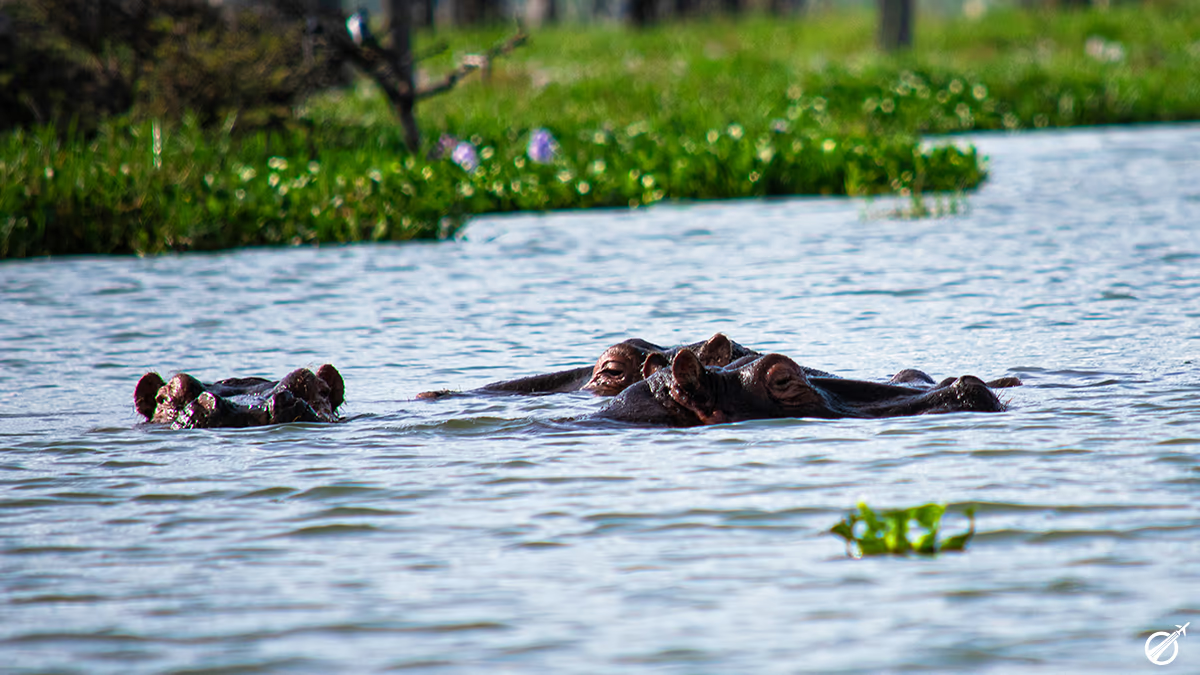
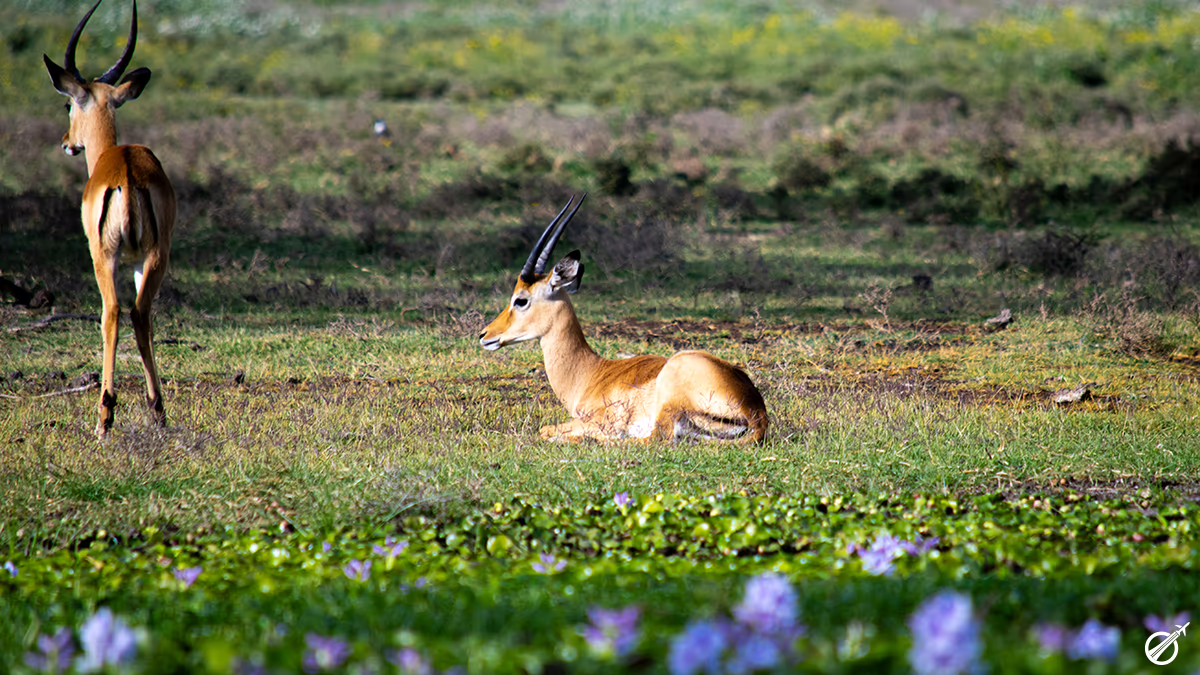
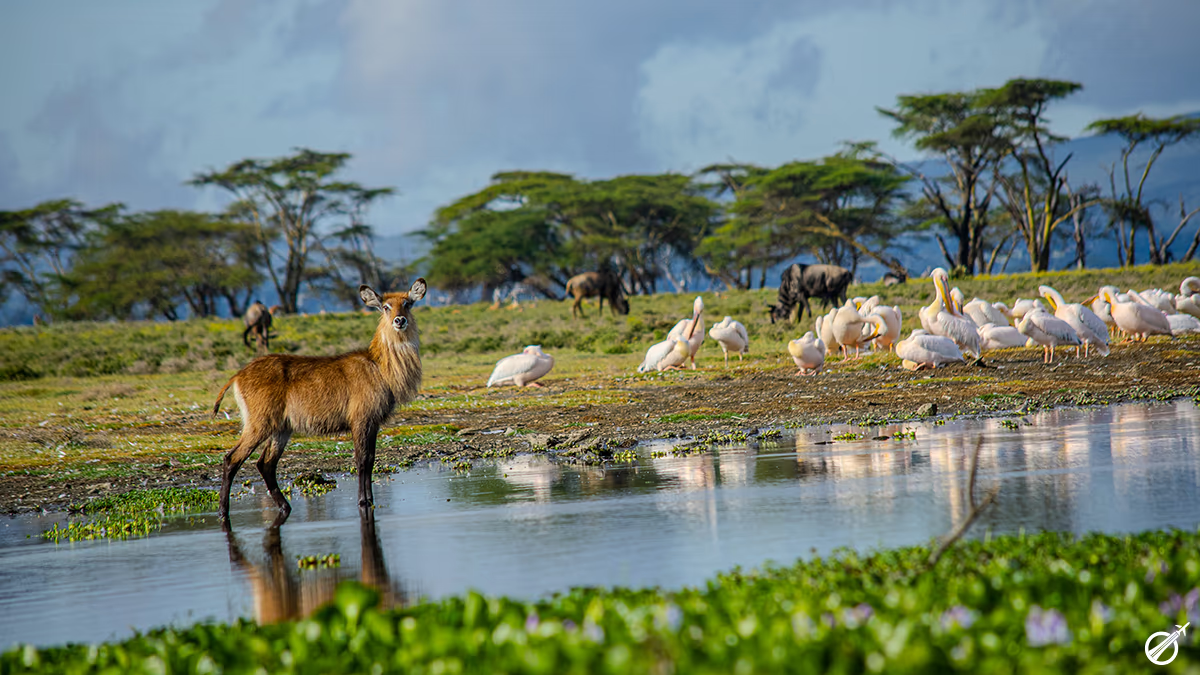
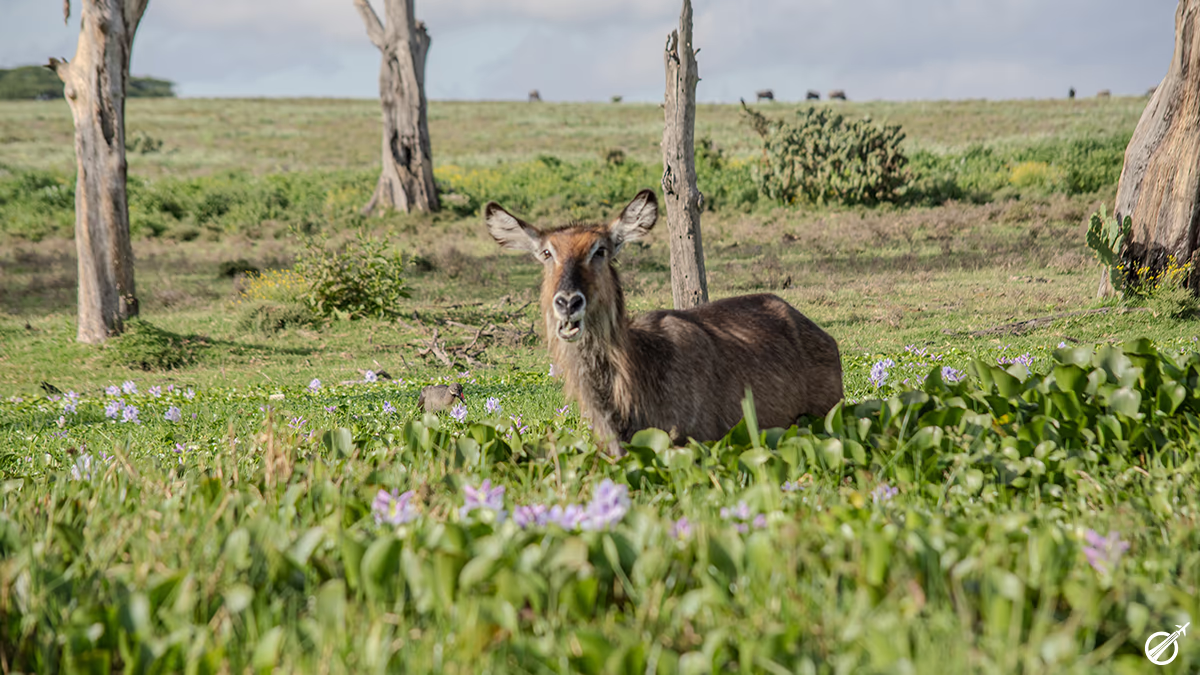
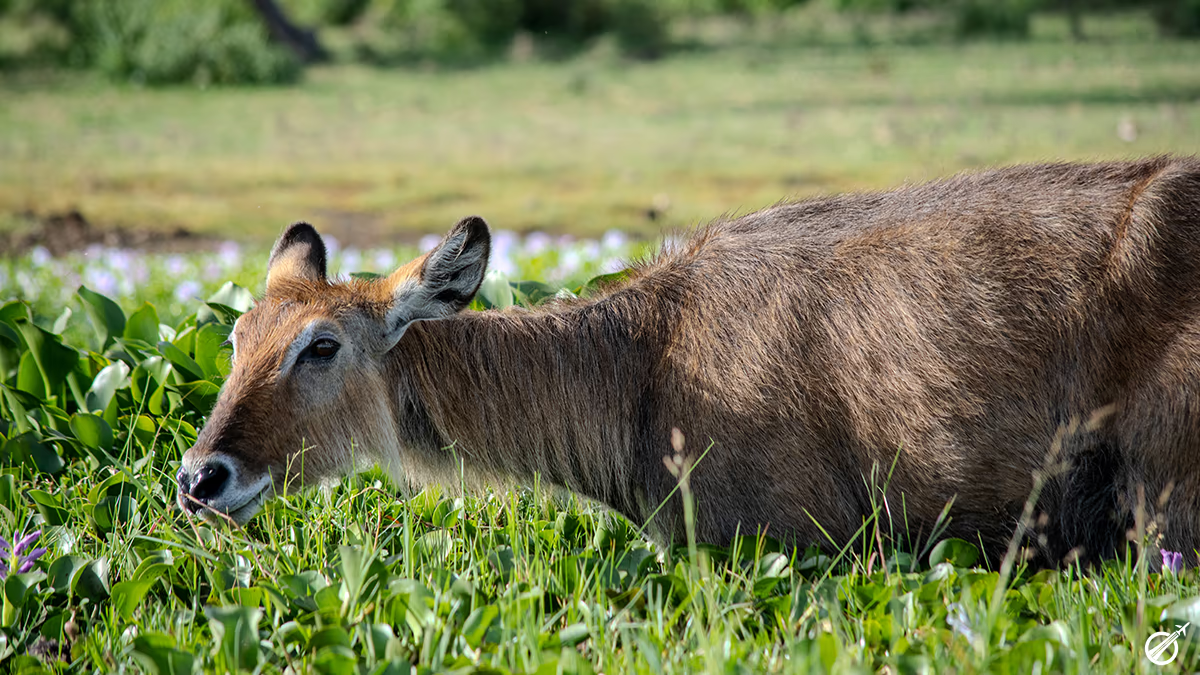
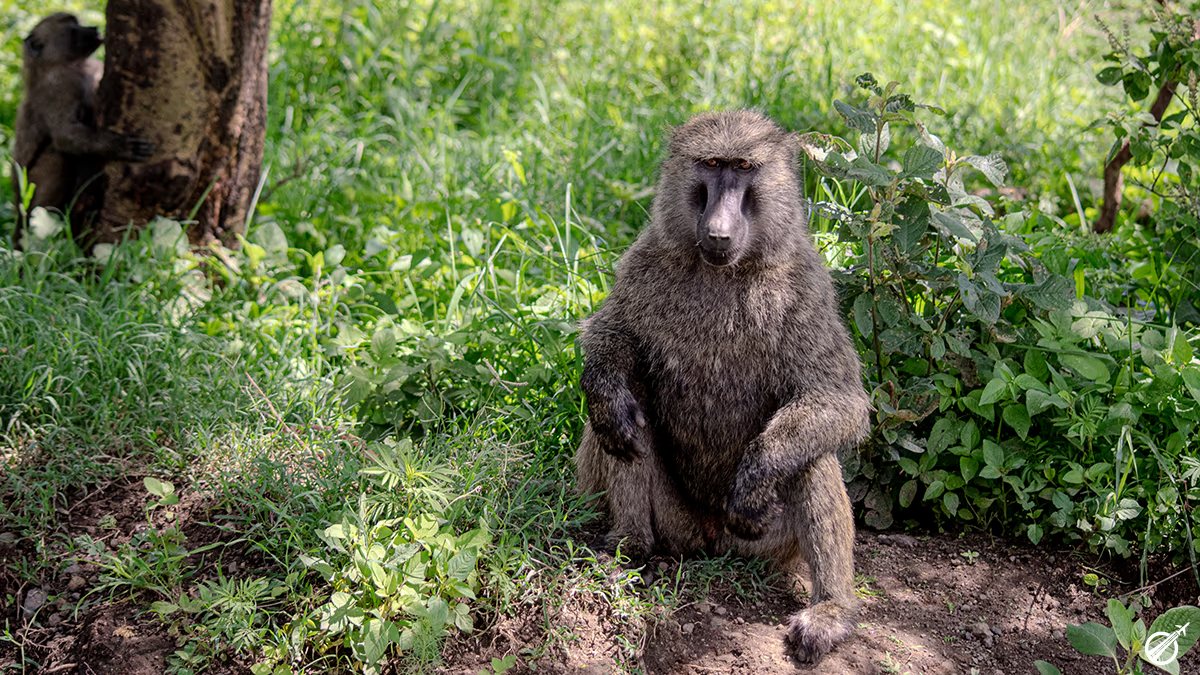
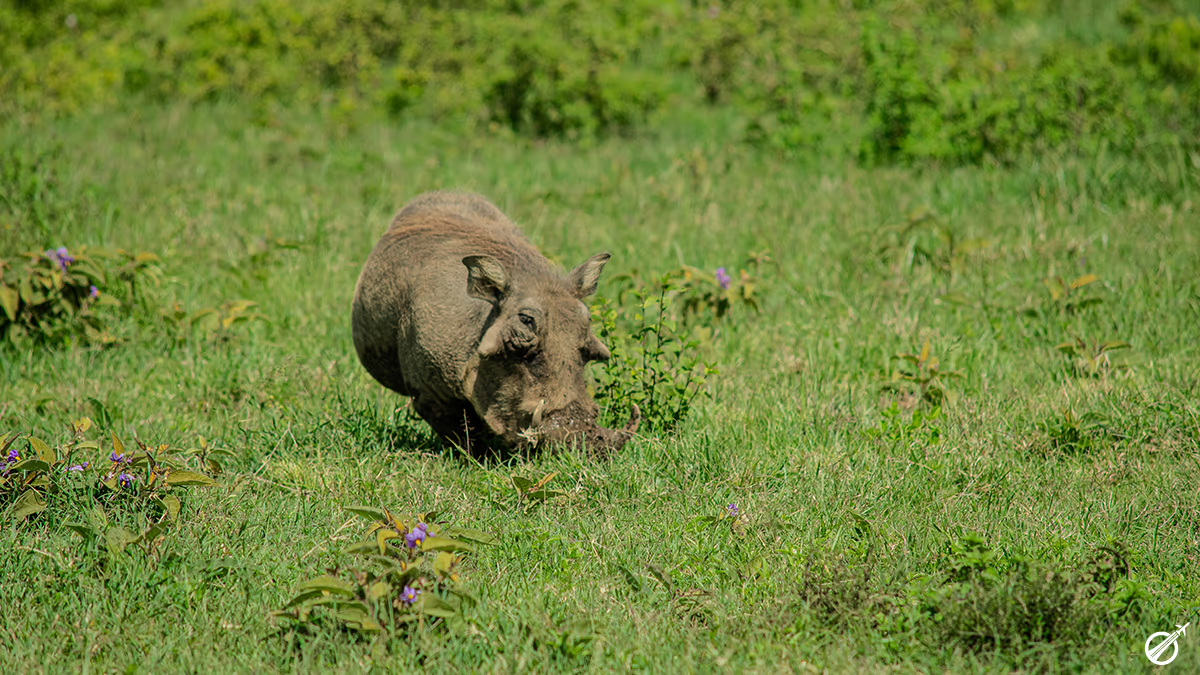
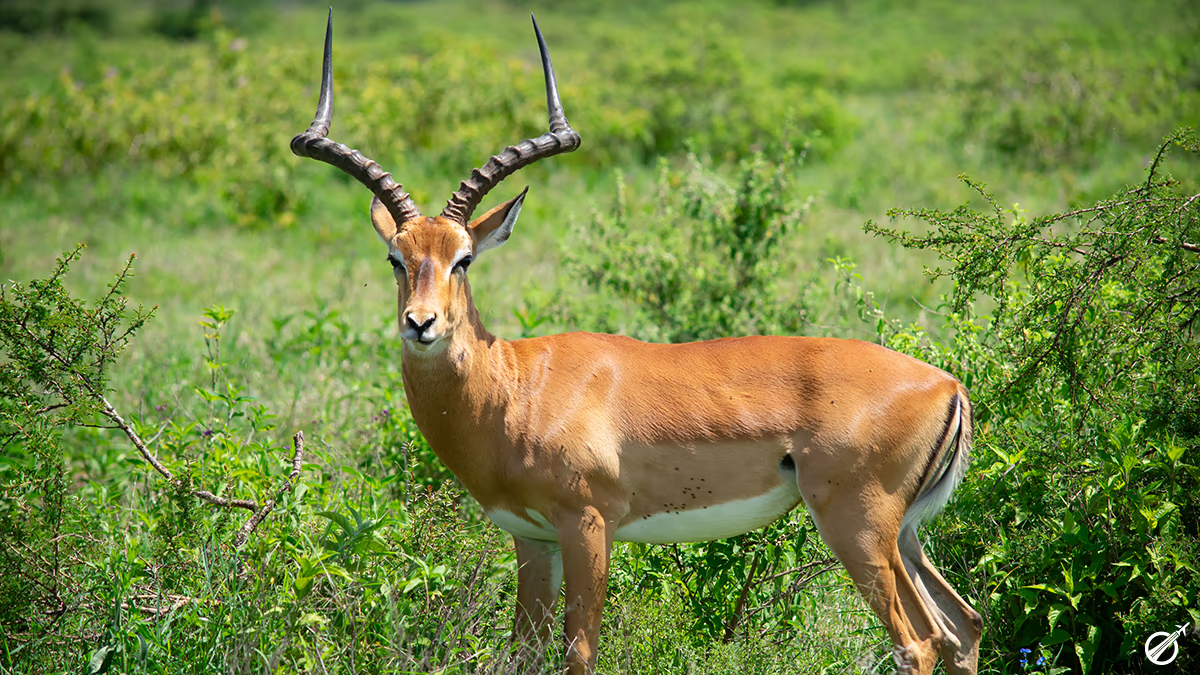
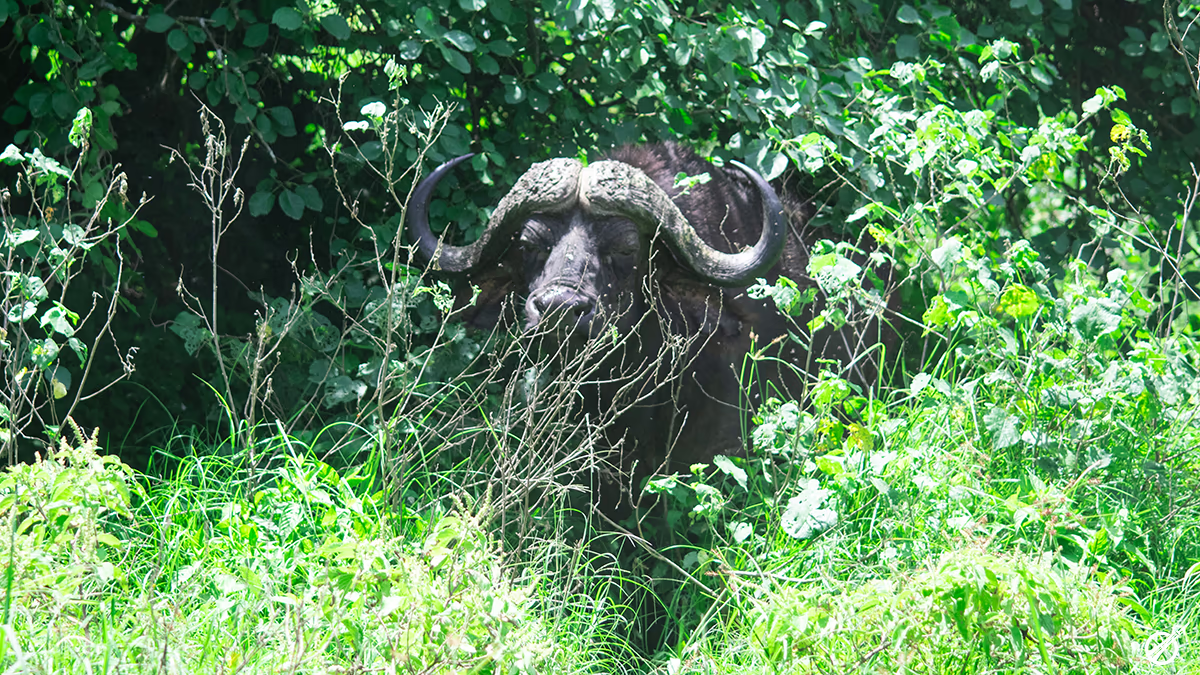
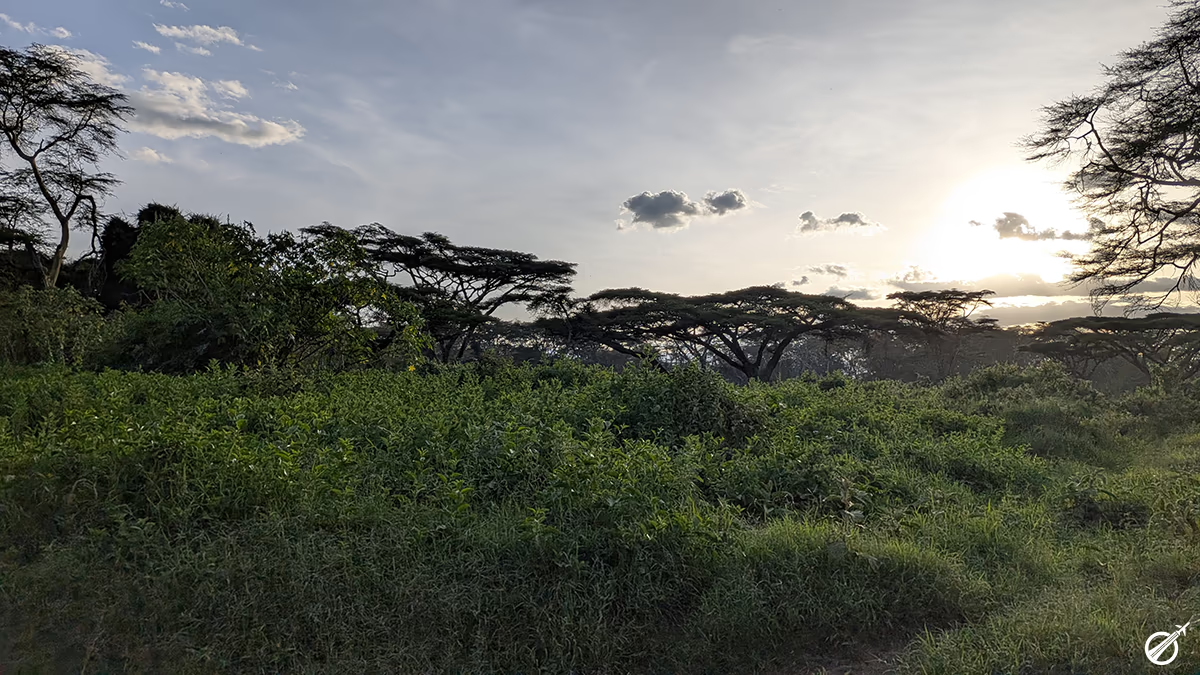
The lush green jungles surrounding Lake Nakuru are teeming with fauna. Playful baboons, regal antelope, the occasional dik dik. We also check off more of our lists, with fresh sightings of black & white rhinos, cape buffalo, and my new favorite animal: the goofy warthog. (The colloquial name for them Pumbaa, yes like The Lion King and is swahili for silly walk.)
Chapter 5: Maasai Mara - Everything the Light Touches
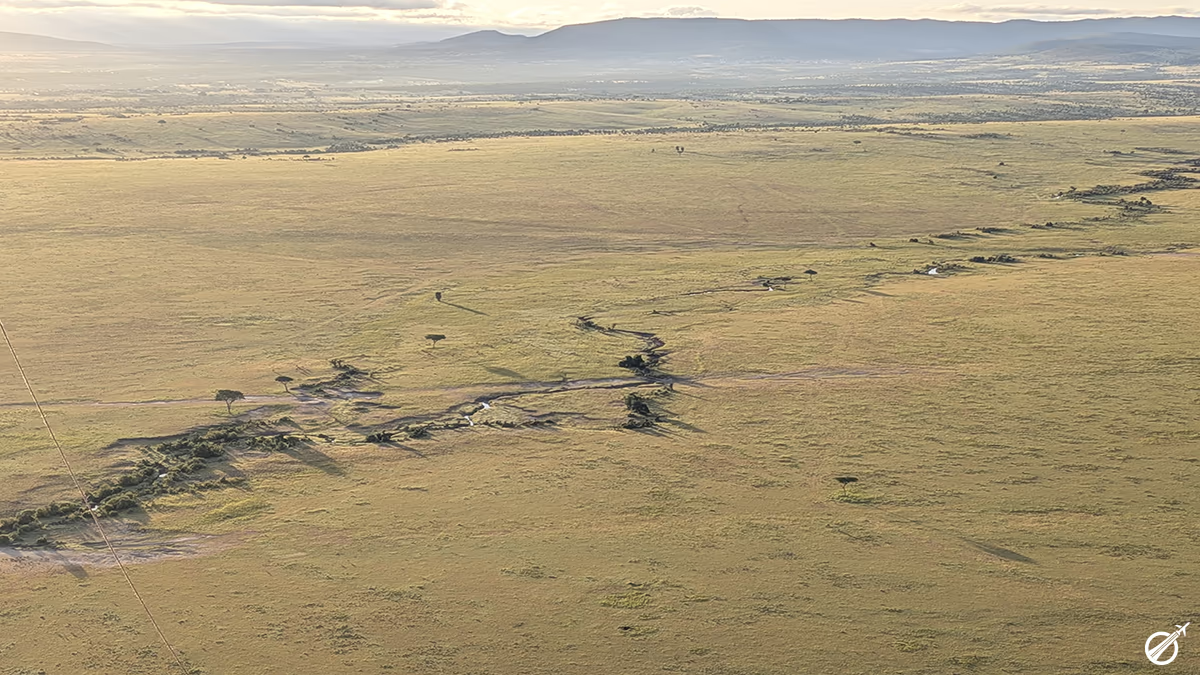
Remember in The Lion King where Mufasa shows Simba everything the light touches on Pride Rock? That's kind of what it's like to drive through the Mara. A huge national park more than 500 square miles, dotted with solitary acacia trees and surrounded by hills of shadows, the Maasai Mara is an essential destination for any safari. We spent a few days here, and we finally found the big cats we'd been searching for all week.
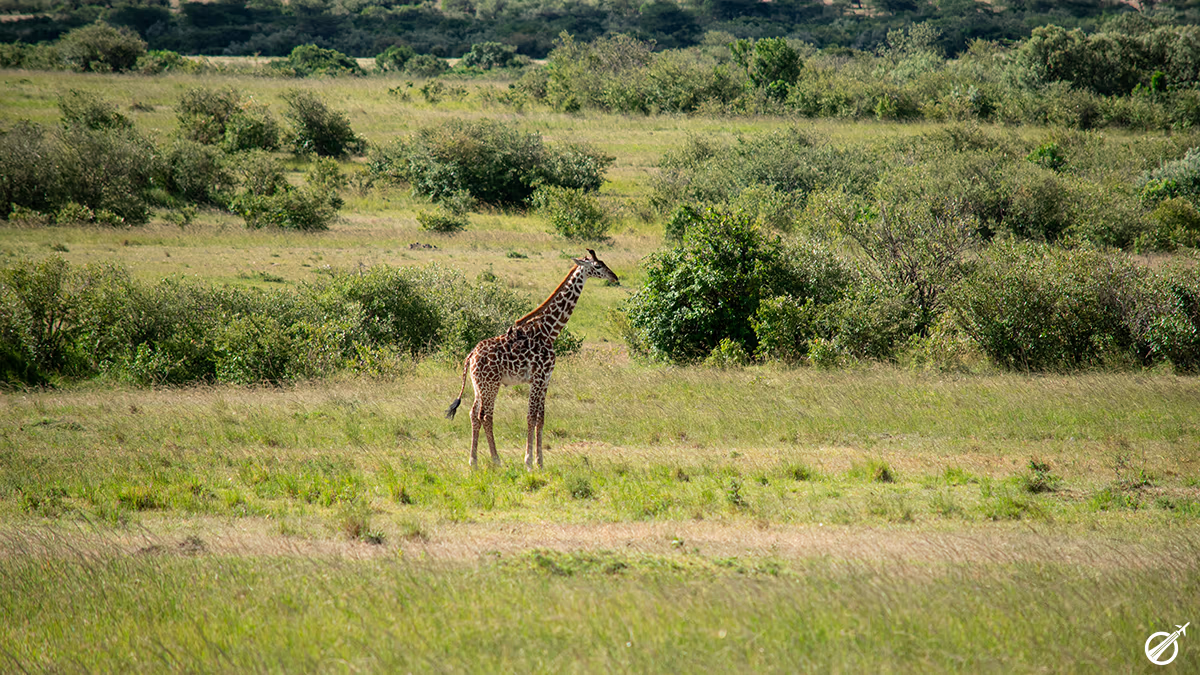
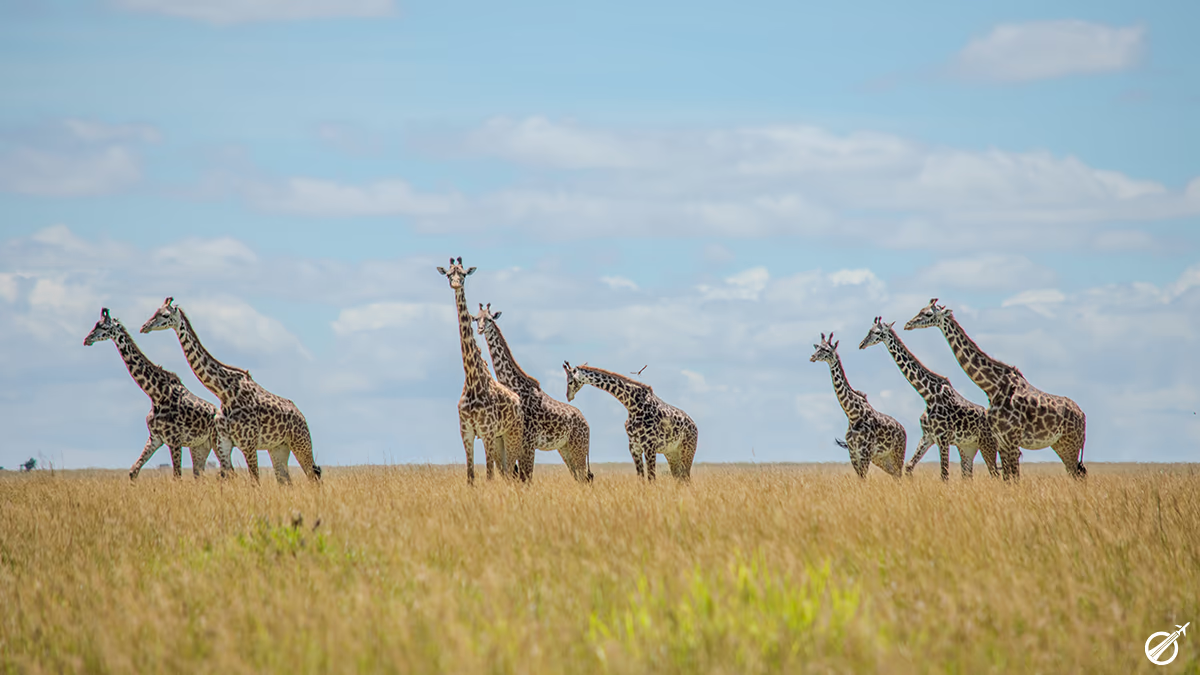
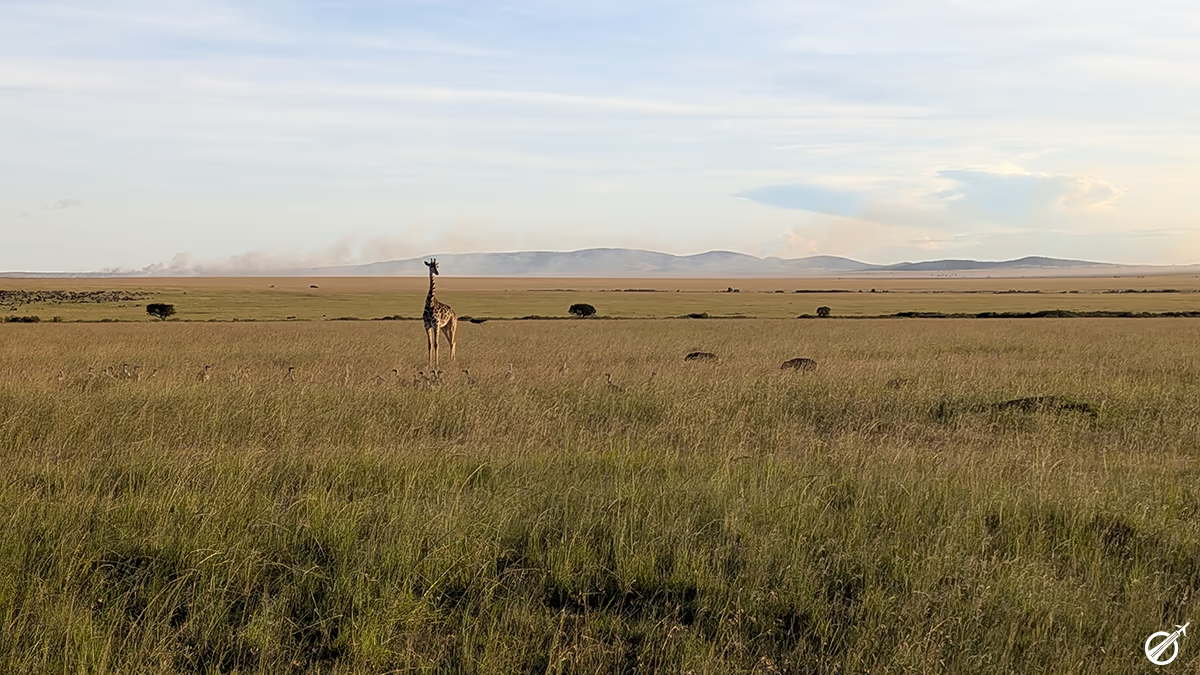
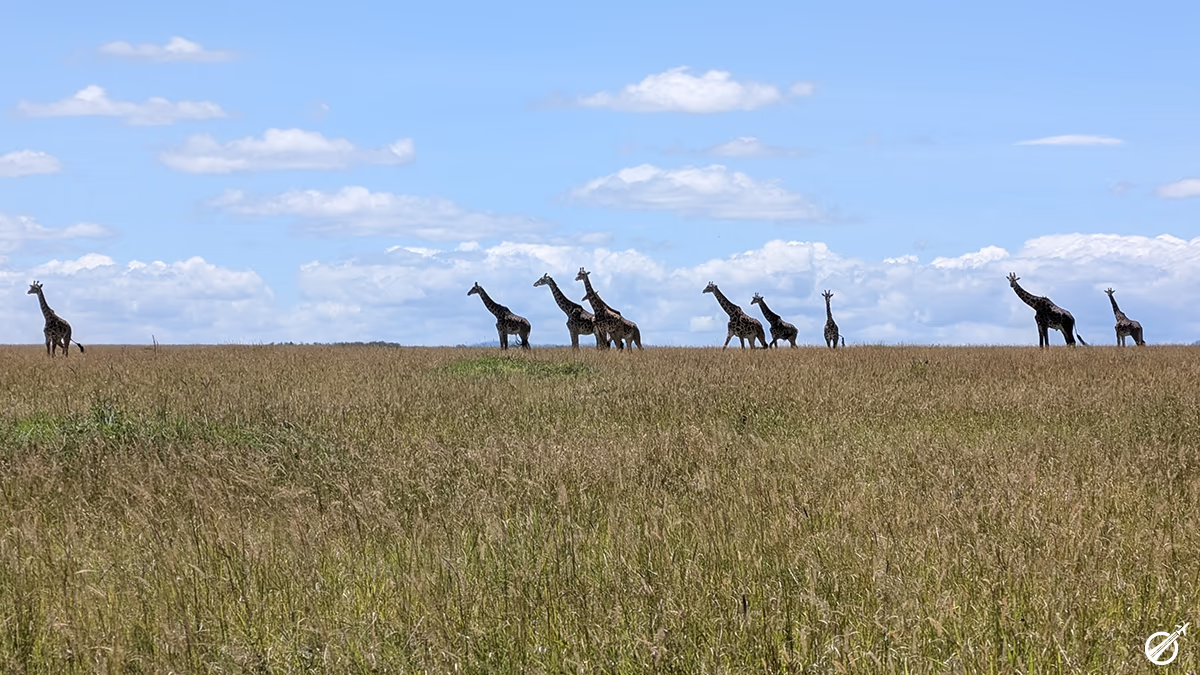
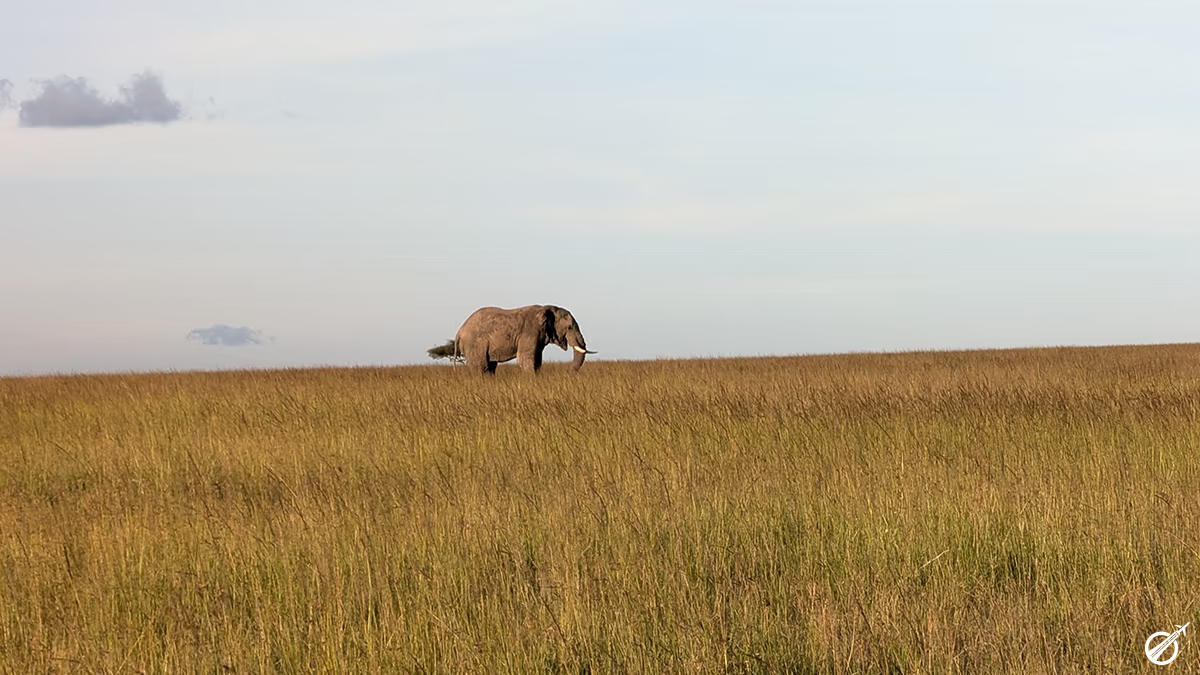
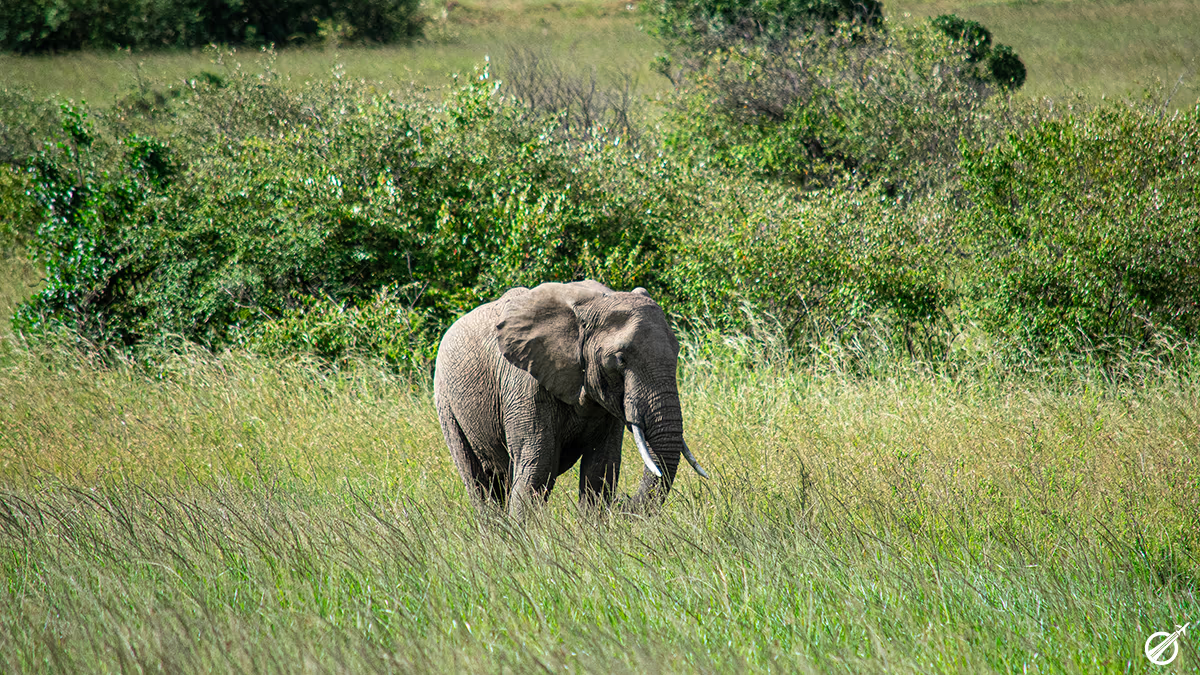
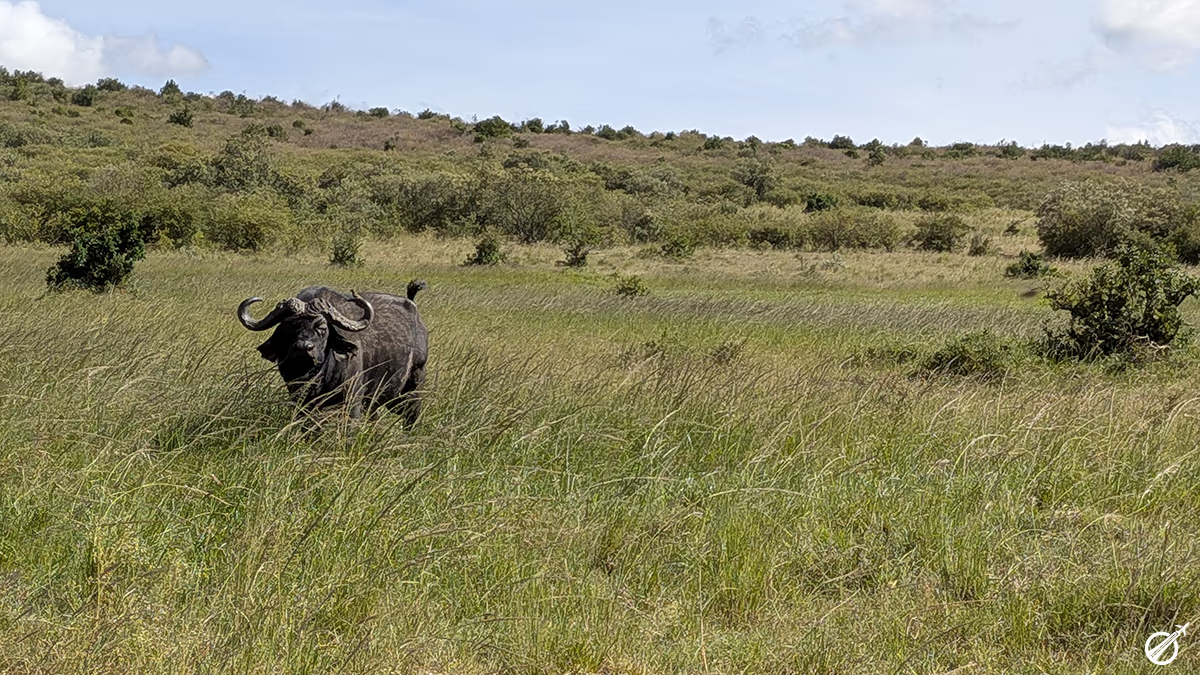
We had a mission when we reached the Mara. We'd seen so many giraffe, zebra, and cape buffalo, it was almost boring—which is a really weird thing to think when you're in such an awe-inspiring land on a bucket-list journey. But we were out for cat, we were ready to find the lions, the cheetah, and if we were really lucky, the leopard. We spent the morning driving around, taking in the wondrous views, but we wanted the lions. Our driver was on the VHF radio, chatting with other guides to see if anyone had seen cats.
We ducked into a cul-de-sac of dirt mounds and shrubs, and at first, nothing. As our driver started to back out, I saw the distinctive feline silhouette and shouted "Wait!"
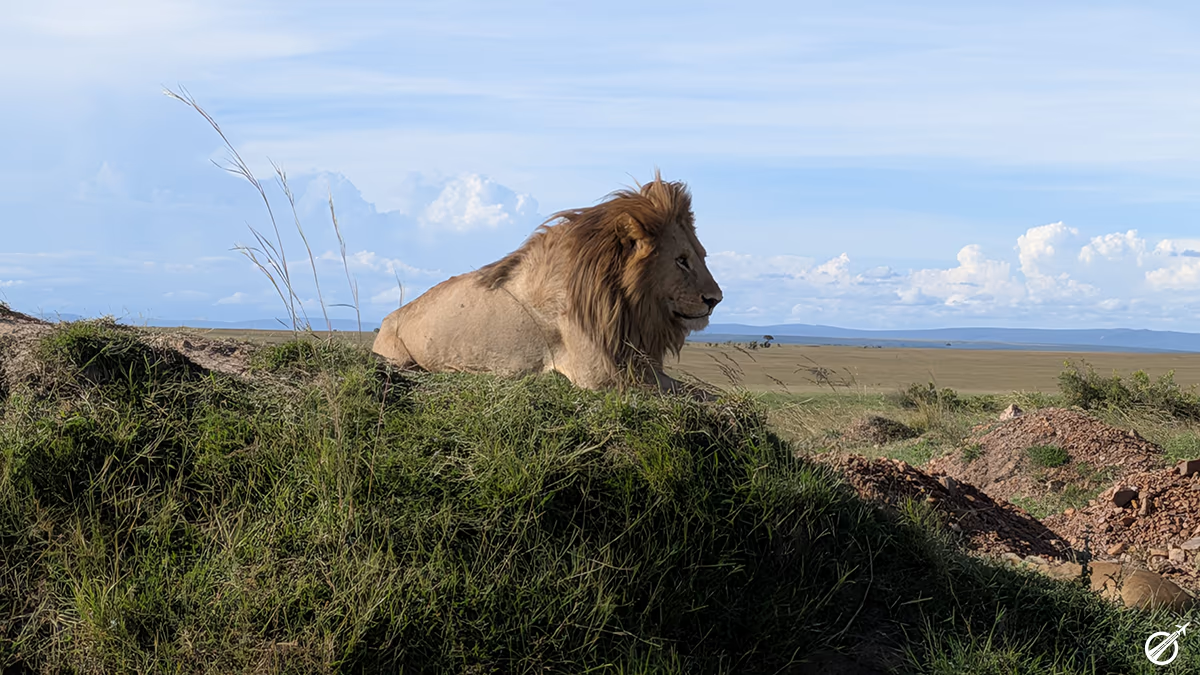
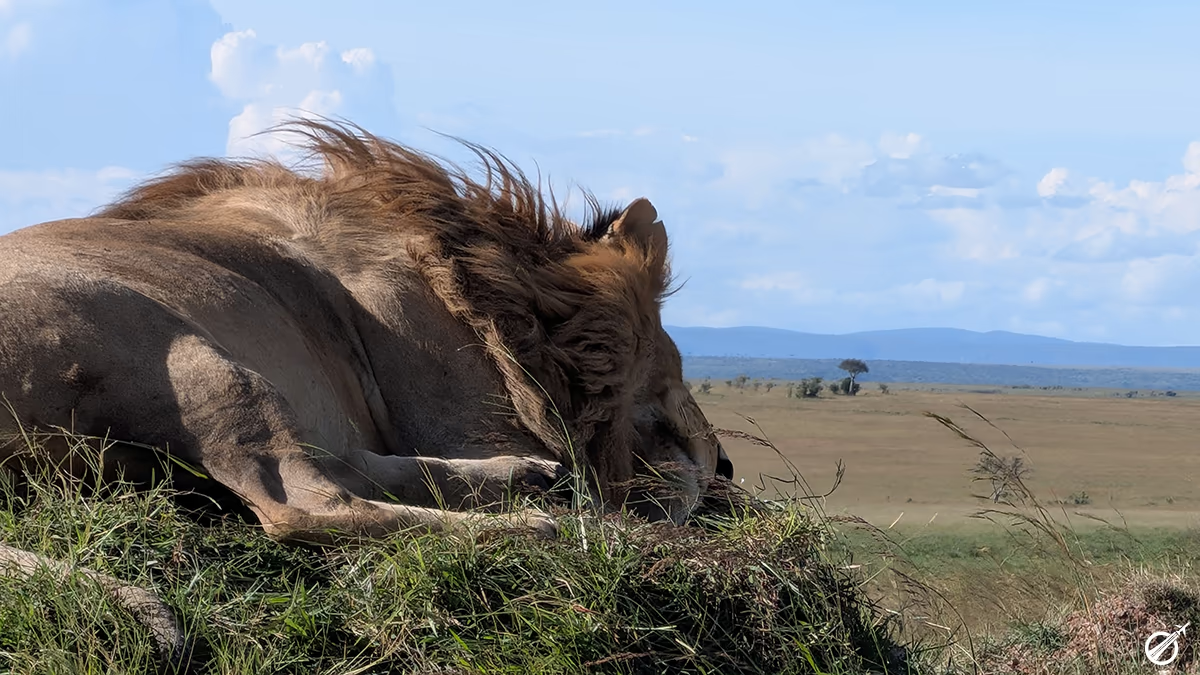
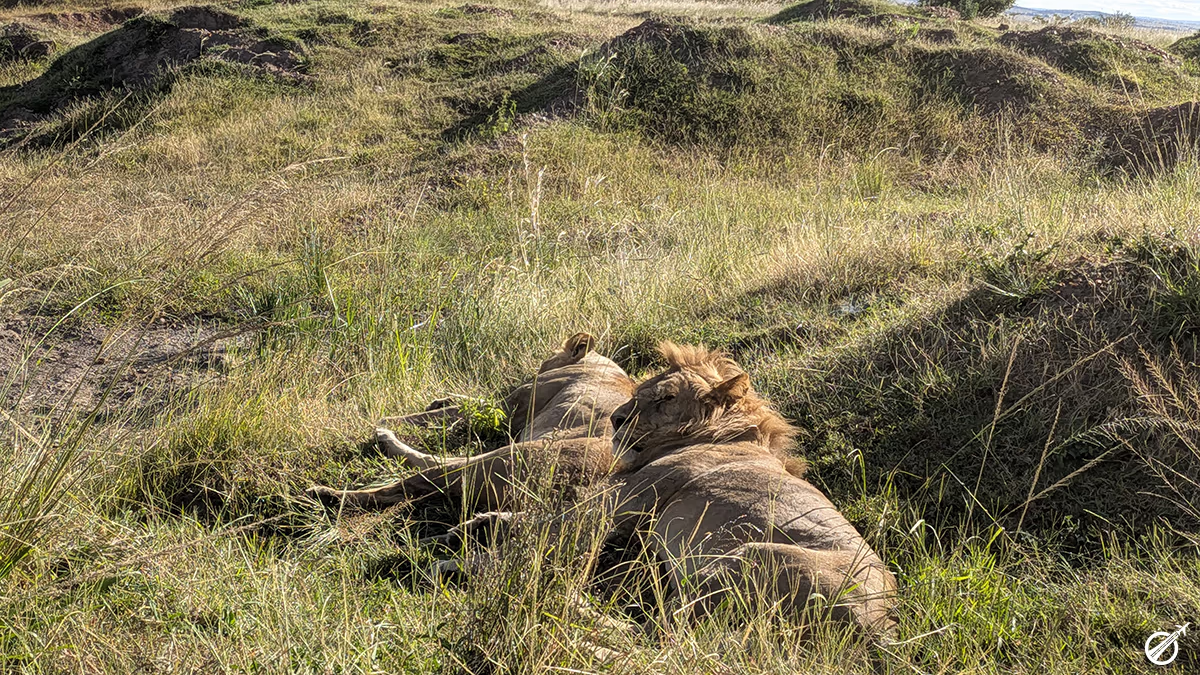
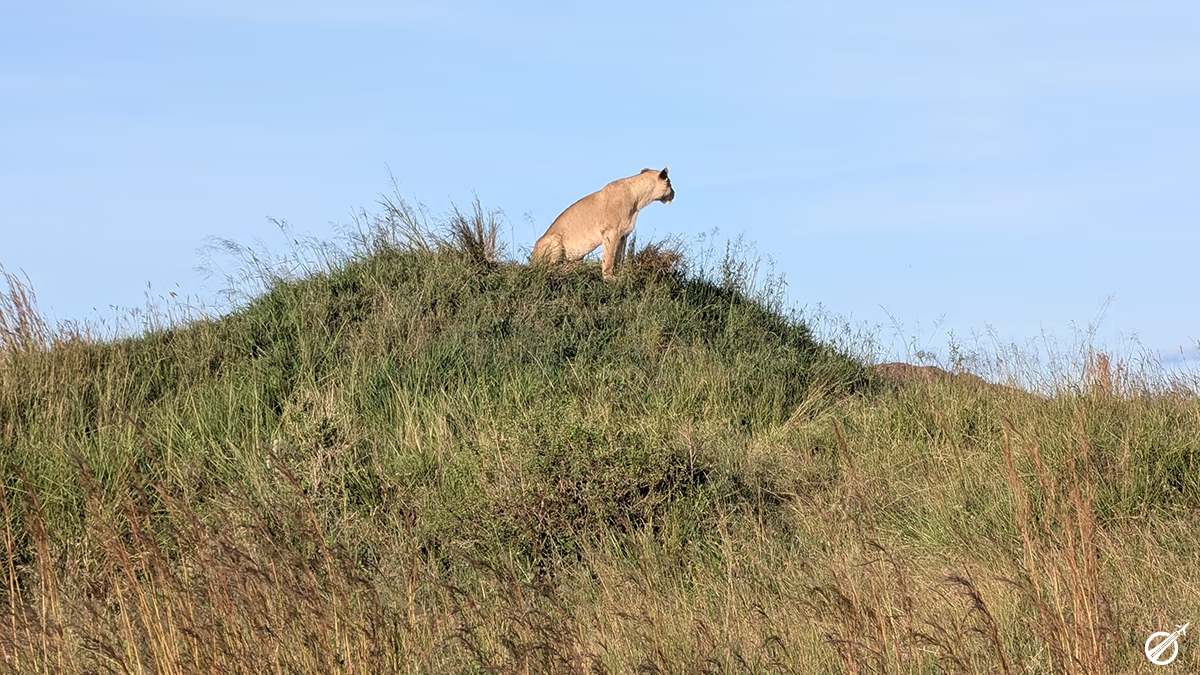
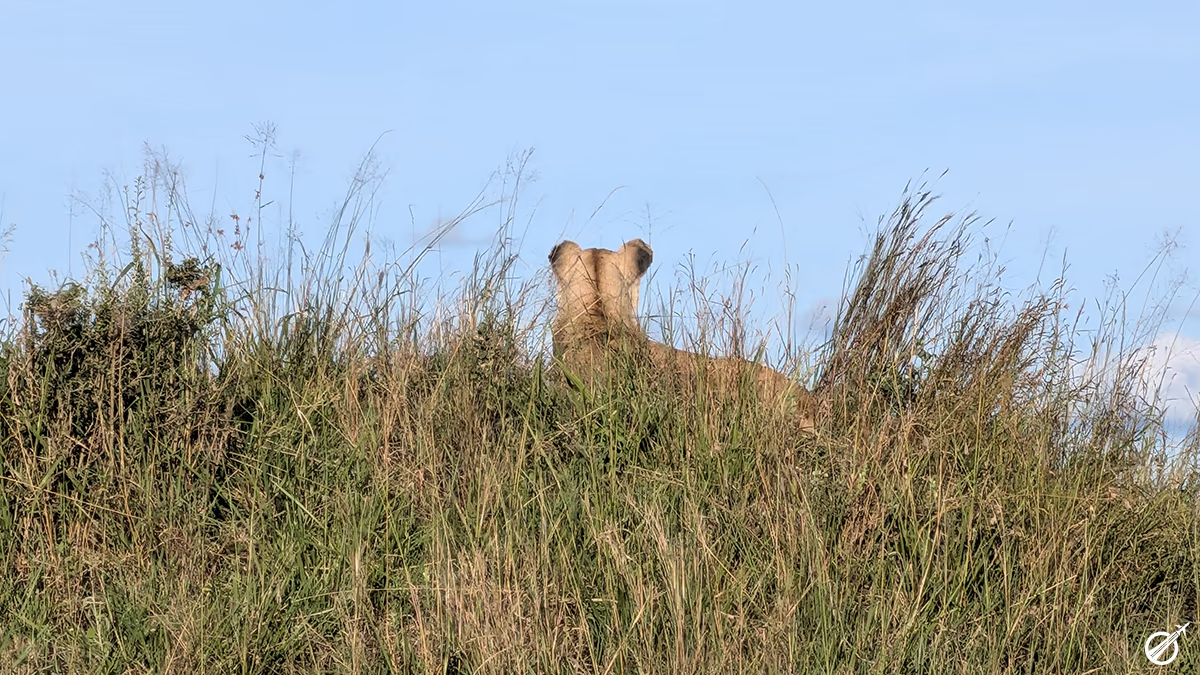
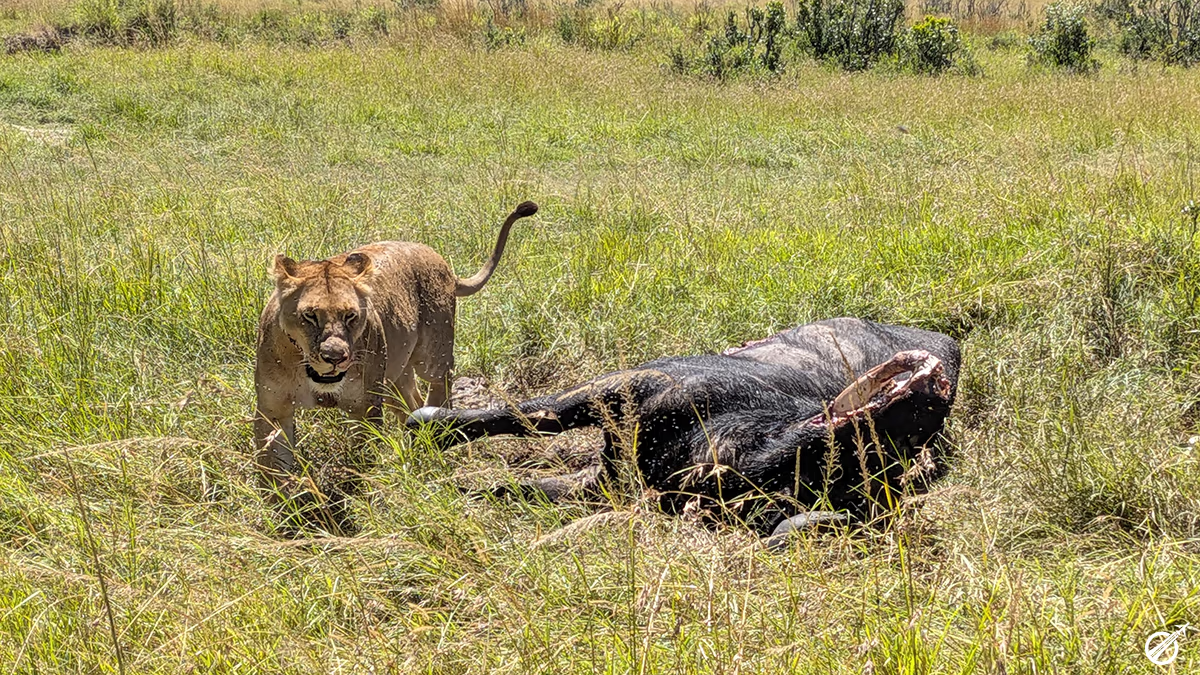
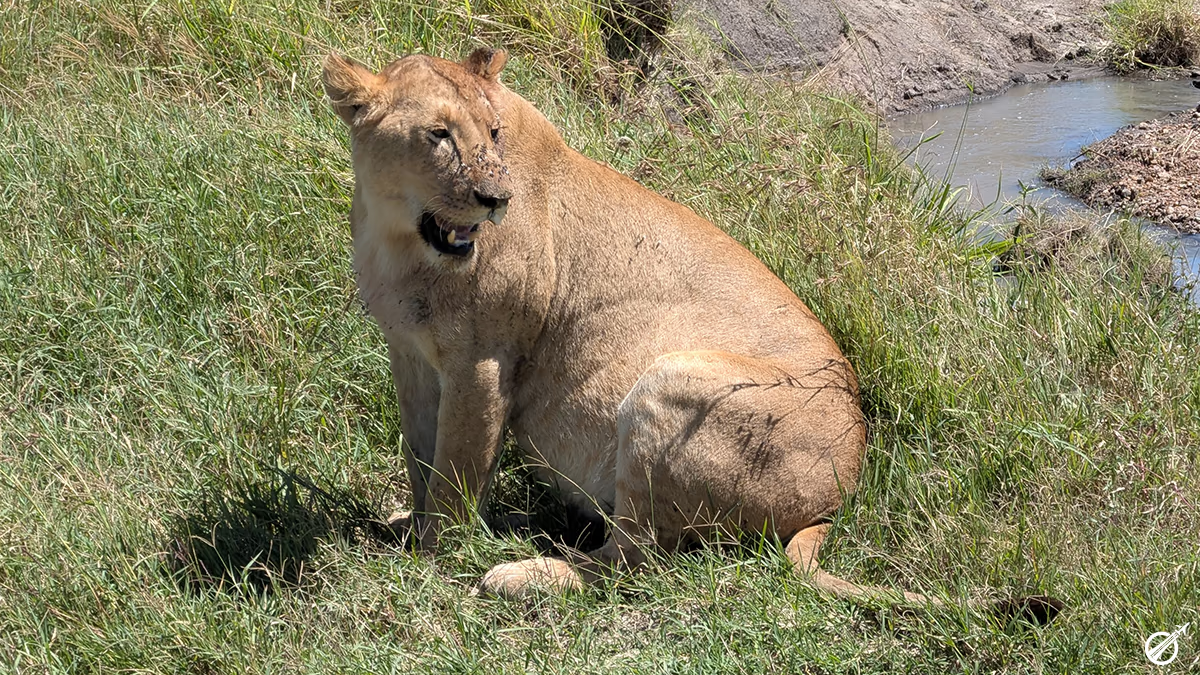
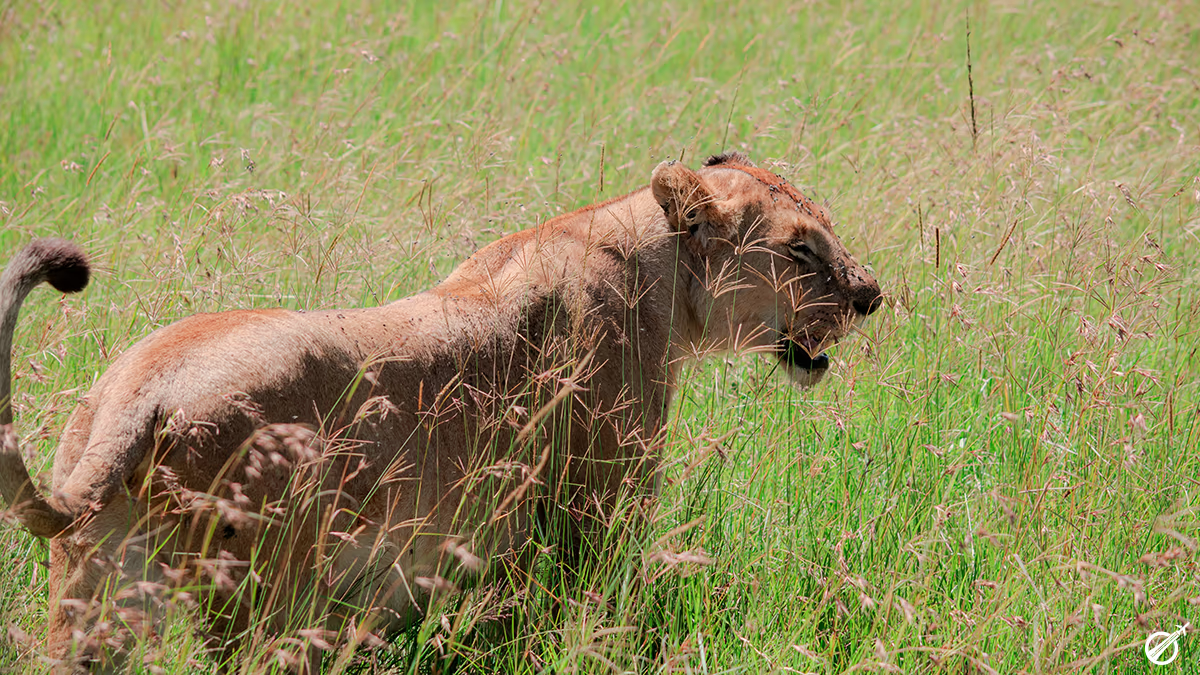
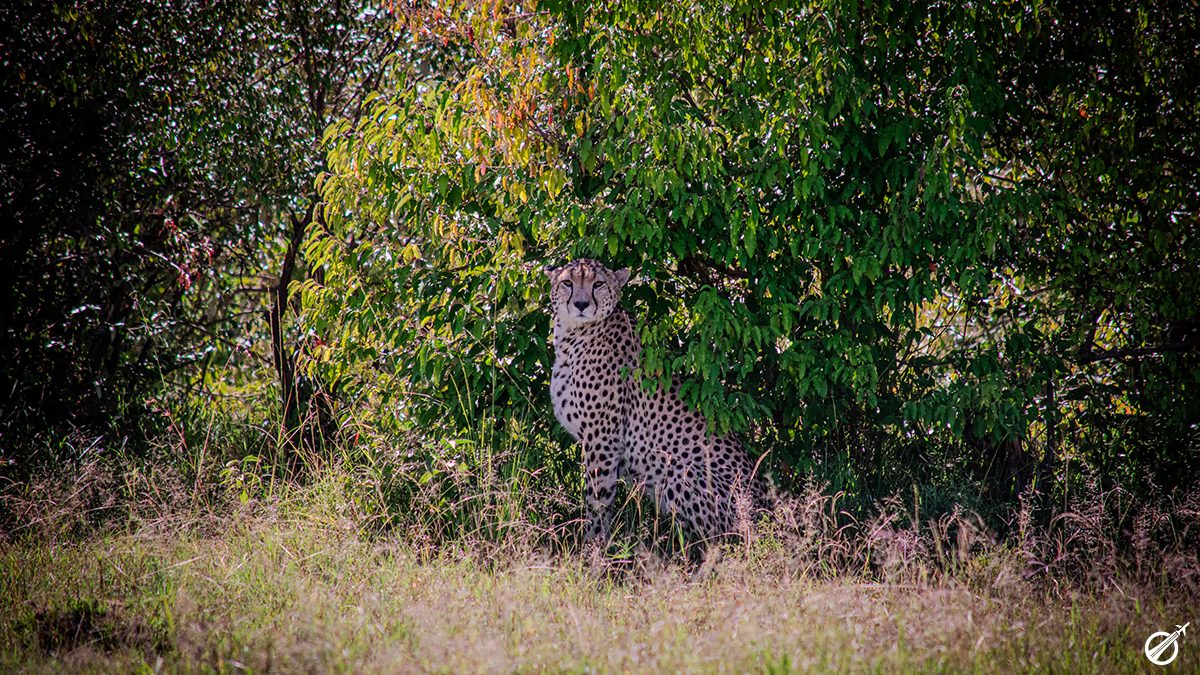
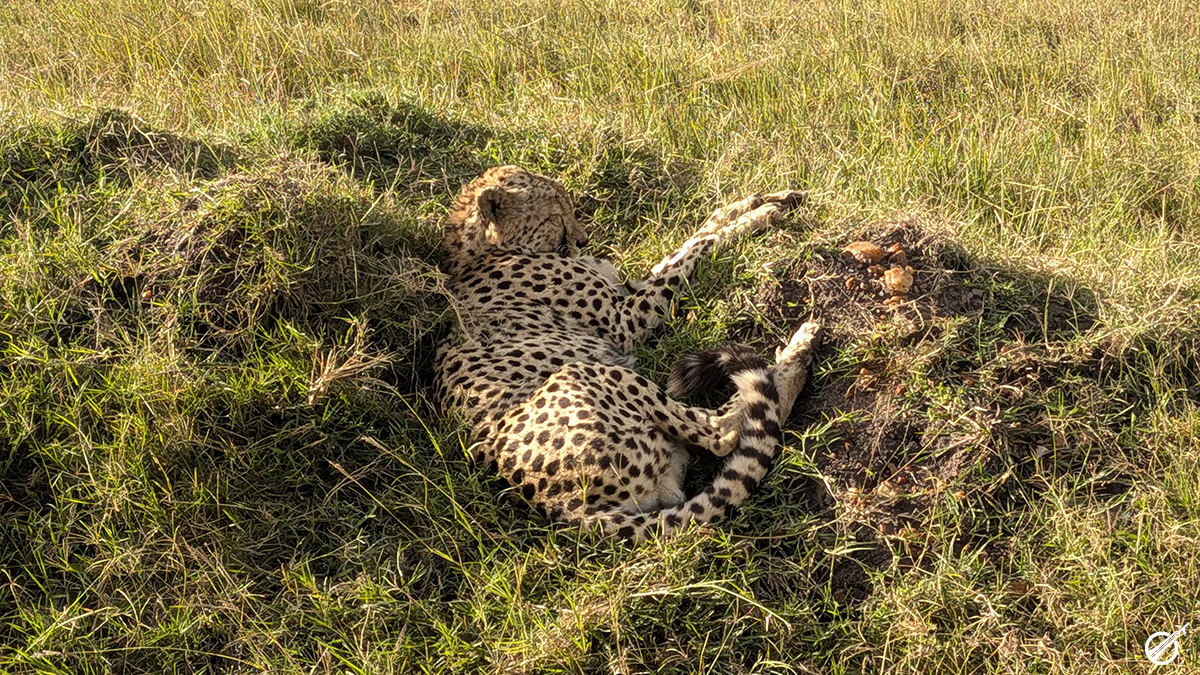
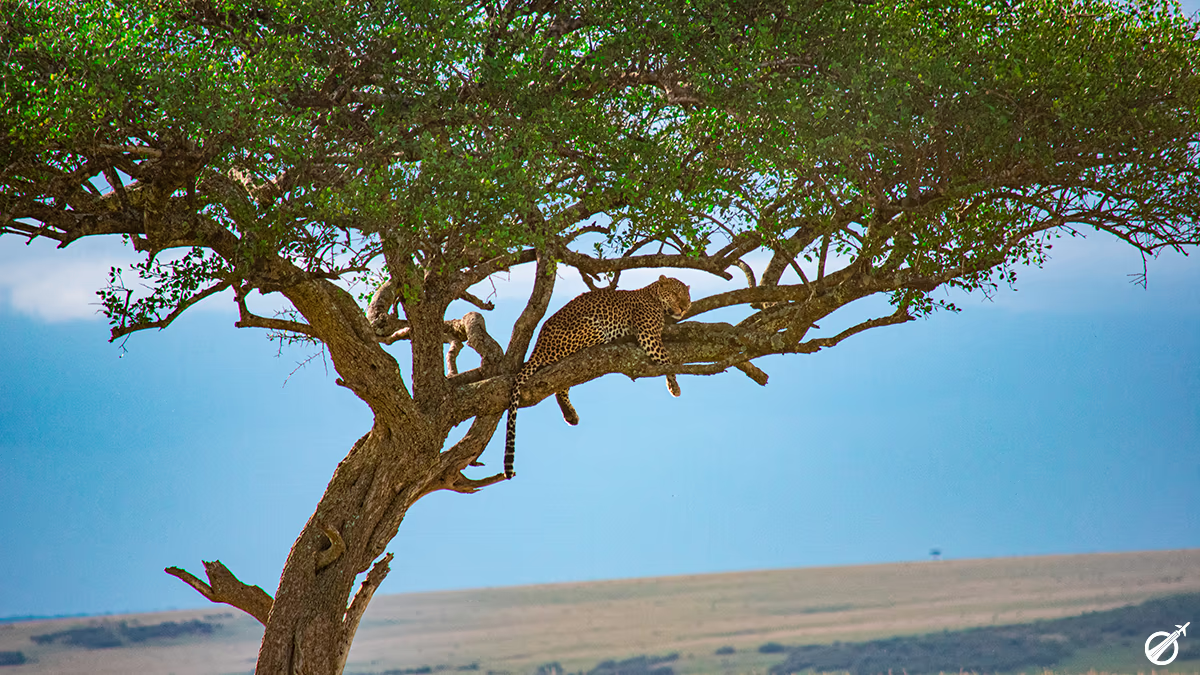
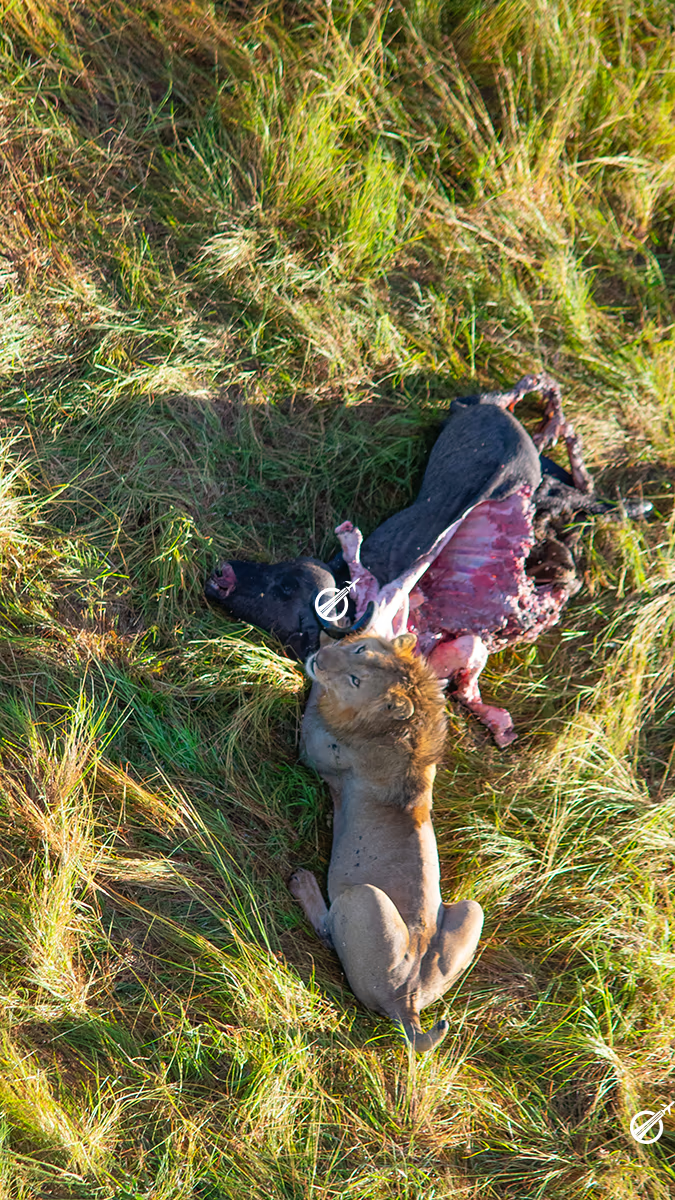
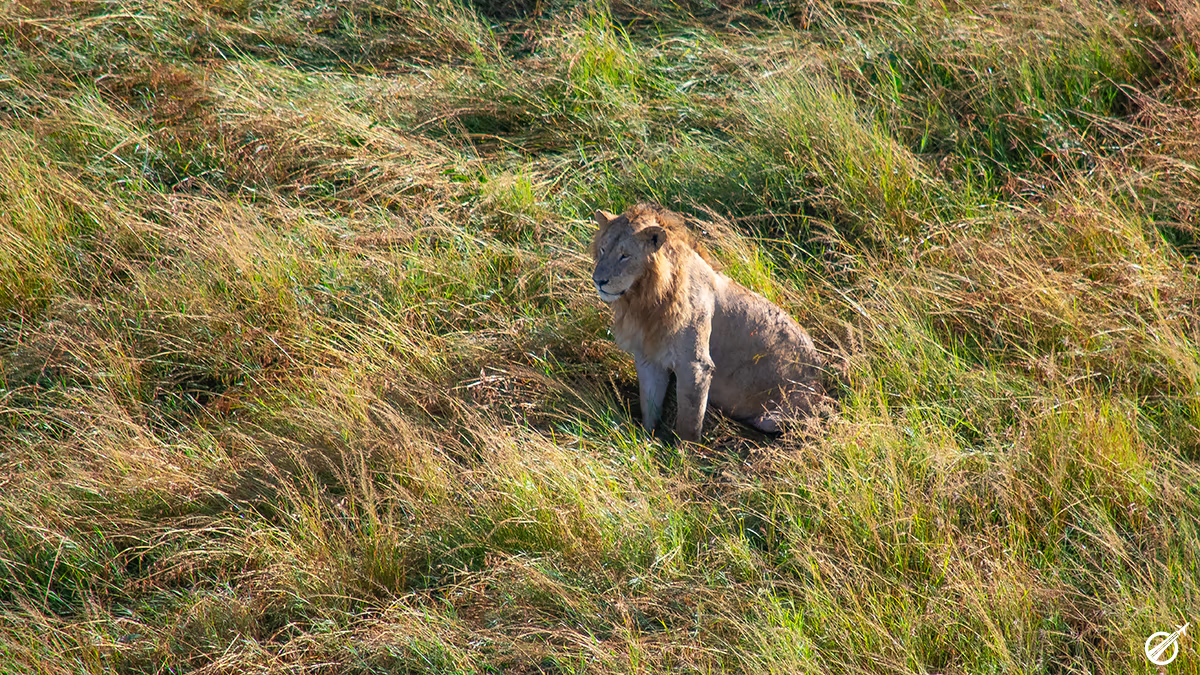
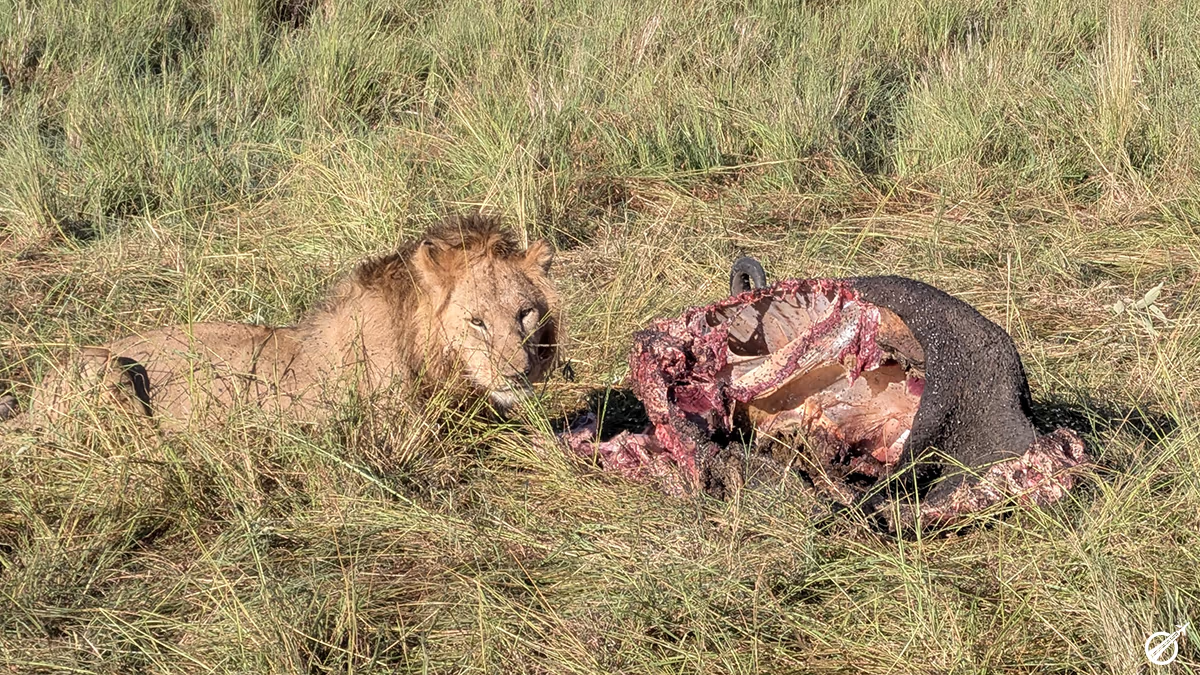
And like a dam breaking, once we found the pride, we found all the cats we'd been seeking. Lionesses eating on a freshly killed buffalo. A cheetah lazily watching a herd of antelope waiting for his moment. And as dusk settled, we spotted the ever-elusive leopard, and with it we finished the Big 9.
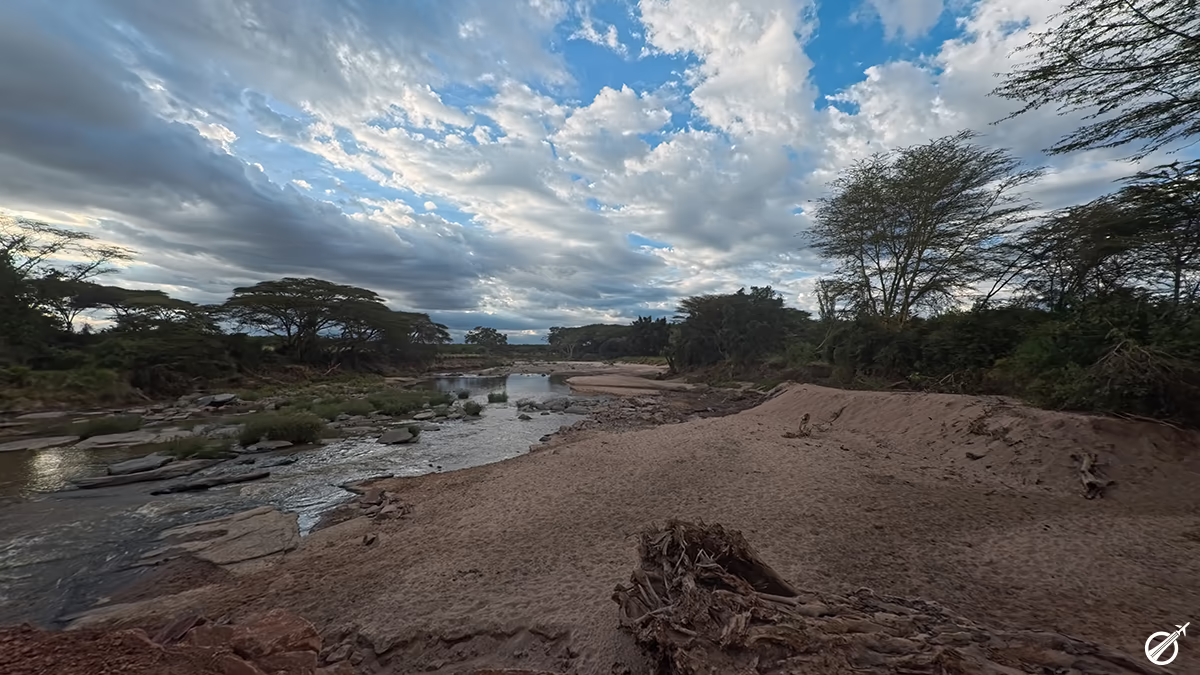
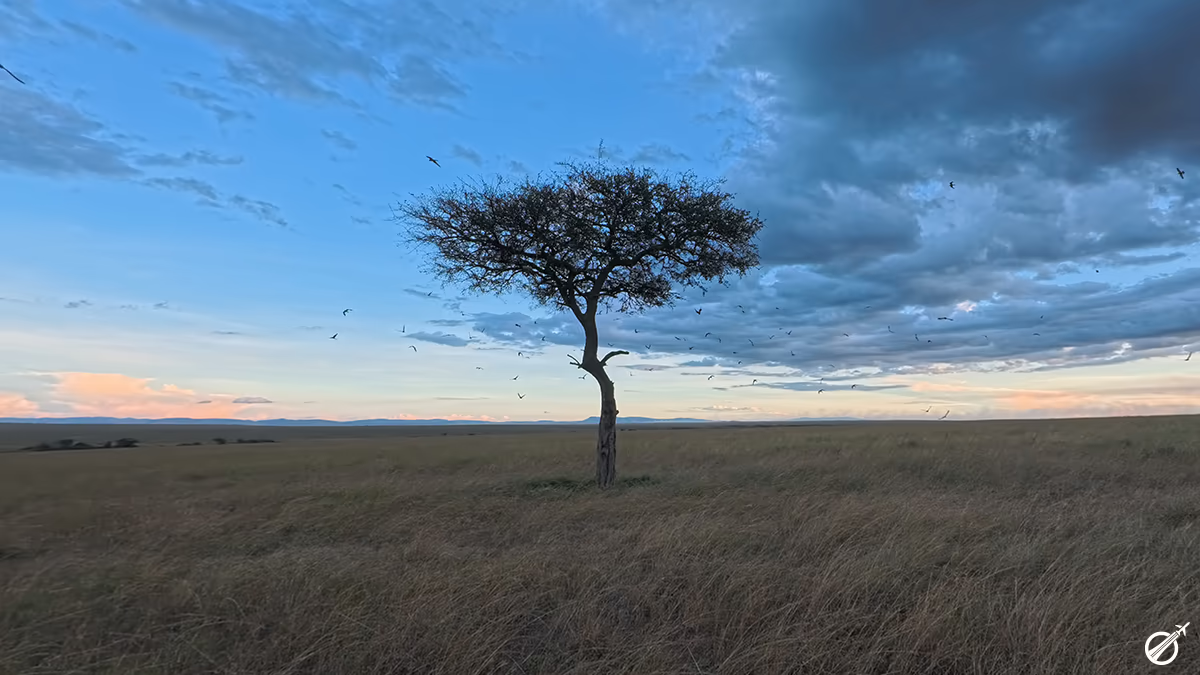
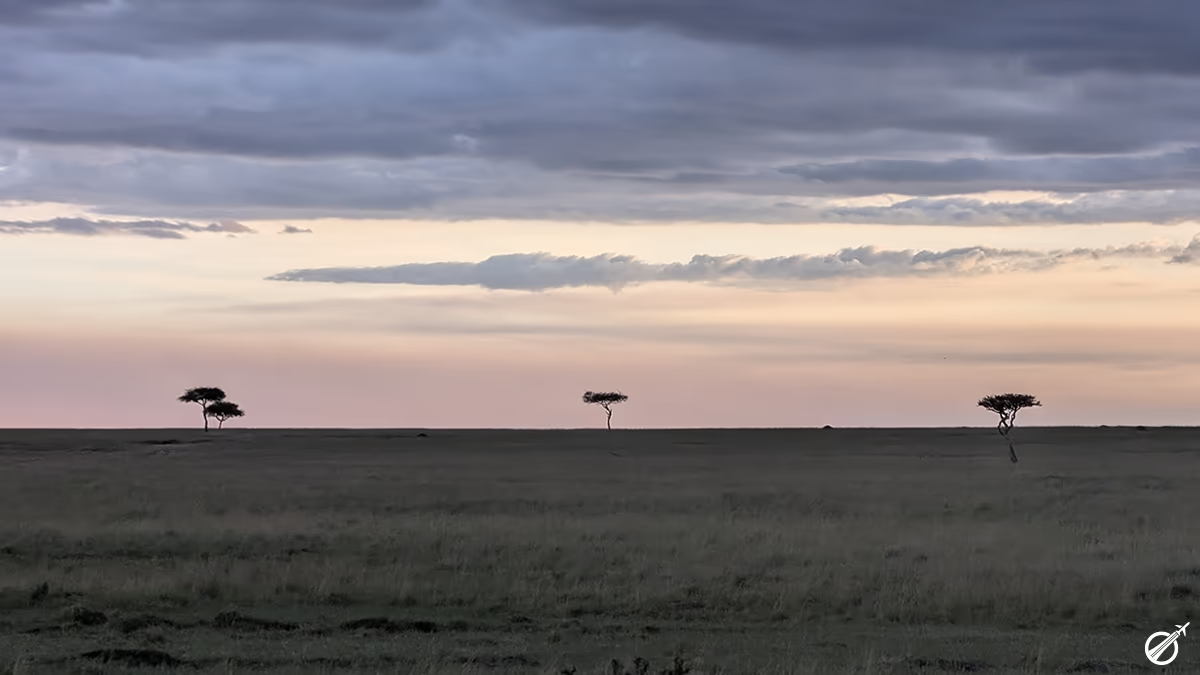
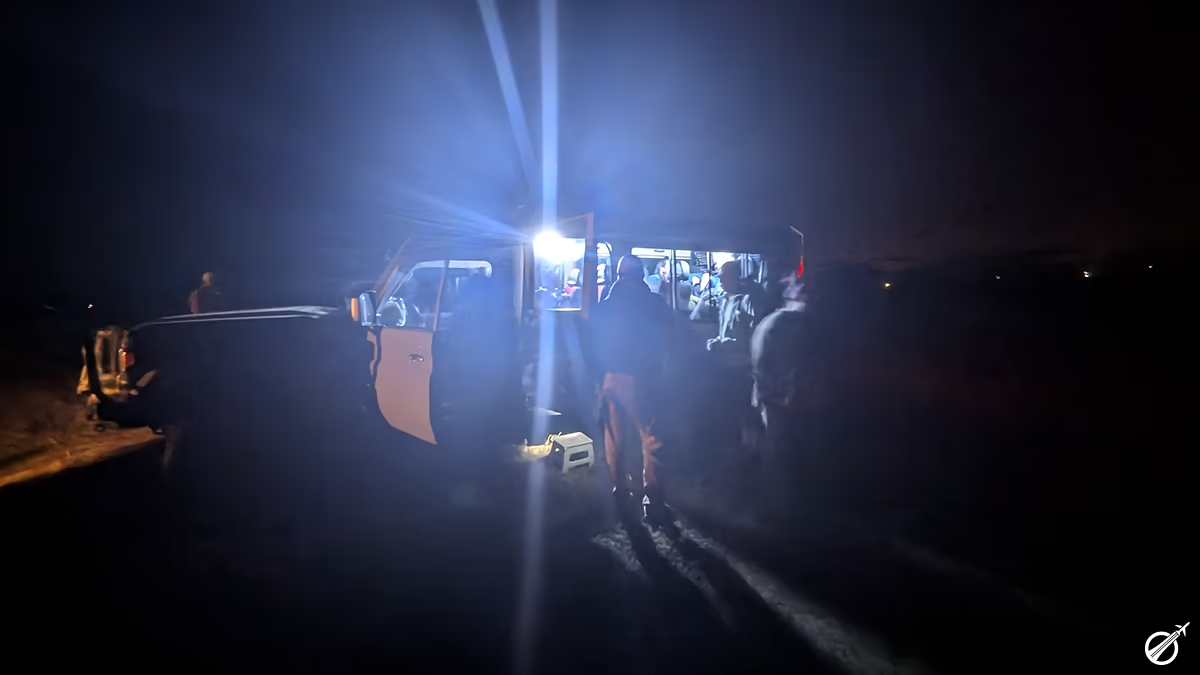
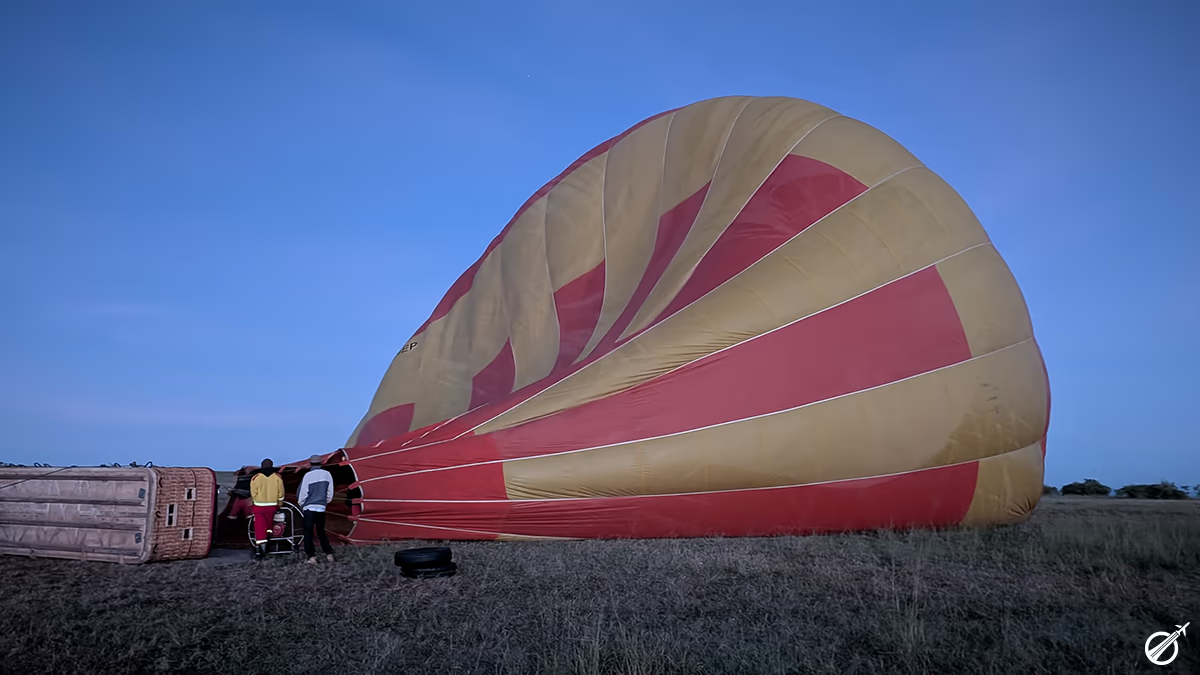
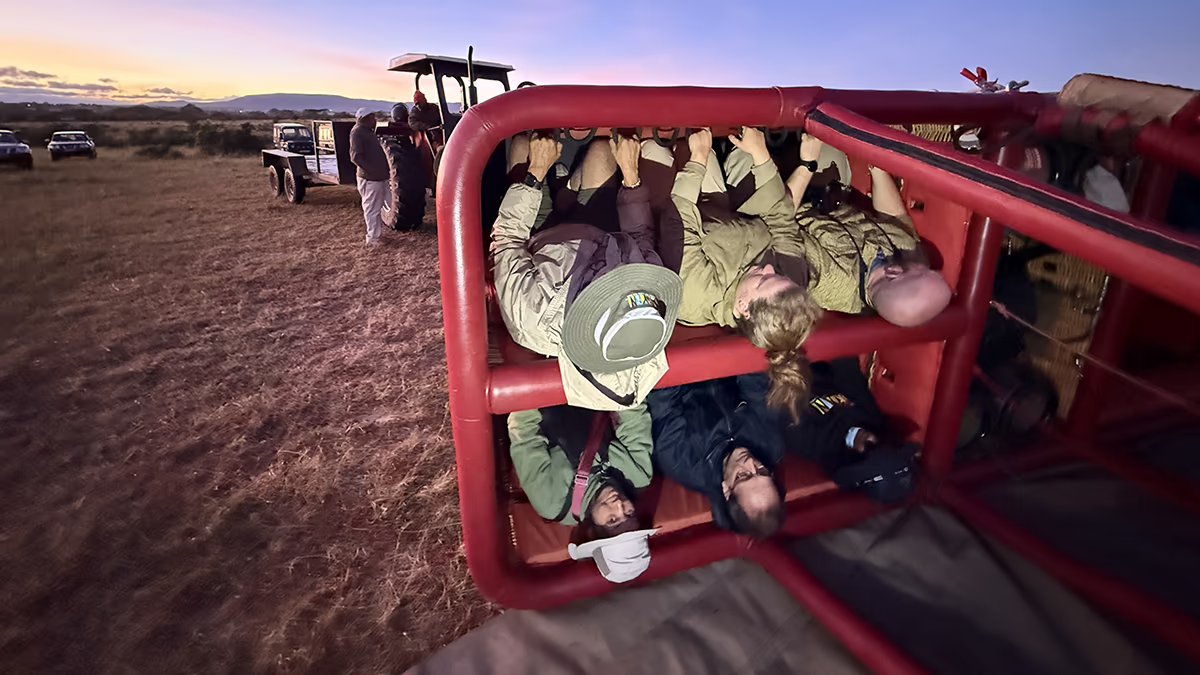
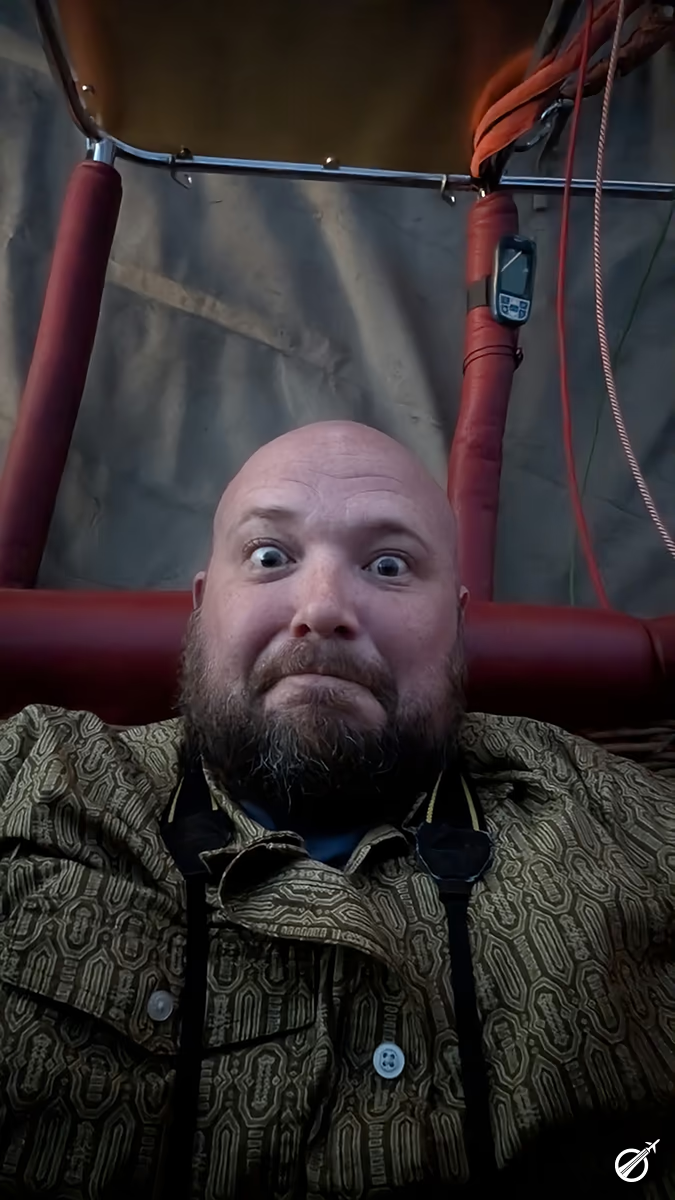
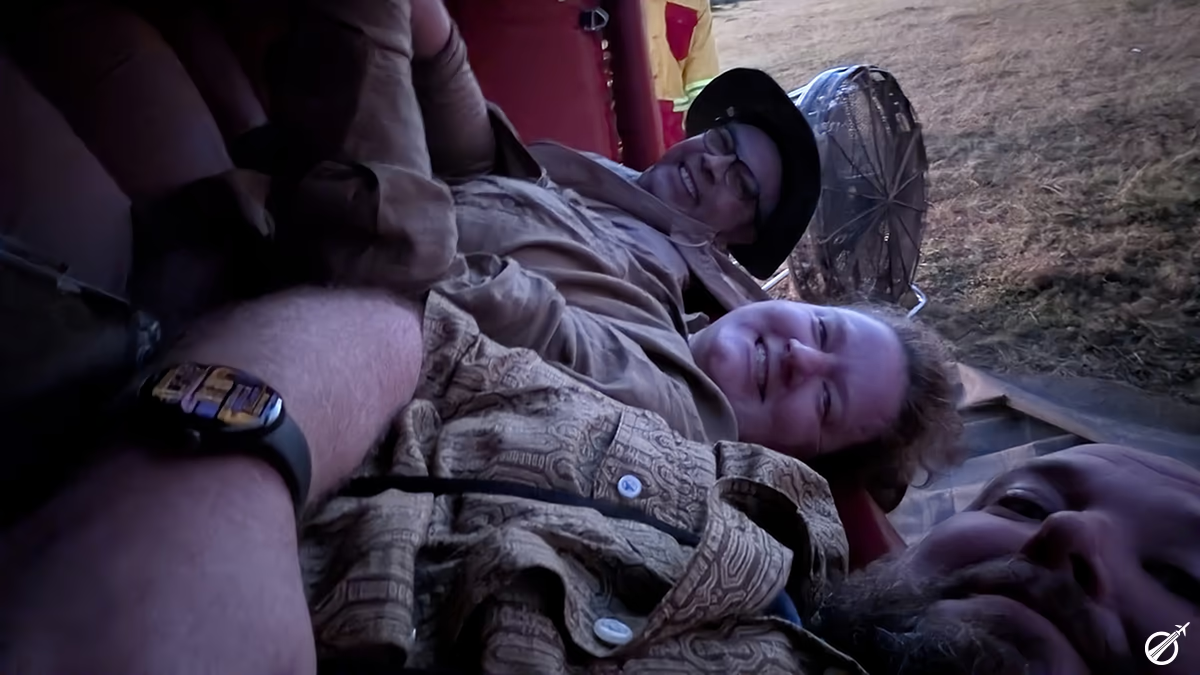
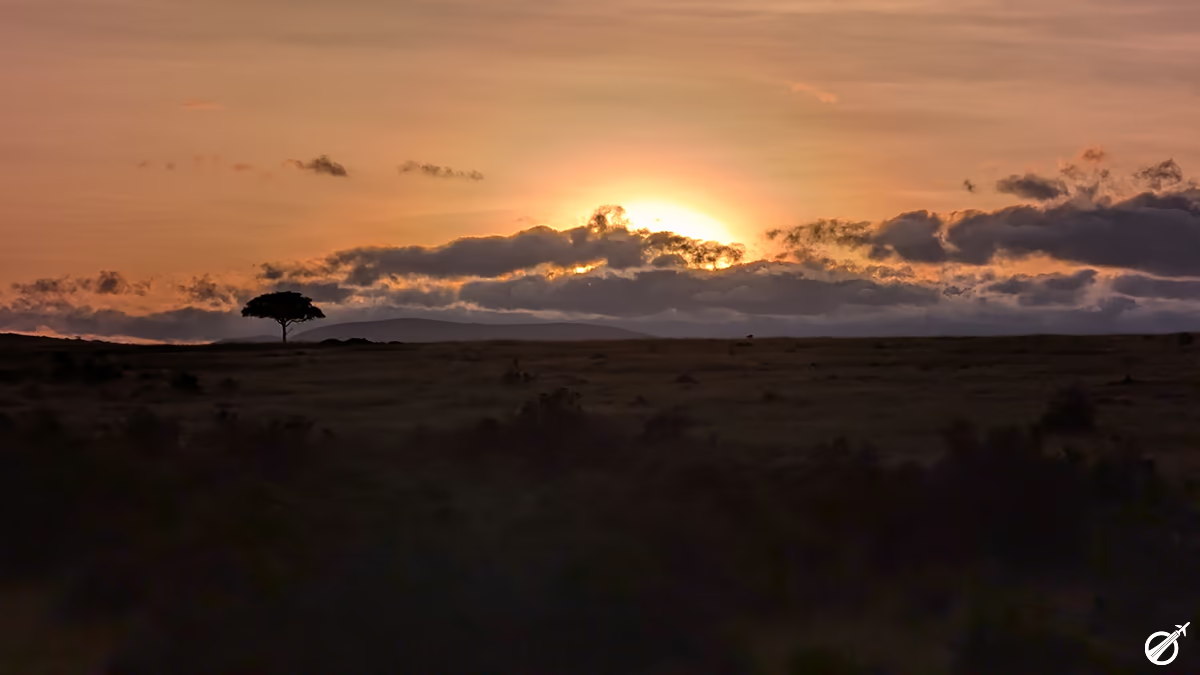
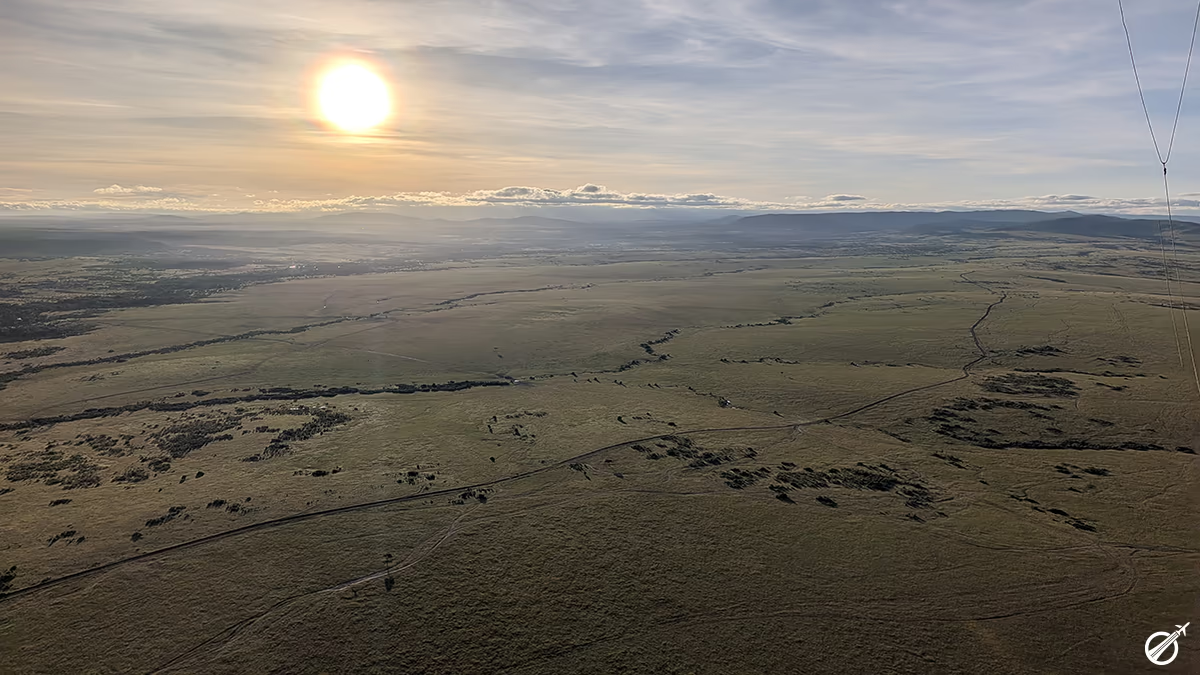
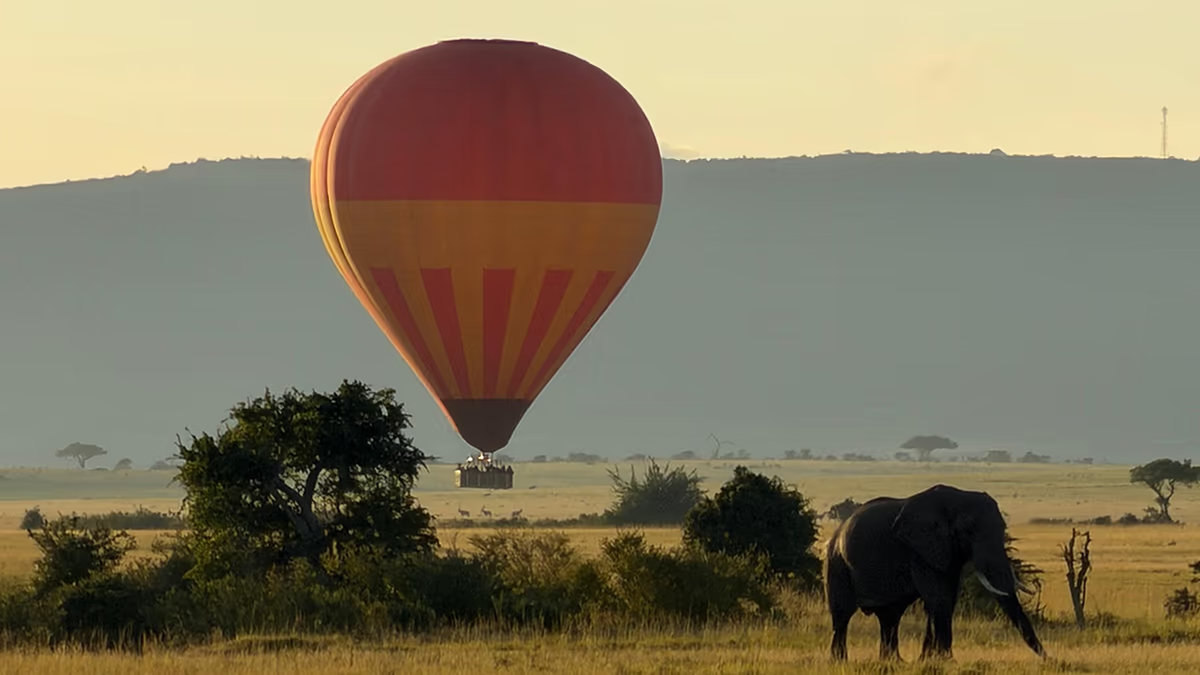
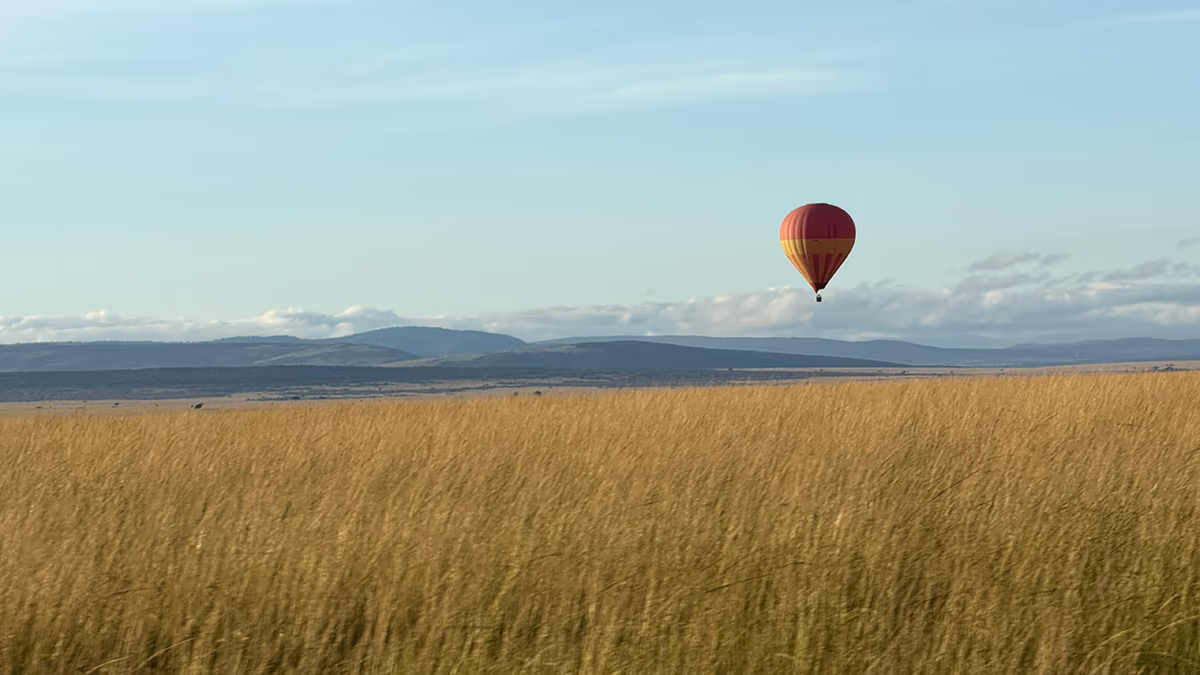
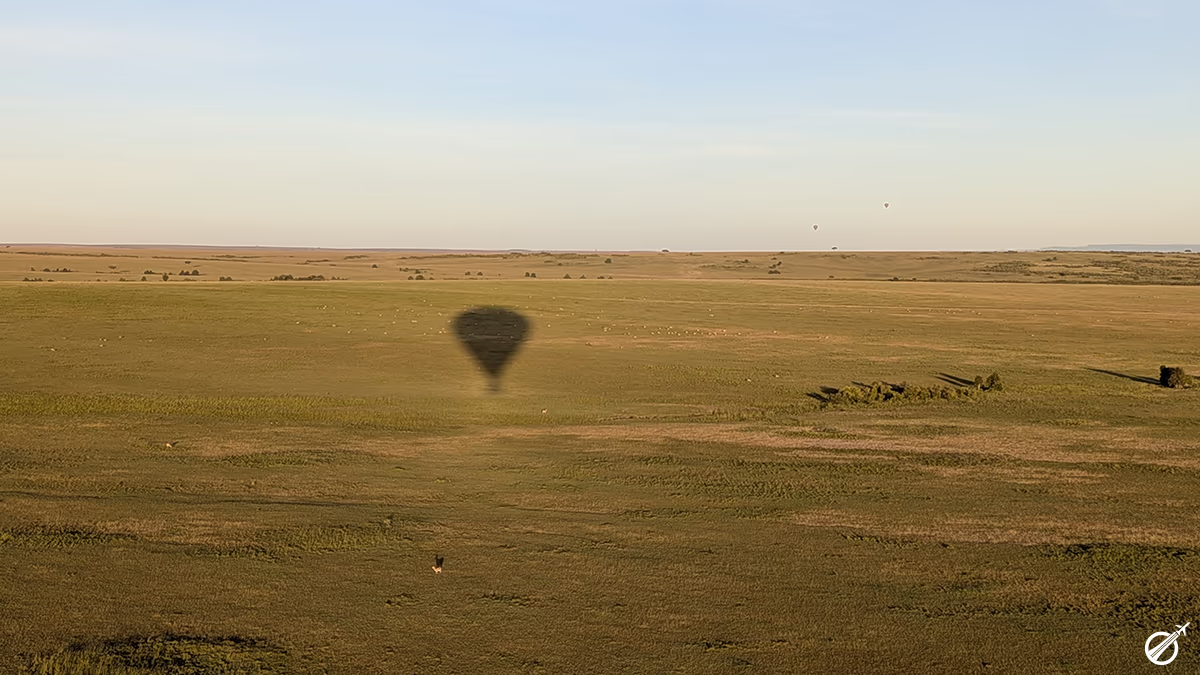
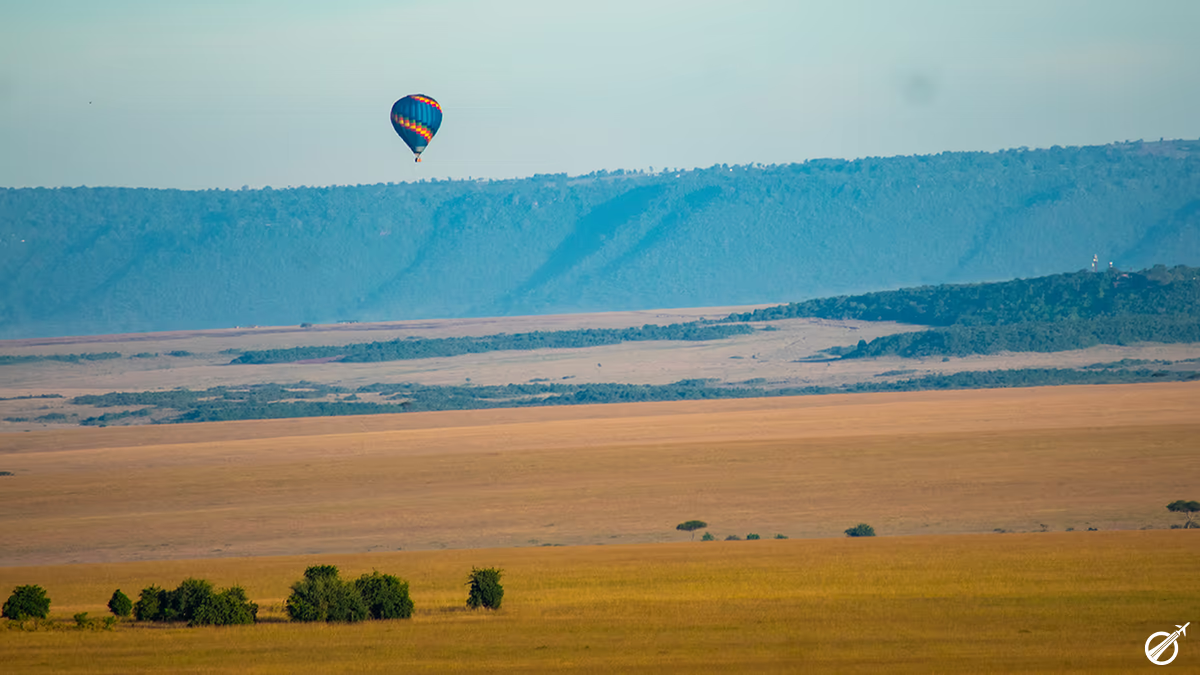
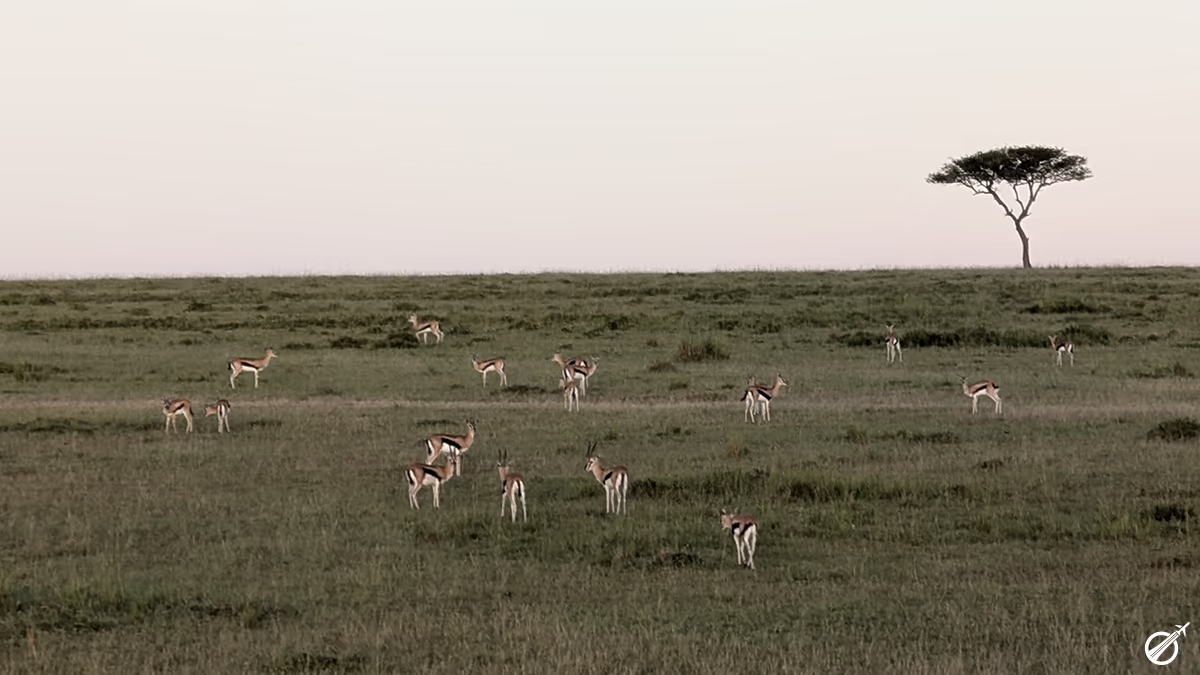
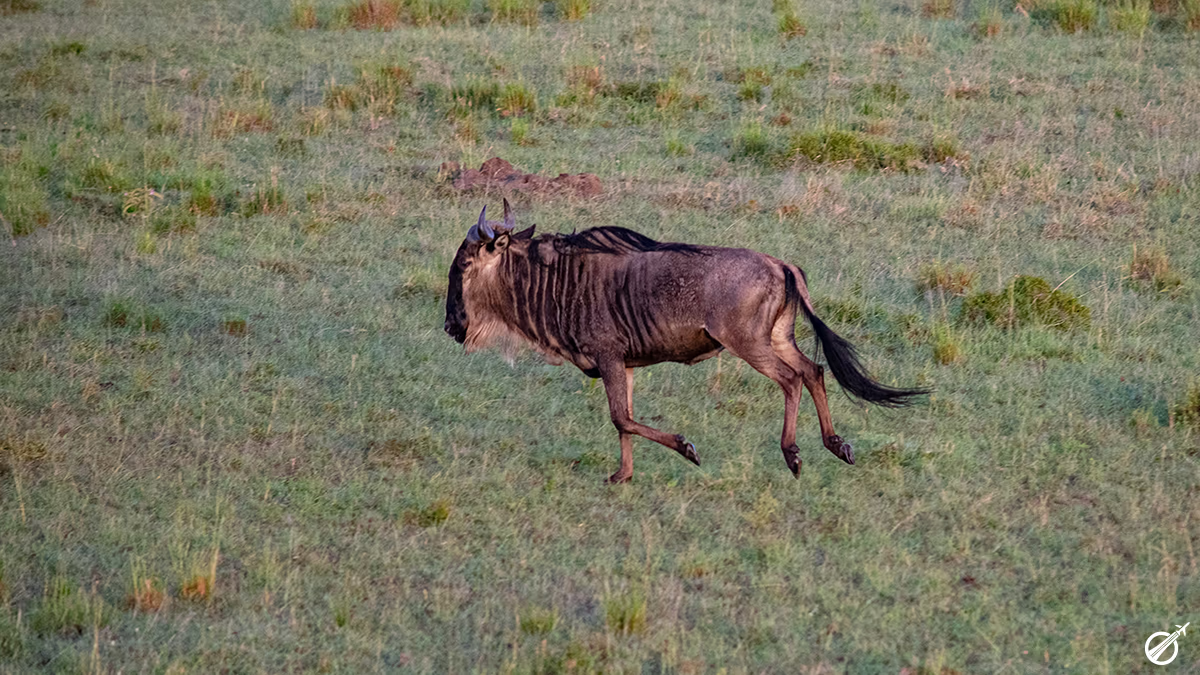
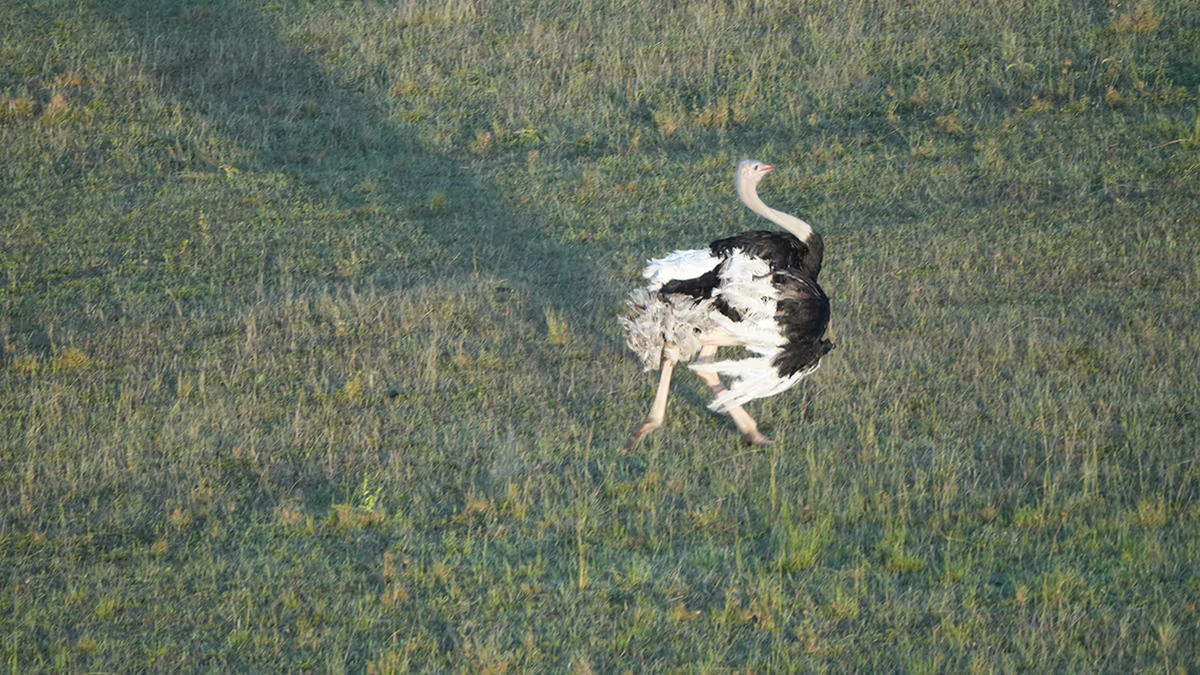
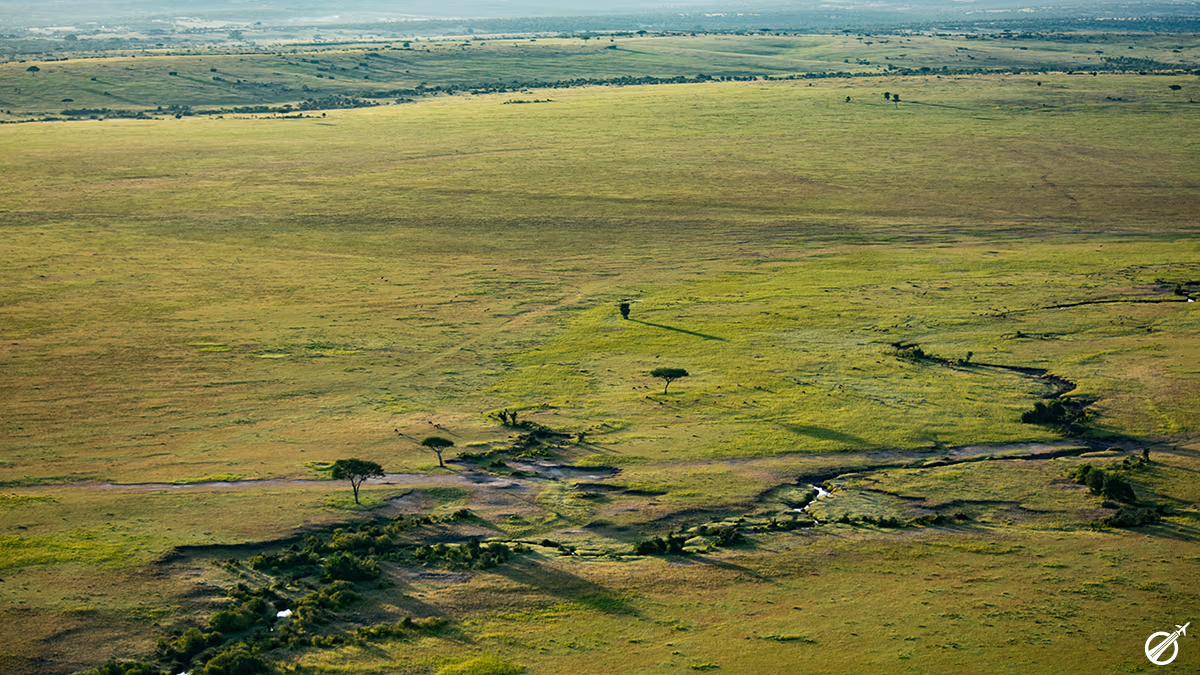
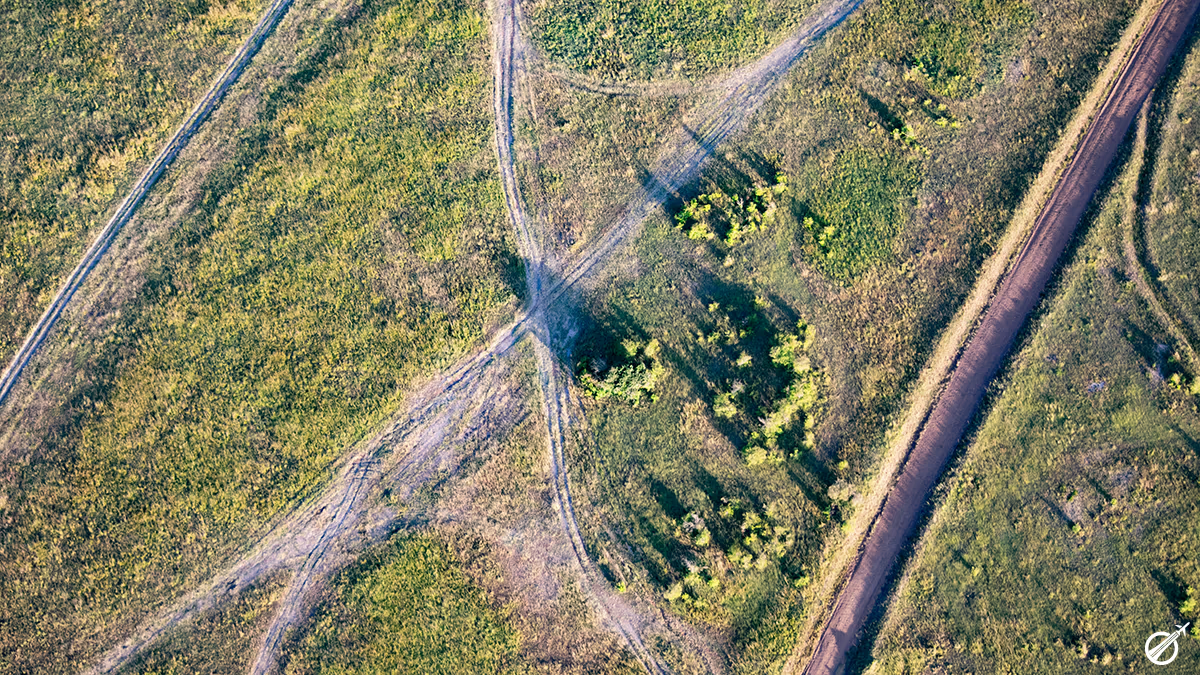
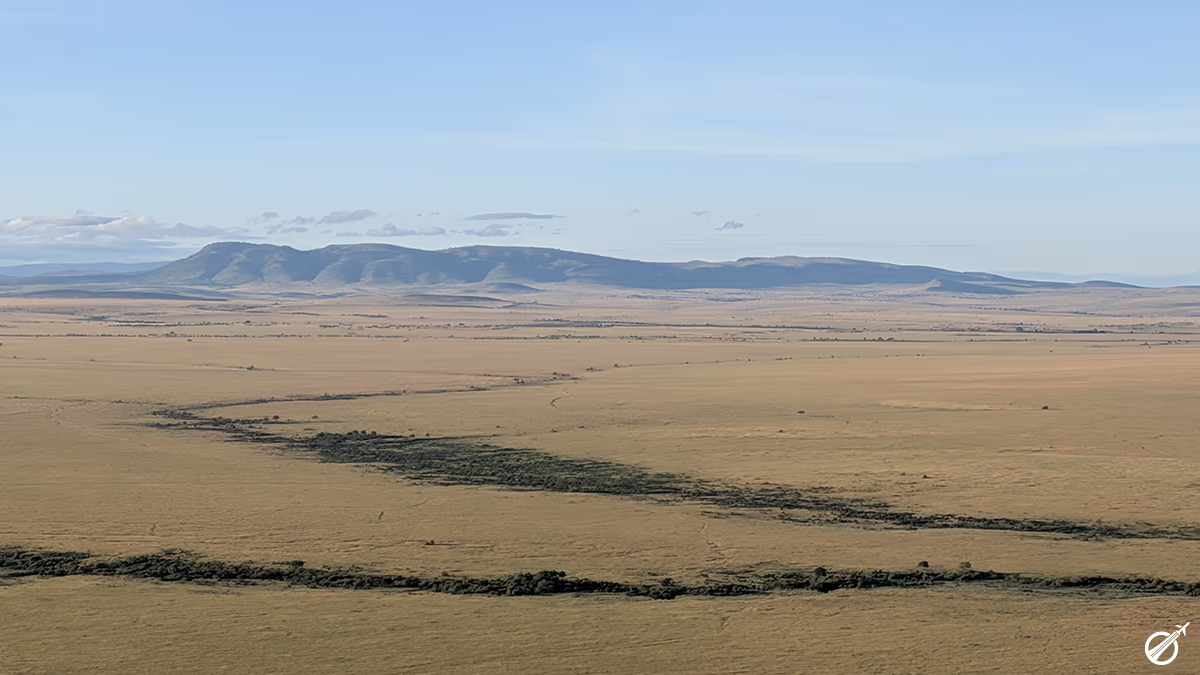
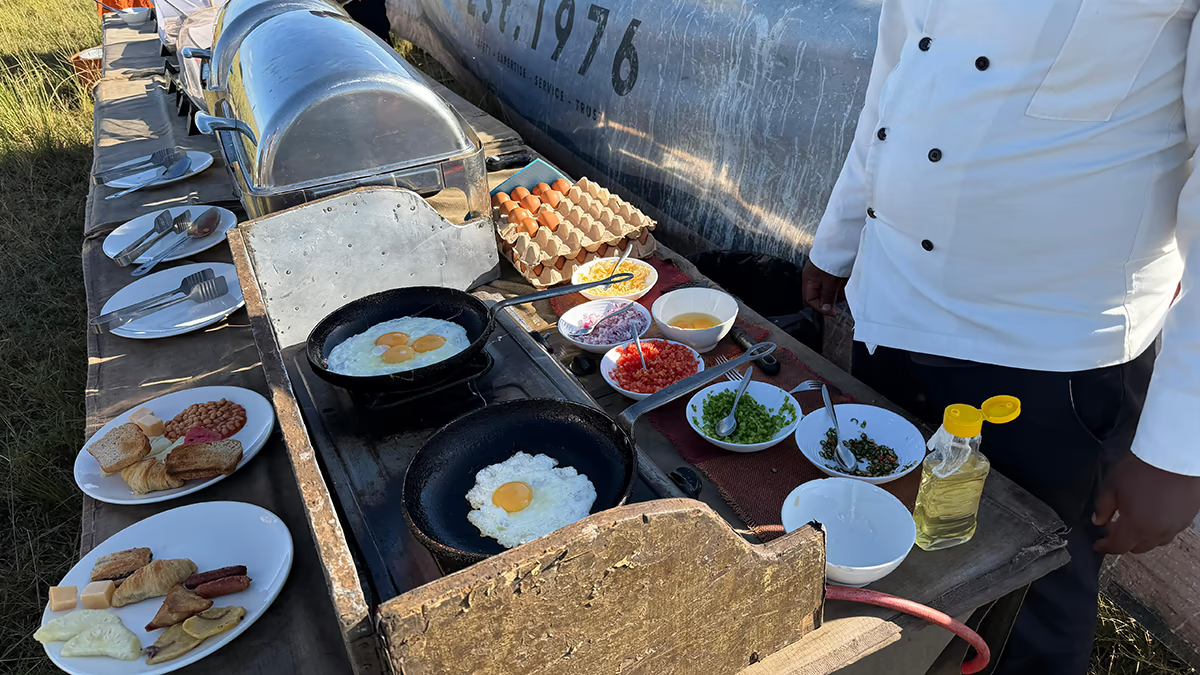
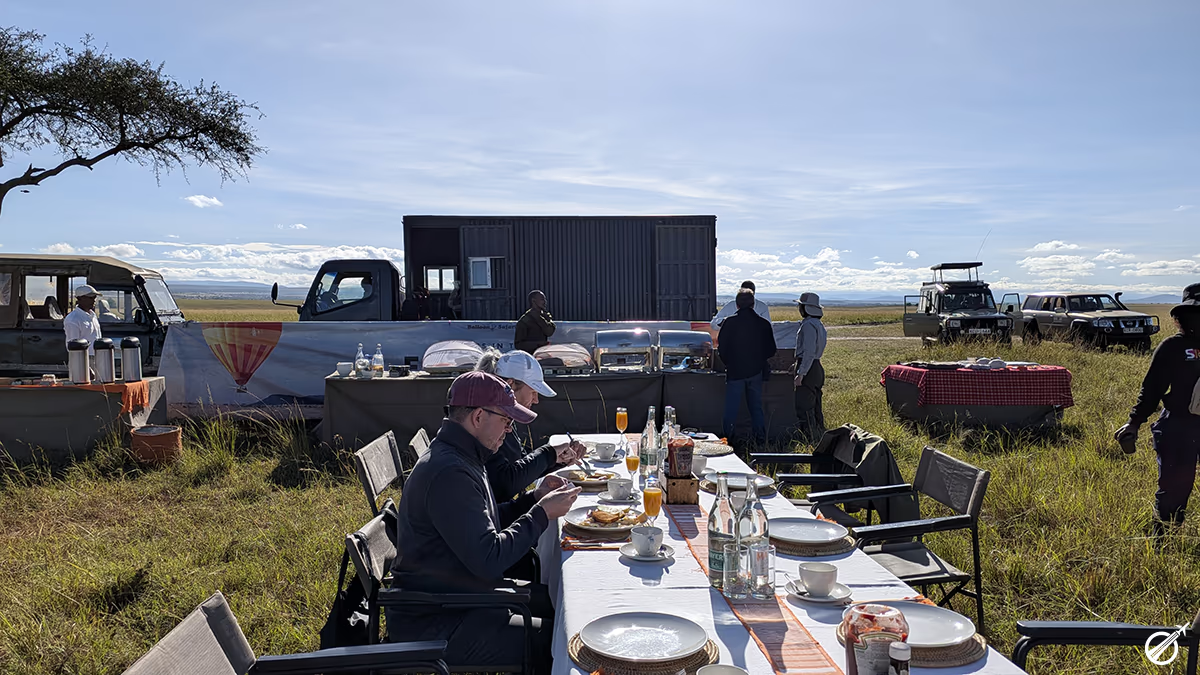
The next morning—on our last full day in Kenya—we're up before dawn for a first-of-my-life experience: a hot-air-balloon at sunrise. In Kenya's national parks, you can't just drive anywhere you want, you're supposed to stick to the roads and existing pathways. But a balloon doesn't have such restrictions, you can go anywhere the wind takes you, and get some of the best views you'll ever find anywhere on safari.
Go On Safari with Outward Travel
Let us design a completely customized itinerary tailored to your travel desires, pacing, and budget. You will remember this for the rest of your life.
Hotels on Safari
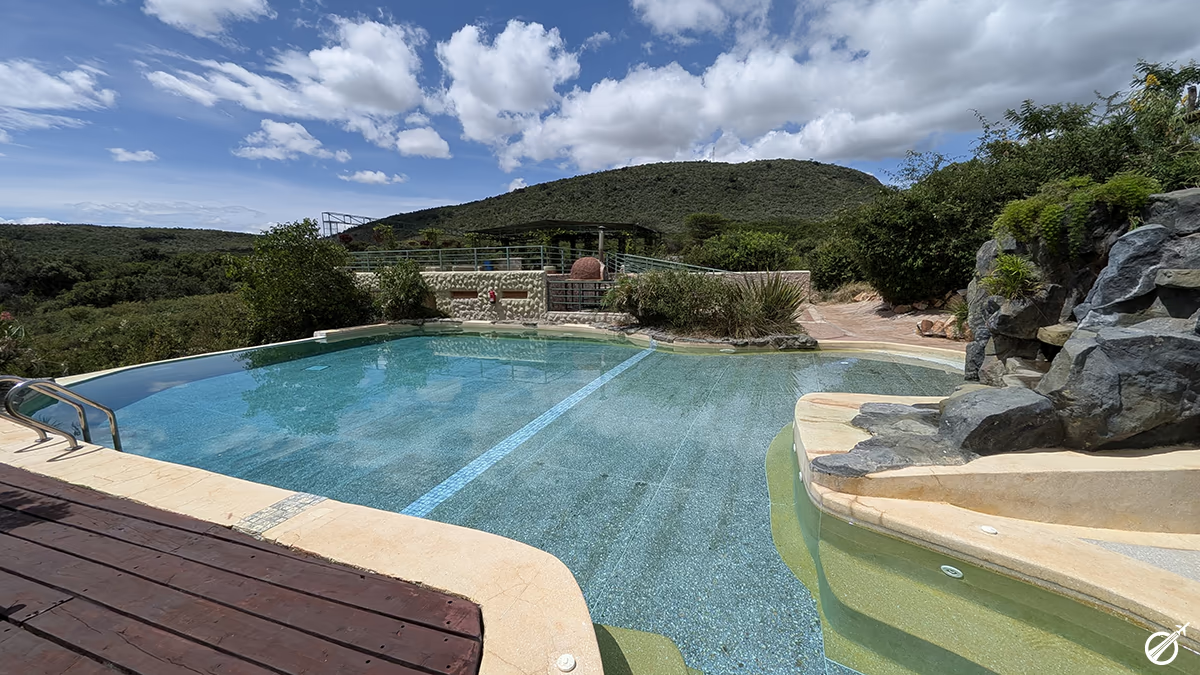
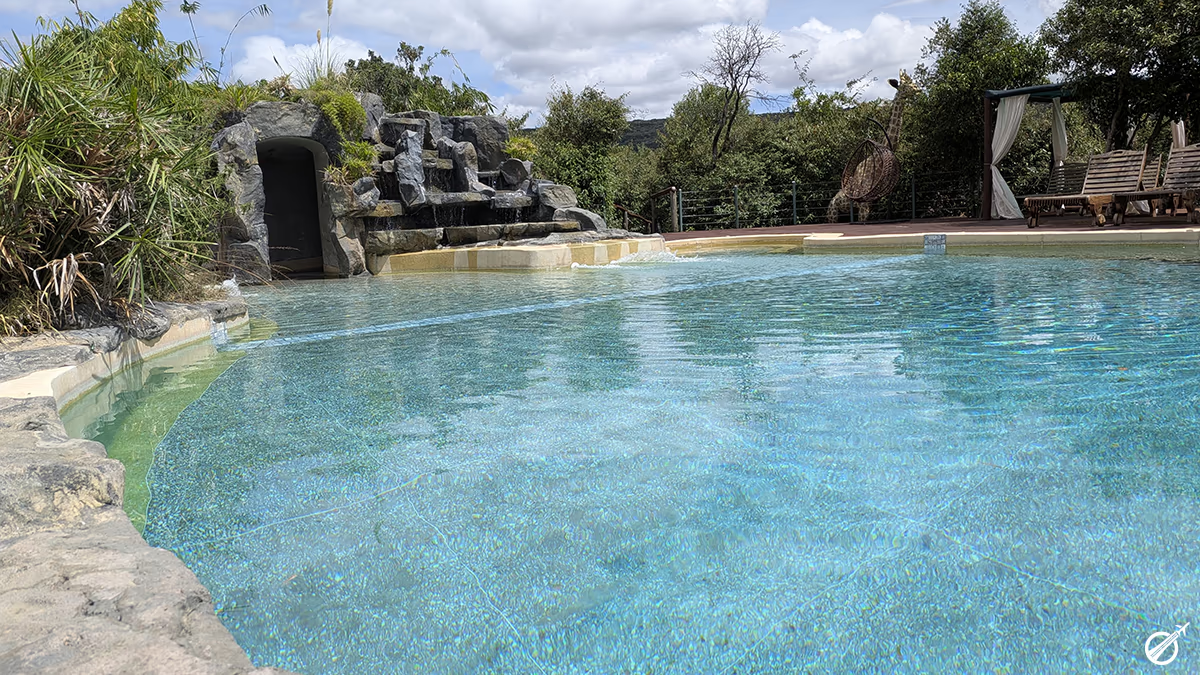
When you go on safari with Outward Travel, we customize the experience to your interests and budget. Along with our partner SKYIN, we curate a mix of deluxe and luxury hotels. All the hotels offer exceptional hospitality, delicious food, and comfortable rooms. Most have pools, which is a wonderful way to wind down from the warm and dusty days on safari. Here is a selection of the hotels we stayed at and visited on our exploratory safari.
Nairobi
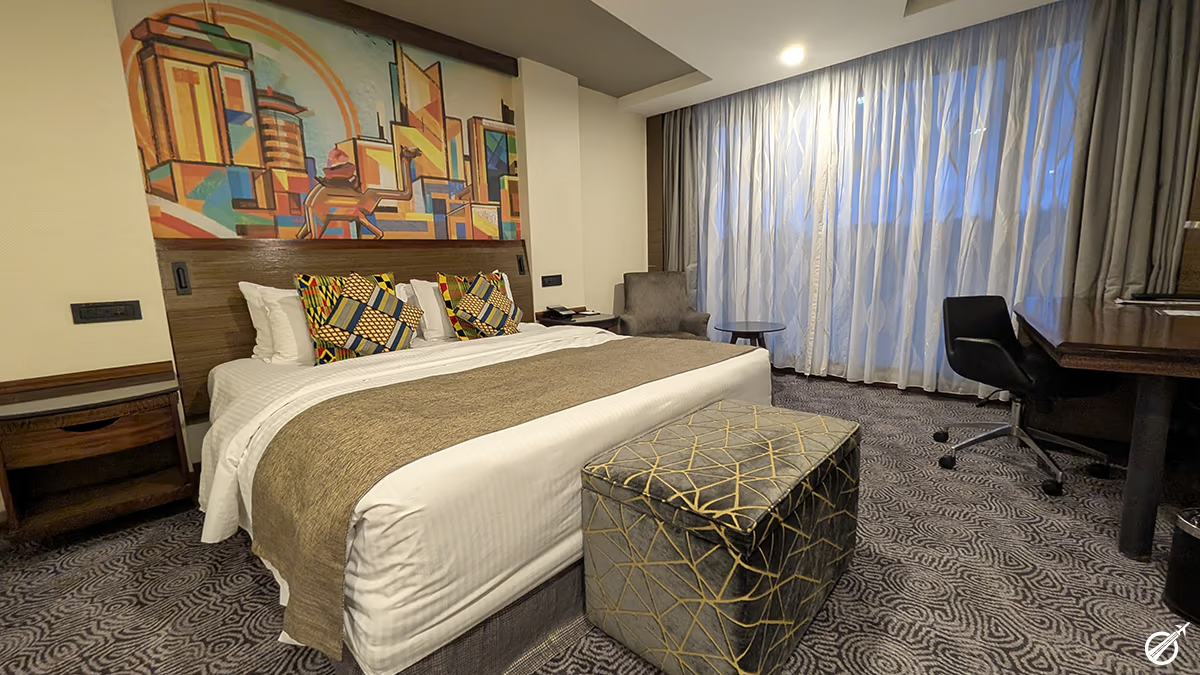
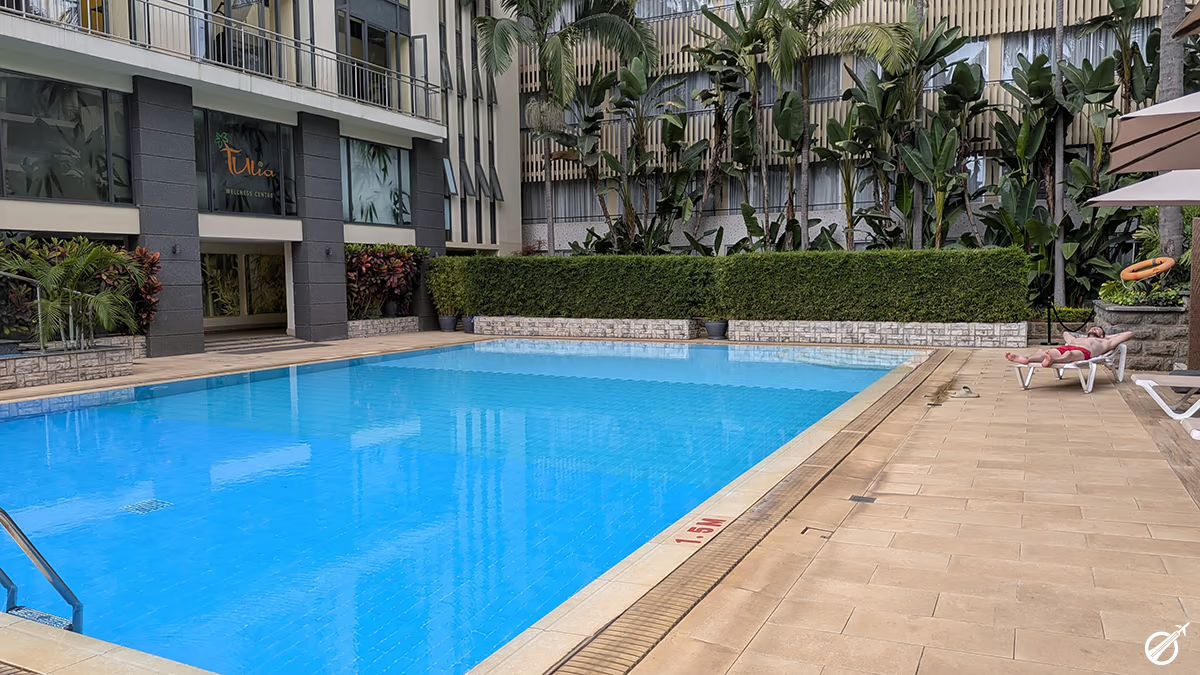
In Nairobi, you'll stay in pretty standard city hotels, akin to the Marriotts, Hiltons, and Fairmonts you know from around the world. Rooms are air conditioned, include TVs, and usually have room service.
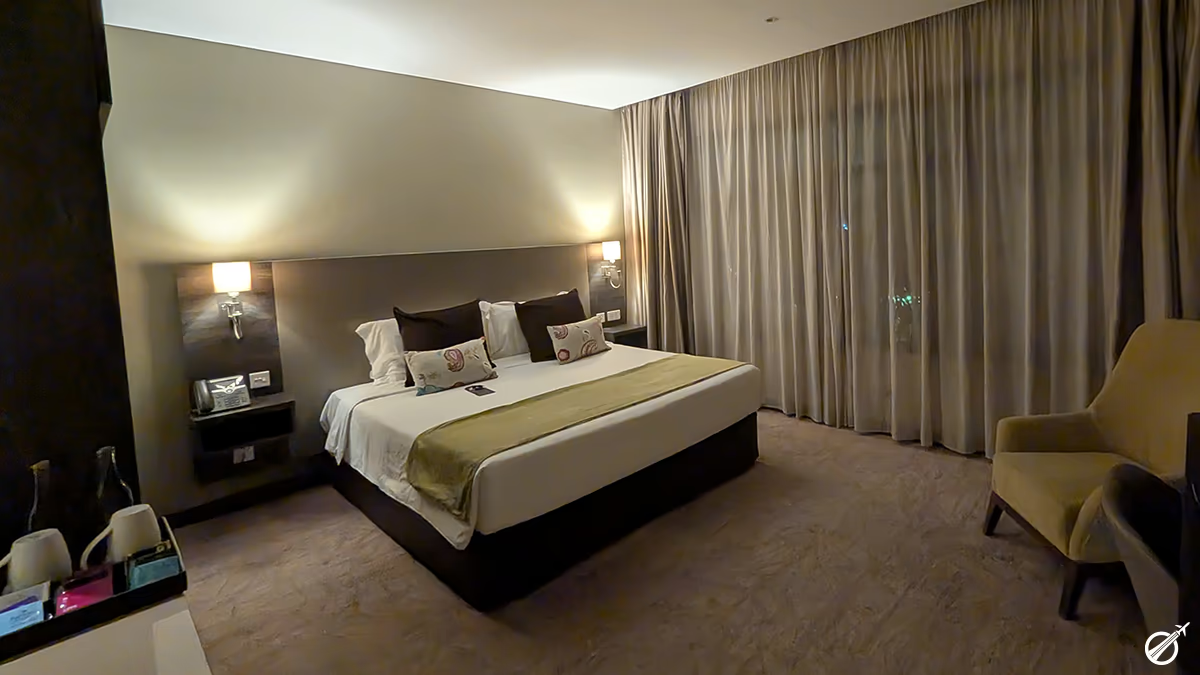
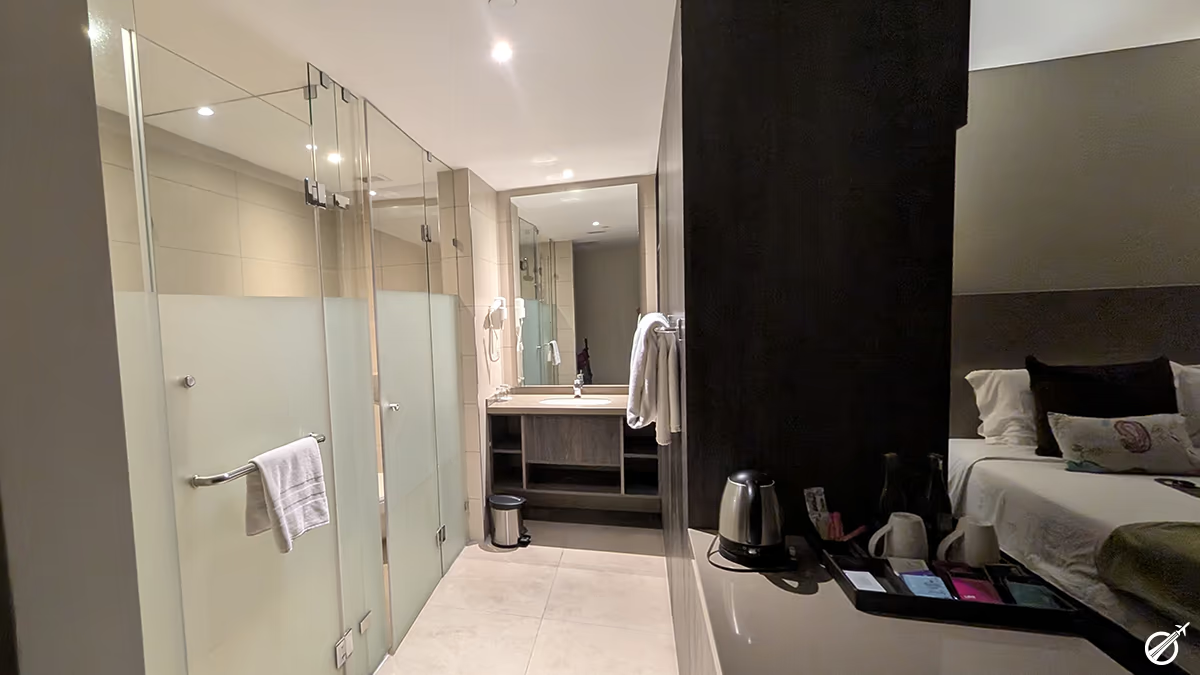
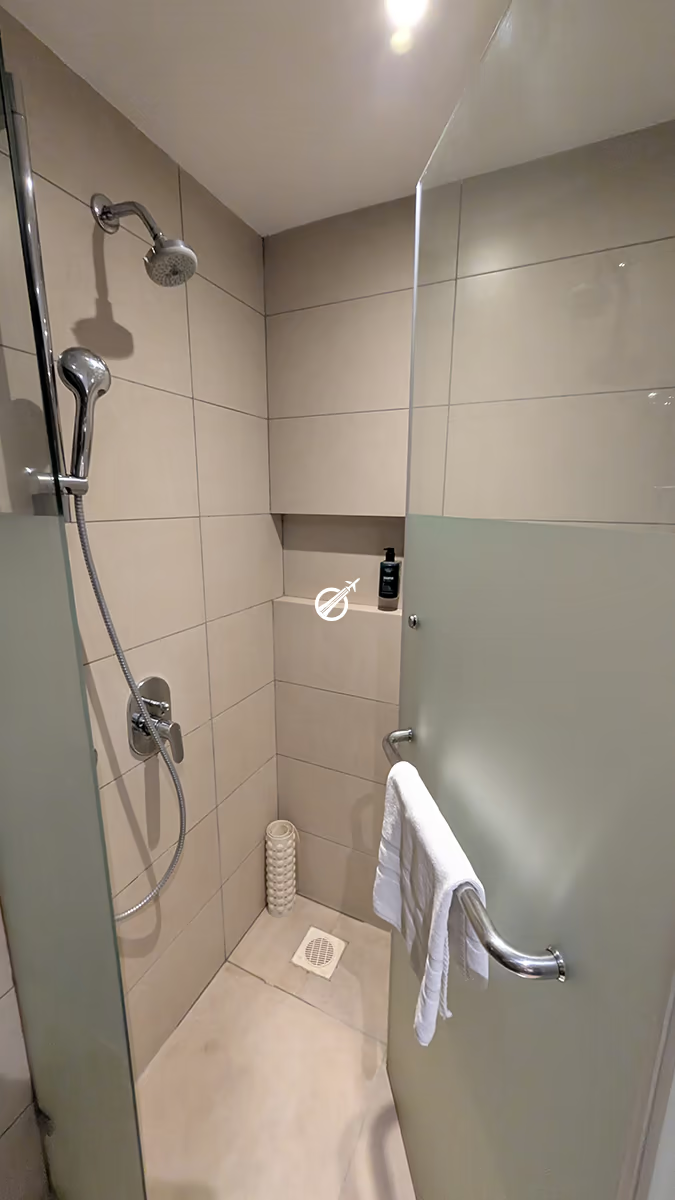
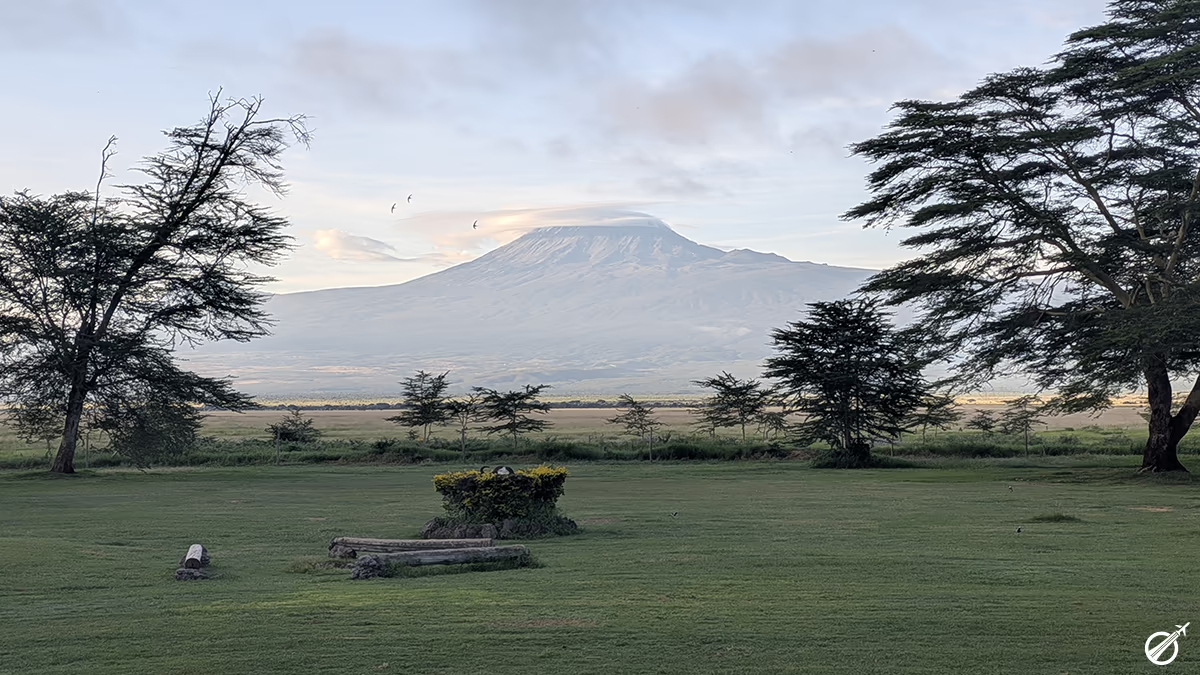
Ol Tukai Lodge
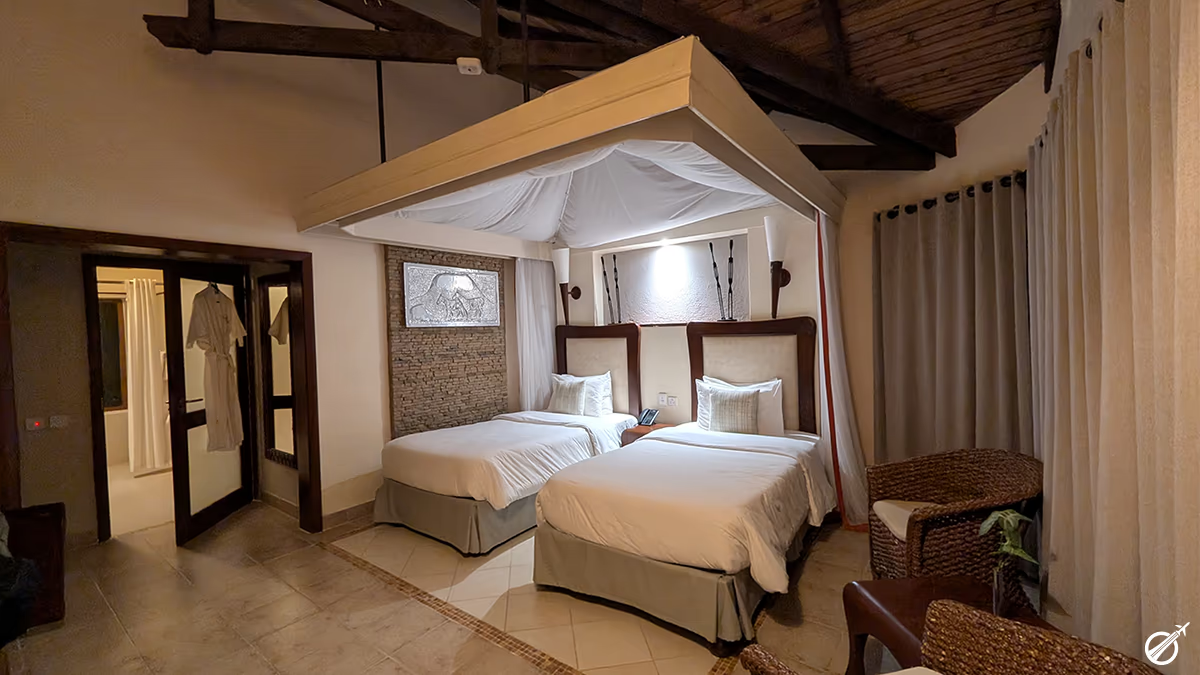
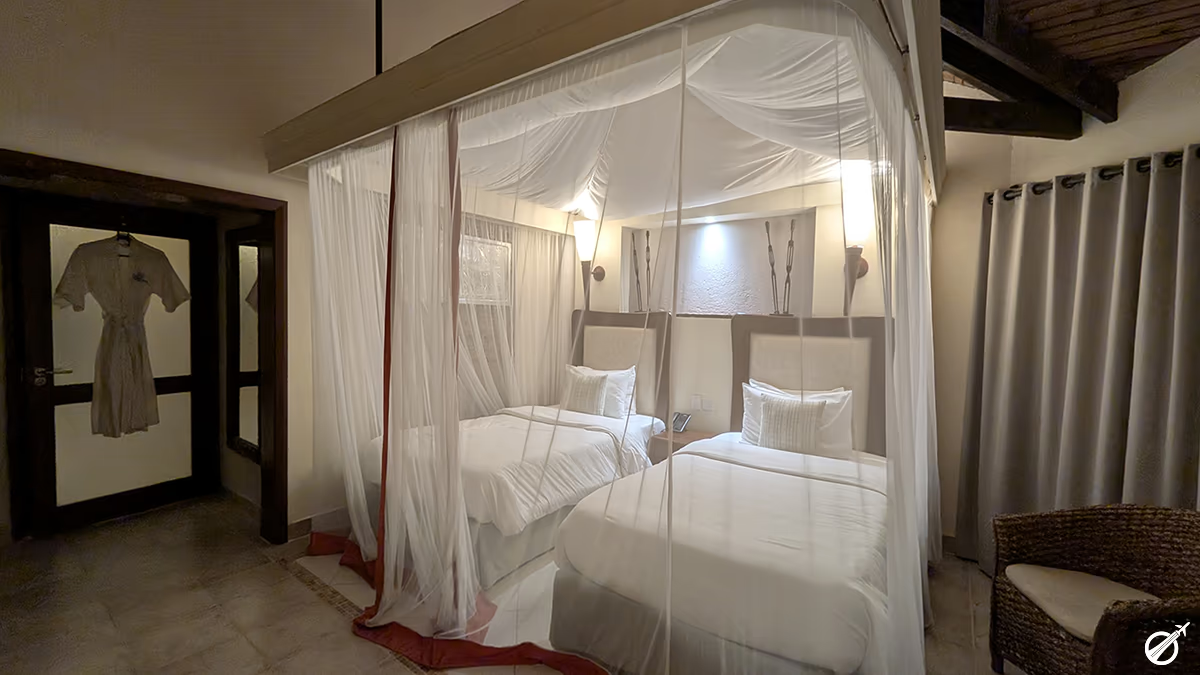
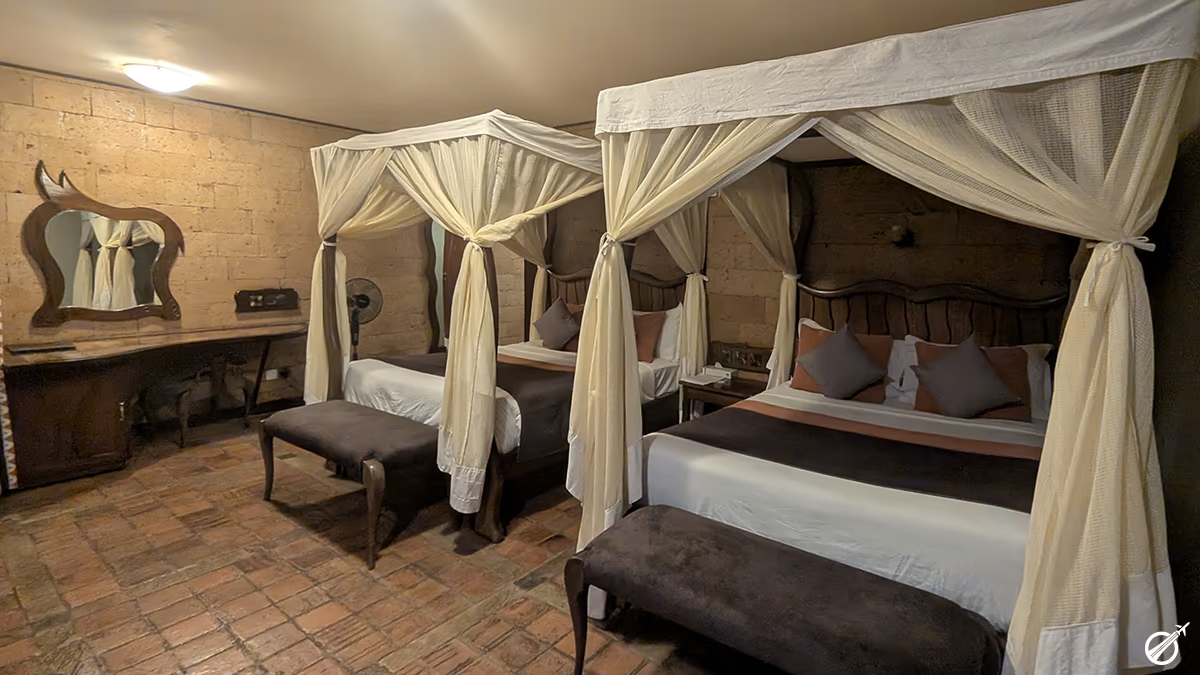
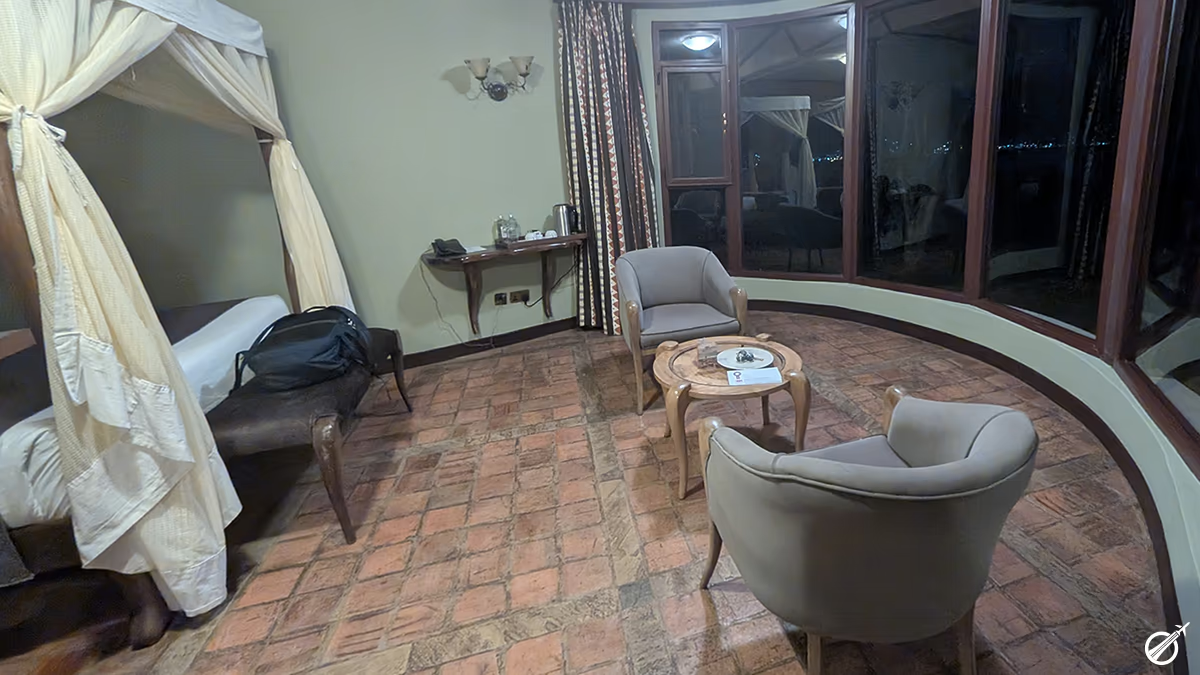
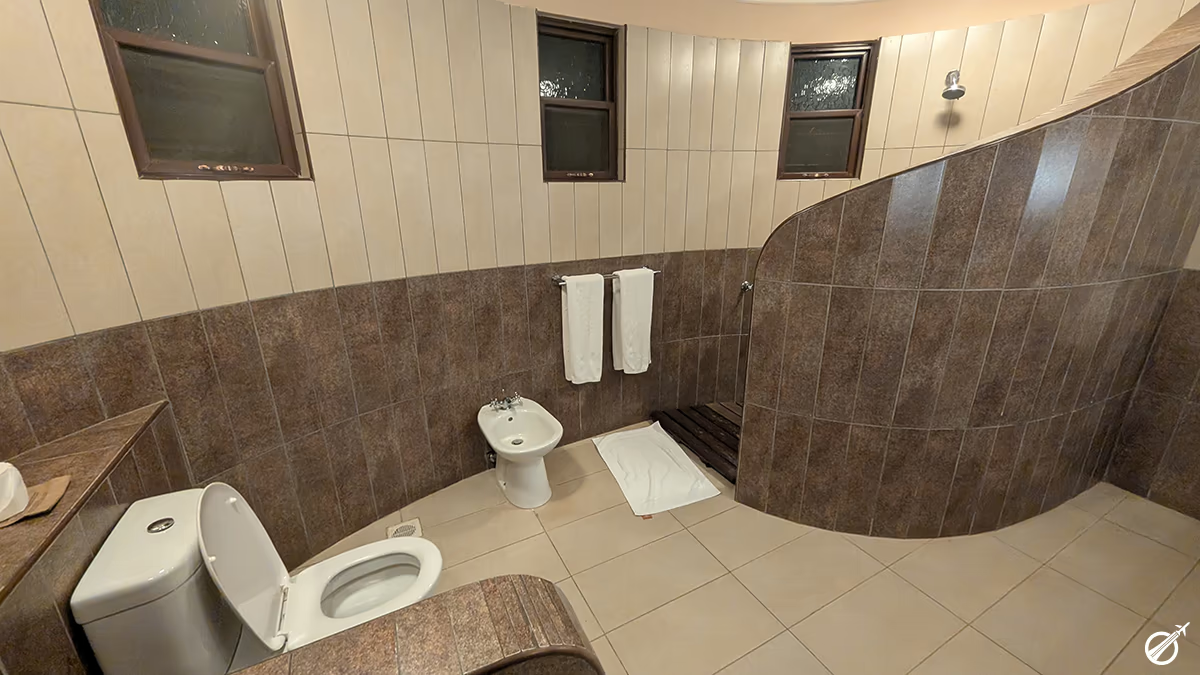
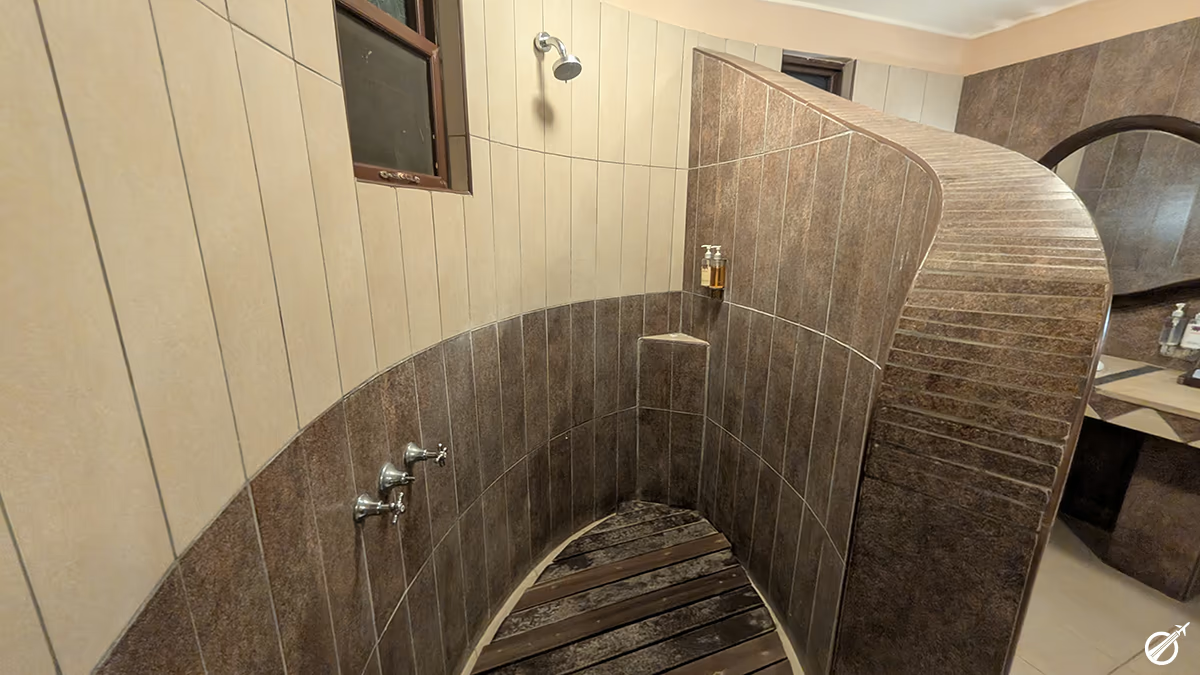
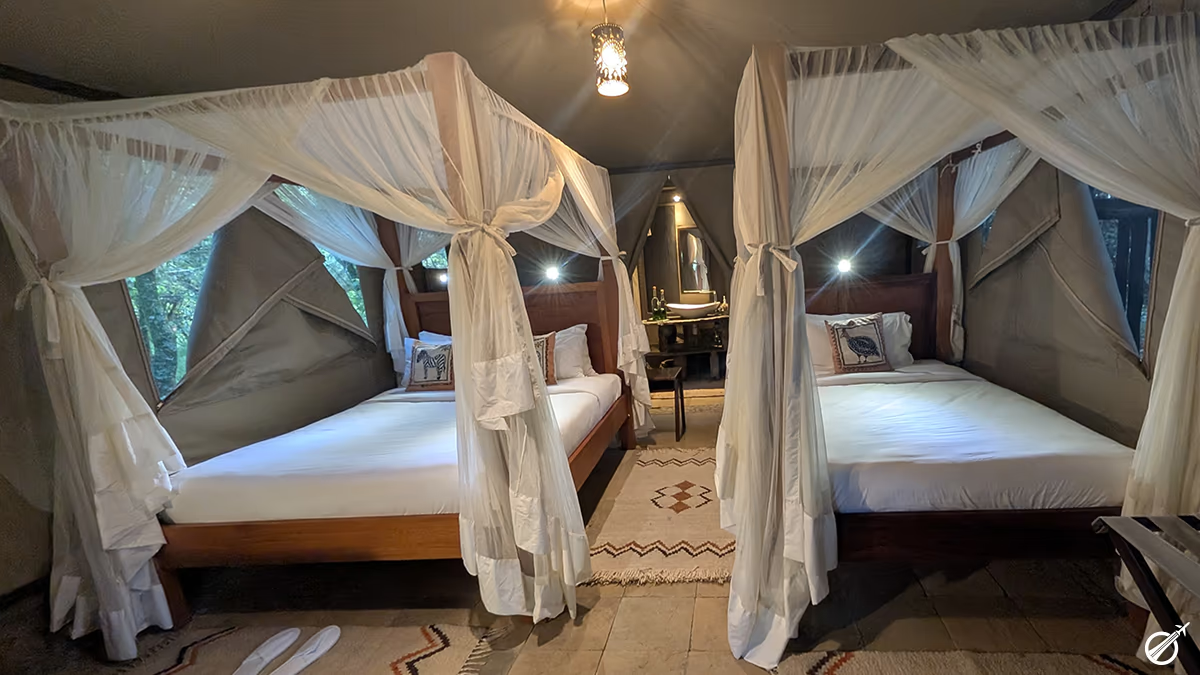
Ol Tukai Lodge is a lovely property with incredible views of Mount Kilimanjaro. The rooms are comfortable, with option for king beds and two or three twin beds, large bathrooms, and surrounded by wildlife. Monkeys are all over the property, and in some seasons you can watch elephants from the property.
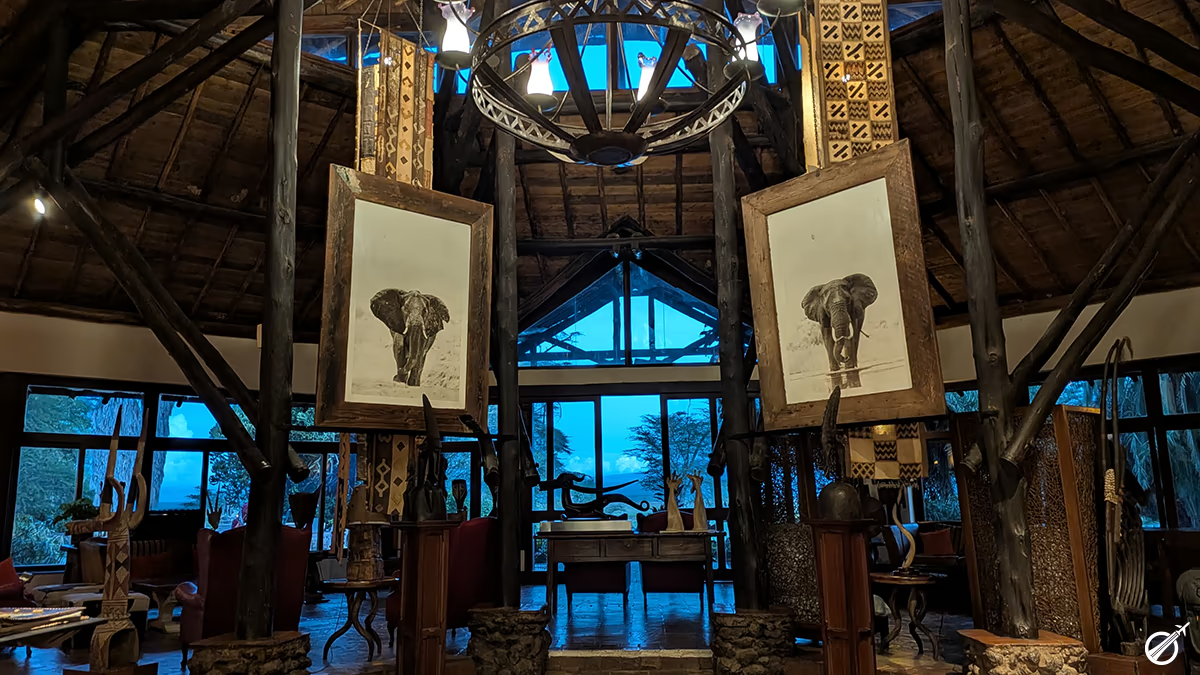
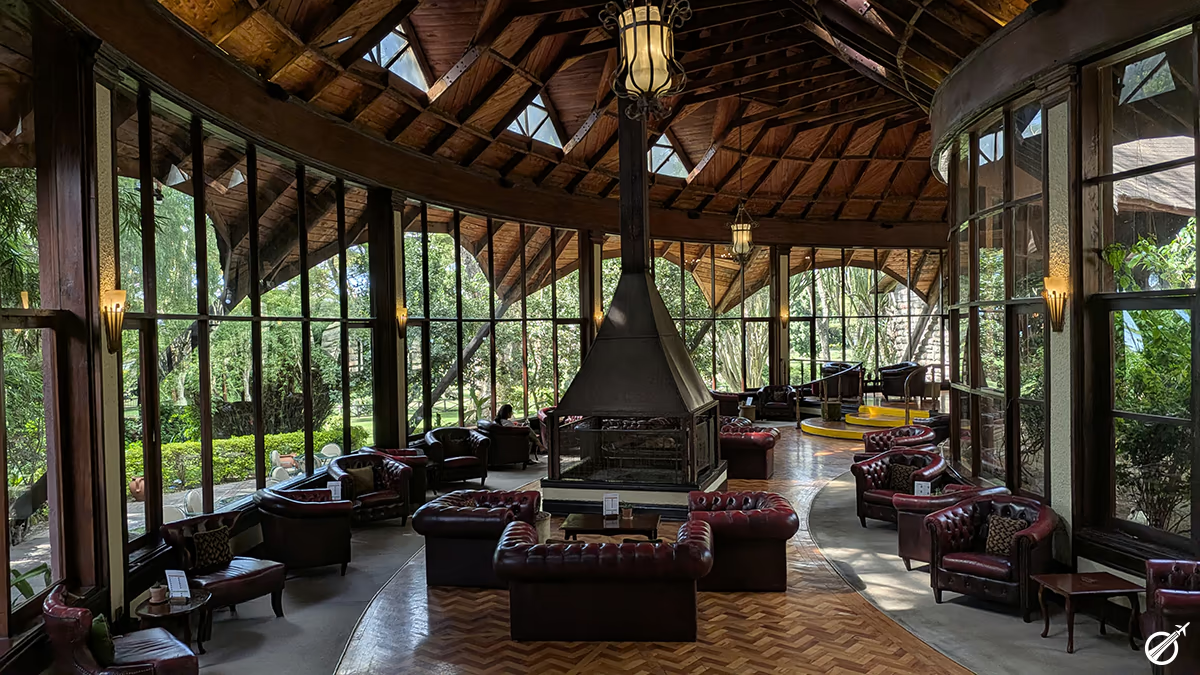
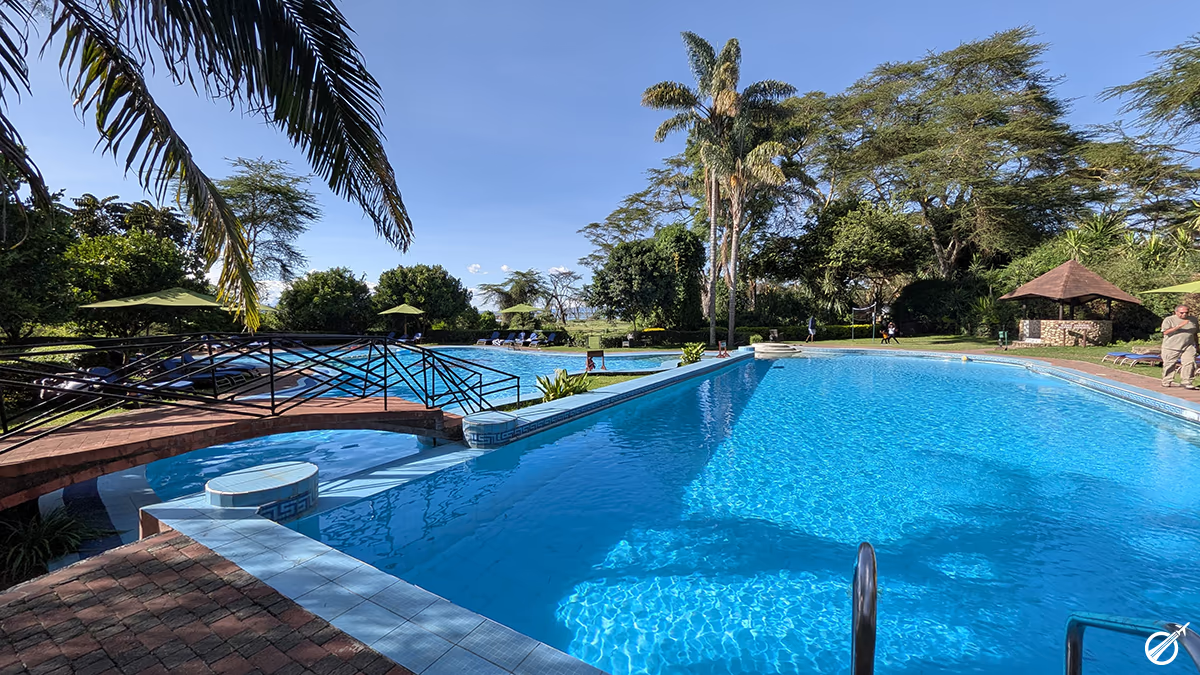
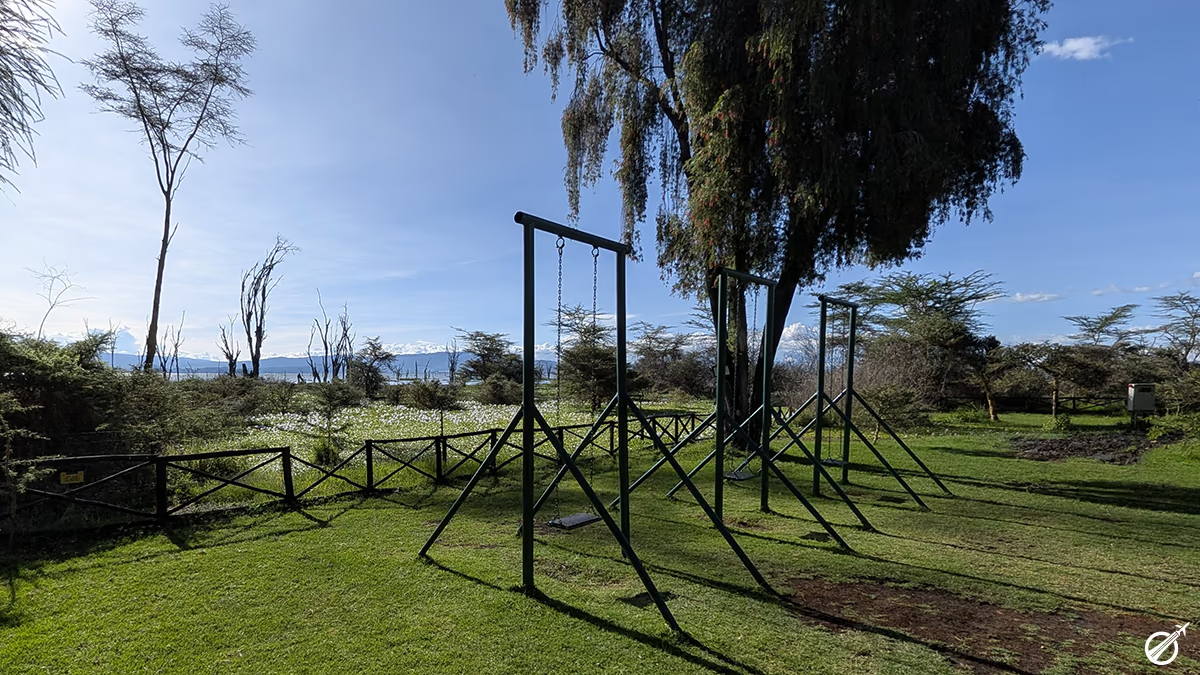
Lake Naivasha Sopa Resort
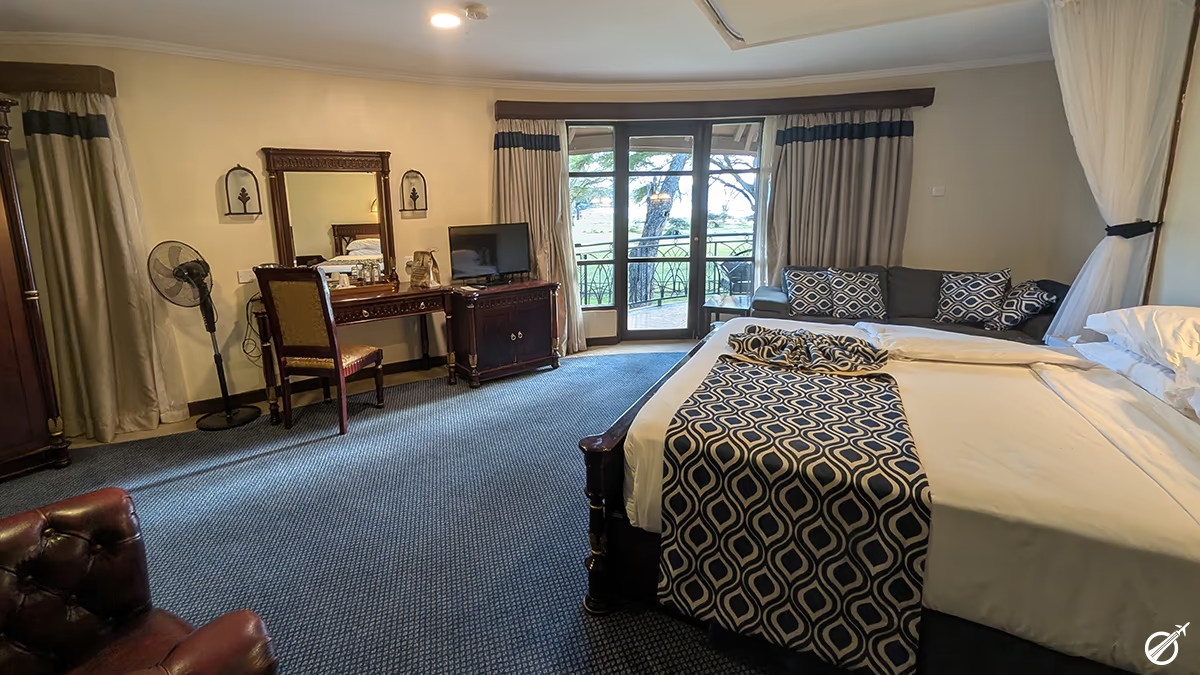
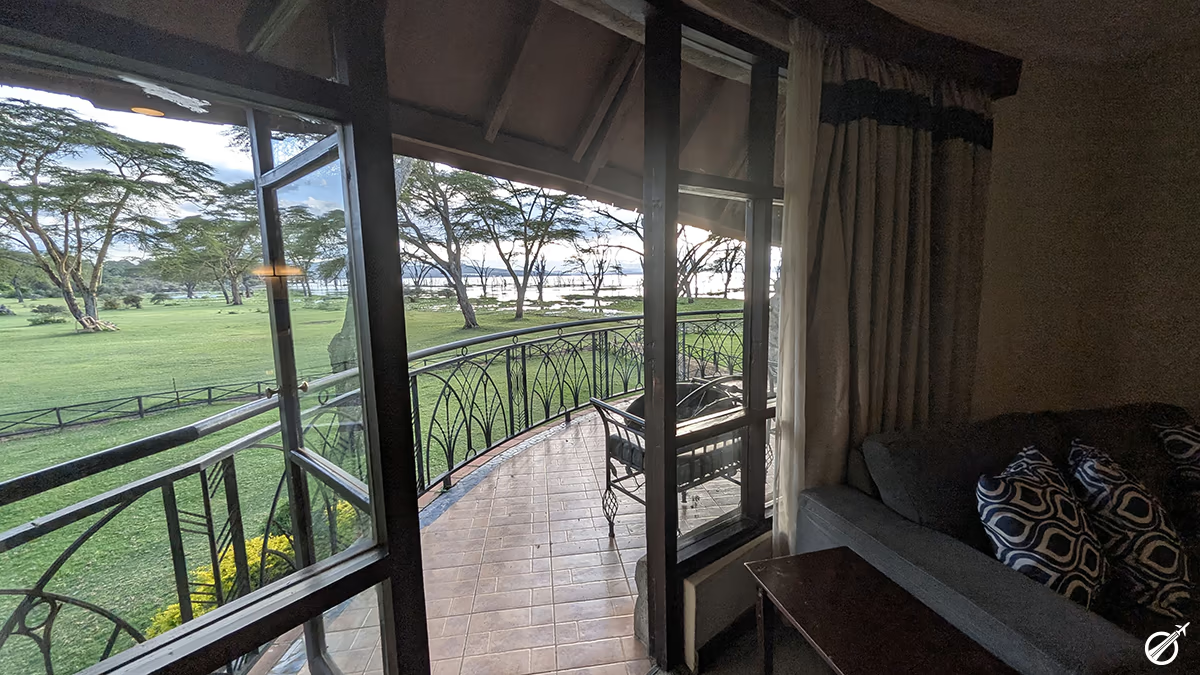
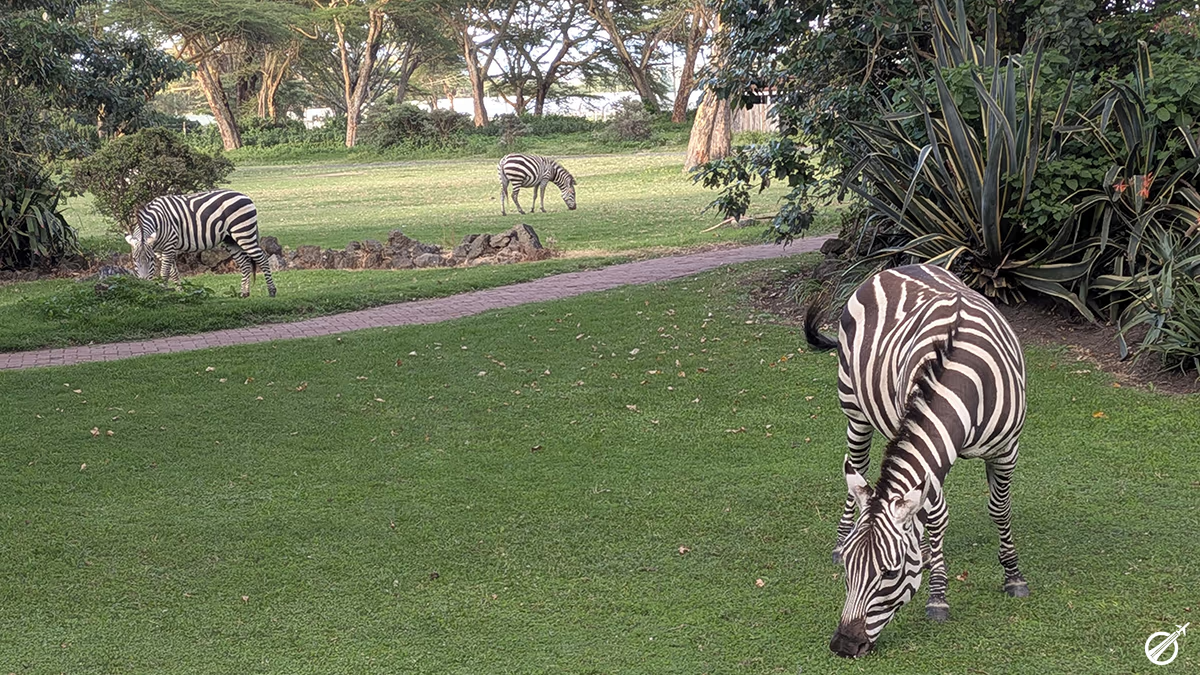
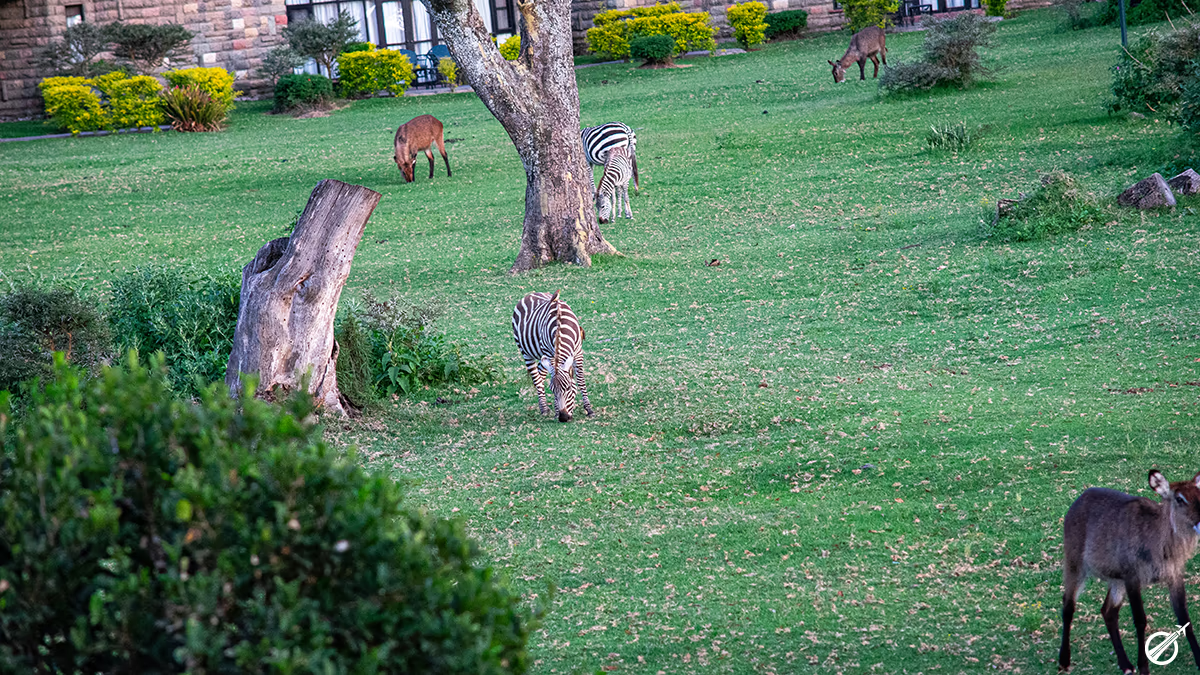
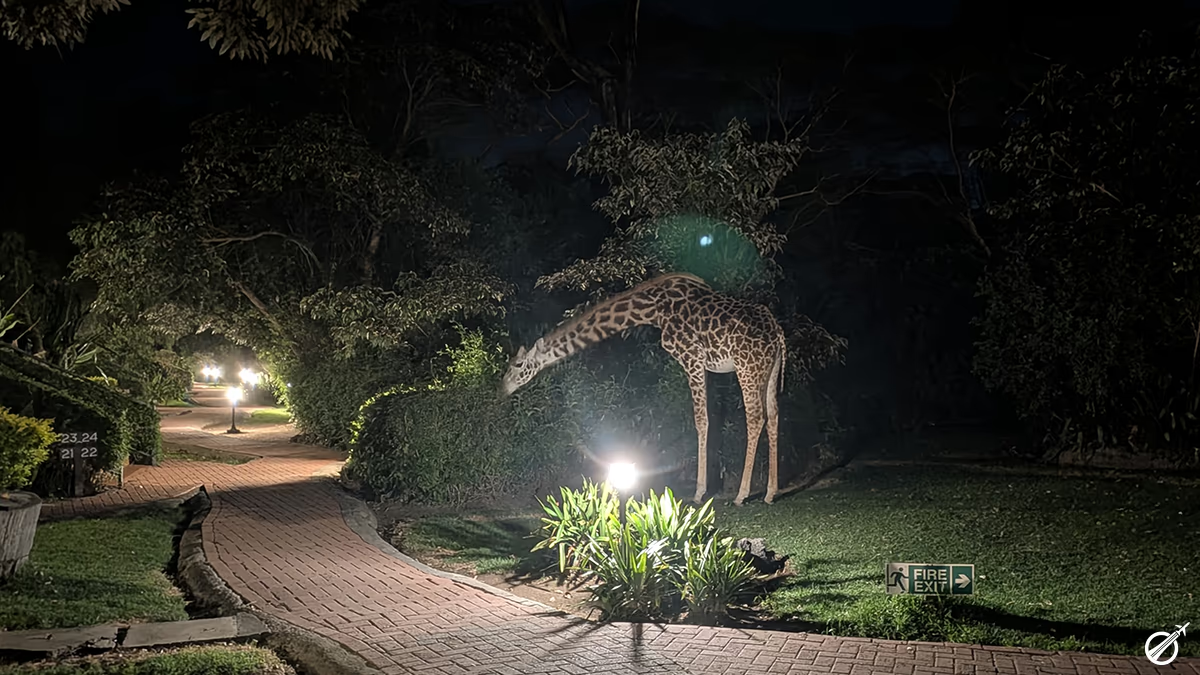
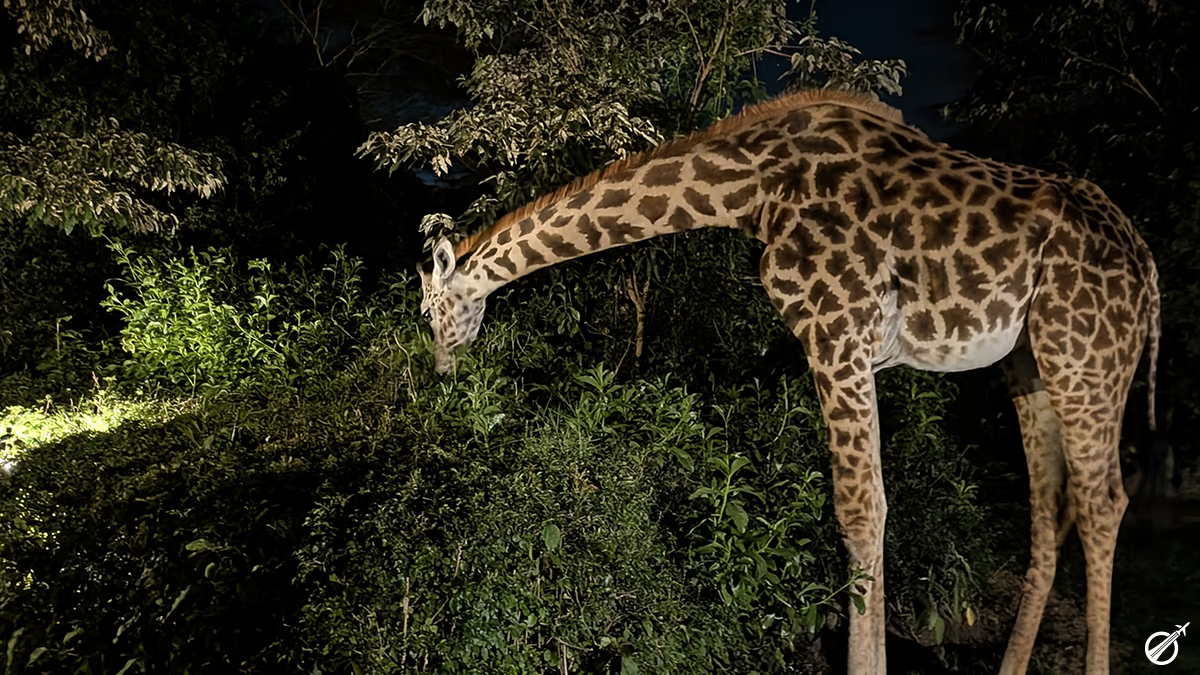
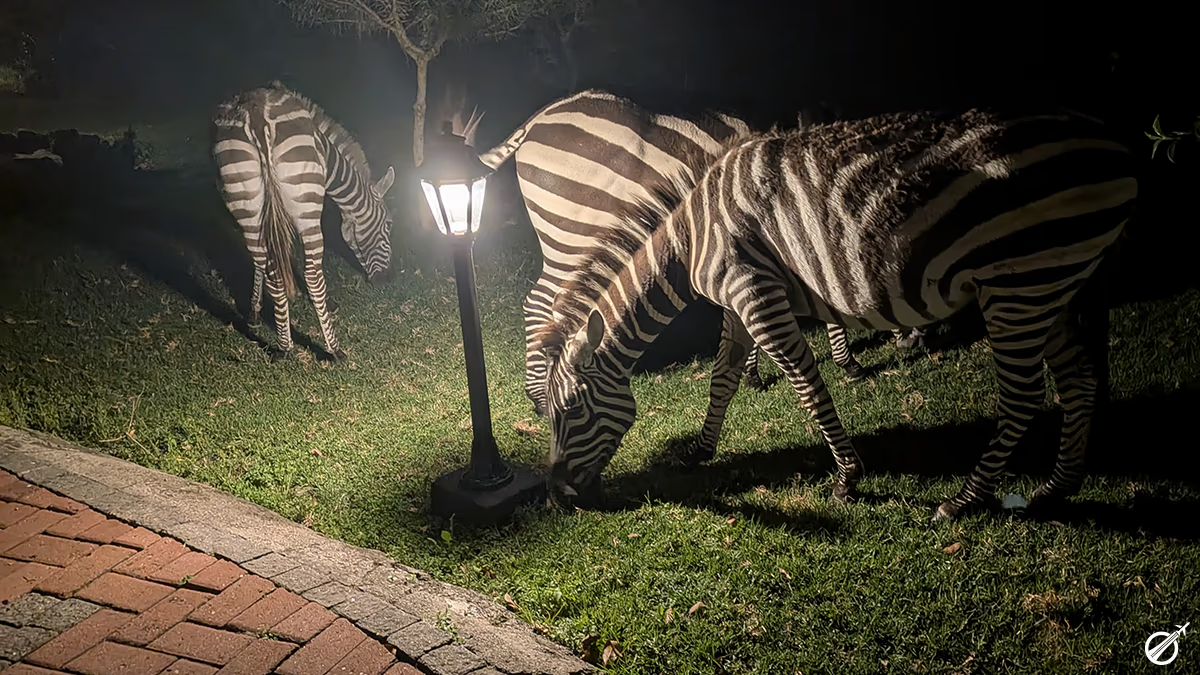
Sopa Resort is a paradise. Zebras, giraffes, and antelope wander the property freely, and it's an incredible moment to be walking home from dinner and discover a gentle giant feasting just feet from you. The rooms are large, and every one has a view of the marshlands where you are likely to see hippos and waterbuck. With a huge pool, many comfortable sitting areas, flora-laden pathways, and spa services on site, you can easily relax and let your mind wander as you soak up the beauty of the Naivasha area.
The Cliff
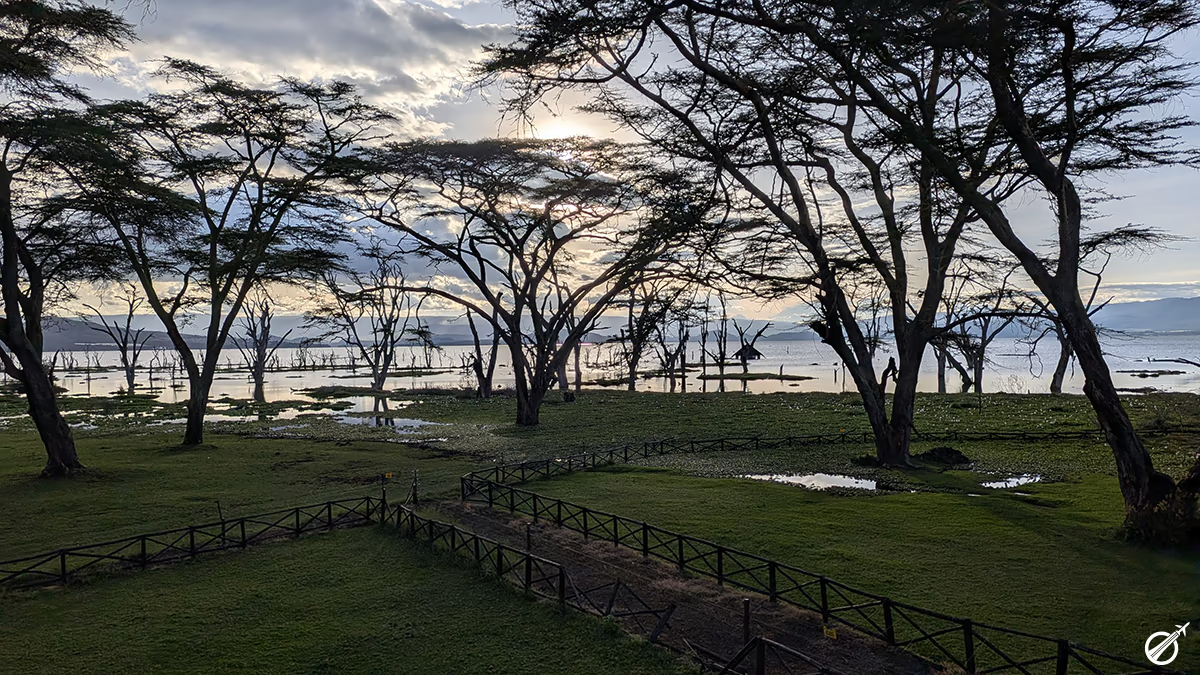
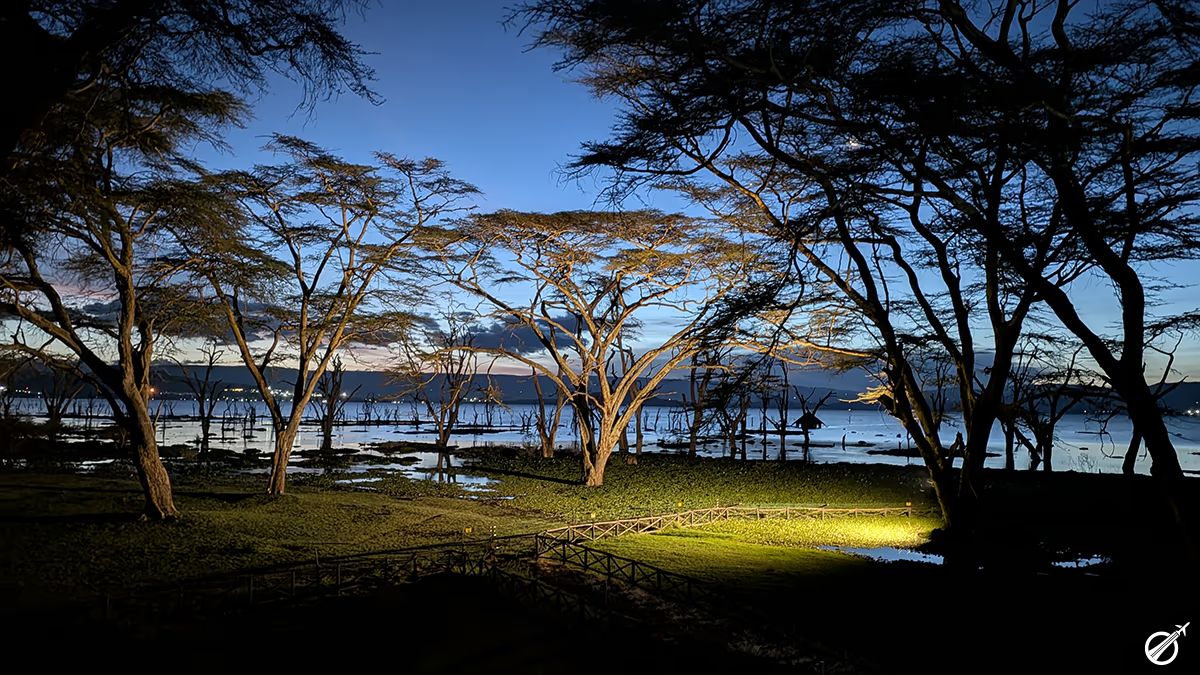
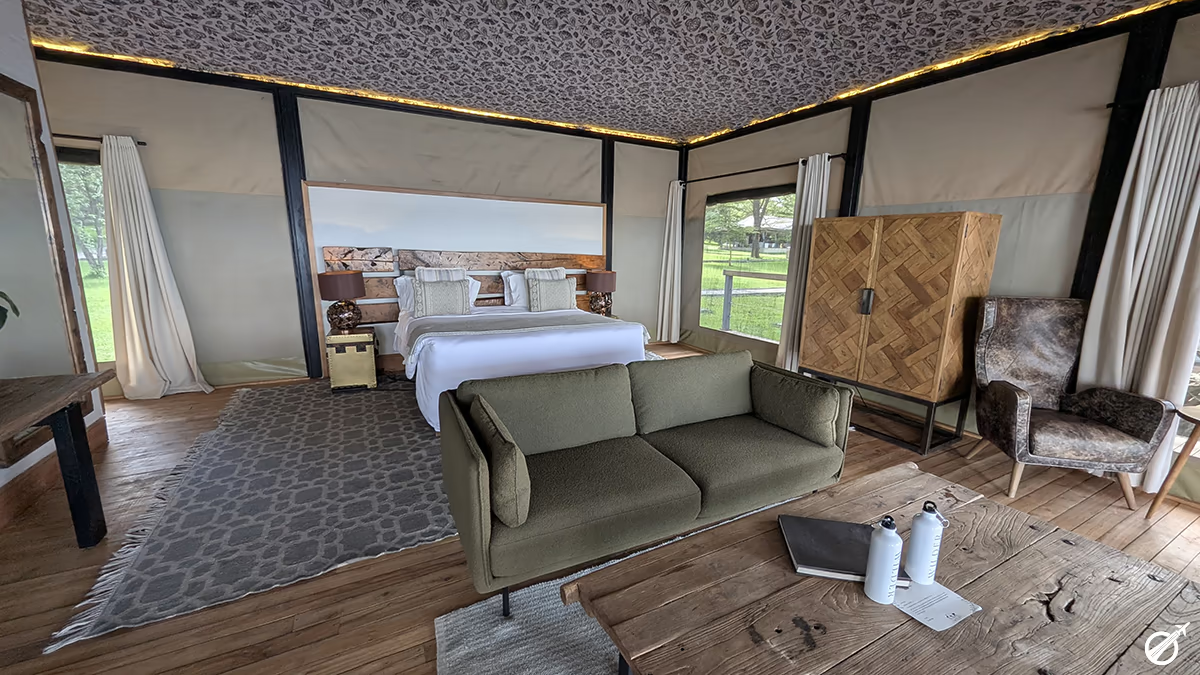
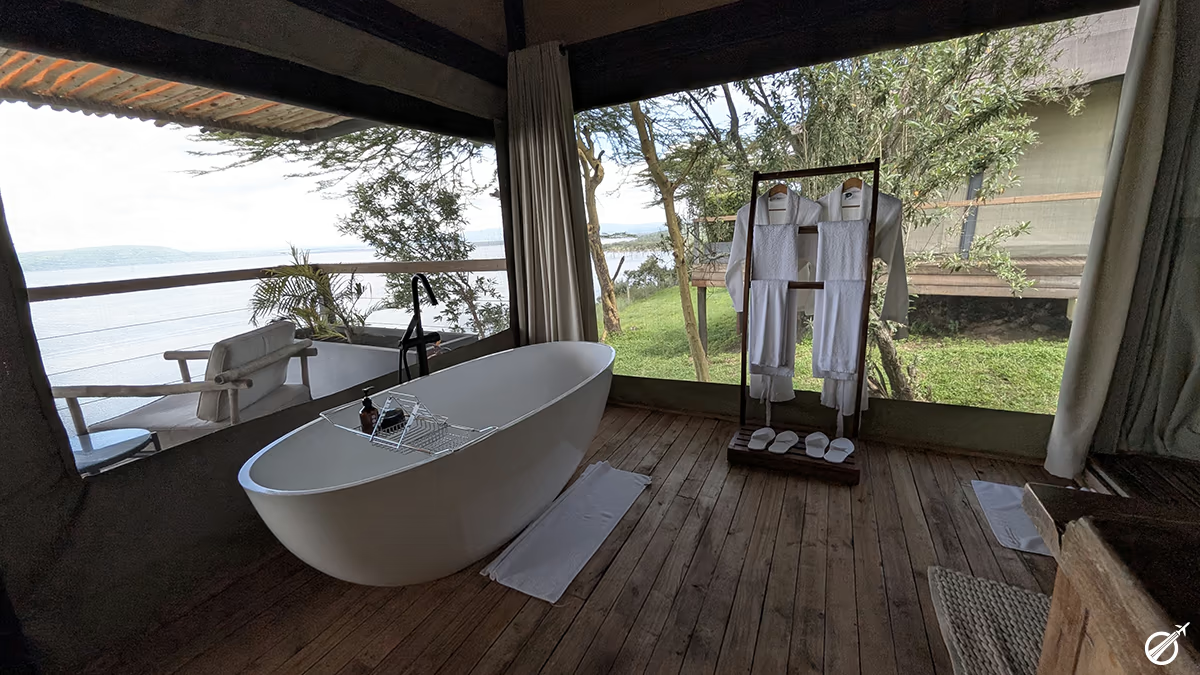
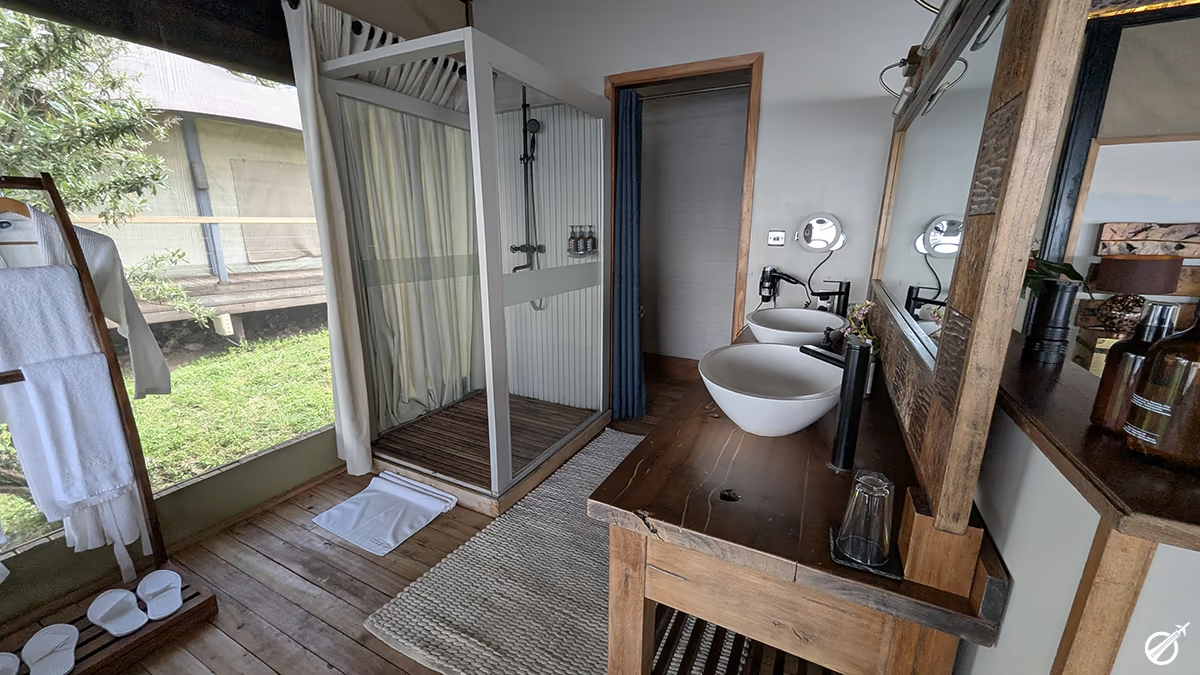
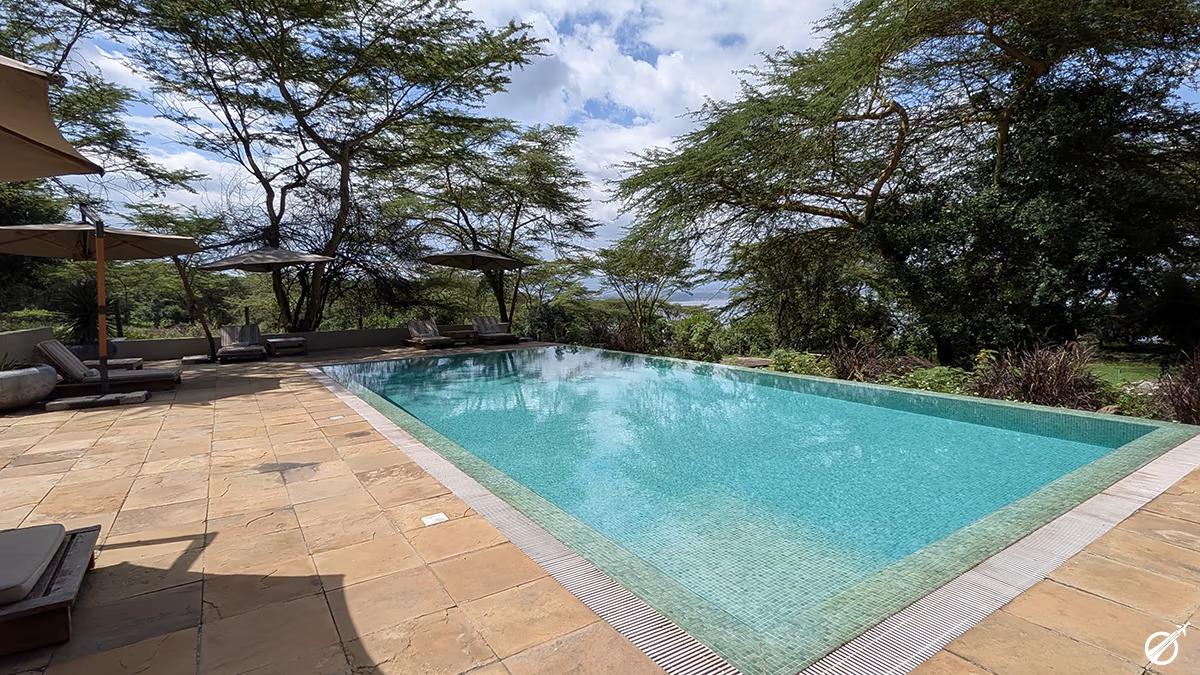
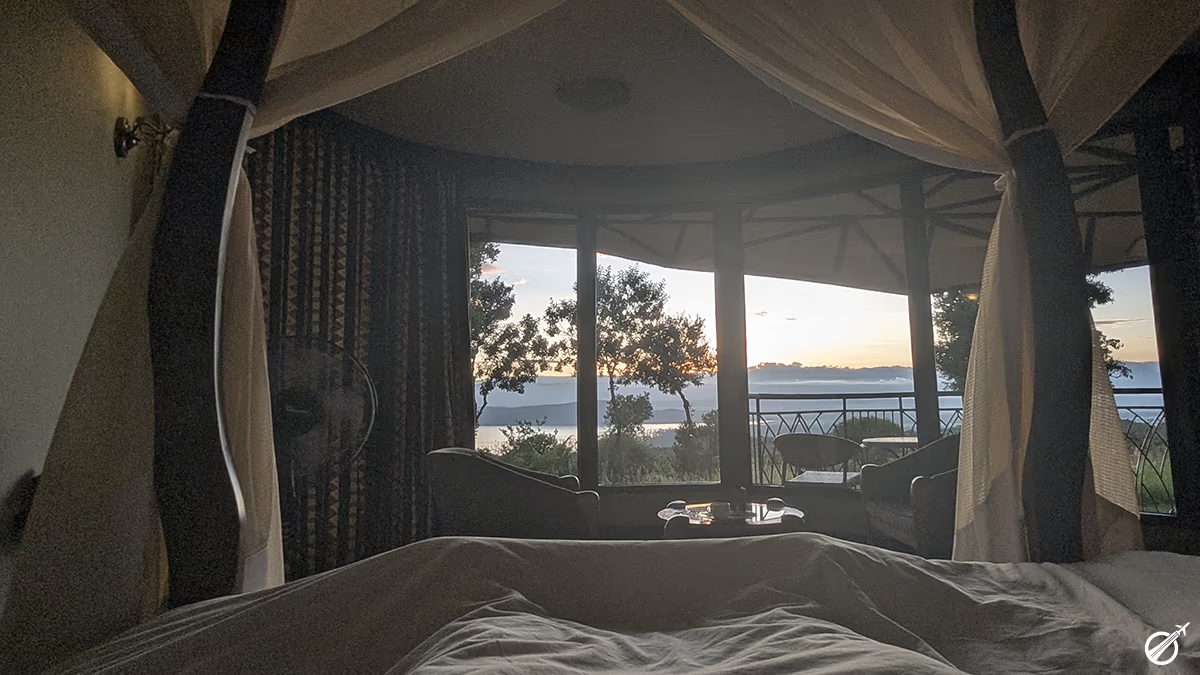
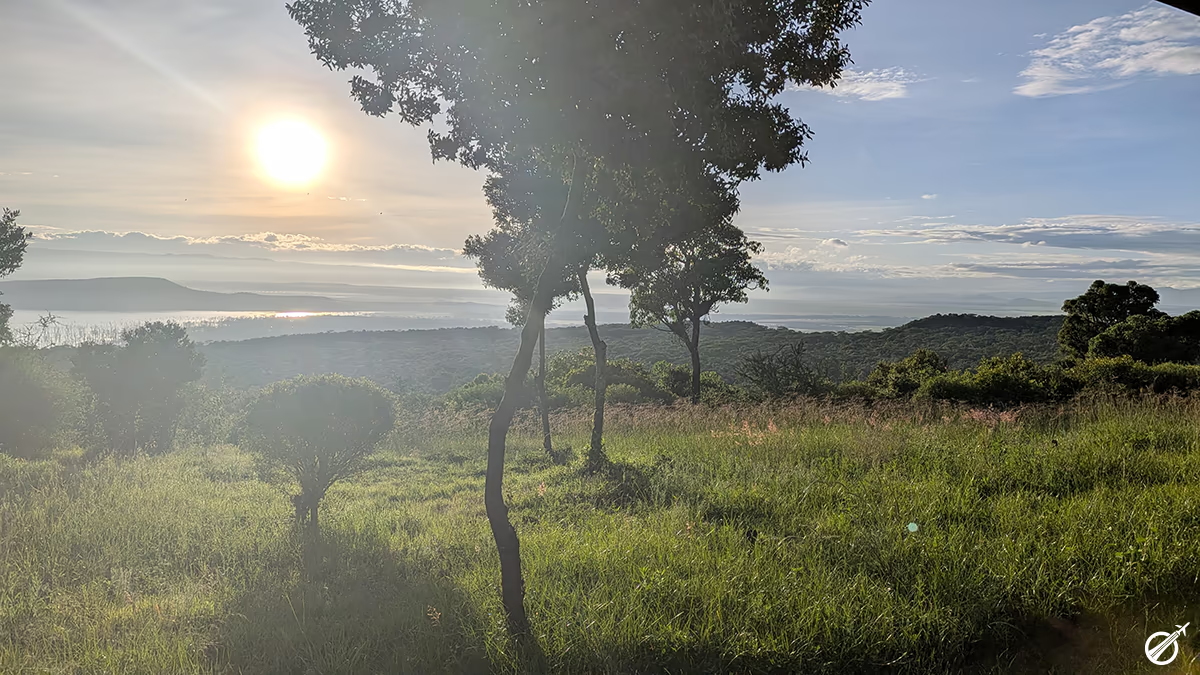
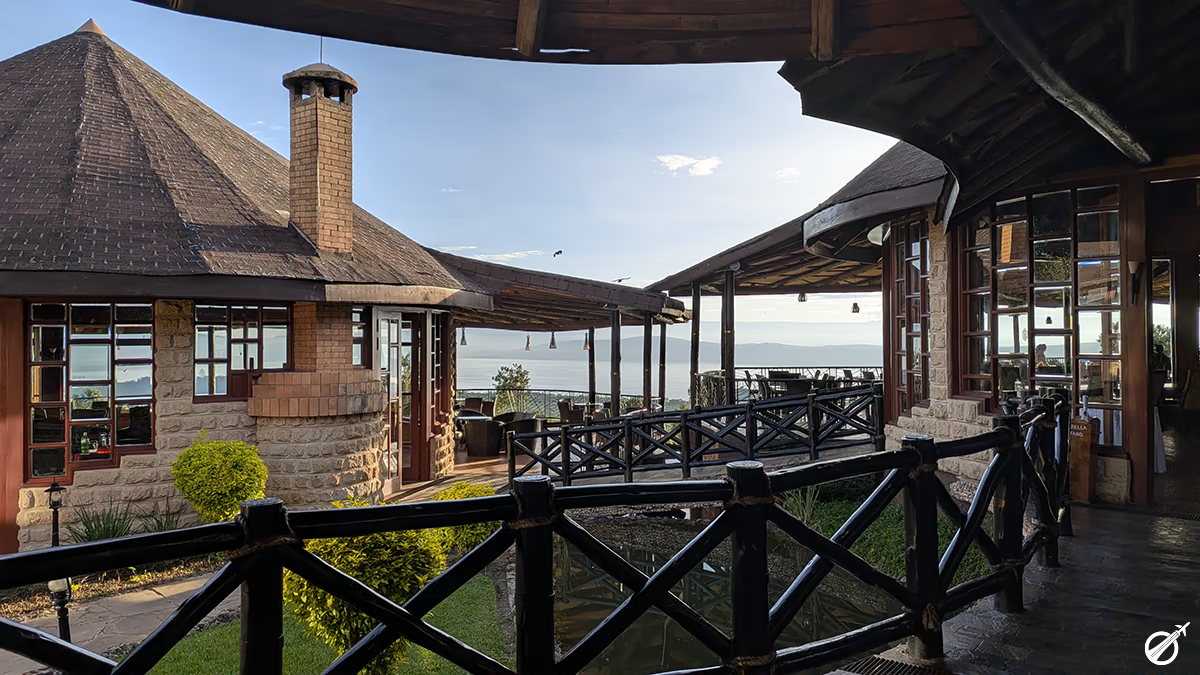
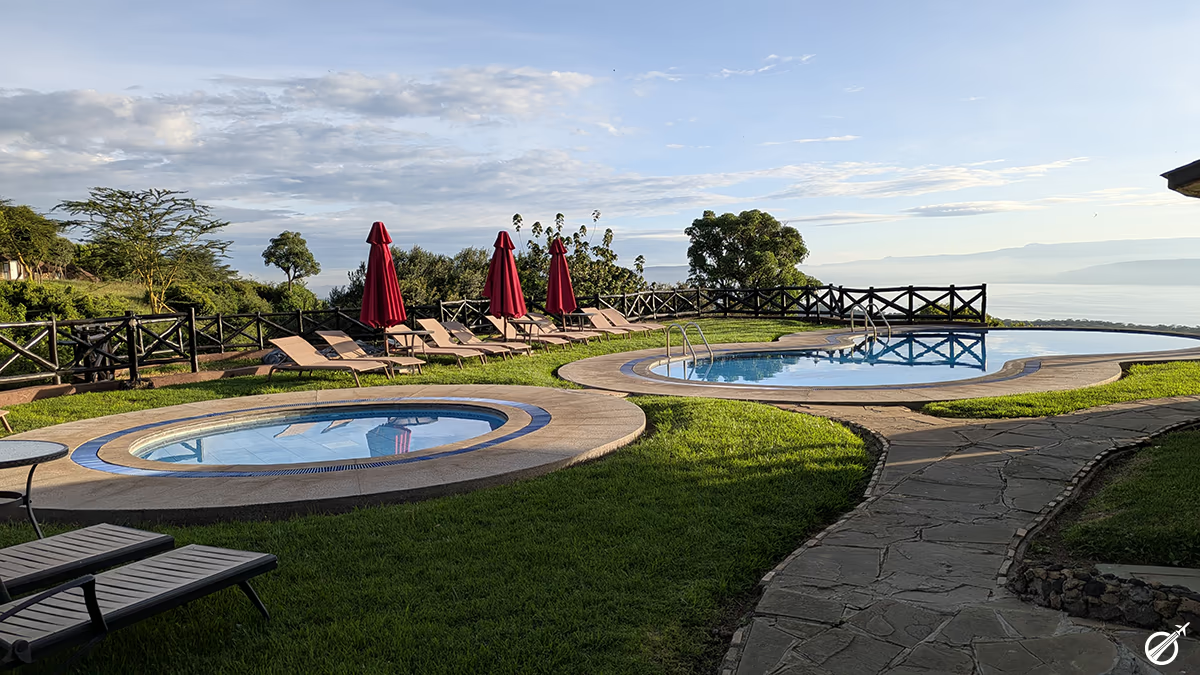
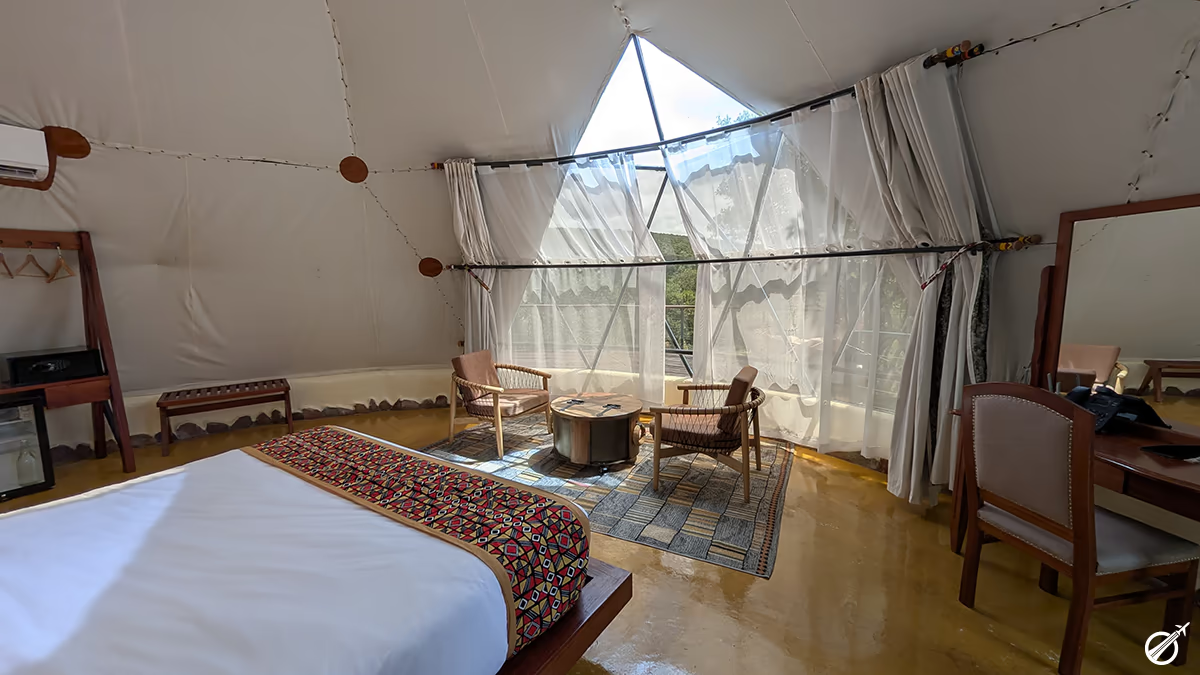
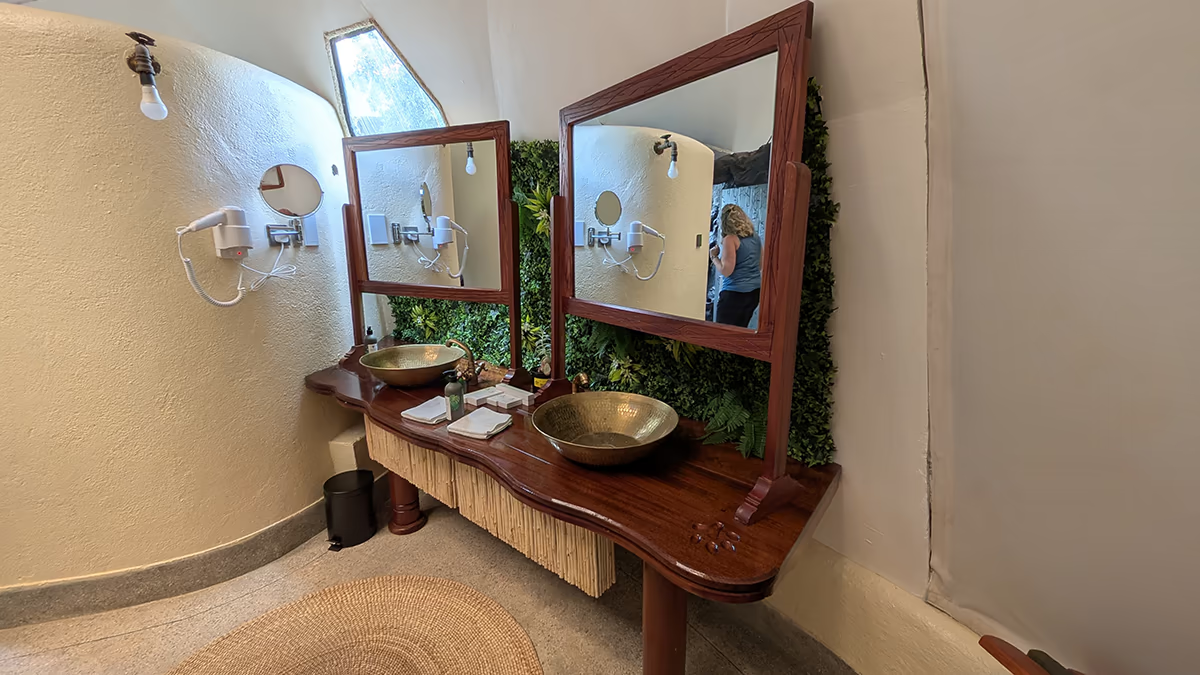
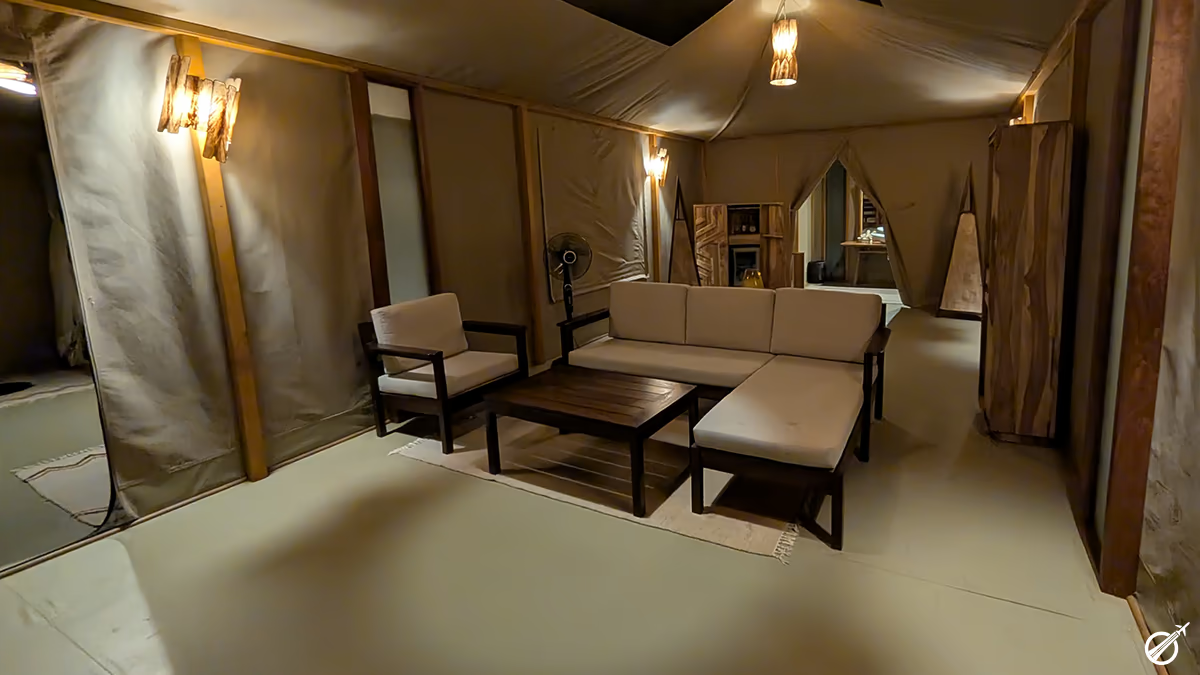
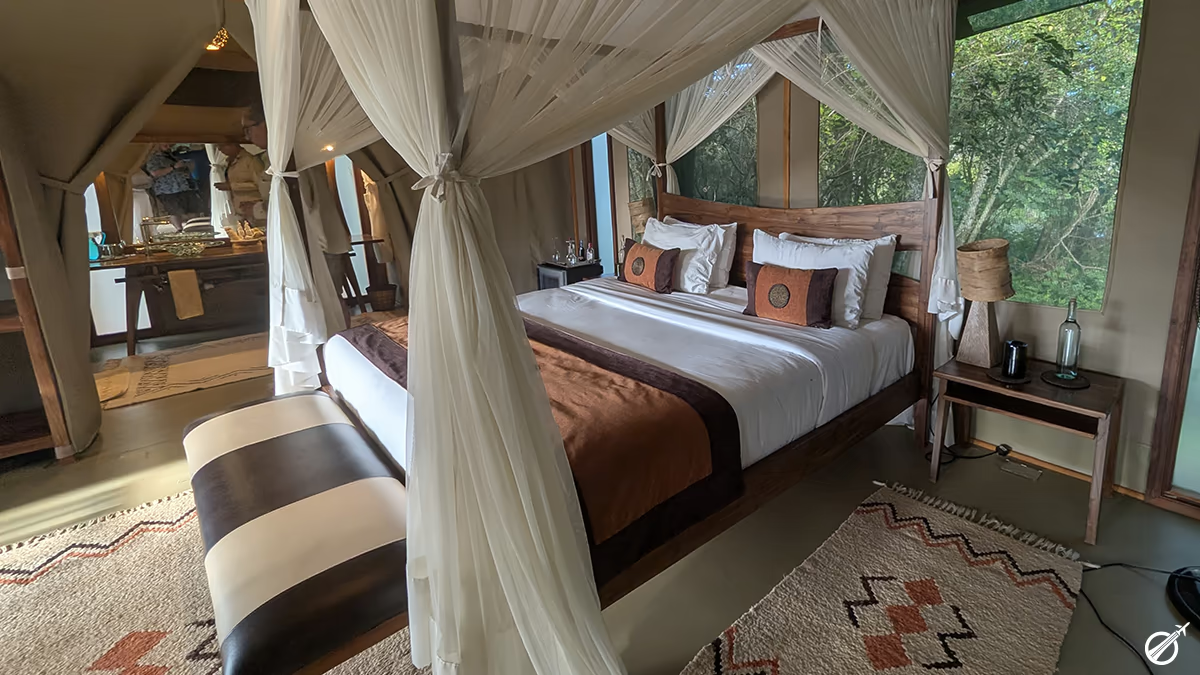
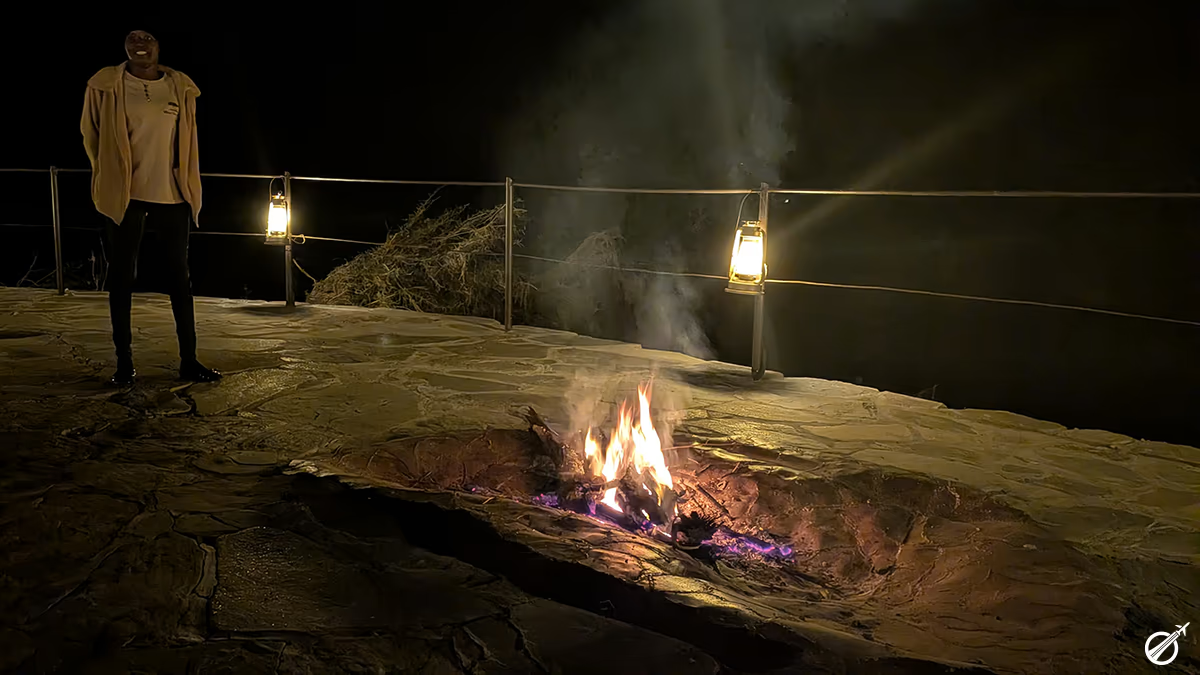
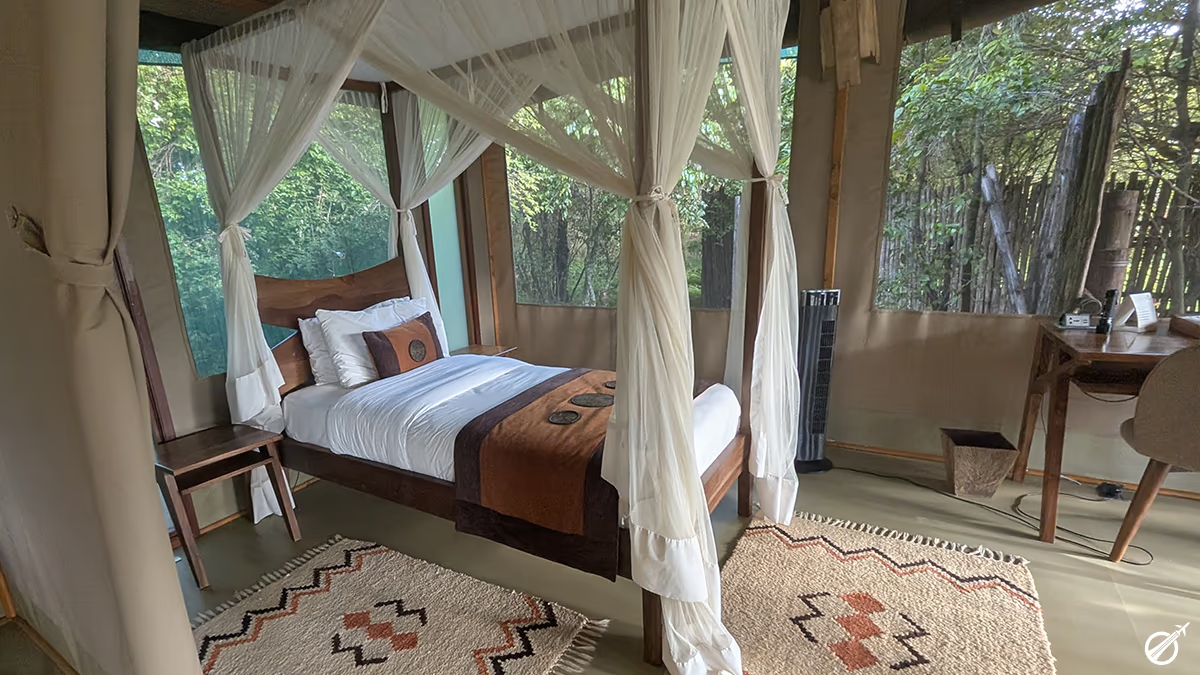
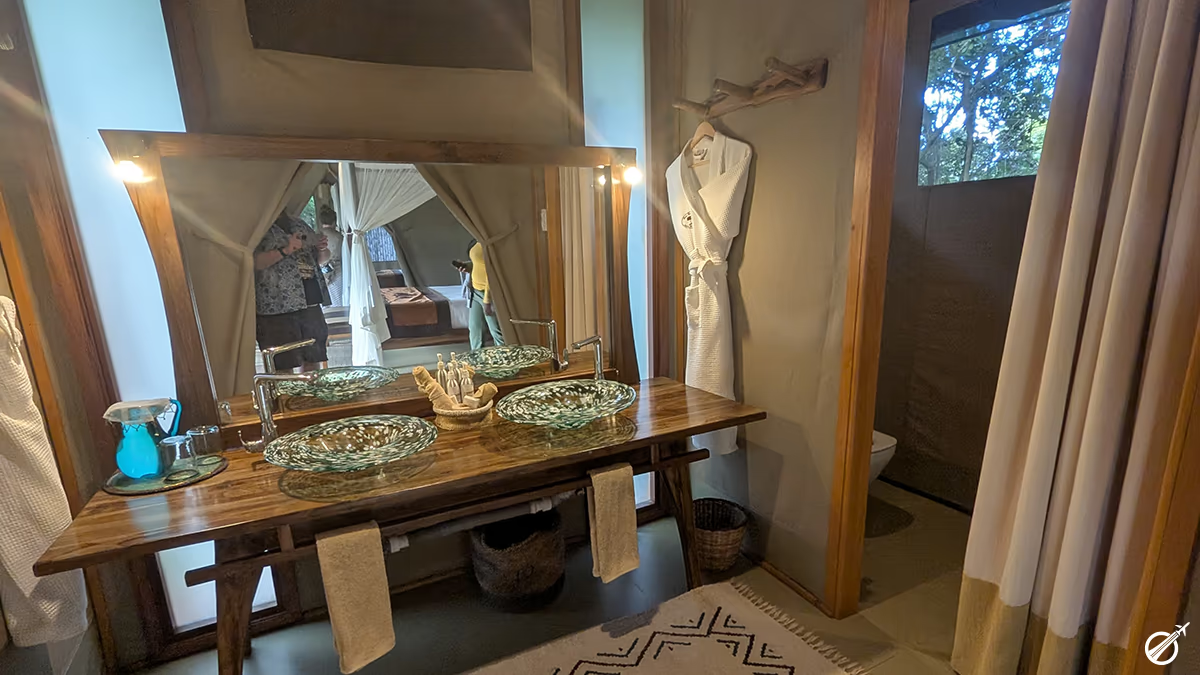
The Cliff is a luxurious resort, with 10 gloriously large, private tents, this is the pinnacle of glamping. Each tent faces Lake Nakuru, with floor-to-ceiling, wall-to-wall windows showing off high-definition 180° views. The bathrooms are divine, the property is immaculate with a great pool and full spa services, and the food is incredible. This is the perfect place for honeymooners and romantic getaways.
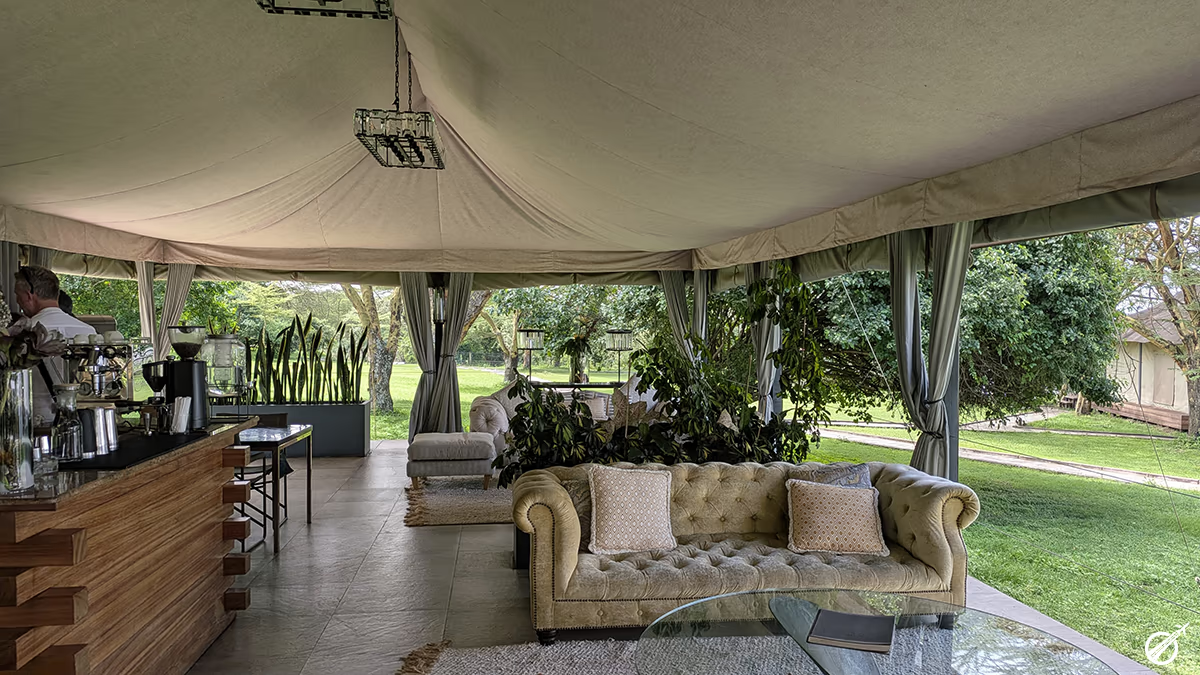
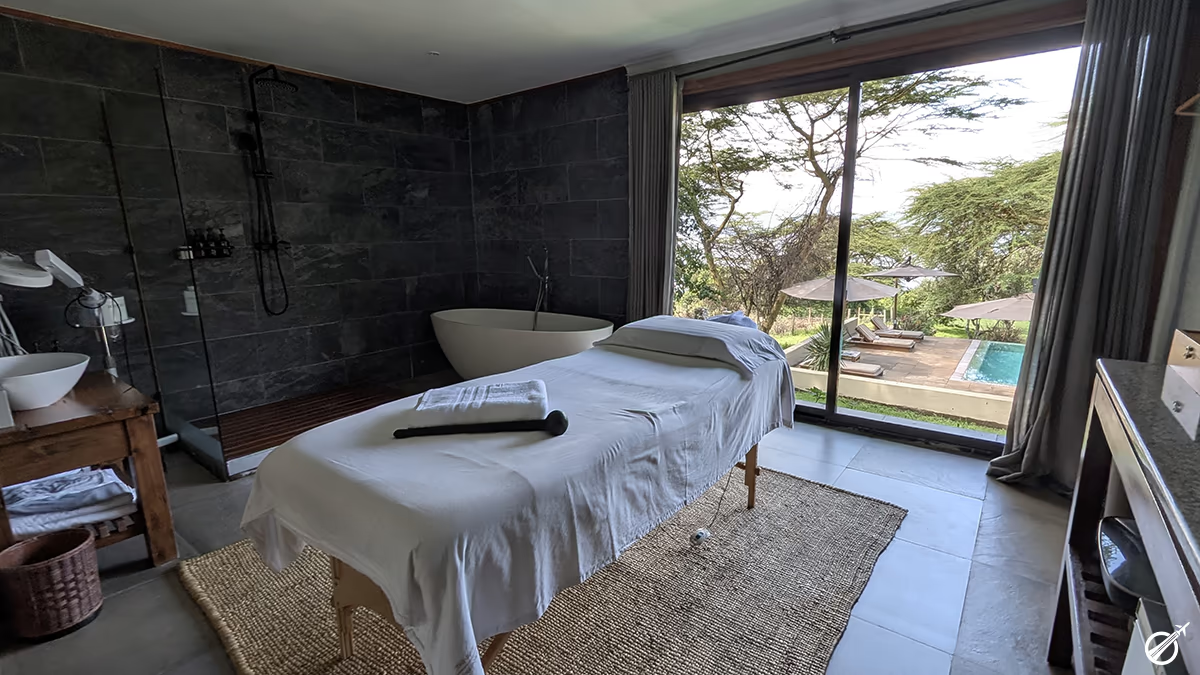
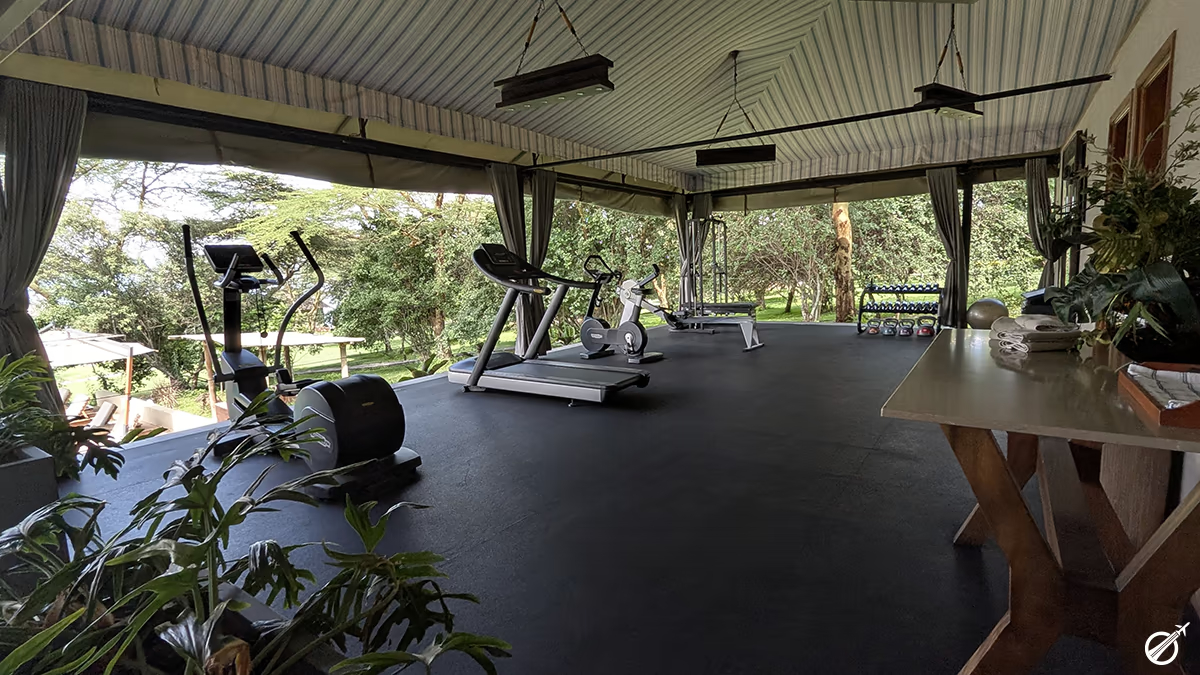
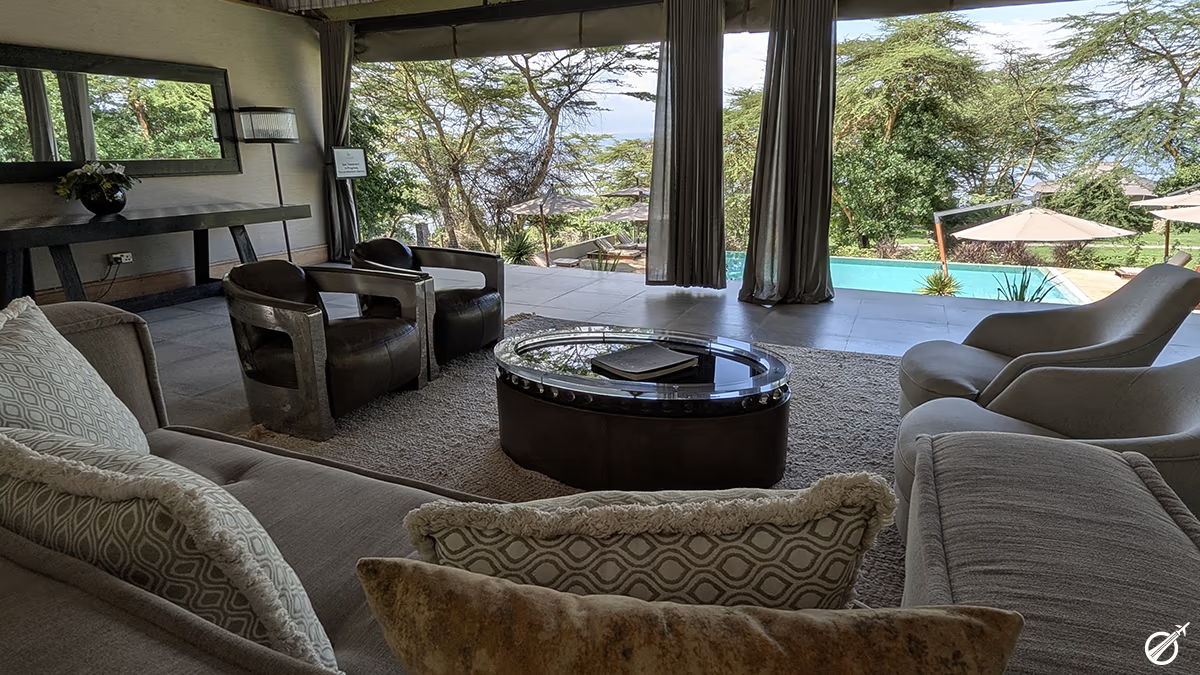
Sopa Lodge
At the Sopa Lodge in Lake Nakuru, you'll wake up to glorious sunrises and peaceful views of the lake. Go for a dip in the stunning infitinity pool with a view that stretches on for miles. The huge rooms are equipped with balconies for evening relaxation and bird watching, and a stroll through the property is a peaceful moment before or after dinner.
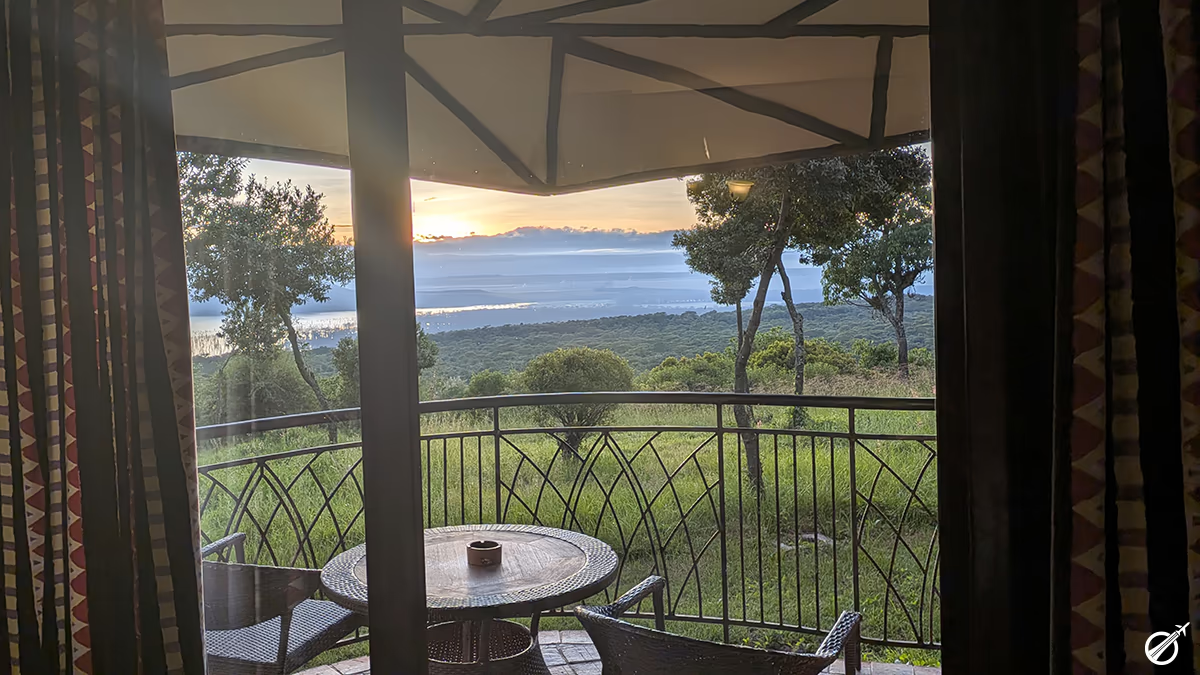
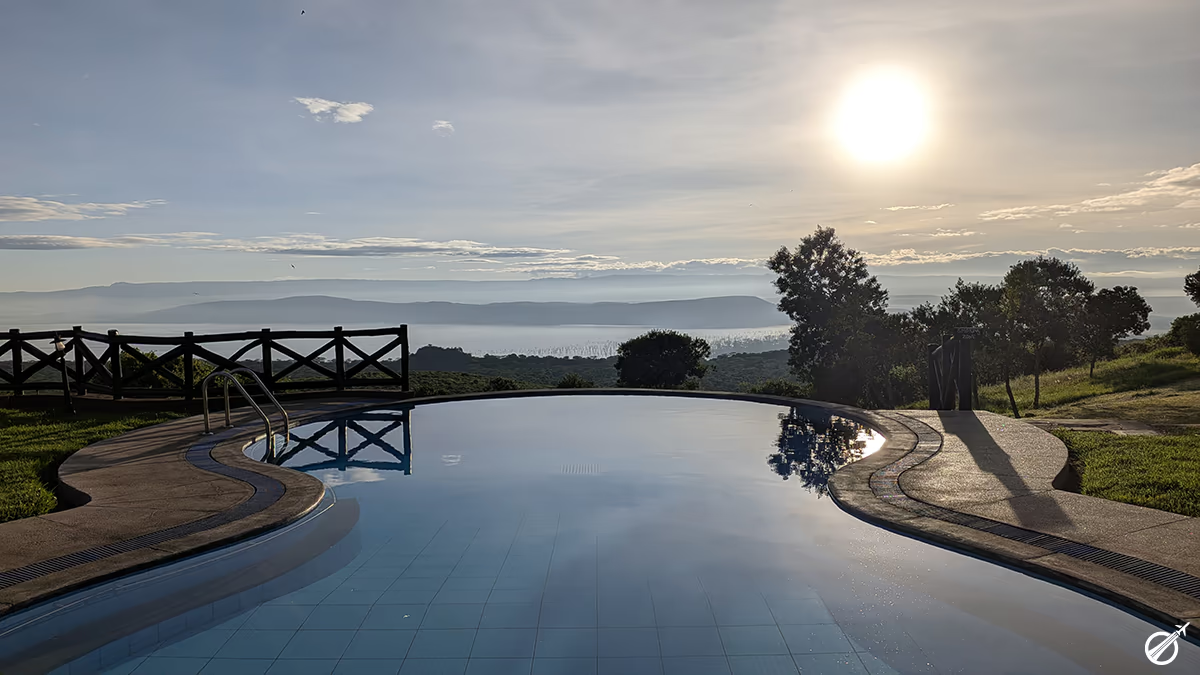
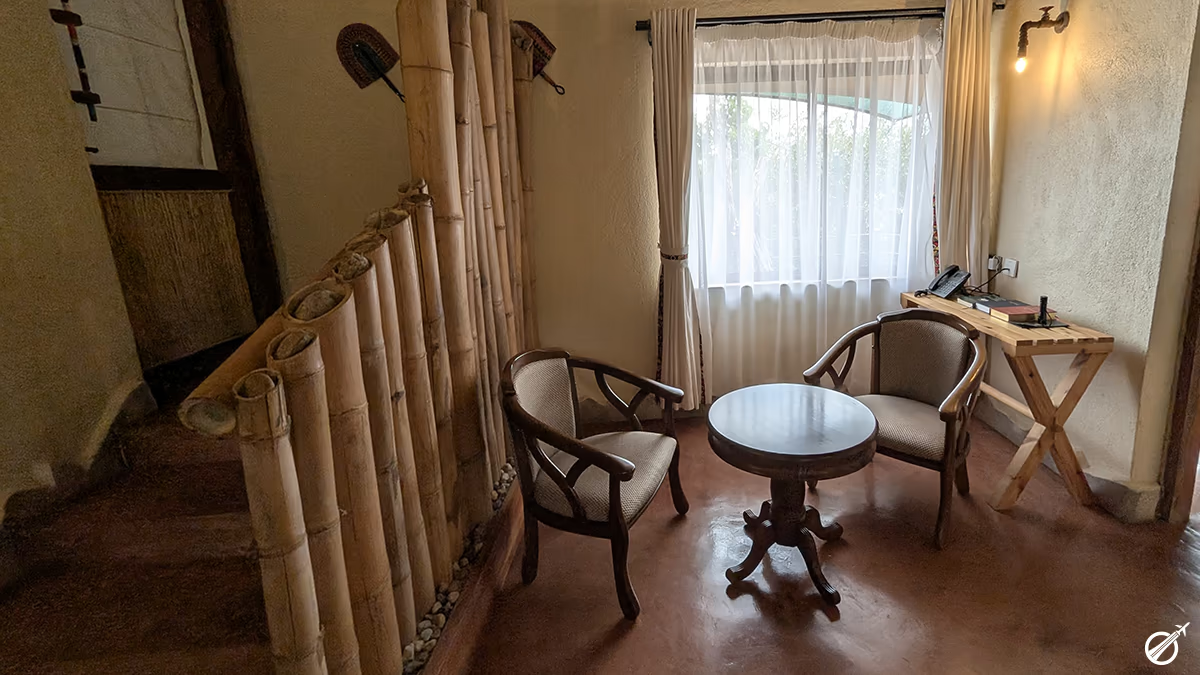
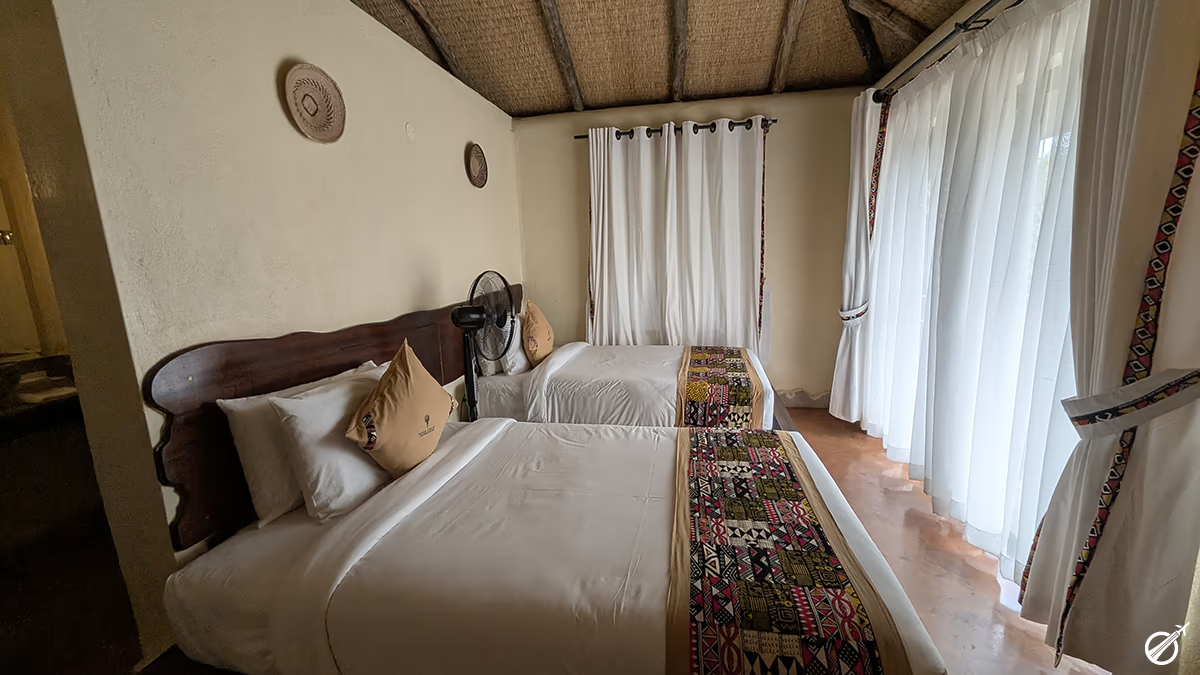
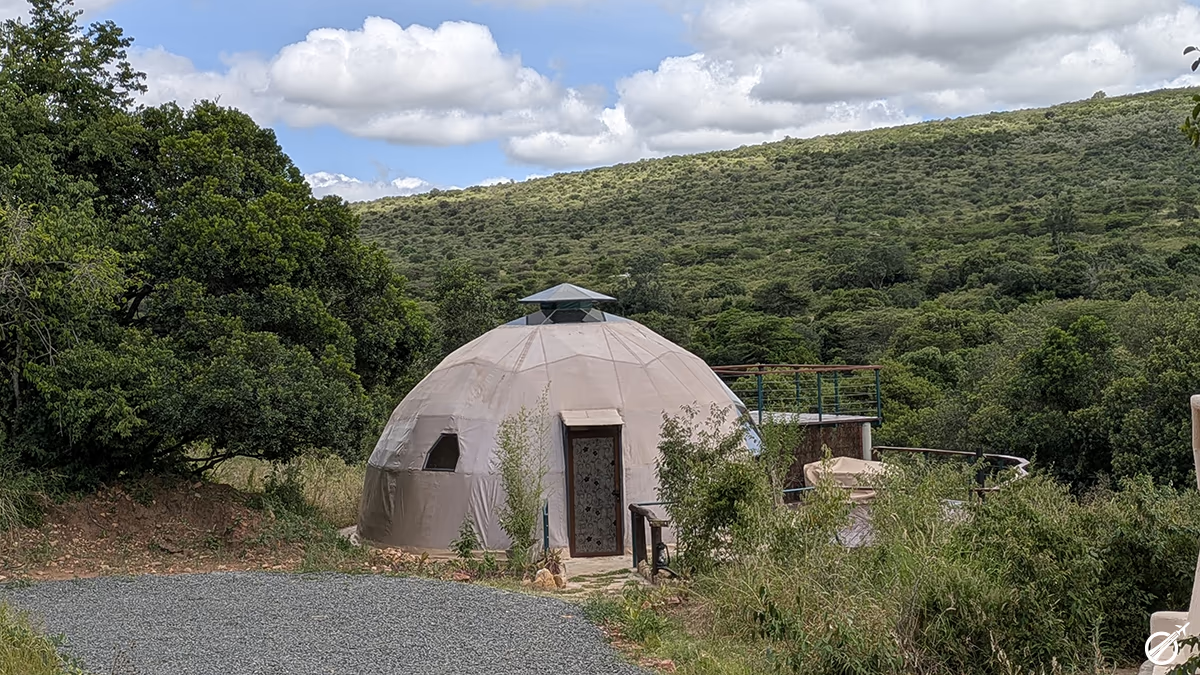
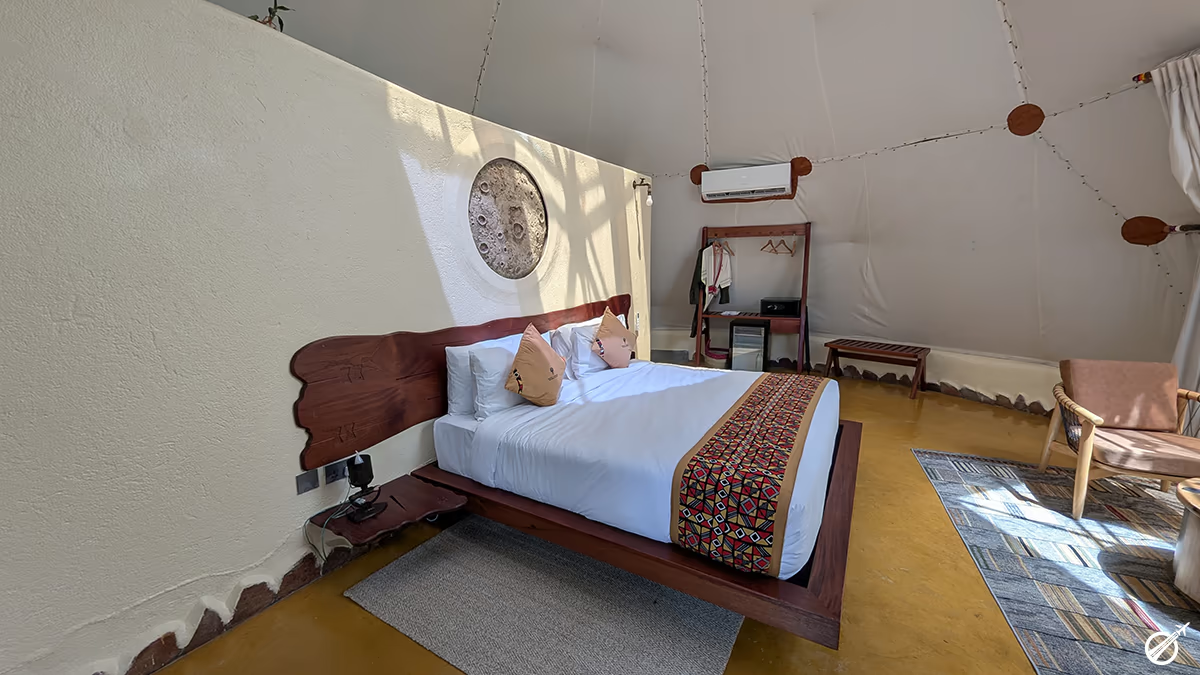
Mara Enkaji
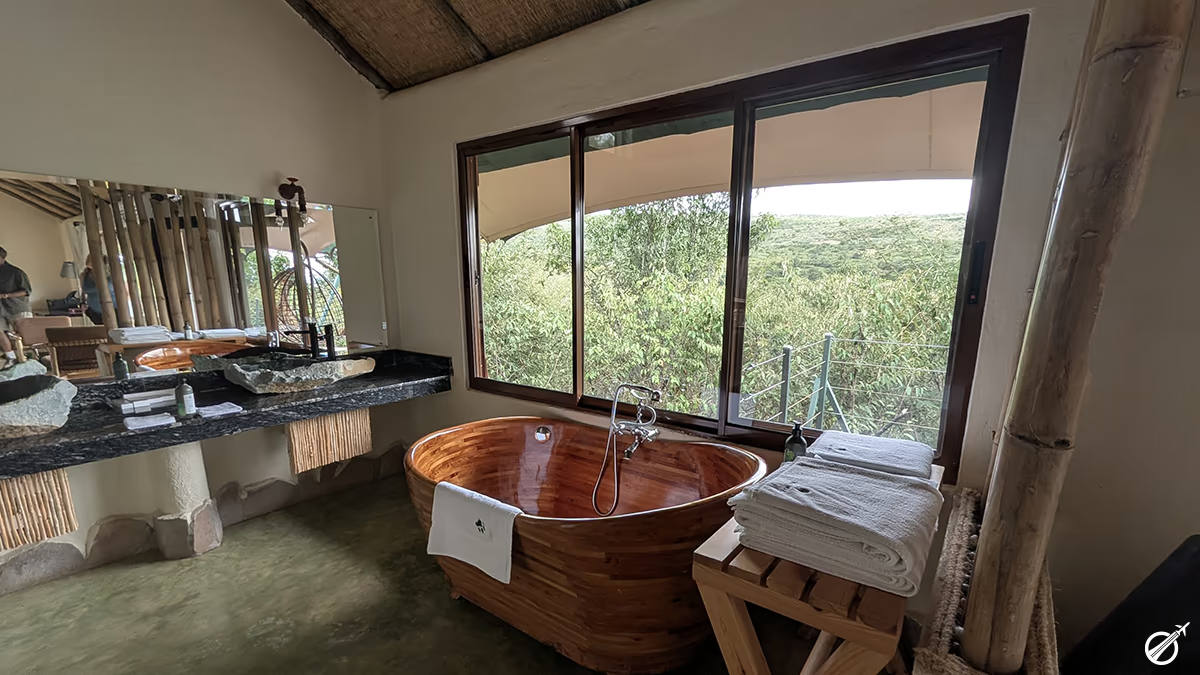
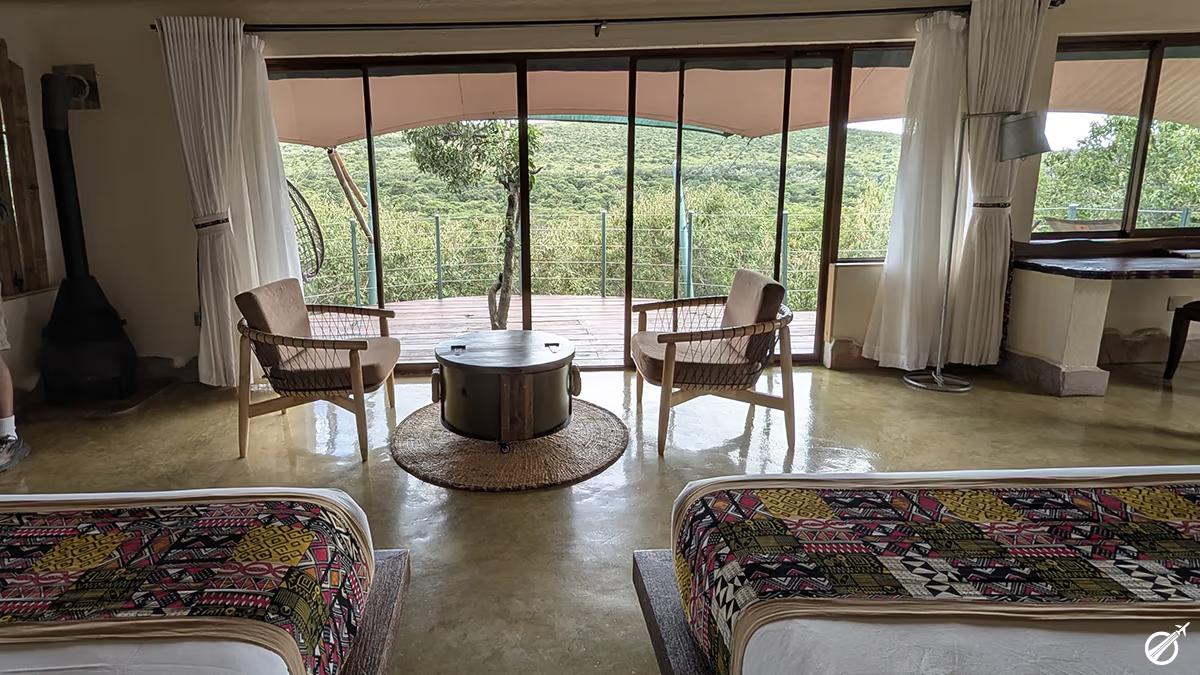
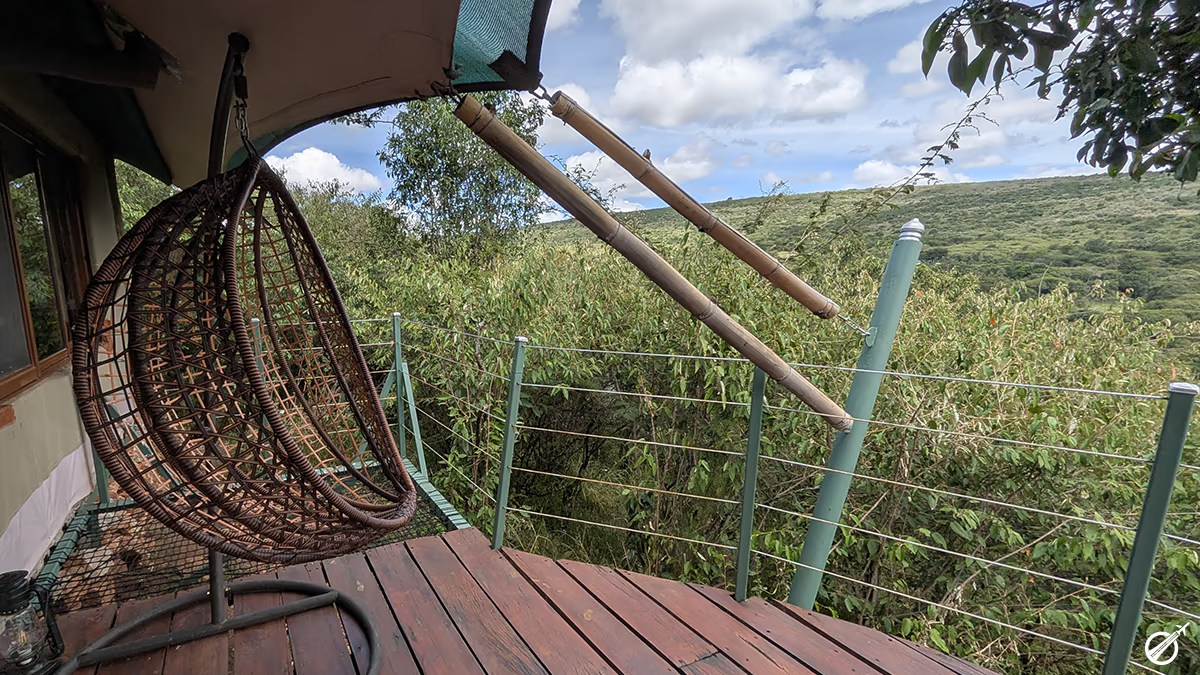
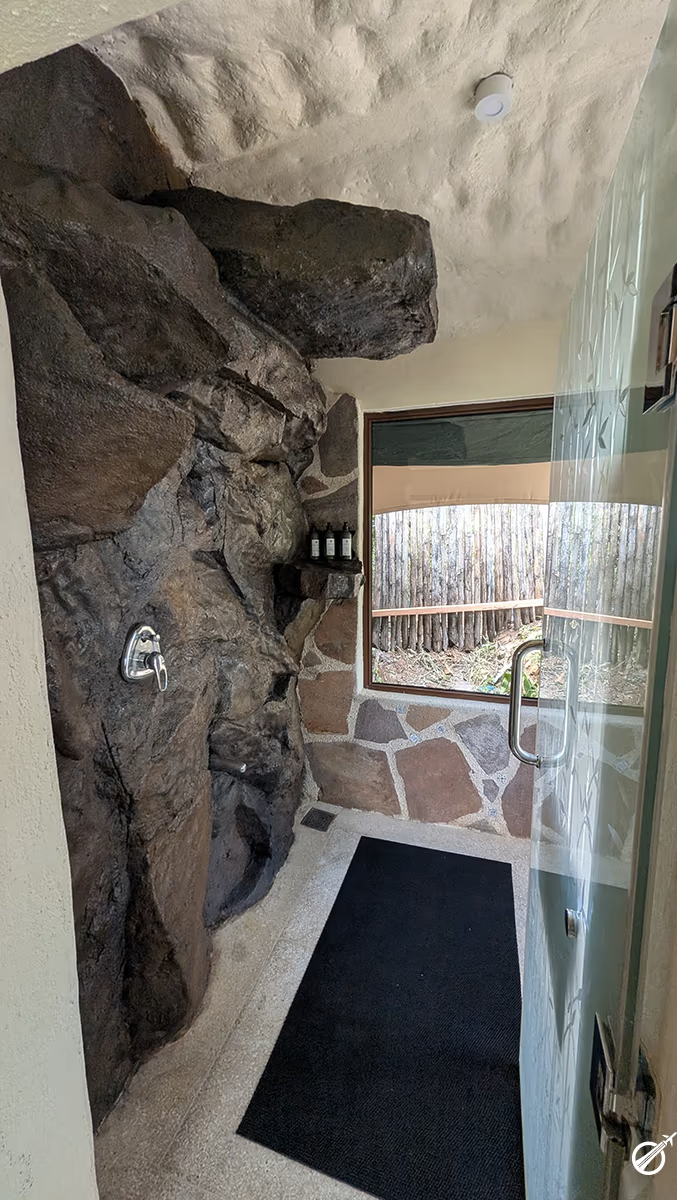
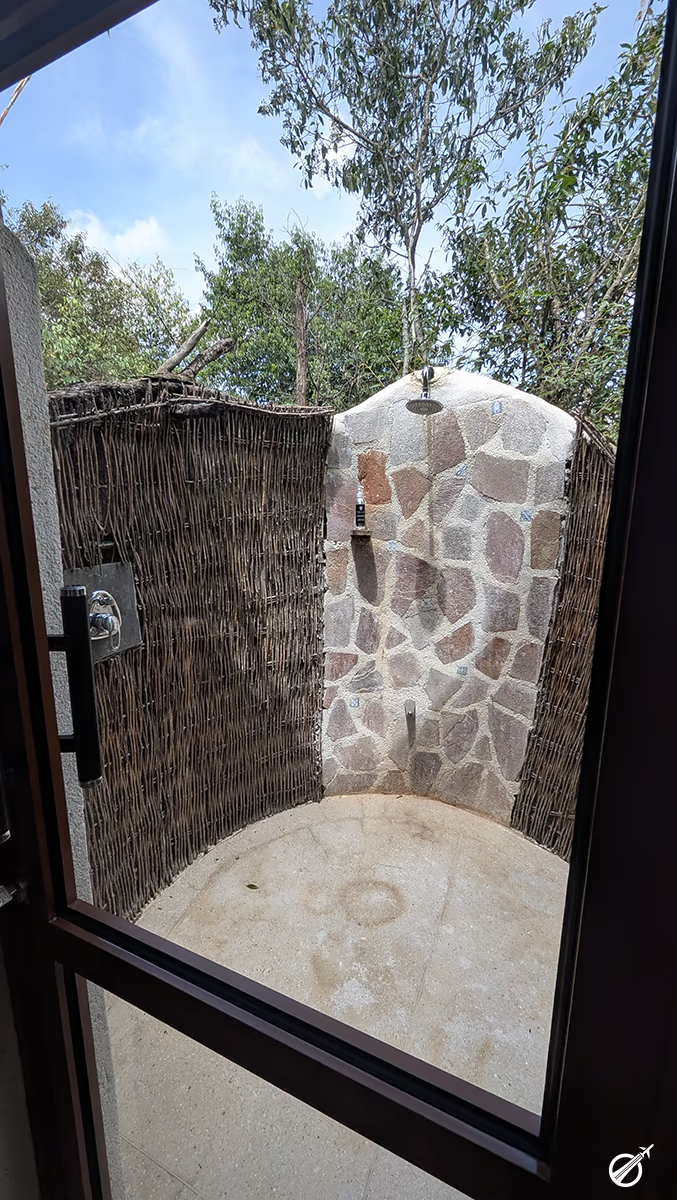
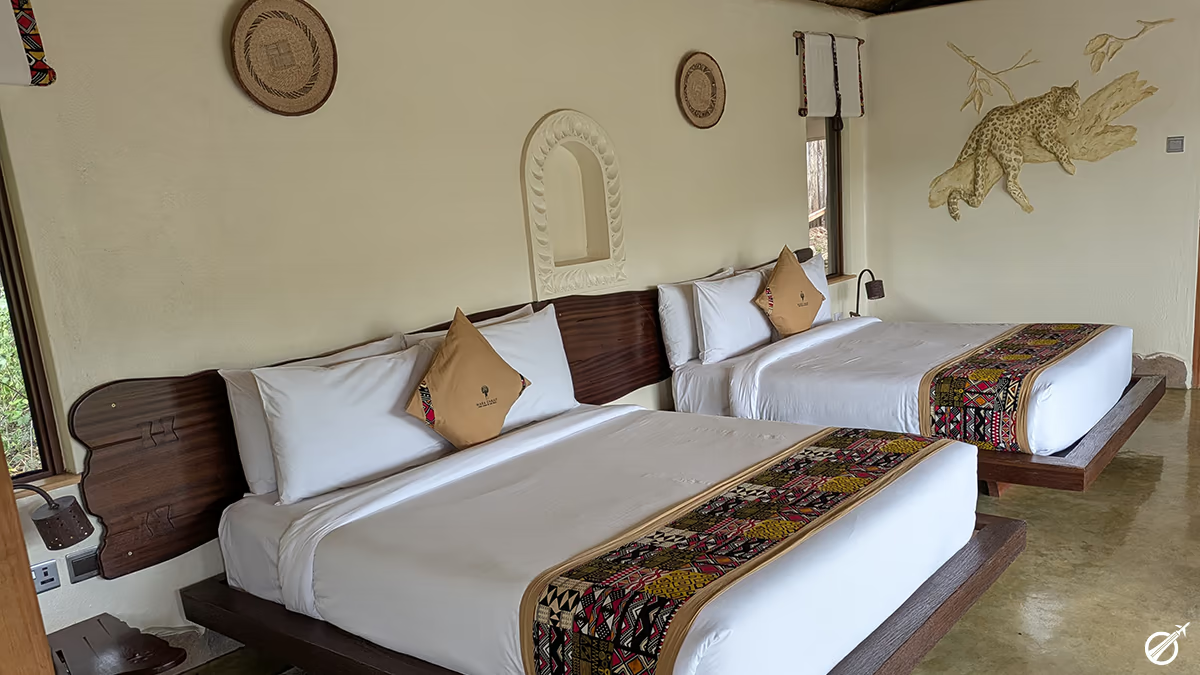
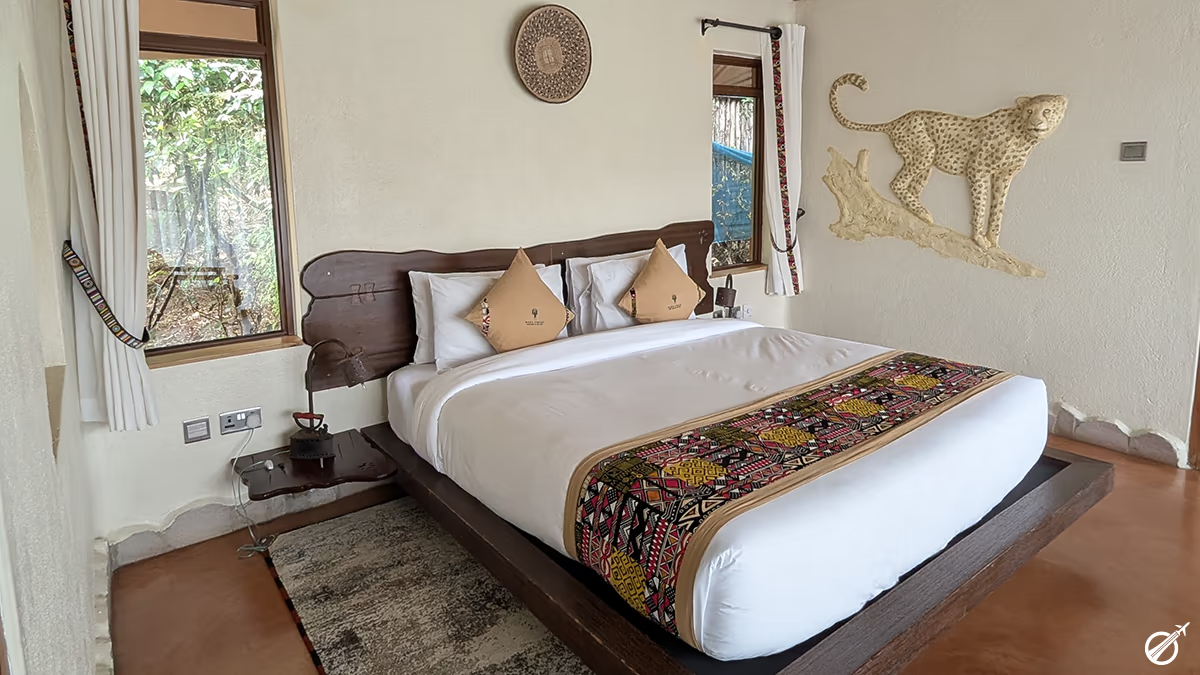
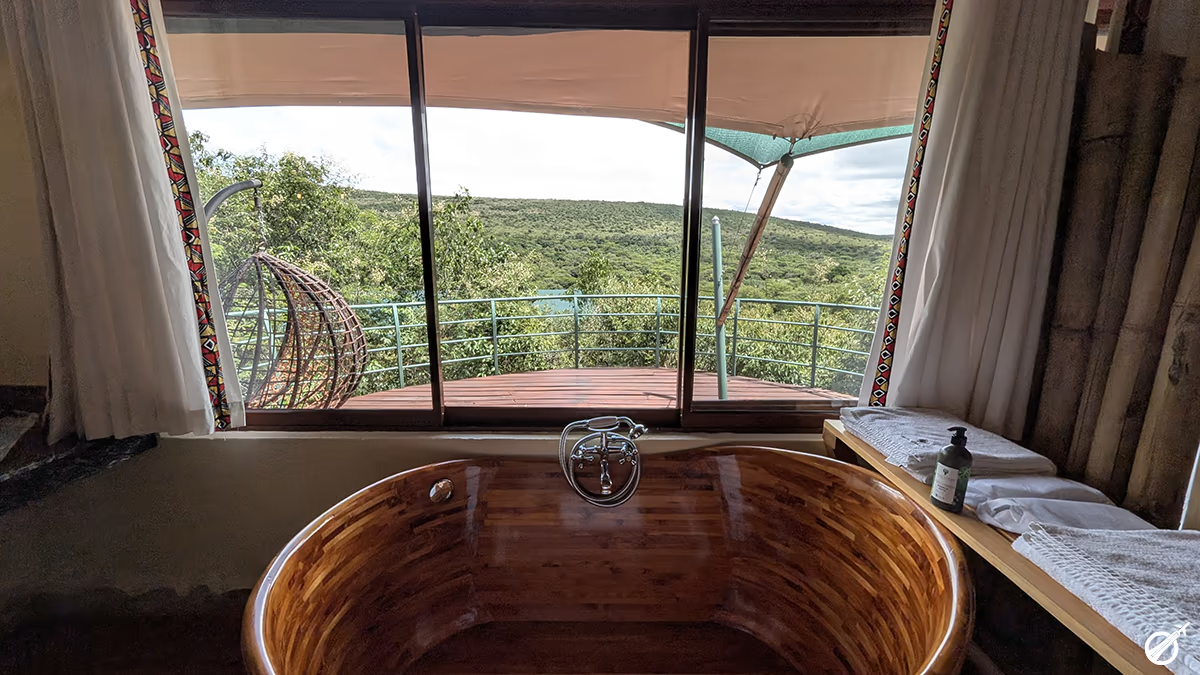
Mara Enkaji is another luxury property that will delight your senses and allow you moments of bliss and relaxation in the midst of your daily game drives through the Maasai Mara. With expansive rooms featuring private, gorgeous hillside views from the balcony or bathtub, and even more private, remote domes farther down the hill, this is a fantastic place to stay.
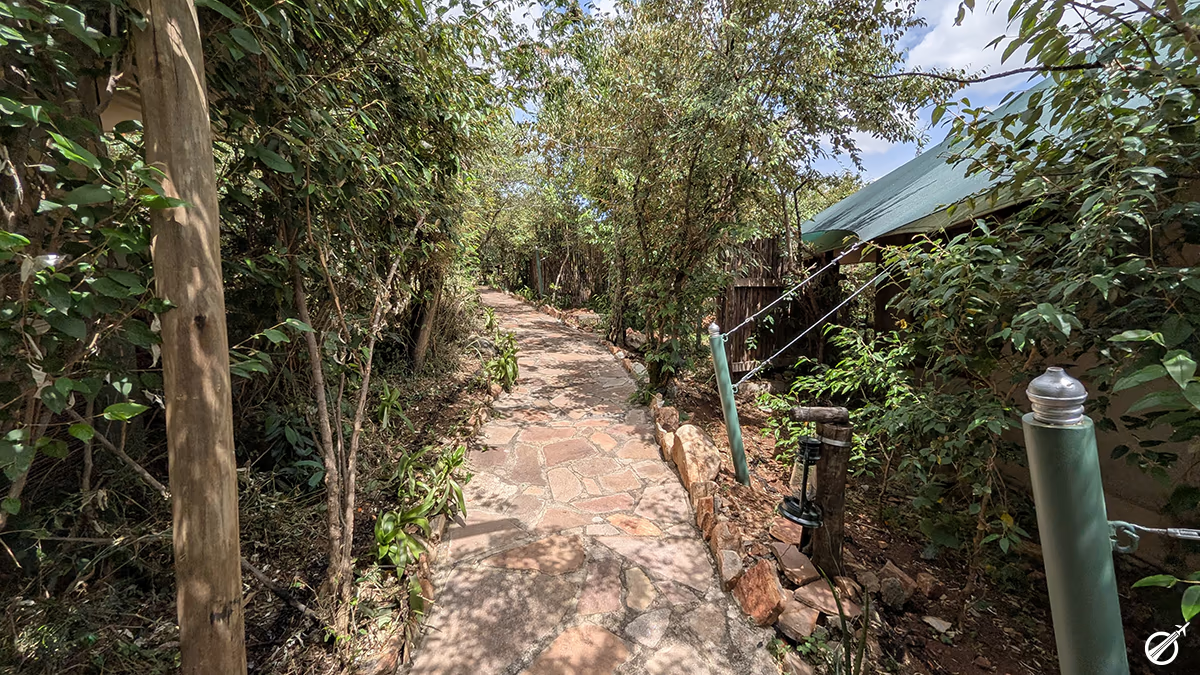
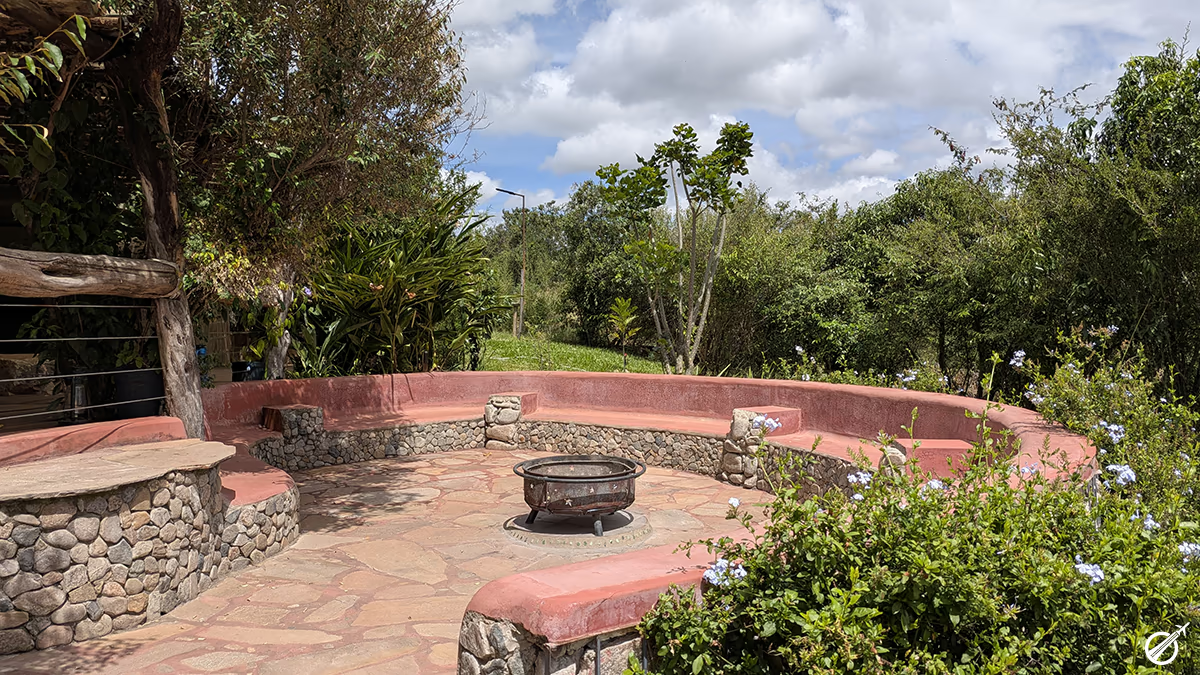
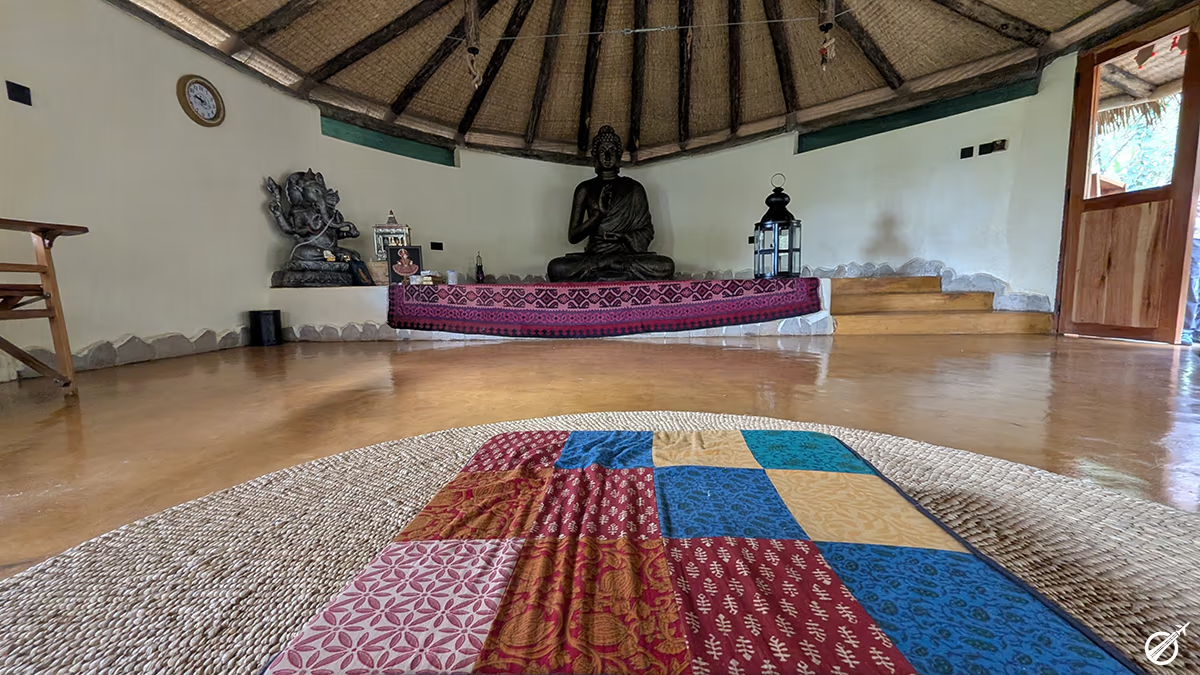
Ashnil Mara Camp
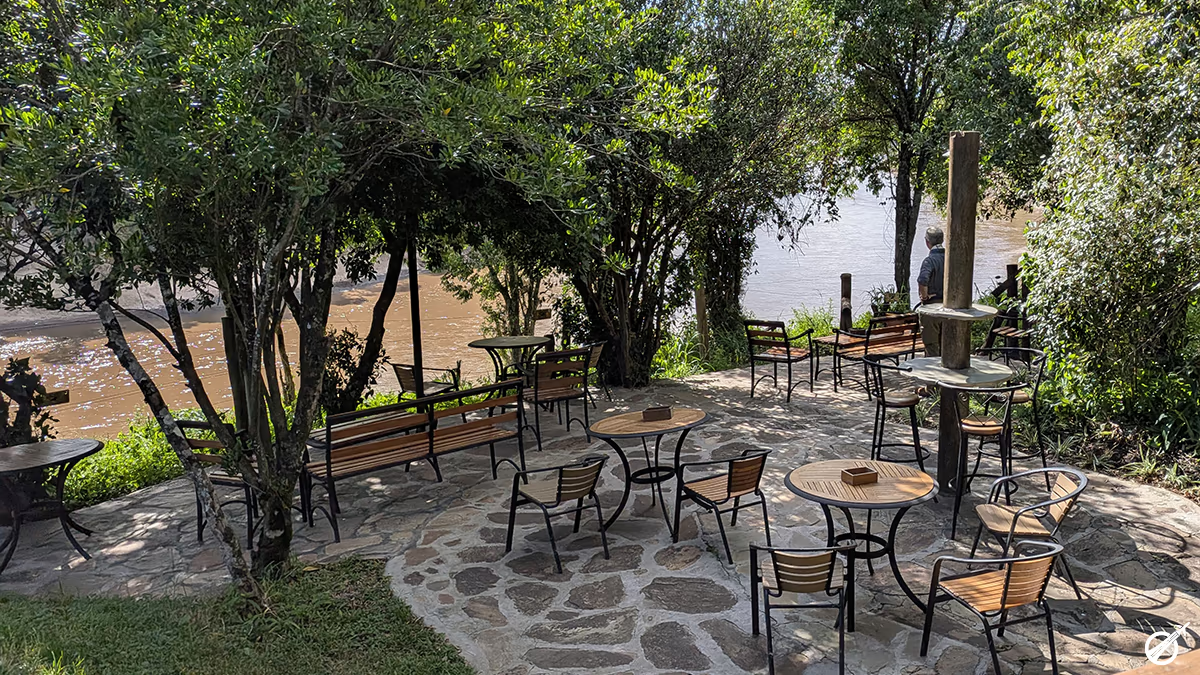
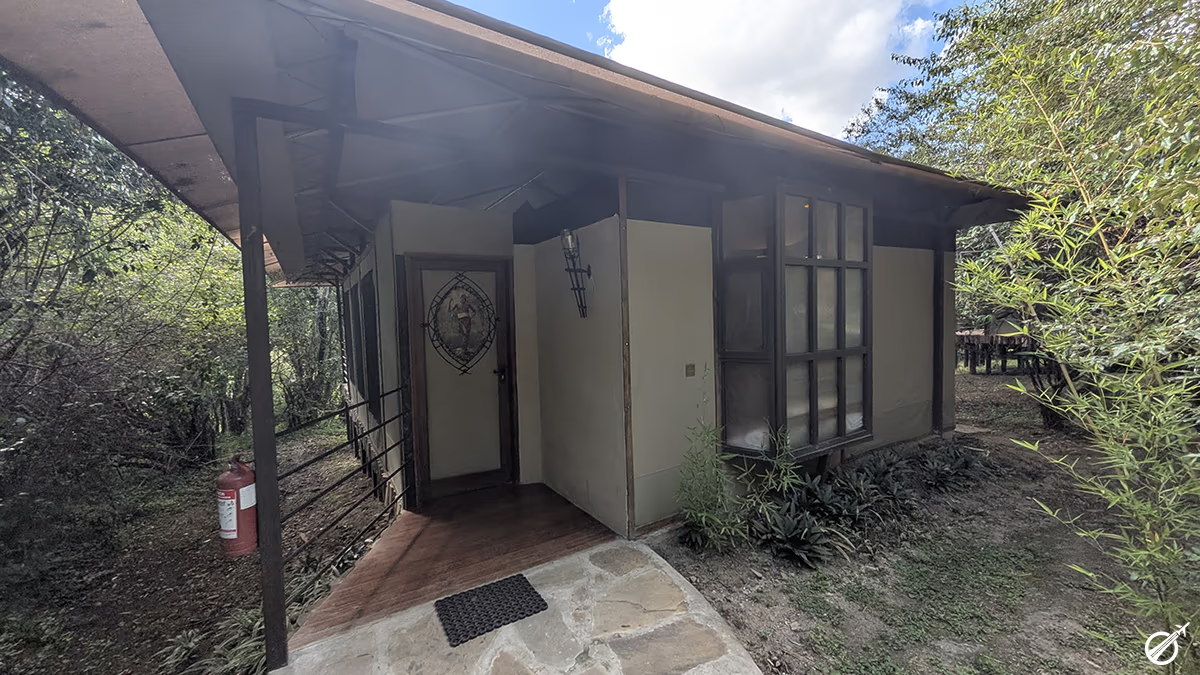
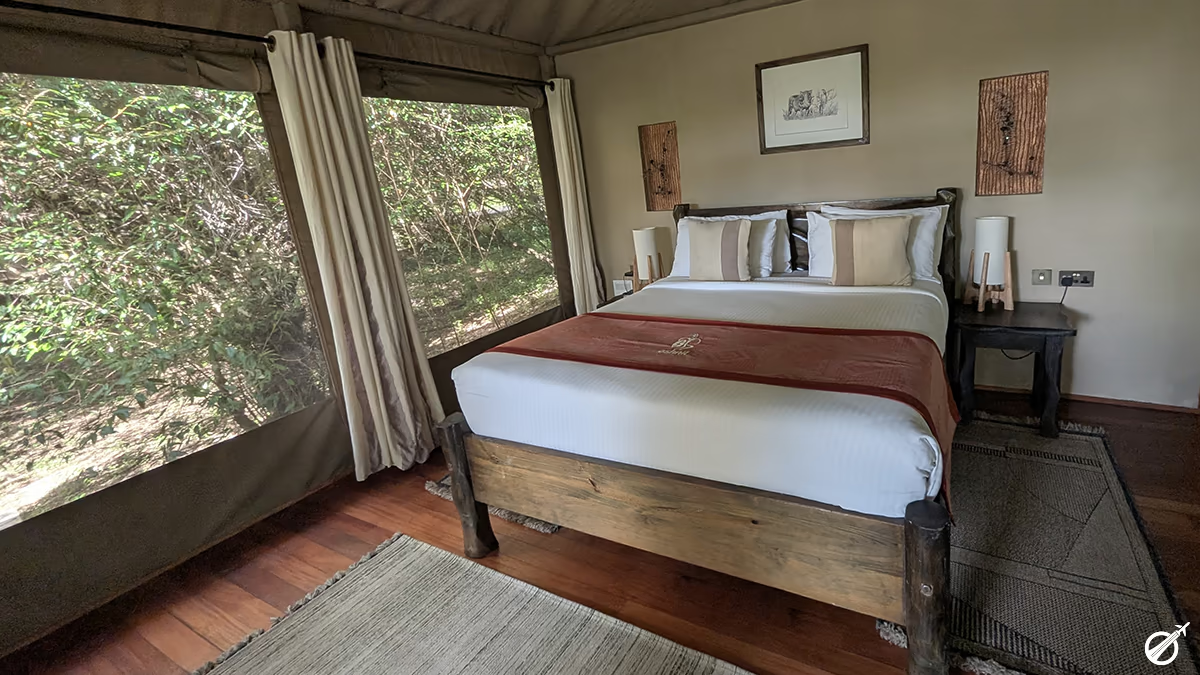
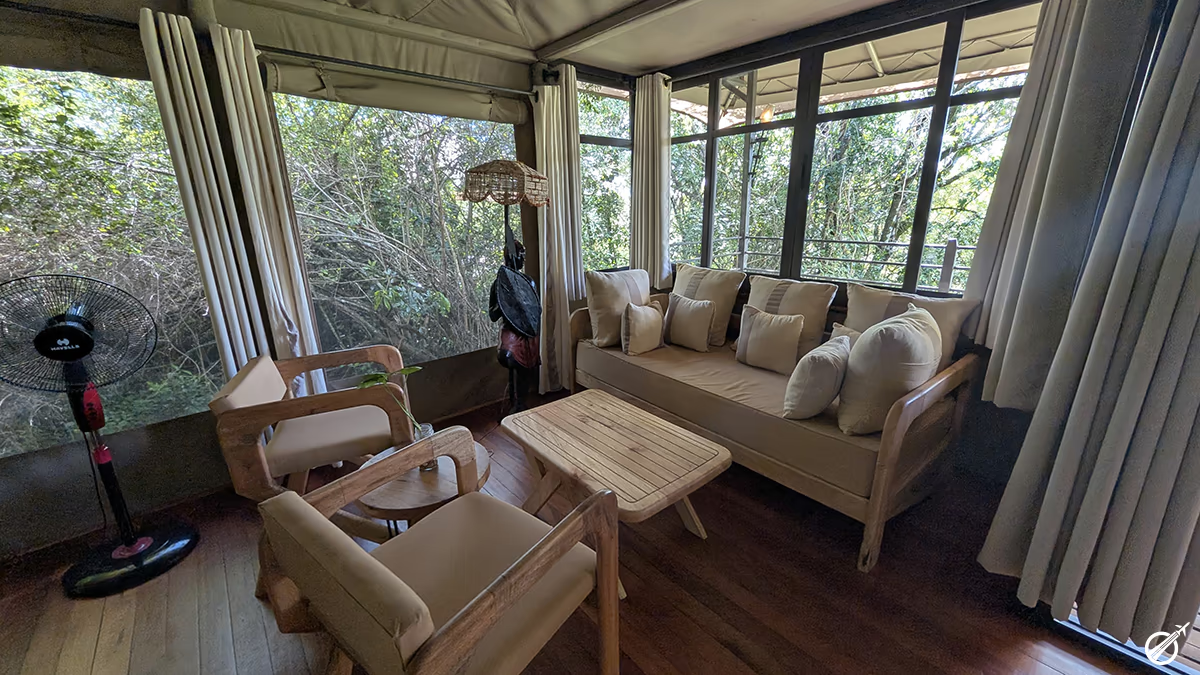
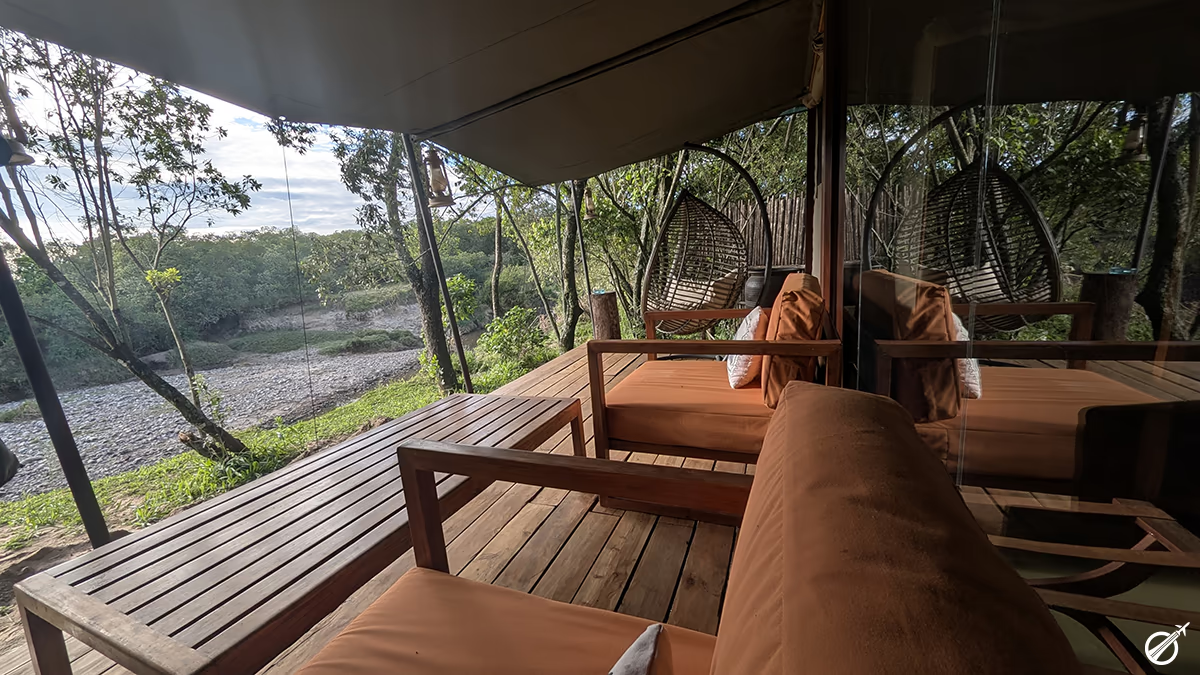
Perched on the clifftop over the River Mara, the Ashnil Camp boasts comfortable spaces to daydream away as you watch crocodile and hippos in the waters below. Every room features a great view, comfortable spaces, and hospitable staff.
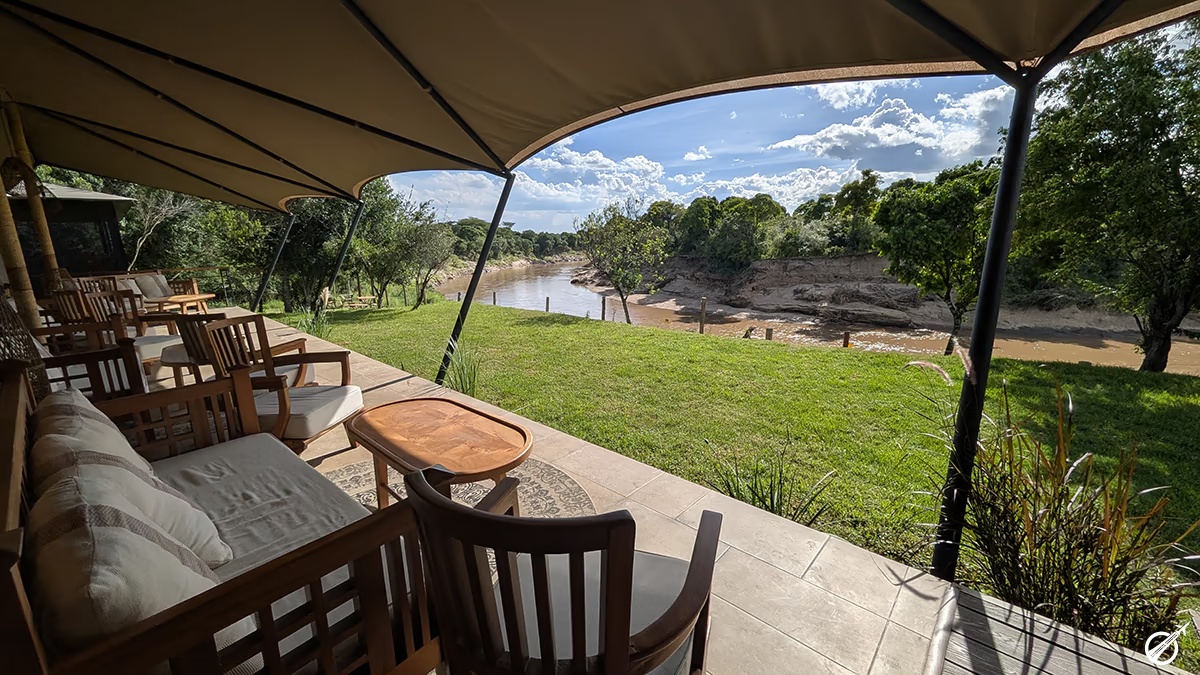
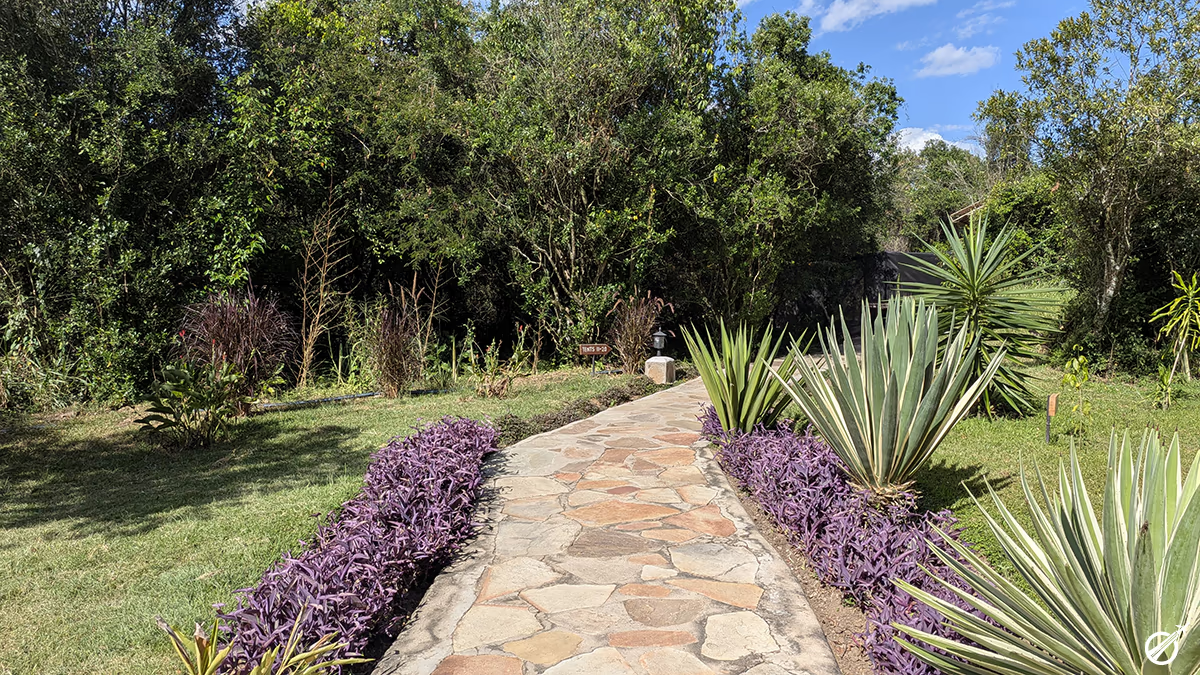
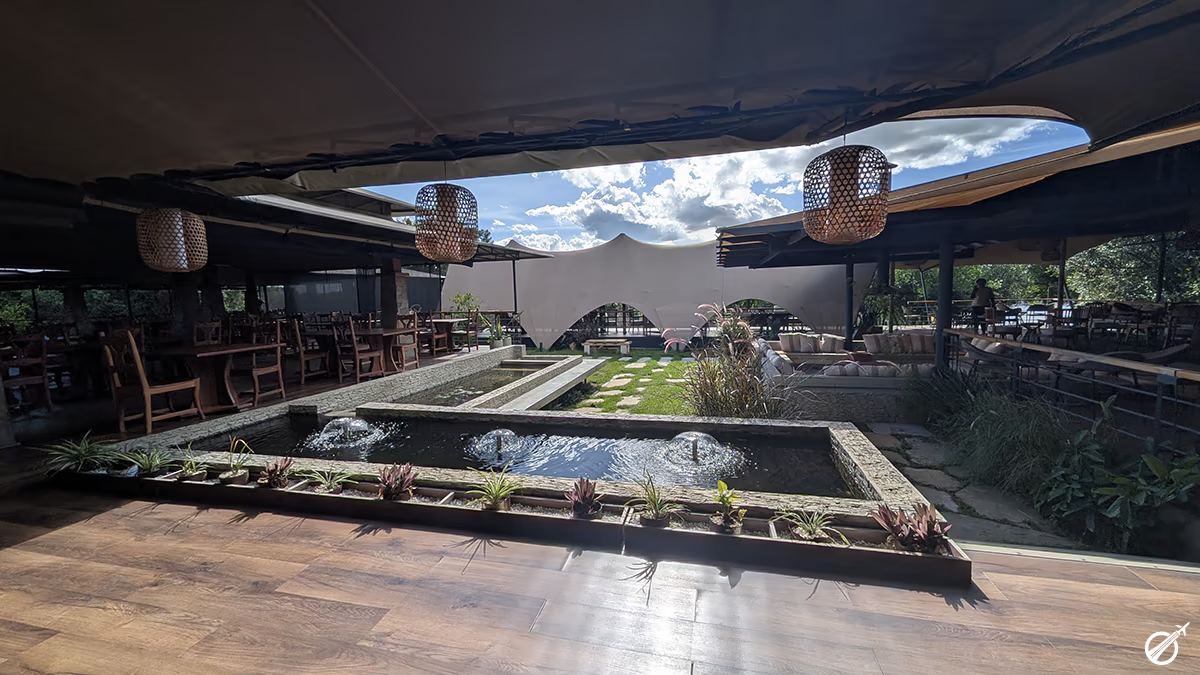
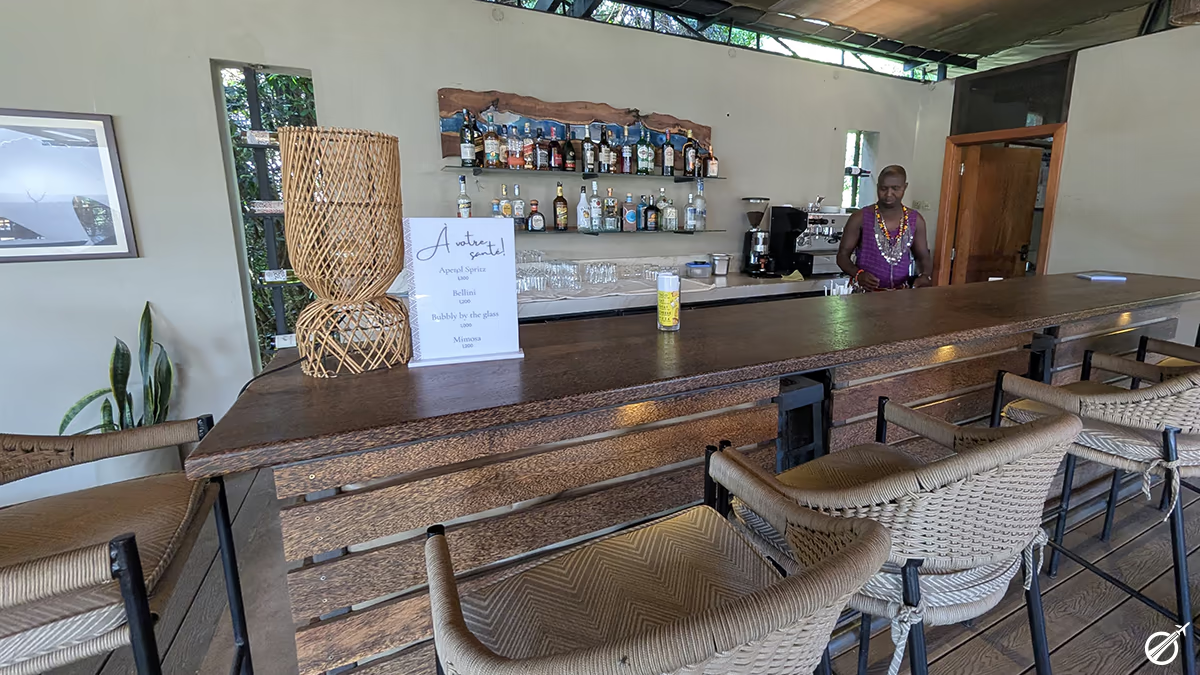
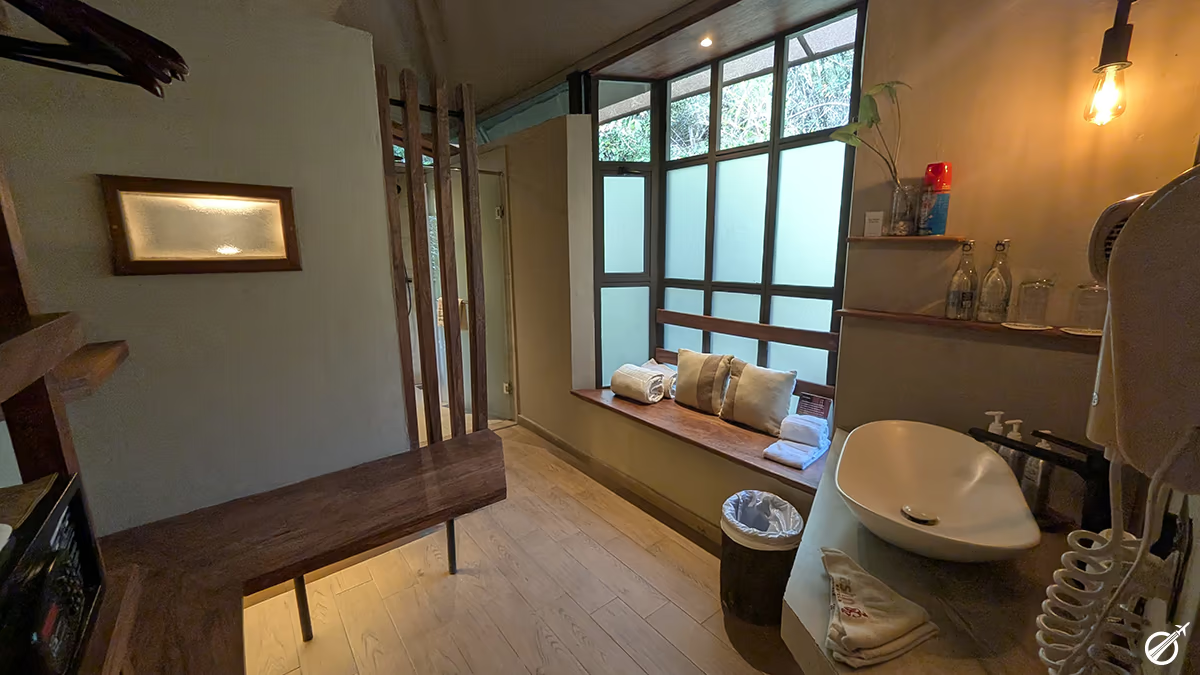
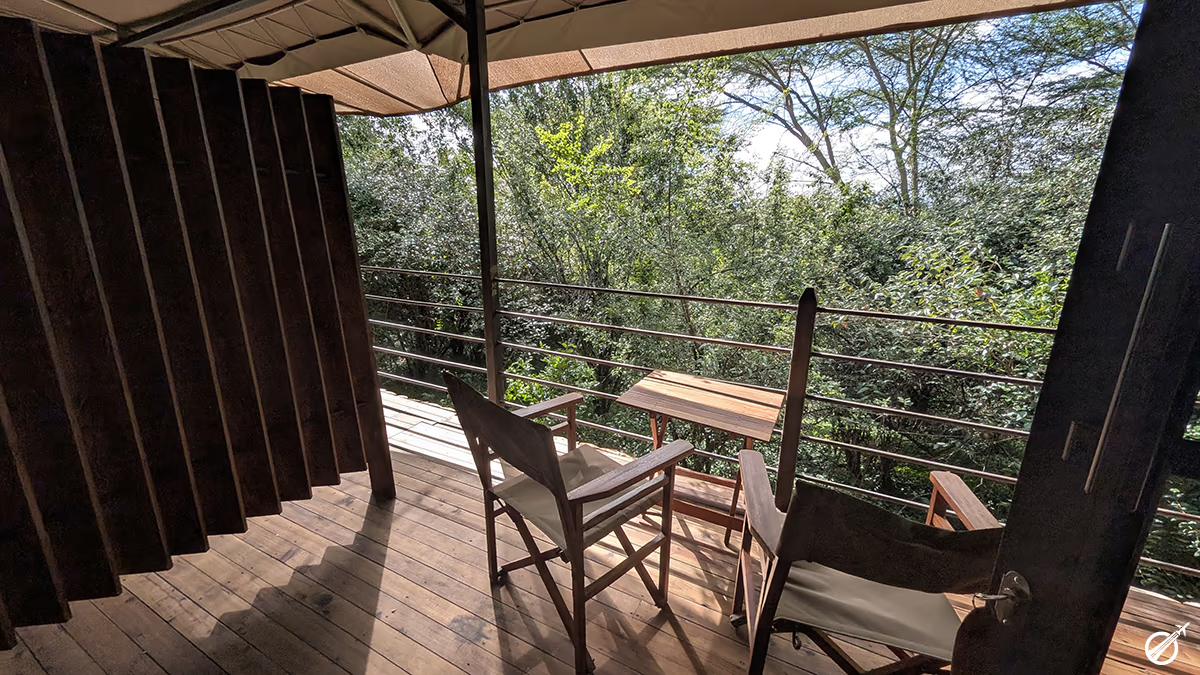
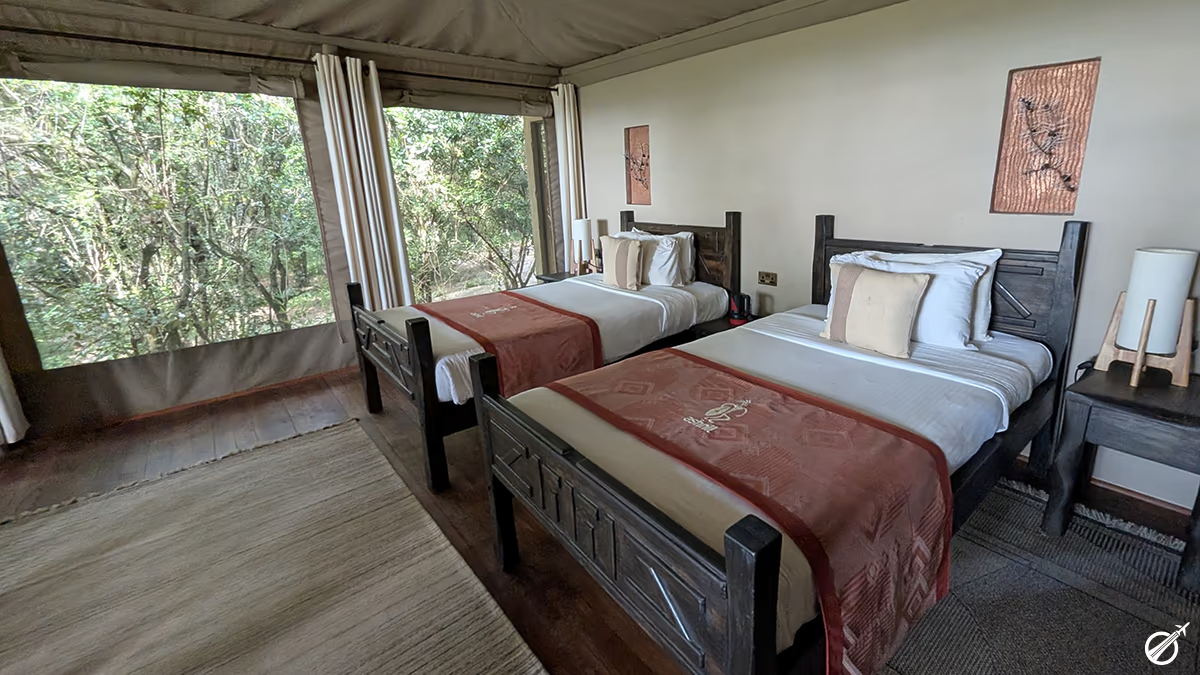
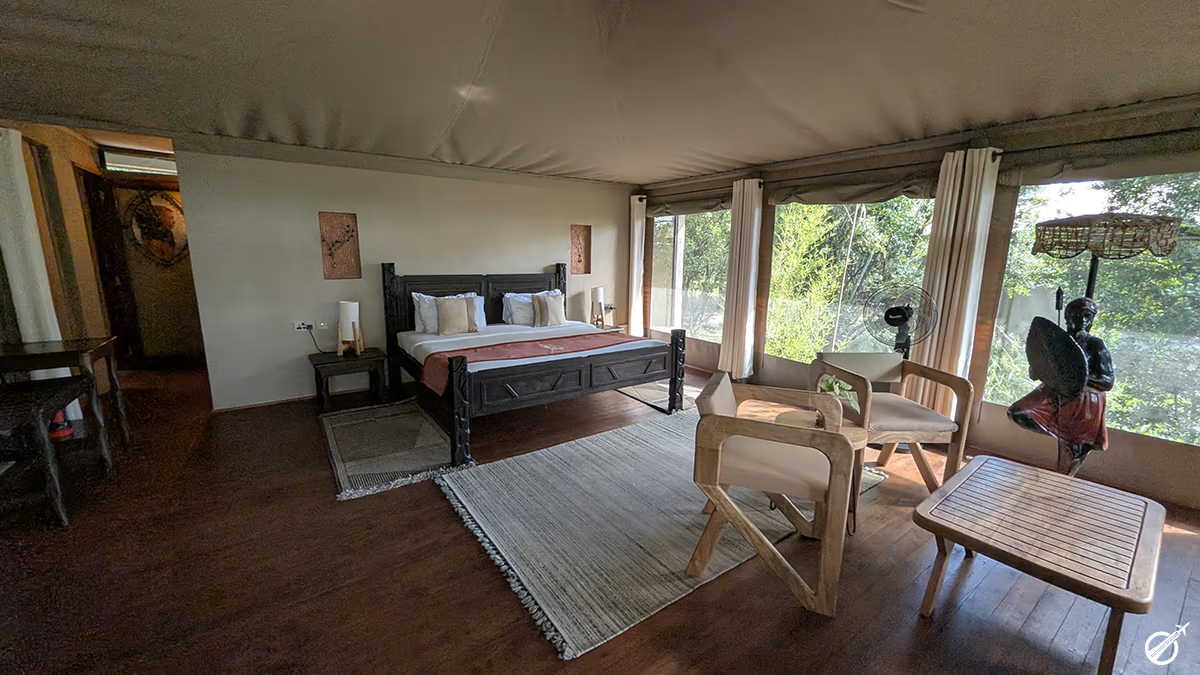
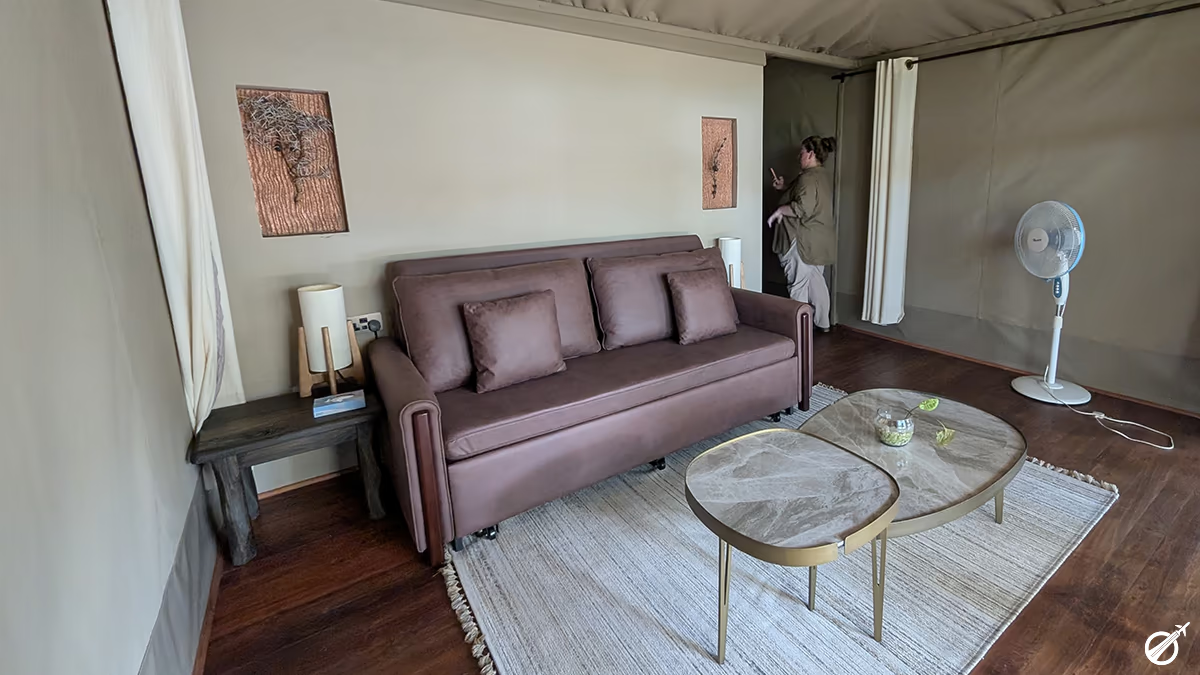
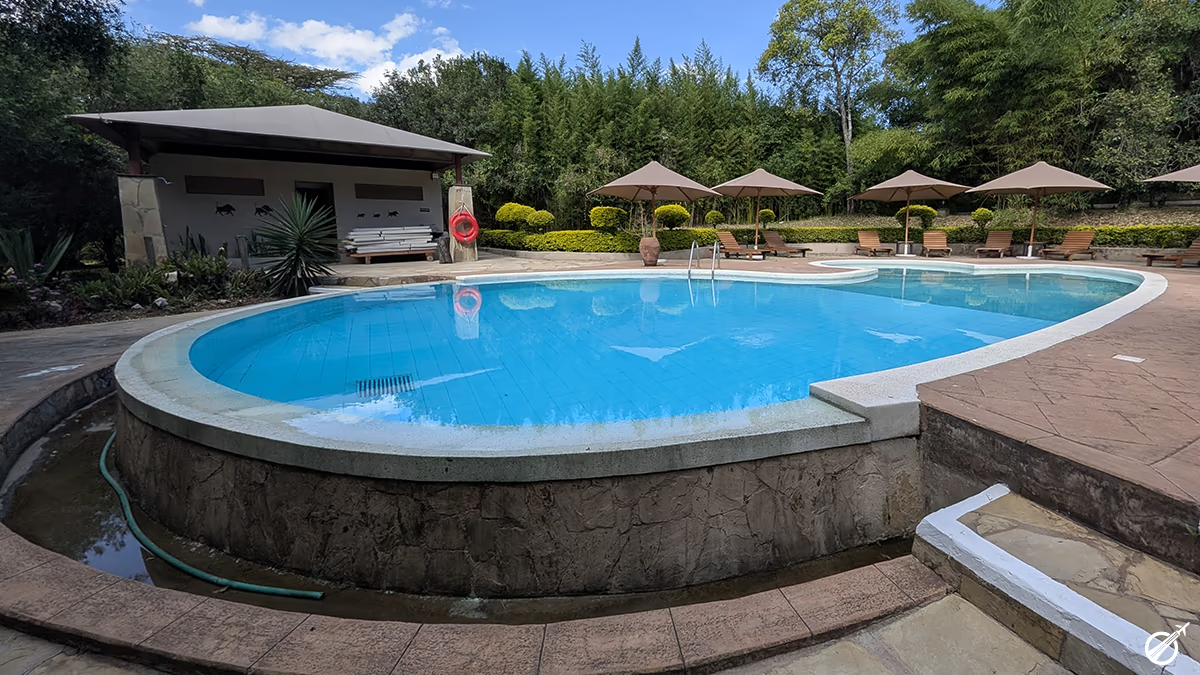
Soroi Luxury Game Camp
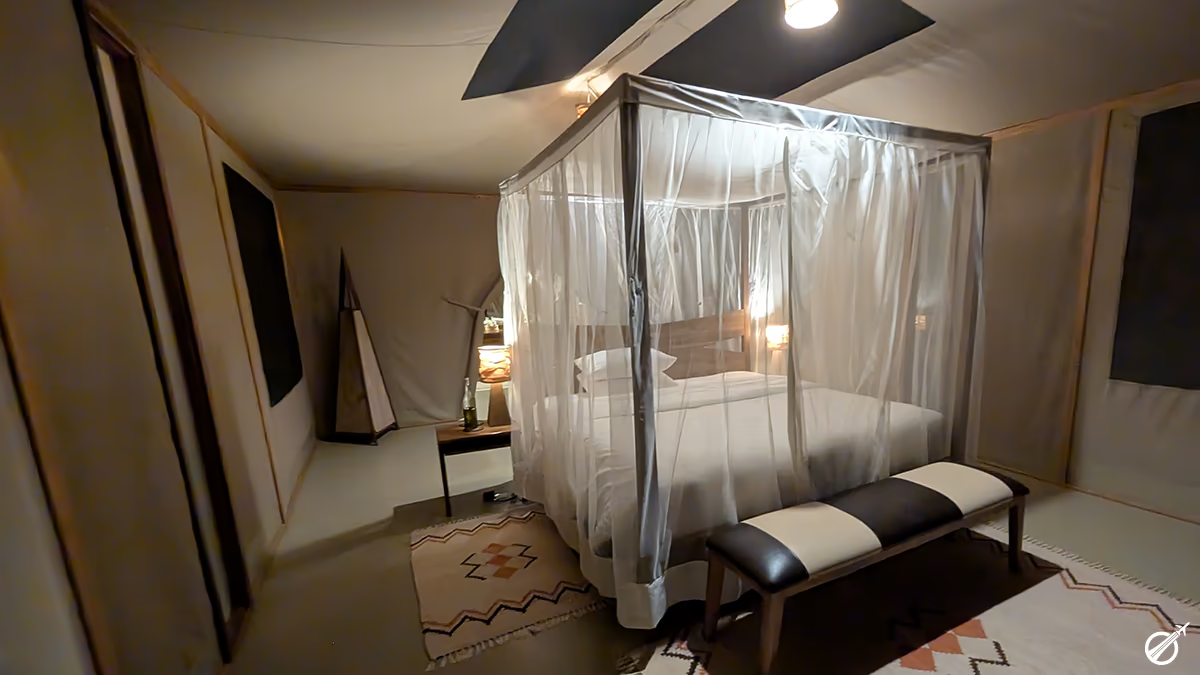
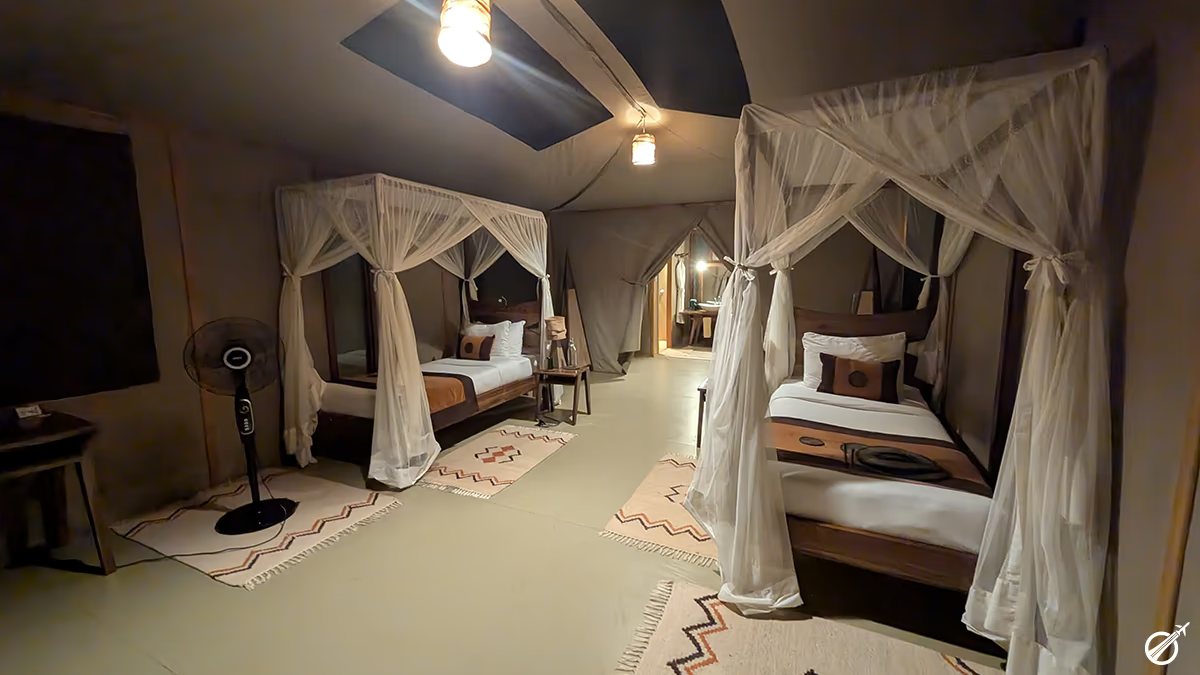
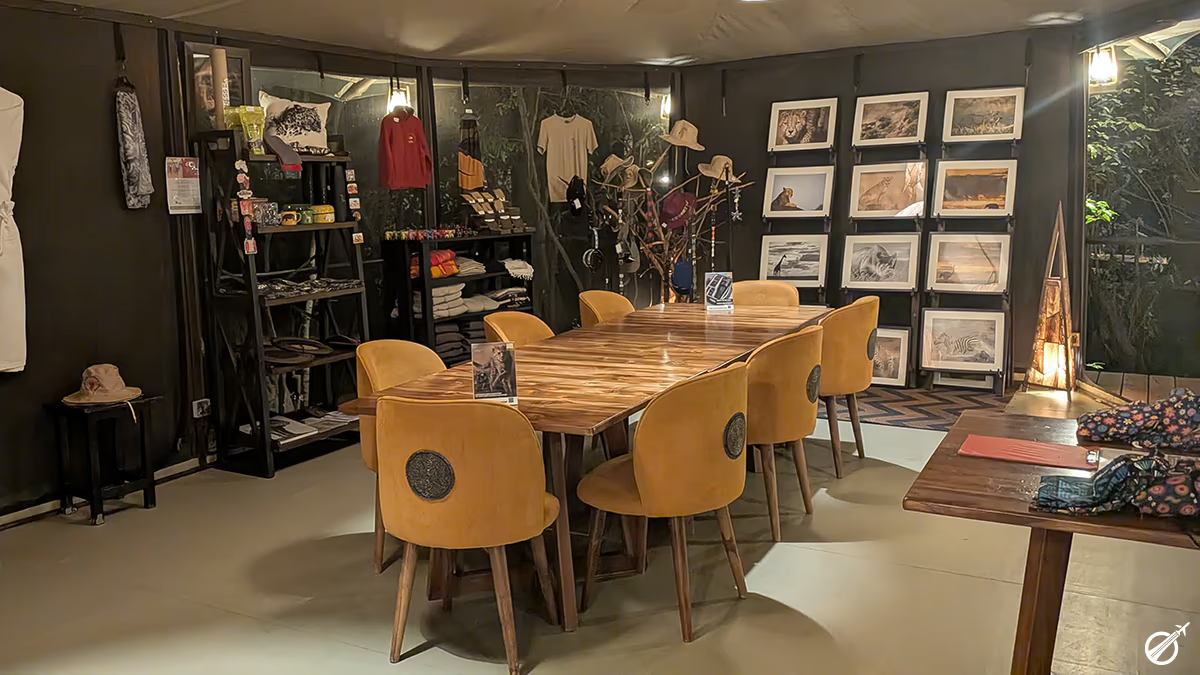
Go to sleep with the sounds of hippos rustling in the river and bushes. At Soroi, these magnificent beasts roam freely, and it's an incredible feeling to hear them in the water below. For photographers, this place is perfect. They feature a photographer studio that includes advice from their resident pro, lenses and cameras for rent. For families, two triple-large tents feature two bedrooms and a central living room, and all tents have large porches.
Frequently Asked Questions
Absolutely! While our trip was centered on the safari drives as our primary activity, Kenya offers so much more. We'd recommend adding on a visit to Mombasa, on the coast, for a few luxurious beach days. On the coast you can also go on a SCUBA safari, or dive into the history of the abominable slave trade that ravaged East Kenya.
We recommend no less than 7 full days in Kenya, but that's a short, high-movement trip. Ideally you should plan for at least 10-14 days.
The simplest way to get around is driving in our large 4x4 Safari Land Cruiser. But we do caution that that can mean a lot of time in the car. If you'd prefer, you can also fly short hops between destinations, and from Nairobi to Mombasa you can take the modern train.
The hotels in Nairobi have air conditioning, but out on safari in the camps and lodges, the rooms generally don't. You don't really need it, though. The nights in Kenya are comfortably cool, and if you need a little extra air movement they have fans as well. We slept so incredibly well in every hotel.
We recommend you visit a nearby travel clinic, possibly offered at your local Department of Health. Taking malaria pills is strongly suggested, and your doctor may recommend other vaccinations as well. For our trip, we re-upped our yellow fever (though usually not requried by Kenya for Americans), typhoid, and meningitis vaccinations and took a course of malaria medication.
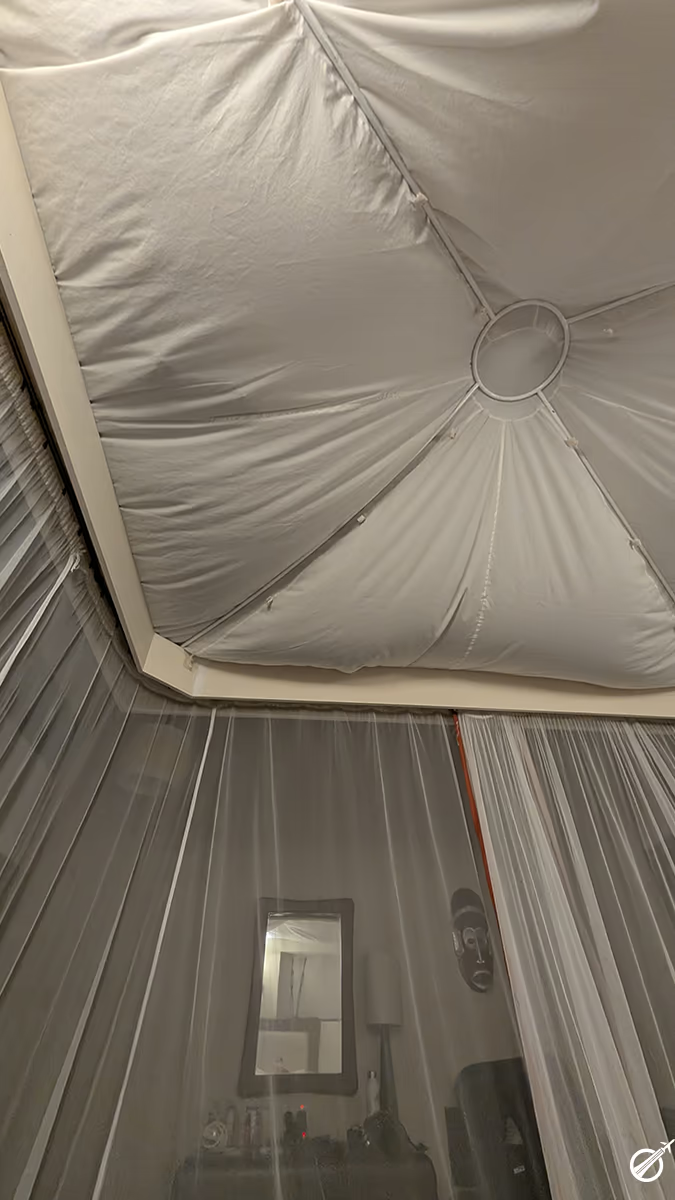
They're not as bad as you might fear. The buggiest place we visited was Amboseli, but the other destinations—including the lakes—weren't very buggy. There are mosquitos and flies, though, so we recommend a strong DEET-based bug repellant. Outside of Nairobi, all the hotel rooms feature mosquito netting around the beds (which is like sleeping in a luxury tent or see-through blanket fort), and as part of their nightly turn-down service the hotels spray an unnoticeable repellant so you can sleep in glorious peace.
Every property has electricity. In Kenya they use 220V and Type G plugs, which are the kind you find in the United Kingdom. Many properties feature modern "universal" outlets that take your American plugs, but we recommend bringing an adapter. We didn't need a converter because most modern appliances work easily with 110V–220V power.
Out in the wild, the hotels use a blend of solar power and generators. Some hotels will shut off power after midnight to the cabins to conserve fuel and electricity, but if you use a CPAP they'll leave yours on.
The Kenya safaris we plan for you are completely private to you and your companions, and customized to your unique interests and needs.
Oh definitely! We think that when kids have the opportunity to see the world, they grow up to be more well-adjusted, with broader perspectives, and an open-hearted appreciation for the differences and stories of humanity. Taking your kids on safari will give them an experience they will talk about for the rest of their lives. The safaris and hotels are perfectly safe for kids.
Sundowners are a traditional nightcap out in the bush as the sun sinks. In the old colonial days, these were when hunters would gather to review the day and sip their malaria-preventing gin and tonics. Today, it's a peaceful way to wind down a day of chasing game, gather with your group, and share your favorite memories from the day. Many of our hotel partners offer unique sundowner experiences in the nearby bushland.
Or, start your day with a hearty bush breakfast. We'd also strongly recommend going on a hot-air-balloon safari. You'll wake up early, but believe us when we say it's very much worth it. If you are SCUBA certified, we can arrange a SCUBA safari off the coast of Mombasa, and of course, our partner SKYIN is the only provider to feature private experiences with Maasai tribes in their authentic villages.
No, they are still wild animals. They're used to humans and generally ignore us, but you should not approach them, try to pet them, or feed them.
We include breakfast, lunch, and dinner at the hotels & camps in the cost of our safaris. Drinks (both alcoholic and soft drinks) are not included, but are super cheap. At deluxe properties food is served buffet style, and at luxury properties it may be served either buffet-style or ala carte. The choice of fare is diverse, and includes pasta dishes, salads, traditional fare, delicious meats and cheeses, Indian food, and other delicacies.
All of our safaris are bespoke, customized experiences tailored to your interests, desires, and budget. The price can range from around $3,500 per person to much more, depending on how long you want to stay, how you want to get around, and what experiences you'd like to have.
Curate Your Own Safari
Every safari is a deeply personal adventure. Let us design a bespoke experience tailored to your travel desires, pacing, and budget.







Subscribe to our upcoming newsletter for a quick escape to inspirational places.
Outward Travel
(720) 828-7665
go@outward.travel
Tools & Insights